
Why are Mexican Furniture Exporters Turning to Coil Wrapping Machines for Board and Panel Packing?
Imagine your factory floor. You see stacks of beautiful, finished furniture panels, ready for export. But then you watch your team struggle with manual packing. It is slow. It takes a lot of effort. It costs you money. Are you tired of seeing production delays and potential damage to your valuable products right before they leave your doors?
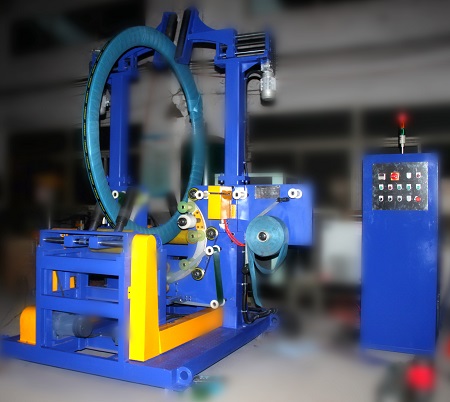
Mexican furniture exporters are increasingly using robust industrial coil wrapping machines, often derived from coil packing technology, for their board and panel packing because these machines offer superior efficiency, enhanced worker safety, and unmatched product protection. They significantly reduce labor costs and damage claims, ensuring products arrive in perfect condition, which is crucial for international trade.
This shift is not just a trend. It is a smart business decision. It is about bringing the same tough, reliable packing solutions used for heavy steel coils to the demanding world of furniture export. Let me show you how this move can transform your operations.
1. Are Manual Packing Methods Still Holding Back Mexican Furniture Production?
Do you feel a bottleneck forming at the end of your production line? You have worked hard to speed up manufacturing, but then packing slows everything down. Is this an issue for you?
Manual packing methods for furniture boards and panels are often slow, inconsistent, and highly labor-intensive, creating significant bottlenecks that hinder overall production speed and timely delivery for Mexican furniture exporters.
When I first started in the packing machine industry, I saw this problem everywhere. Factories would invest in state-of-the-art production equipment, but then they would completely overlook the packing process. This was a big mistake. The final step became the slowest step. It limited how much product they could ship out. It tied up their valuable floor space with finished goods waiting to be packed. For furniture exporters in Mexico, where competition is high and delivery times are critical, manual packing is no longer a viable option. It simply cannot keep up with demand.
The Hidden Costs of Manual Packing
Manual packing seems cheaper at first. You just pay wages. But this view is too narrow. When you look deeper, you find many hidden costs. These costs eat into your profits. They slow down your business.
Inefficient Labor Utilization
- Time-Consuming Process: Each panel needs individual attention. Workers must wrap, tape, and secure each piece by hand. This takes a lot of time per unit. My personal experience setting up my own factory showed me that even small delays add up. Manual packing can make your entire production line operate below its true potential.
- Inconsistent Quality: Human hands cannot always achieve perfect tension or consistent overlap. This leads to varying packing quality. Some packages might be too loose. Others might be wrapped unevenly. This inconsistency increases the risk of damage later. It can also lead to customer complaints.
- High Labor Turnover: Manual packing, especially for large panels, can be repetitive and physically demanding. This often leads to high employee turnover rates. Training new staff takes time and money. This cycle of hiring and training wastes resources. It also creates instability in your packing team.
Impact on Production Flow
- Bottleneck Creation: The packing area becomes a choke point. Products pile up. The flow of goods from production to shipping is interrupted. This creates delays for customers. It also limits your factory’s maximum output.
- Increased Lead Times: If packing takes too long, your overall lead times increase. This makes you less competitive. Customers want their orders fast. Slow packing means you cannot meet these demands. You might lose out on new business.
- Space Congestion: Unpacked goods need space. A slow packing process means more floor space is used for waiting products. This reduces your operational efficiency. It can make your factory feel cramped. It also makes movement difficult.
When I started my journey, I realized that understanding these inefficiencies was key. It was not just about buying a machine. It was about solving real problems on the factory floor. Michael Chen, a factory manager, knows this pain. He sees the pile-ups. He feels the pressure to increase output. Automating packing is a direct answer to these challenges. It frees up human hands for more skilled tasks. It ensures a steady, reliable flow of finished goods.
2. How Can Coil Wrapping Technology Boost Worker Safety in Panel Packing?
Are you worried about your workers getting hurt on the job? Lifting heavy panels and constantly moving around can be dangerous. Do you wish there was a safer way to pack?
Leveraging the robust design principles from coil packing, industrial wrapping machines greatly enhance worker safety in panel packing by eliminating manual handling of heavy and bulky items, thus reducing the risk of strains, sprains, and other workplace injuries common in manual operations.
The packing industry, especially when dealing with heavy items, has always had safety challenges. I remember seeing workers struggle with large, awkward loads. It always made me think about better ways. My own factory was built on the idea of making processes safer and more efficient. For packing heavy boards and panels, the dangers are real. Workers can strain their backs. They can drop heavy items. They can injure themselves from repetitive motions. These accidents lead to high insurance costs. They cause valuable employees to miss work. They also affect morale. Modern wrapping machines remove these risks by taking over the dangerous tasks.

Protecting Your Team: Manual vs. Automated Packing Safety
Worker safety is not just a moral duty. It is also good business. An unsafe workplace leads to higher costs and lower productivity. When we compare manual packing with automated wrapping, the safety benefits of automation are clear.
| Feature | Manual Panel Packing | Automated Panel Wrapping (Coil Wrapper Adapted) |
|---|---|---|
| Heavy Lifting | Workers manually lift, flip, and position heavy panels. | Machines handle all heavy lifting and positioning. |
| Repetitive Strain | Constant bending, reaching, and wrapping causes fatigue. | Workers only monitor machines; repetitive tasks are automated. |
| Accident Risk | High risk of back injuries, sprains, crushed fingers. | Greatly reduced risk as direct human interaction with heavy items is minimized. |
| Worker Fatigue | High, leading to decreased attention and increased errors. | Low, allowing workers to focus on quality control and oversight. |
| Work Environment | Physically demanding and potentially hazardous. | Safer, more controlled environment. |
Eliminating Direct Contact with Heavy Loads
One of the biggest advantages of automated systems is that they remove the need for manual handling of heavy items. In a typical furniture factory, panels can be large and weigh a lot. Workers have to lift them onto packing stations. They then flip them over to wrap all sides. This constant lifting puts immense strain on their bodies. It is a leading cause of back injuries. It can also cause shoulder problems and other muscle strains.
An industrial wrapping machine, like those we adapt from coil packing, handles the entire process. It can be integrated with conveyors. These conveyors move the panels into position. The machine then automatically wraps them. Workers do not need to lift or turn the heavy panels. This means their hands are not directly exposed to the moving parts or the weight of the panels. This drastically cuts down on the risk of crushing injuries or other accidents.
Reducing Repetitive Stress Injuries
Manual packing involves many repetitive motions. Workers repeatedly bend, stretch, and twist to apply wrapping materials. Over time, these actions can lead to repetitive stress injuries (RSIs). These include carpal tunnel syndrome, tendonitis, and other musculoskeletal disorders. These injuries are painful for employees. They also mean lost workdays for the company. Michael Chen, as a factory manager, understands that these injuries impact the workforce. They affect productivity. They also increase healthcare and insurance costs.
Automated wrapping machines perform these repetitive tasks with precision. They do not get tired. They do not suffer from RSIs. Your workers move from being active packers to system operators. They supervise the machine. They load materials. They ensure smooth operation. This change in role means less physical strain. It creates a much safer and more sustainable working environment for your team. From my time building a factory, I learned that investing in safety is not just about compliance. It is about valuing your people and protecting your bottom line.
3. Does Better Wrapping Really Protect Your Boards and Panels from Damage?
Do your carefully crafted furniture panels sometimes arrive at the customer’s door with scratches or dings? Is product damage a constant headache for your export business?
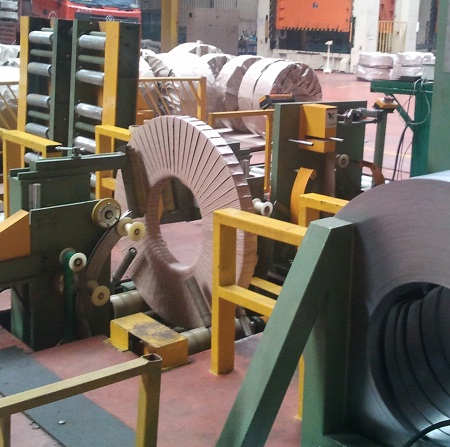
Yes, better wrapping, especially with industrial-grade coil wrapping technology adapted for panels, significantly protects boards and panels from damage. It creates a tight, secure, and uniform package that withstands the rigors of handling, transport, and storage, drastically reducing customer complaints and financial losses.
When I was first developing packing solutions, I quickly saw that protecting the product was paramount. It did not matter how good the product was if it arrived damaged. This is especially true for furniture panels. Even small scratches can mean a rejected order. It hurts your reputation. It costs you money. Manual wrapping, no matter how careful, often leaves weak spots. It can tear during transit. It can get loose. These vulnerabilities lead directly to product loss and unhappy customers. An automated system provides a consistent, robust protective layer. It acts like a shield.
Guarding Against Damage: From Factory to Customer
Product damage during transit is a major concern for any exporter. For Mexican furniture panels, which can be delicate on their edges and surfaces, robust packaging is essential. Automated wrapping systems are designed to provide this protection. They ensure your product reaches its destination in pristine condition.
Types of Damage Prevented by Superior Wrapping
- Surface Scratches and Abrasion:
- Manual wrapping might leave parts of the panel exposed. Or the film might be too loose. This allows friction during transport. It causes scratches. An automated wrapper applies film with controlled tension. It covers the entire surface evenly. This prevents direct contact with other surfaces or packaging materials. It creates a protective barrier.
- Edge Damage and Chipping:
- The edges of panels are very vulnerable. They can chip or get dented if hit during handling. Manual wrapping struggles to provide consistent edge protection. Our machines, drawing from coil wrapping principles, often feature reinforced wrapping patterns. They can also use specialized edge protectors or extra film layers around the edges. This greatly reduces impact damage. I always say, if it can protect a heavy steel coil’s edge, it can protect your panel’s edge.
- Moisture and Dust Penetration:
- If packaging is not fully sealed, moisture and dust can get in. This can damage the panel surface or warp the material. Manual wrapping often has gaps or poorly sealed overlaps. Automated stretch wrapping creates a tight, overlapping seal. This protects the product from environmental factors. It keeps dust out. It blocks moisture. This is vital for long-distance shipping.
- Shifting During Transit:
- If panels are not bundled tightly, they can shift inside the package. This leads to internal friction and impact. A properly tensioned machine wrap holds the panels together. It forms a stable unit. This prevents movement. It reduces the risk of damage caused by internal shifting.








