
Why Italy’s Steel Plants Are Upgrading to New Coil Strapping Machines?
Italian steel plants face tough competition globally. Many of them still use old packing methods. These old ways are slow. They cost a lot of money too. This slows down how much they can make. It also puts their workers at risk. Products can get damaged during packing. This means less money and upset customers. Upgrading to new coil strapping machines is a clear solution. It helps these plants fix these big problems.
Italian steel plants are upgrading to new coil strapping machines because they need to boost how much they make, improve worker safety, and cut down on costs. Older manual methods are not good enough for today’s fast, competitive market. New machines offer automation. They also reduce damage. And they make the whole packing process much safer.
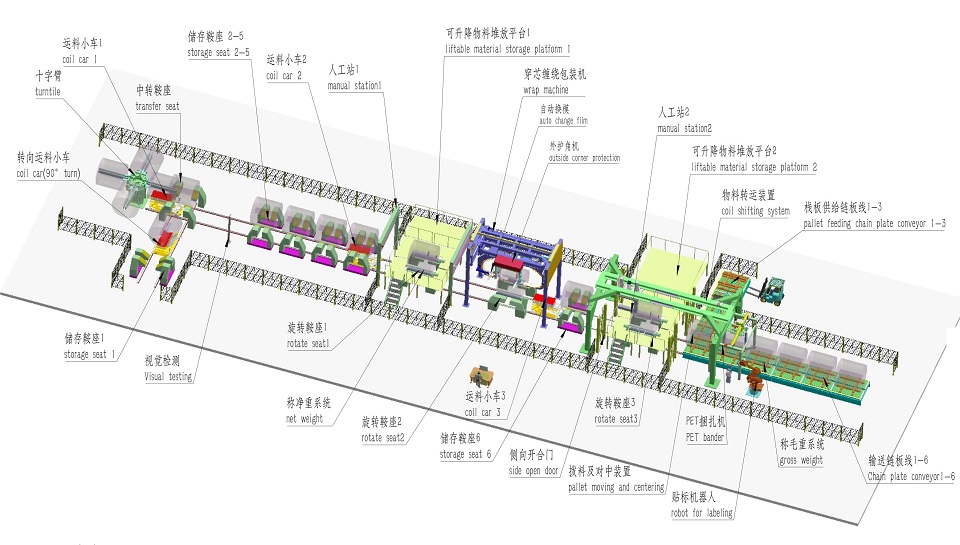
This move for change is happening all over Italy. Plant managers, like Michael Chen, know they must change. They see the clear benefits of modern packing solutions. Let’s look closely at why this change is so important. We will see the challenges they face. We will also see how new machines help them win.
Are Manual Packing Methods Holding Back Italy’s Steel Output?
Many Italian steel factories still use old ways to pack coils. Workers strap heavy coils by hand. This takes a lot of time. This manual work creates a big problem at the end of the line. Production lines stop. Deliveries get delayed. The whole factory slows down. Modern coil strapping machines offer a clear path forward. They boost speed and keep production moving.
Yes, manual packing methods severely limit how much output Italian steel plants can achieve. These slow, labor-intensive processes create big bottlenecks at the end of production lines. This leads to delays. It also reduces how efficient the whole factory is. New coil strapping machines automate this task. This lets factories handle more volume much faster.

Italian steel factories, much like the one Michael Chen manages, face constant pressure to increase output. Their older, manual strapping processes simply cannot keep up with today’s production demands. Workers move slowly. They get tired. This causes delays. It means fewer coils leave the factory each day. This is a huge problem for profit. When I started my own packing machine factory, I saw this firsthand. We had to make sure every step, especially the end-of-line packing, was as smooth as possible. A slow packing process means all the hard work done upstream, in melting and rolling, goes to waste.
The Hidden Costs of Slow Packing
Slow packing methods create many problems. They do more than just make the line slow. They increase labor costs. You need more workers to do the same job that one machine could do. They also create a longer lead time. This means customers wait longer for their orders. In today’s market, speed is everything. If you are slow, your competitors will get the business.
Automating the End-of-Line Bottleneck
Automated coil strapping machines fix these issues. They work much faster than people. They apply straps with consistent tension every time. This is important for product safety. These machines also work non-stop. They do not need breaks. This keeps the production flow smooth. It removes the bottleneck. This means more coils are packed and ready to ship.
Randal’s Insight: Building a Faster Flow
When I built my factory, efficiency was a top goal. I learned that every small delay adds up. For example, manual strapping might take five minutes per coil. An automated machine can do it in less than a minute. Over a day, week, or year, this difference is huge. It translates directly into more products out the door. More products mean more sales. This is a basic truth for any factory.
| Aspect | Manual Strapping | Automated Strapping |
|---|---|---|
| Speed | Slow, inconsistent | Fast, consistent |
| Labor Needed | High | Low |
| Throughput | Limited | High |
| Errors | Higher due to human factor | Lower, machine precision |
Can New Strapping Machines Make Steel Plants Safer Places to Work?
Handling heavy steel coils by hand is very dangerous. Workers can get hurt easily. This leads to many accidents. These injuries mean higher costs for insurance. Workers leave their jobs more often. The company might even get fines. Safety is a big worry for factory managers like Michael. New coil strapping machines take the heavy lifting away from people. This makes the workplace much safer for everyone.
Absolutely, new coil strapping machines make steel plants much safer. They reduce the need for workers to handle heavy and awkward coils by hand. This automation lowers the risk of back injuries, crush accidents, and other dangers. These dangers often come with old, manual strapping methods.

For factory managers, worker safety is not just a moral duty. It is also a major financial concern. Michael Chen knows this well. Manual handling of steel coils, which can weigh tons, creates many serious risks. Workers can strain their backs. They can drop heavy tools. They can get limbs crushed between coils. These accidents lead to high medical costs. They also lead to lost work days. Sometimes, skilled workers leave the company entirely after an injury. This adds to the cost. It also impacts the factory’s ability to operate.
Understanding the Dangers of Manual Handling
Think about a worker trying to secure a heavy steel coil. They use hand tools. They lean over the coil. They might even try to move it slightly. Each of these actions carries risk. A slip, a wrong move, or a sudden shift in the coil can cause a serious accident. These accidents often result in broken bones, muscle strains, or worse. The heavy weight of the coils makes any accident very dangerous.
How Automation Shields Workers
New coil strapping machines remove people from harm’s way. The machine handles the coil. It applies the strap. Workers simply monitor the process from a safe distance. This means no more heavy lifting. No more bending in awkward positions. No more direct contact with moving parts. This drastically reduces the chance of injury. It also improves the overall work environment. Workers feel safer. This leads to better morale. It also leads to less employee turnover.
The True Value of a Safe Workplace
A safer workplace has many benefits. It reduces insurance premiums. Fewer accidents mean fewer claims. It also creates a better reputation for the company. Workers want to work in a safe place. This helps attract and keep good employees. For me, safety was always first. A productive factory cannot run if its people are not safe. It just makes good business sense to invest in safety.
| Safety Risk | Manual Method | Automated Method |
|---|---|---|
| Back Strain/Injury | High, from lifting | Very Low, machine lifts |
| Crushing Injuries | High, from moving coils | Very Low, workers are away |
| Slips/Falls | Higher, due to manual work | Lower, less worker movement |
| Repetitive Strain Injury | High, from repeated actions | Very Low, machine does work |
How Do New Strapping Machines Boost Profitability for Italian Factories?
Old packing methods cause problems beyond just being slow. Products, like steel coil edges, often get damaged during packing. This damage means unhappy customers. They send products back. The factory loses money. High labor costs also eat into profits. Investing in new coil strapping machines solves these problems. They protect products. They also cut down on labor costs. This boosts the factory’s bottom line.
New coil strapping machines boost how much money Italian factories make. They do this by cutting labor costs. They also reduce product damage. They improve overall efficiency. Automating the strapping process means fewer workers are needed. Less material is wasted due to handling errors. Production speeds also increase. All of these things directly help the factory’s financial health.
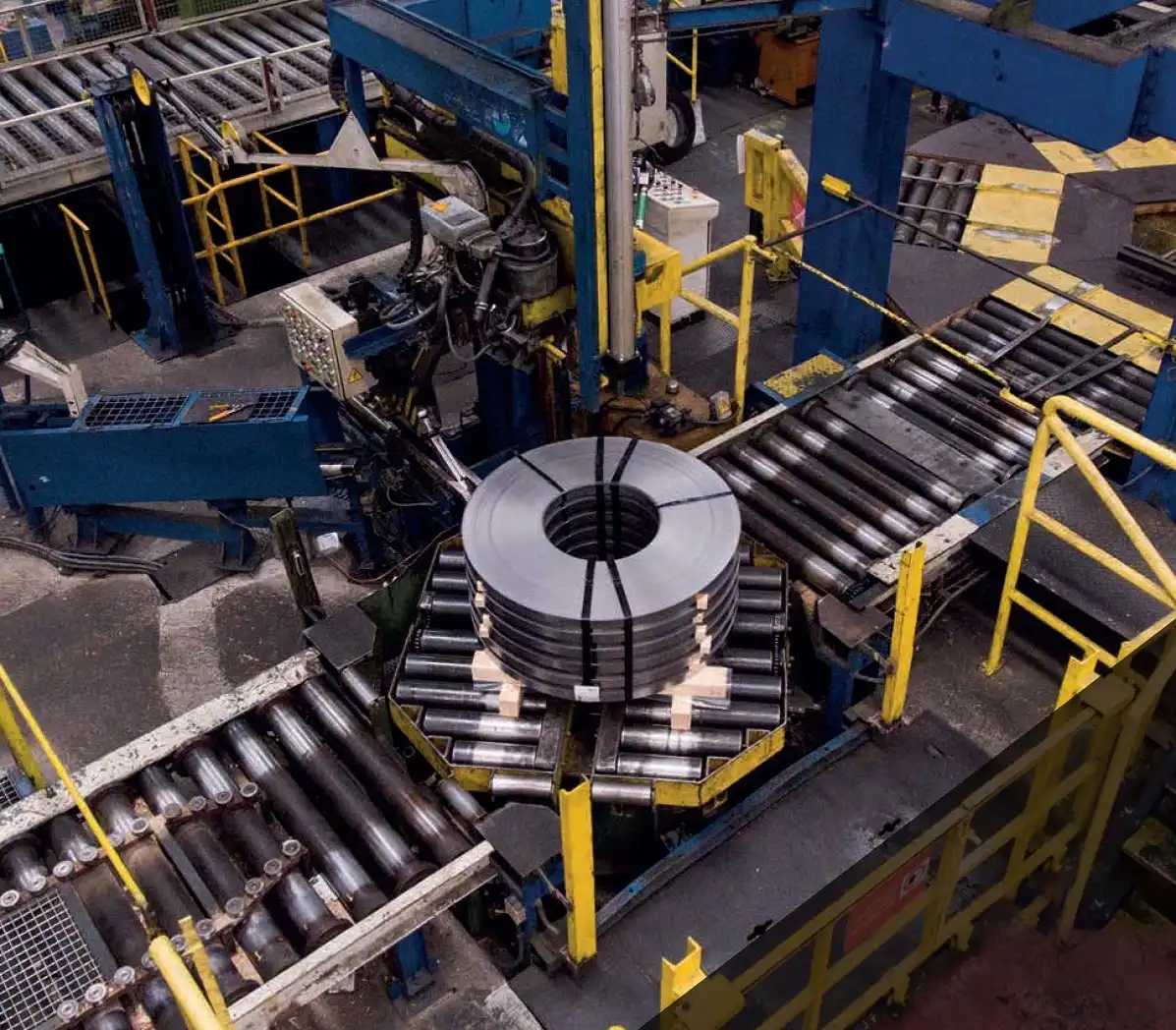
For a factory manager like Michael Chen, the bottom line is always important. He needs to see a clear return on investment (ROI) for any new equipment. New coil strapping machines offer a very good ROI. They save money in many ways. They make the whole operation more profitable. This is not just about making more products. It is also about losing less money and spending less money. My own journey to financial independence in the packing machine industry was deeply tied to understanding these financial levers. Every smart investment in equipment can lead to big savings over time.
Minimizing Product Damage: A Hidden Saving
When steel coils are handled manually, especially during strapping, damage can happen easily. Edges can bend. Surfaces can scratch. Even small damage can lead to customer complaints. This means products are returned. The factory must then rework or scrap them. This is pure loss. New machines apply straps with perfect tension. They hold the coil firmly. They also have systems to prevent scratches or dents. This means fewer damaged products. Fewer returns mean more profit. It also means happier customers.
Labor Cost Reduction: A Direct Impact
Manual strapping requires several workers. These workers need wages, benefits, and training. An automated strapping machine can do the work of many people. This allows the factory to use those workers in other, more valuable parts of the production process. Or, it can reduce the overall labor force needed for packing. This is a direct saving on payroll. Over months and years, these labor savings add up to huge amounts. Michael Chen’s goal is to reduce costs. This is one of the biggest ways new machines help.
Randal’s View: Making Smart Investments Pay Off
When I was building my factory, I learned that good equipment is not an expense. It is an investment. The upfront cost might seem high. But the savings in labor, reduced waste, and increased output quickly pay for the machine. I always looked for ways to make the factory run leaner and smarter. Automated strapping machines are a prime example of such a smart investment. They help the factory reduce its operational costs. This makes the factory stronger and more competitive.
| Area of Impact | Manual Method Cost/Loss | Automated Method Savings |
|---|---|---|
| Labor | High wages, benefits | Significant reduction |
| Product Damage | Frequent, leads to returns | Minimal, higher quality |
| Customer Complaints | Common | Rare |
| Insurance | Higher due to worker risk | Lower due to safer ops |
| Material Waste | Higher | Lower |
Why Are Italian Managers Seeking Partners, Not Just Suppliers?
Many Italian factories have bought machines from suppliers who only care about the sale. They give poor service after the sale. This leaves factory managers frustrated. Machines break down. Production stops. They feel stuck with no real support. Managers like Michael now look for true partners. They want experts who understand their daily problems. They also want ongoing help.
Italian factory managers are seeking partners, not just suppliers. They have experienced bad after-sales service. They also felt a lack of real understanding from past equipment vendors. They need a partner who can offer real insights. This partner should solve complex production issues. They must also provide reliable, long-term support beyond the first purchase.

Michael Chen’s past experiences with equipment suppliers are very common. Many companies just want to sell you a machine. After the sale, they disappear. When a problem comes up, you are on your own. For a factory, a broken machine means lost production. It means lost money. This is why Italian managers are changing how they buy equipment. They want a relationship built on trust and shared goals. They need someone who truly understands their operations. They need someone who can give expert advice.
The Pitfalls of Sales-Only Relationships
A supplier who only focuses on sales can cause big problems. They might sell you a machine that is not the best fit for your needs. They might promise things they cannot deliver. Most importantly, they do not offer strong support after you buy. If the machine breaks down, you might wait days or weeks for help. This downtime is extremely costly for a steel plant. It hurts your business. It also hurts your trust in that supplier.
What a True Partner Offers
A true partner is different. They listen to your specific problems. They look at your whole production line. They offer solutions that truly fit your factory. They also provide excellent after-sales service. This includes quick repairs. It includes training for your staff. It includes help with optimizing the machine’s use. They are there for the long run. They want your factory to succeed, not just sell you one machine. They act as a consultant. They share knowledge.
My Journey: From Factory Floor to Trusted Advisor
My own journey in the packing machine industry started as an employee. I worked on the factory floor. I saw the problems firsthand. Later, I built my own successful factory. This gave me deep knowledge of what makes a factory run well. It also showed me what managers like Michael need. I achieved financial independence because I helped my clients grow their businesses. Now, through FHOPEPACK, I share this knowledge. I want to be that trusted partner. I want to help others succeed. It is not just about selling machines. It is about sharing expertise and building a better industry together.
| Aspect | Mere Supplier | True Partner |
|---|---|---|
| Focus | Selling the machine | Solving your problems |
| Relationship | Transactional | Long-term, collaborative |
| Support | Limited, reactive | Proactive, comprehensive |
| Expertise | Product-specific | Industry-wide, operational |
| Goal | Your purchase | Your long-term success |
Conclusion
Italian steel plants are embracing new coil strapping machines for better efficiency, safety, and profit. Choosing the right partner is key to unlocking these benefits and building a stronger future.








