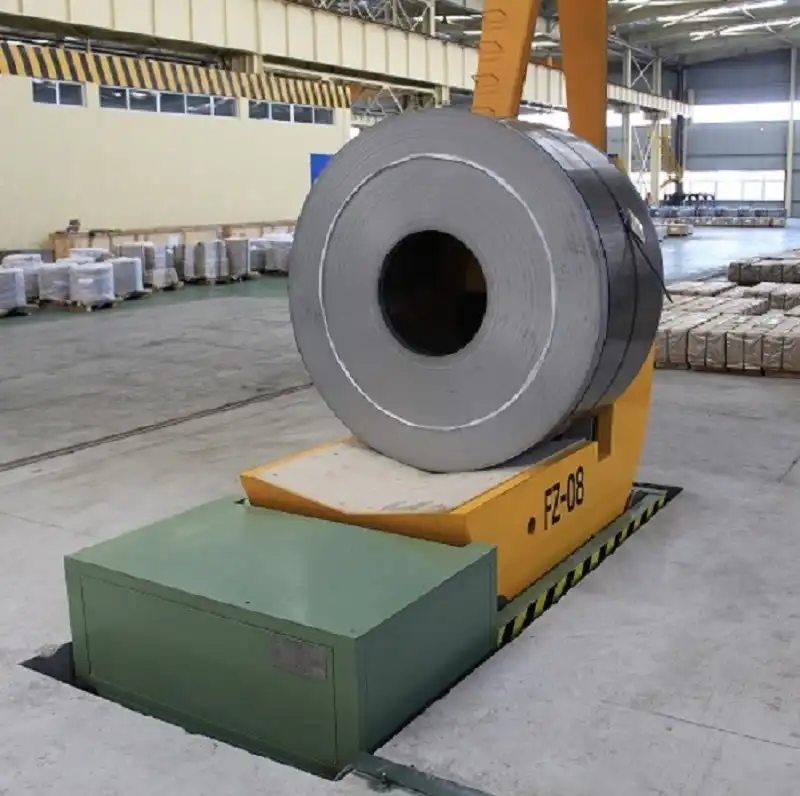
Why Is Seamless MES/ERP Integration a Must-Have for European Coil Upenders?
European factories operate under intense pressure. High labor costs, strict safety regulations, and the constant demand for peak efficiency are daily realities. For any plant handling heavy materials like steel coils or wire, manual processes are a major roadblock. They are slow, risky, and incredibly expensive. Imagine your production line grinding to a halt because of a bottleneck in coil handling. Think about the risk of worker injuries from moving heavy coils, or the frustration of seeing valuable product damaged during internal transfers. These issues do not just slow you down; they directly hit your bottom line. Modern coil upenders offer a powerful solution, but their true potential only unlocks when they are part of a larger, seamlessly integrated system.
Seamless MES/ERP integration is crucial for European coil upenders because it creates a unified flow of information from the factory floor to high-level business planning. This connection automates workflows, improves data accuracy, ensures compliance with strict regulations, and optimizes resource use. The result is significantly higher efficiency and safety in demanding European manufacturing environments, turning potential losses into profits.
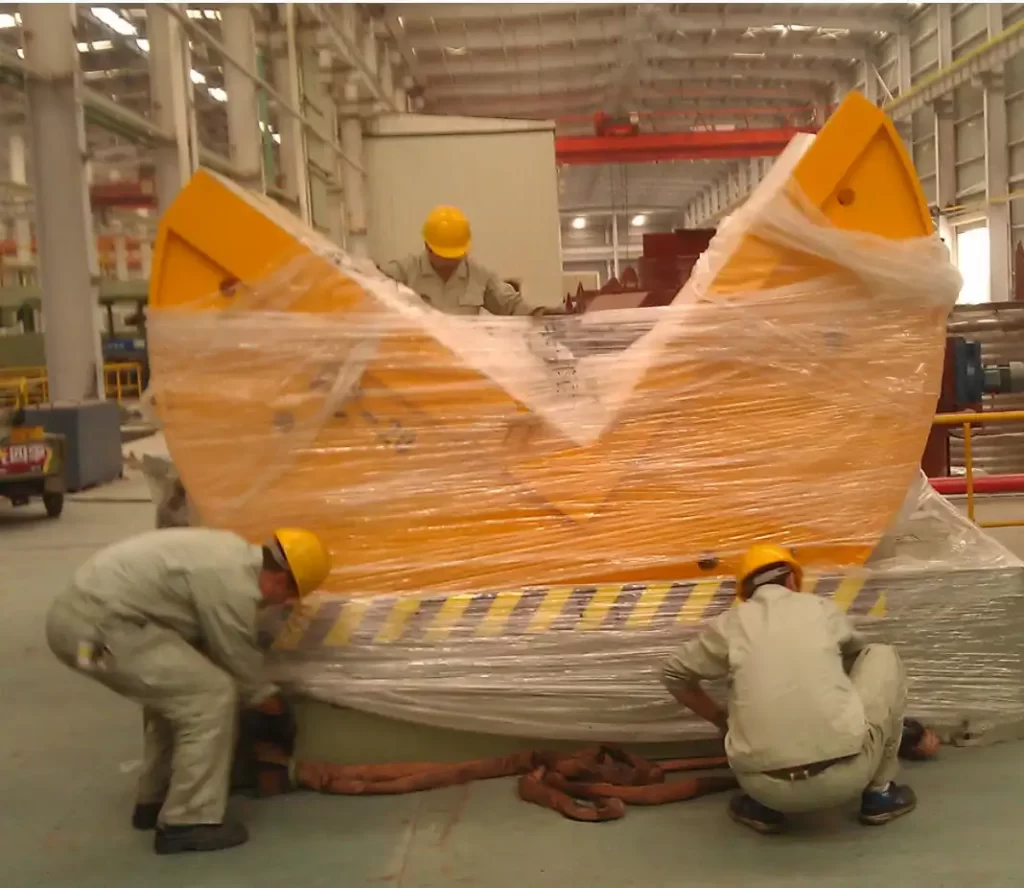
This concept of integration might sound simple, but many factory managers I talk to miss the full picture. They see the upender as a standalone machine. I know from my own journey, building my packing machine factory, that true growth comes from connecting every part of your operation. Let’s dig deeper into how this integration transforms European operations, moving beyond basic machine functionality to a truly smart factory.
How Does Integration Boost Efficiency and Throughput for Coil Production?
Are your coil packing lines slowing down your entire factory? Do you find that manual data entry creates endless errors and delays? These issues are common, especially in heavy industries across Europe. They are real bottlenecks. They stop your entire production flow.
Seamless MES/ERP integration for coil upenders directly improves efficiency. It does this by automating data flow. It synchronizes production schedules. It also greatly reduces the need for manual work. This process eliminates bottlenecks. It speeds up the entire coil handling process. This includes everything from receiving raw materials to shipping finished products.

I have seen firsthand how much difference a connected system can make. When I started my packing machine factory, every step was important. Every delay cost money. Michael, the factory manager in Mexico, faces similar challenges. His factory handles large volumes of steel coils and wires. He knows that slow packing processes hurt his overall production and delivery times. An integrated system tackles this head-on.
Streamlined Data Exchange
An integrated system means your coil upender does not just operate; it communicates. It shares real-time data with your MES and ERP. This data includes the number of coils processed, their weight, their dimensions, and their status. This information flows automatically. There is no need for someone to write it down or type it into a computer. This cuts out human error. It also ensures that your inventory records are always accurate. Your production schedules stay updated.
Automated Workflow Management
When your coil upender is connected, it receives instructions directly. It can get these from the MES or ERP system. For example, the system can tell the upender which coil to process next. It can also tell it where to place the coil. This automation means less time spent waiting. It means less time spent on manual setup. It makes the entire process faster and more predictable. It helps factories meet tight European delivery schedules.
Enhanced Throughput and Capacity
By removing manual steps and improving data flow, you speed up your entire operation. A coil upender might take only a few seconds to flip a coil. But if the data transfer takes minutes, or if someone needs to manually scan a barcode, that adds up. Integration makes these secondary tasks instant. This means more coils can be processed per hour or per shift. This directly increases your factory’s output capacity. It helps factories like Michael’s handle high volumes. It also makes sure products move quickly from production to shipping.
| Feature | Manual Process Drawback | Integrated System Benefit |
|---|---|---|
| Data Entry | Errors, delays, labor | Automatic, real-time, accurate |
| Scheduling | Manual updates, mistakes | Dynamic, optimized, instant synchronization |
| Material Tracking | Slow, prone to loss | Real-time location, status, quantity tracking |
| Production Reporting | Lagging, inconsistent | Immediate, consistent, actionable insights |
| Bottleneck Resolution | Reactive, costly | Proactive identification, automated adjustments |
Can Integrated Systems Truly Improve Workplace Safety and Compliance?
Are you constantly worried about worker injuries from handling heavy coils? Do safety regulations feel like an endless burden? These are not small concerns. They affect your people and your budget. Michael Chen knows this. He faces extremely high risks of injury due to manual handling of heavy items. This leads to high insurance costs and employee turnover.
Integrated MES/ERP systems significantly enhance workplace safety. They do this by automating hazardous tasks. They provide real-time safety alerts. They also ensure compliance with strict European regulations. These systems minimize human interaction with heavy coils. This reduces accident risks. It also lowers insurance costs. They create a safer work environment for everyone.

When I first started FHOPEPACK, safety was always a top priority. I knew that even one serious injury could devastate a team and a business. For a factory handling heavy steel coils, safety is not just a nice-to-have; it is a critical operational need. European Union directives on machinery safety and worker protection are very strict. Companies must follow them. Integrated systems help achieve this without adding more work. They simplify compliance.
Reducing Manual Handling Risks
The most direct safety benefit comes from automation. Coil upenders are designed to handle heavy loads. They can flip coils that weigh many tons. Before these machines, workers would use chains or forklifts in risky ways. They would try to flip these heavy objects. This was dangerous. It often led to crushed limbs or back injuries. An integrated upender system means a worker simply initiates the process with a button or software command. The machine does the heavy lifting. This dramatically reduces direct human exposure to hazardous operations. It directly addresses Michael’s concern about high injury risks.
Real-time Safety Monitoring and Alerts
An MES/ERP system can monitor the upender’s operation in real time. It can check for unusual vibrations or loads. It can check if safety gates are open. If a problem occurs, the system can immediately stop the machine. It can send alerts to supervisors. This proactive monitoring prevents accidents before they happen. It ensures that the machine only operates under safe conditions. It also helps with maintenance. It can flag issues that might lead to a breakdown, which could be dangerous.
Automated Compliance Reporting
European factories must keep detailed safety records. This includes machine usage, maintenance logs, and incident reports. An integrated system can automatically collect this data. It can generate reports needed for audits. This makes compliance easier. It reduces the administrative burden. It also ensures that all required information is accurate and readily available. This helps factories demonstrate their commitment to safety. It also helps them avoid penalties. This is especially important for multi-national operations.
| Safety Aspect | Manual Process Risk | Integrated System Benefit |
|---|---|---|
| Heavy Lifting | Musculoskeletal injuries, crushing | Machine handles all heavy loads, no human contact |
| Operator Error | Misjudgments, improper procedures | Automated cycles, error-proofing, guided operation |
| Hazard Monitoring | Manual checks, delayed response | Real-time sensors, instant alerts, auto-shutdown |
| Compliance | Manual record-keeping, audit challenges | Automated logging, consistent reporting, easy audit |
| Training | High cost, inconsistent application | Standardized procedures, less specialized training |
What Financial Benefits Does MES/ERP Integration Bring to European Factories?
Are high operating costs eating into your profits? Is product damage an accepted loss, not a problem to fix? Many European manufacturers face these issues. They directly impact competitiveness. Michael, in his factory, works to boost output while keeping costs low. He knows that every piece of damaged product is lost money. Every minute of downtime is also lost money.
MES/ERP integration for coil upenders delivers clear financial returns. It does this by cutting labor costs. It minimizes product damage. It also improves resource utilization. This results in a strong return on investment (ROI). It leads to better cash flow. It creates a more competitive position in the European market. It turns expenses into strategic investments.

I remember when I was building my own factory. Every dollar counted. I needed to ensure that any investment I made would pay for itself and then some. This is exactly how I approach helping FHOPEPACK’s clients. Investing in advanced equipment like a coil upender is one thing. Making sure it integrates seamlessly to multiply its value is another. This is where the real financial power lies, especially for large-scale operations in a high-cost region like Europe.
Reduced Labor Costs
The most obvious financial benefit is the reduction in manual labor. In Europe, labor costs are high. Replacing risky, labor-intensive manual coil handling with an automated upender reduces the need for multiple workers. These workers can then be redeployed to other, more skilled tasks. This does not always mean layoffs. It often means a more efficient use of your existing workforce. Over time, this saves a huge amount of money in wages, benefits, and training. It also reduces costs related to worker turnover.
Minimized Product Damage
Michael’s factory experiences product damage, like bent coil edges. This leads to customer complaints and lost profits. Manual handling, even with forklifts, carries a high risk of damaging heavy, delicate coils. An integrated coil upender performs these flips precisely. It does this every time. The machine moves the coil smoothly. It does not drop it. It does not hit it. This drastically reduces damage. Fewer damaged products mean less scrap. It means fewer reworks. It means happier customers. This directly impacts your bottom line. It protects your profit margins.
Optimized Resource Utilization and Energy Efficiency
An MES/ERP system can optimize how your upender runs. It can schedule its operations to match power availability. It can also schedule it based on other machine usage. This can reduce peak energy consumption. It can lower your electricity bills. The system also ensures that the upender is used efficiently. It runs only when needed. It does not sit idle. It does not consume power unnecessarily. This smart scheduling and resource management add up to significant savings. It makes your operations more sustainable.
Improved Inventory Management and Reduced Holding Costs
Integration provides real-time visibility into your inventory. You know exactly where each coil is. You know its status. This means you can manage your raw materials and finished goods better. You can reduce excess inventory. You can minimize holding costs. You can prevent stockouts. This optimized inventory flow frees up capital. It improves your cash flow. It also reduces the need for large storage spaces.
| Financial Aspect | Manual/Unintegrated Cost | Integrated System Benefit |
|---|---|---|
| Labor Expense | High wages, benefits, risks | Reduced headcount, re-allocation of skilled labor |
| Product Damage/Scrap | Reworks, customer complaints, losses | Minimal damage, higher yield, improved customer satisfaction |
| Energy Consumption | Unoptimized usage, peak charges | Smart scheduling, reduced power consumption |
| Inventory Holding | Excess stock, storage costs | Real-time tracking, optimized levels, freed capital |
| Maintenance & Downtime | Reactive, costly repairs | Predictive maintenance, minimized unplanned stoppages |
Conclusion
Seamless MES/ERP integration for European coil upenders is not just an upgrade; it is a necessity. It boosts efficiency, enhances safety, and drives significant financial gains, transforming factories for sustainable success.