

Why Is Hydraulic Control the Best Choice for Heavy Mold and Die Turning?
Are you still manually flipping heavy molds and dies in your factory? I see this often, especially in places like Mexico where skilled labor is abundant but efficiency and safety are becoming critical. This outdated process not only slows down your production but also puts your workers at serious risk. The constant worry about injuries, damaged products, and bottlenecks keeps many factory managers, like Michael Chen, up at night.
Hydraulic control is the best choice for heavy mold and die turning because it offers unparalleled safety, precision, and efficiency, directly addressing the core challenges of manual handling in industrial settings. Its robust power systems allow for smooth, controlled rotation of extremely heavy loads, minimizing human intervention and preventing costly damage, making it ideal for the demanding environments of metal processing and heavy manufacturing.


As someone who built a factory from the ground up, I understand the need for reliable solutions. You want equipment that works, protects your team, and helps your business grow. Let’s look at why hydraulic turning equipment is not just an option, but a necessity for modern heavy industries.
1. Why Hydraulic Systems Offer Unmatched Safety for Heavy Turning Operations?
Think about the dangers of flipping a multi-ton mold by hand or with makeshift tools. The risk of crushing injuries, strains, or even fatalities is very real. These incidents lead to high insurance costs and staff turnover, creating a cycle of worry for managers like Michael.
Hydraulic systems offer unmatched safety for heavy turning operations by completely eliminating direct human contact with heavy loads during rotation. They provide smooth, controlled movement, precise stopping capabilities, and built-in overload protection, drastically reducing the risk of accidents and ensuring a much safer working environment for factory personnel.
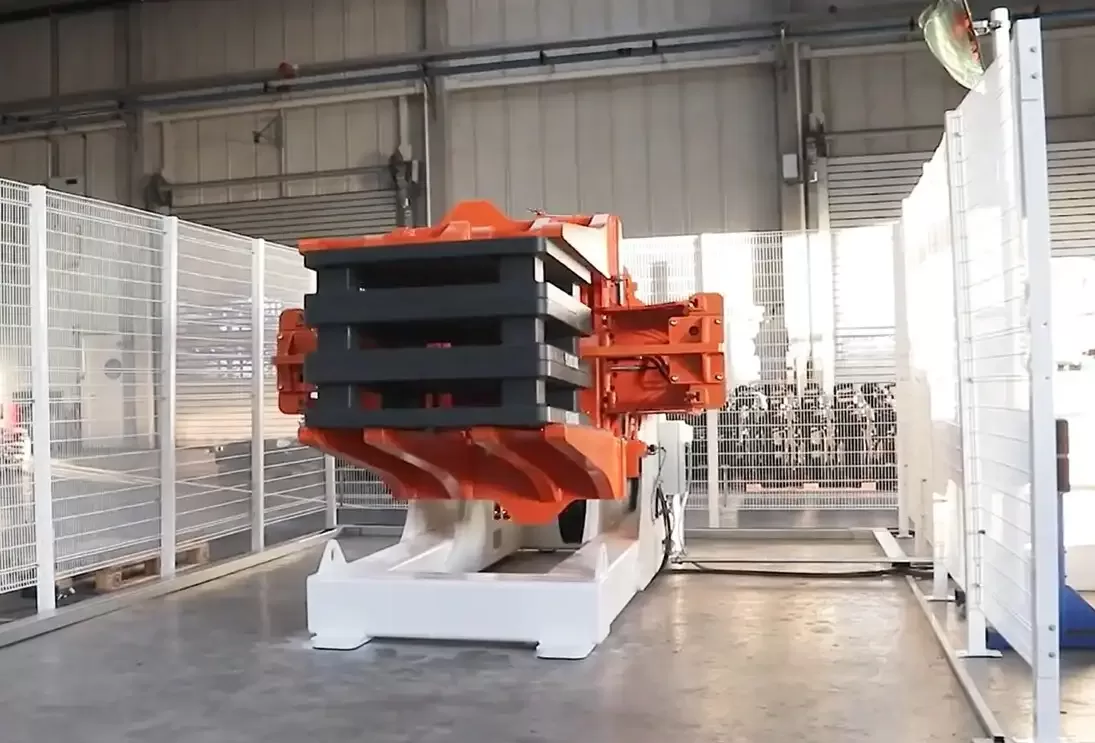

Eliminating Manual Handling Risks
Manual handling of heavy molds involves significant risks. Workers often use cranes, chains, or even brute force. This can lead to severe injuries. These injuries include crushed limbs, back strains, and falls. Hydraulic systems remove workers from the immediate danger zone. They handle the physical strain. Operators control the turning process from a safe distance. This setup reduces worker fatigue. It also lowers the chance of human errors. Less manual contact means fewer industrial accidents. (worker safety, manual handling risks, industrial accidents)
Precision and Control
Hydraulic systems provide very fine control over movement. Operators can adjust the speed and angle of the turn. This means smooth starts and stops. There are no sudden jolts. The mold turns in a controlled way. It stops exactly where it needs to be. This precise positioning is important for maintenance. It is also good for integrating molds into other machines. This controlled movement protects both workers and the valuable mold. (precision turning, controlled rotation, exact positioning, hydraulic control systems)
Built-in Safety Features
Hydraulic tilters come with essential safety features. They have pressure relief valves. These prevent overloading the system. This stops damage to the machine. It also prevents accidents. Emergency stop buttons are easy to reach. They immediately halt all movement. Interlocks prevent operation if safety guards are not in place. This ensures workers are protected. The equipment itself is built to be strong. It can withstand heavy industrial use. These features improve overall factory safety. (safety mechanisms, overload protection, emergency stop, industrial safety standards)
| Safety Aspect | Manual Method | Hydraulic System |
|---|---|---|
| Injury Risk | High (crushing, strain) | Very Low (remote operation) |
| Product Damage | Moderate to High | Very Low (smooth movement) |
| Operator Fatigue | High | None |
| Control Level | Low (prone to human error) | High (precise, consistent) |
| Compliance | Difficult to maintain | Easier to meet safety regulations |
2. How Does Hydraulic Control Boost Efficiency and Productivity in Die Turning?
In a busy factory, every minute counts. Manual mold turning is a huge bottleneck. It takes too long. It needs multiple people. This often causes delays down the line. It slows down your entire production. It also impacts delivery schedules. Michael wants to improve these numbers.
Hydraulic control boosts efficiency and productivity in die turning by automating the process, dramatically reducing cycle times compared to manual methods. It requires fewer operators, ensures consistent and faster rotations, and allows for seamless integration into existing production lines, thereby eliminating bottlenecks and increasing overall throughput for heavy manufacturing operations.
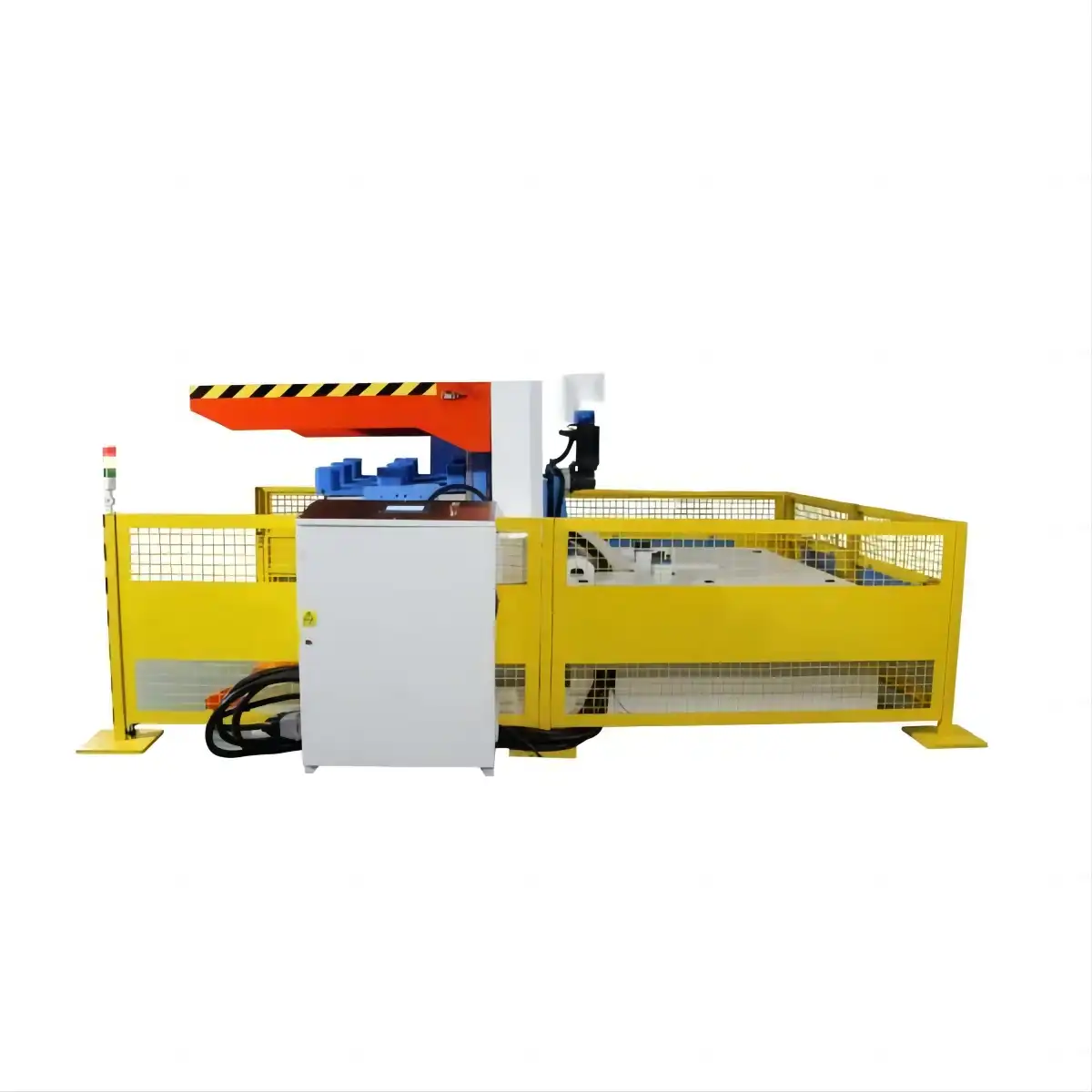

Faster Cycle Times
Manual mold turning is slow. It needs many workers. Hydraulic tilters can rotate heavy objects quickly. They do it smoothly. This reduces the time needed for each turn. It also shortens setup times. Overall, the production cycle gets faster. This means more molds processed each day. It directly increases a factory’s output. 🚀 (faster production, reduced cycle time, high throughput)
Reduced Labor Dependency
A hydraulic system needs just one operator. This person manages the process from a control panel. This is much less than the multiple workers needed for manual turning. It frees up skilled workers. They can do other important tasks. This helps if there are not enough workers. It makes better use of your team. It also lowers labor costs. 💰 (labor cost reduction, automated handling, reduced workforce)
Consistent Performance
Manual turning is not always the same. It changes based on the person doing the work. Hydraulic systems perform the task perfectly every time. Each turn is consistent. This leads to a predictable process flow. It helps maintain product quality. You can count on the same good result. This consistency is key for efficient manufacturing. ✅ (consistent quality, predictable operations, reliable performance)
Seamless Integration and Automation Potential
Hydraulic tilters are easy to add to existing production lines. They are ready for more automation. You can add sensors. You can use PLC control. This helps factories move towards smart manufacturing. It supports your goals for automation. This equipment becomes a strong part of your factory system. It makes the whole operation more modern. 🔌 (industrial automation, production line integration, smart factory, automated material handling)
3. What Makes Hydraulic Tilters the Most Reliable Choice for Protecting Valuable Molds?
Imagine a brand new, expensive die getting scratched or dented during a routine flip. This is a real problem. Product damage means rework. It means scrap material. It also leads to angry customers. This hits your bottom line hard. Michael understands this pain very well.
Hydraulic tilters are the most reliable choice for protecting valuable molds because their controlled and smooth movements prevent impacts, scrapes, or sudden drops that typically cause damage with less precise methods. They distribute weight evenly, minimize stress points, and securely hold the mold throughout the turning cycle, ensuring the integrity of even the most delicate or costly tooling in demanding industrial environments.
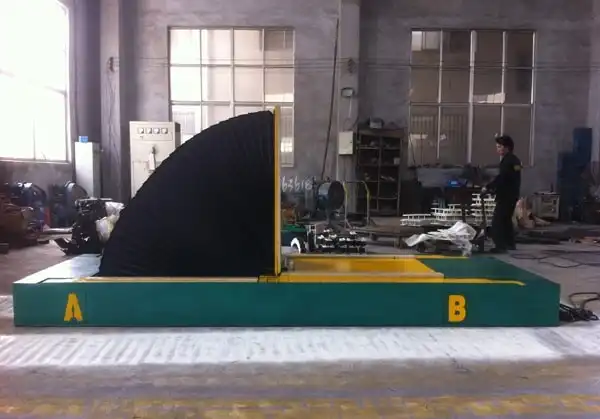

Gentle and Controlled Movement
Manual methods often involve sudden movements. Molds can drop. They can scrape against the floor or other equipment. This causes significant damage. Hydraulic power gives smooth acceleration and deceleration. There are no shock loads. There are no sudden shifts. This is very important for large molds. It is also vital for delicate or high-value molds. Gentle handling prevents costly repairs or replacements. 🛡️ (mold protection, gentle handling, controlled motion, damage prevention)
Even Weight Distribution and Secure Clamping
Hydraulic systems lift and turn molds evenly. This prevents uneven weight distribution. Uneven weight can warp or break molds. They ensure the load is balanced. Many hydraulic tilters also have clamping mechanisms. These hold the mold securely during the turn. This prevents any shifting. It keeps the mold stable. This extra security maintains mold integrity. (even load distribution, secure gripping, mold integrity, heavy duty clamping)
Durability in Harsh Environments
Hydraulic components are very strong. They are built for heavy industrial use. They can work well in places with dust and grime. They handle heavy loads without problems. They are less likely to break down than mechanical systems. They last a long time. This means less downtime for repairs. It also saves money on maintenance. This durability makes them reliable. 💪 (industrial durability, robust equipment, harsh environment, low maintenance)
Reducing Wear and Tear on Molds
Every time a mold is handled roughly, it suffers wear and tear. Small impacts add up over time. This shortens the mold’s life. Hydraulic tilters handle molds softly. They reduce physical stress on the mold. This helps the molds last longer. It protects your investment in expensive tooling. Your molds remain in good condition for more production cycles. (tooling lifespan, asset protection, mold longevity, maintenance cost savings)
4. How Can Choosing Hydraulic Solutions Lead to Significant Cost Savings and ROI?
Every investment in your factory needs to make financial sense. Michael wants a clear ROI. Manual processes come with hidden costs. These include high labor expenses. They also have insurance premiums from injuries. The expense of product damage is another factor. These costs eat into your profits.
Choosing hydraulic solutions for mold and die turning leads to significant cost savings and a strong ROI by reducing reliance on manual labor, minimizing expensive product damage, decreasing worker compensation claims, and extending the lifespan of valuable molds. The initial investment is quickly offset by increased operational efficiency and a more secure working environment, directly boosting a factory’s overall profitability.
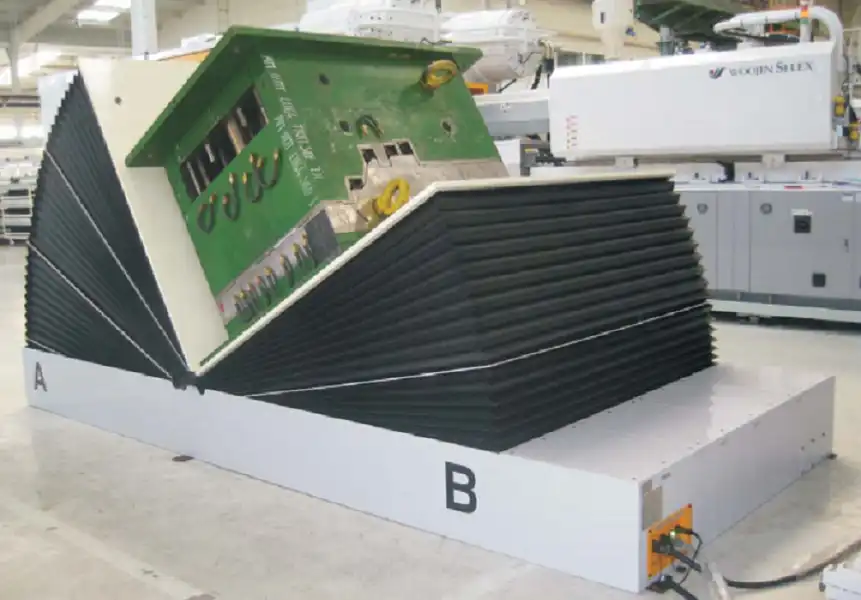

Direct Labor Cost Reduction
A hydraulic system usually needs only one operator. Manual turning often needs several people. This difference in staff means big savings on labor costs. You can reduce overtime. You need fewer people for this specific task. This directly lowers your payroll expenses. It makes your operations more cost-effective. (labor cost efficiency, operational savings, reduced headcount, payroll reduction)
Lower Insurance and Injury Costs
Fewer accidents happen with hydraulic systems. This leads to lower worker’s compensation insurance premiums. It also reduces lost workdays. Fewer injuries mean less time away from work for your employees. This improves productivity. It also boosts employee morale. Your team feels safer. This helps retain good workers. (industrial insurance savings, injury prevention, worker’s compensation, employee retention)
Minimized Product Damage and Scrap
Hydraulic handling prevents costly mold damage. It avoids scratches and dents. This means less need for mold repairs. It also reduces the need to replace molds. Fewer products get damaged during handling. This means fewer rejected items. It leads to fewer customer complaints. All these factors directly protect your profit margins. (scrap reduction, product quality improvement, material loss prevention, profit margin increase)
Extended Mold Lifespan
Gentle handling by hydraulic systems protects your molds. It prevents premature wear and tear. This extends the useful life of your expensive tooling. You do not need to buy new molds as often. This saves a lot on capital expenditure. It means your initial investment in molds lasts longer. This also contributes to a better return on investment over time. (tooling lifespan extension, asset protection, capital expenditure reduction, long-term investment)
| Cost Category | Manual Process (Annual Est.) | Hydraulic System (Annual Est.) | Savings / ROI Factor |
|---|---|---|---|
| Labor | $50,000 (2 operators) | $10,000 (1 operator, part-time) | 80% Reduction |
| Product Damage | $15,000 | $1,000 | 93% Reduction |
| Injury/Insurance | $10,000 | $1,000 | 90% Reduction |
| Maintenance | $3,000 (wear & tear) | $2,000 (planned) | 33% Reduction |
| Total Savings | ~$64,000 Annually |
Conclusion
Investing in hydraulic turning solutions transforms heavy mold handling, boosting safety, efficiency, and profits. For your heavy-duty industrial needs, trust FHOPEPACK, also known for our coil wrapping machine expertise.












