
Why Is a Hydraulic Upender Critical for Protecting Panels, Boards, and Sheets?
Working in manufacturing, I understand the constant pressure to optimize production, control costs, and keep workers safe. I’ve seen countless factories struggle with inefficient, risky manual handling of heavy panels, boards, and sheets. This often leads to damaged goods, lost profits, and preventable injuries. It is a problem that causes real headaches for factory managers like Michael Chen, who need reliable solutions to keep their operations running smoothly.
A hydraulic upender is critical for protecting panels, boards, and sheets because it eliminates manual handling risks, significantly reduces material damage during rotation and transfer, and enhances overall operational safety and efficiency in industrial environments. By providing controlled, mechanized flipping, upenders ensure that delicate or heavy materials are moved precisely, preventing costly product loss and workplace injuries.
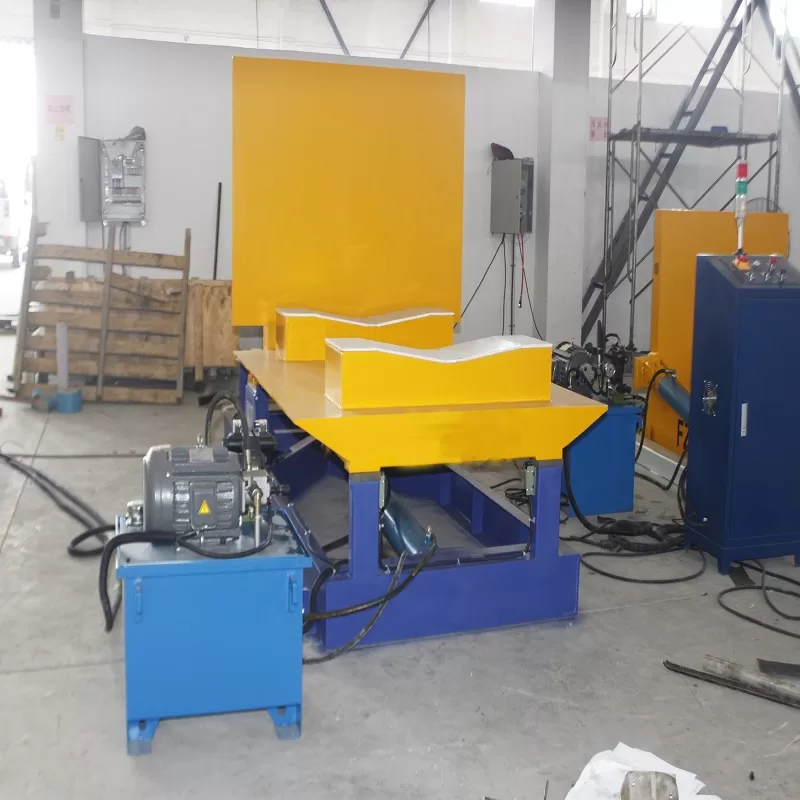
If you are looking for ways to streamline your production, protect your valuable materials, and create a safer workplace, then understanding the vital role of hydraulic upenders is your next step. Let me explain how this essential equipment can transform your factory operations, much like it has for many of the businesses I’ve helped.
1. How Do Manual Handling Methods Jeopardize Worker Safety and Product Integrity?
Imagine your workers straining to flip a heavy steel coil or a large, awkward panel. This scenario is a daily reality in many factories. The problem is clear: relying on manual labor for heavy lifting and precise rotation of materials like steel coils or wooden boards creates significant risks. It is not just inefficient; it is dangerous. The constant heavy lifting, twisting, and repositioning required when handling large, bulky items by hand puts immense stress on the human body. This leads to a high incidence of musculoskeletal injuries, such as back strains, shoulder injuries, and repetitive motion disorders, which can sideline experienced employees and inflate workers’ compensation costs.
Manual handling methods jeopardize worker safety through direct physical strain and accident risks, and compromise product integrity due to uncontrolled movements, drops, or impacts, which collectively lead to increased operational costs and reduced product quality.
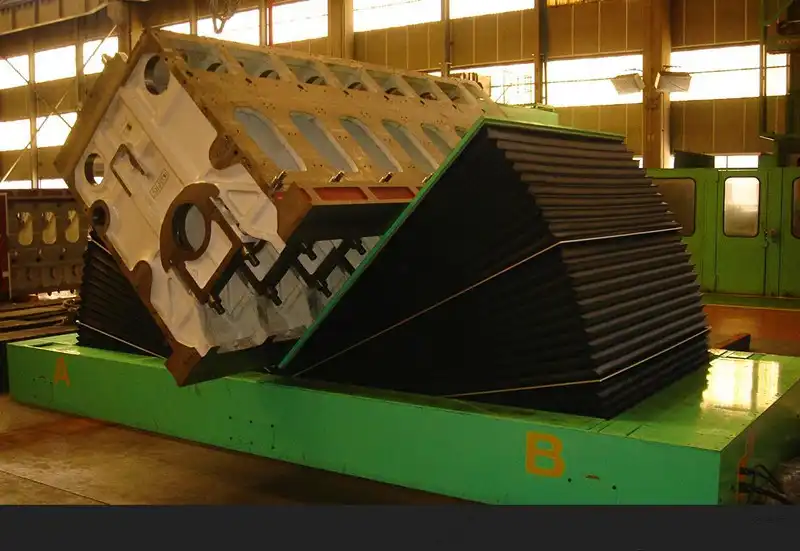
In my experience, watching employees struggle with heavy, unwieldy objects was a common sight before automation. This struggle directly impacts worker morale and productivity. When workers fear injury, their focus shifts from efficiency to safety, slowing down processes. Moreover, the lack of control during manual flips can lead to product damage. A dropped corner, a dented edge, or a scratched surface on a finished panel means rework, scrap, or even customer rejection. This is a direct hit to your bottom line. We have seen how a single incident of product damage can erode profits and customer trust. A factory manager like Michael Chen, who is committed to operational excellence, cannot afford these risks. The reliance on manual methods is a costly compromise, often creating more problems than it solves in the long run.
The Hidden Costs of Manual Material Handling
When we talk about manual handling, we are not just talking about the obvious labor costs. There are many hidden financial and operational costs that accumulate over time. These issues are often overlooked until they become critical bottlenecks.
-
Injury-Related Expenses:
- Medical Treatment: Direct costs for treating injuries.
- Worker’s Compensation: Increased premiums and payouts.
- Lost Productivity: Injured workers are off the job, requiring others to cover their tasks or new hires to be trained.
- Legal Fees: Potential lawsuits stemming from workplace accidents.
- Employee Morale: A dangerous workplace lowers morale, leading to higher turnover rates and difficulty attracting skilled labor.
- Example: A factory in Mexico faced a 15% increase in worker’s compensation claims last year, directly attributed to manual handling of heavy steel sheets. This financial burden was a huge wake-up call for their management team.
-
Product Damage and Waste:
- Scrap and Rework: Damaged materials require repair or disposal, wasting raw materials and labor.
- Quality Control Issues: Inconsistent handling can lead to varying product quality, impacting brand reputation.
- Customer Returns/Complaints: Customers receive substandard products, leading to returns, lost sales, and damaged relationships.
- Reduced Profit Margins: Every damaged item eats into the profitability of your operation.
- Consider this: When I was building my own packing machine factory, I saw how a single scratch on a finished coil could cost hundreds of dollars in lost value. Preventing this kind of damage became a core focus for my clients, highlighting the need for controlled handling.
-
Operational Inefficiencies:
- Slower Production Speeds: Manual processes are inherently slower than automated ones.
- Increased Labor Hours: More workers are needed to perform tasks that could be done by one machine.
- Ergonomic Challenges: Awkward postures and repetitive tasks reduce worker speed and accuracy over time.
- Space Constraints: Manual handling often requires more floor space for maneuvering and staging compared to compact automated systems.
- 💡 Insight from FHOPEPACK: We have observed that factories often underestimate the time employees spend preparing for and executing manual flips. This “dead time” quickly adds up, impacting overall throughput.
-
Table: Comparison of Manual vs. Automated Handling Risks
| Factor | Manual Handling | Automated Handling (Hydraulic Upender) |
|---|---|---|
| Worker Safety | High risk of musculoskeletal injuries, accidents | Minimal direct contact, significantly safer |
| Product Damage | High risk of dents, scratches, drops, breakage | Controlled, precise movement, very low risk |
| Insurance Costs | Higher due to increased injury claims | Lower due to reduced accidents |
| Labor Dependency | High, requires multiple workers | Low, often one operator or fully automated |
| Throughput Speed | Slow and inconsistent | Fast and consistent |
| Quality Consistency | Variable, prone to human error | High, repeatable precision |
| Employee Morale | Can be low due to strenuous, dangerous work | Improved due to safer, easier tasks |
This clear contrast shows why leading factories are moving away from traditional, risky methods. (worker safety, product integrity, operational costs)
2. What Specific Efficiency Bottlenecks Do Traditional Handling Processes Create?
Manual handling processes are often the slowest link in an otherwise streamlined production chain. Imagine your factory invested heavily in high-speed manufacturing equipment, only to have finished products pile up at the end because workers cannot keep up with flipping and preparing them for the next stage or for shipping. This creates a severe bottleneck that negates gains made earlier in the process. Each manual step—lifting, turning, securing—takes precious time. When these actions involve heavy and cumbersome items like large panels or steel sheets, the time compounds, especially if multiple workers are needed to perform a single task safely.
Traditional handling processes create specific efficiency bottlenecks by introducing slow, inconsistent manual labor steps into otherwise automated lines, requiring multiple operators for simple tasks, and causing delays due to safety precautions and the physical limitations of workers, ultimately hindering overall production throughput.
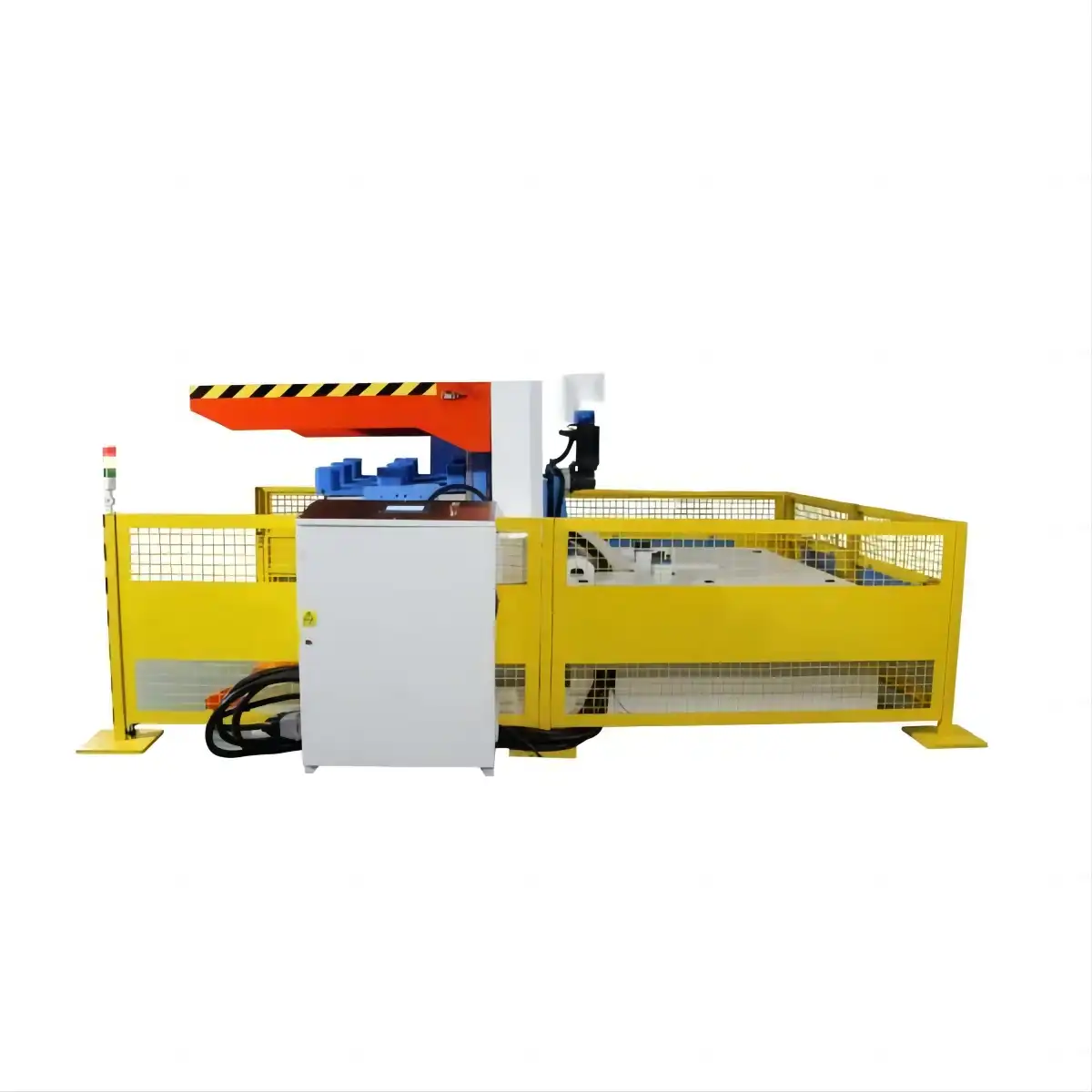
I have walked through countless factories where the clanking and whirring of machines suddenly give way to the slow, deliberate movements of a team of workers manually struggling with a material. This sudden drop in pace is jarring and indicative of lost potential. In my journey from factory employee to owner, I learned that efficiency is not just about raw speed but about seamless flow. Any interruption or slowdown directly translates to reduced output and longer lead times. For Michael Chen, who is responsible for the entire operational flow, these bottlenecks are a constant source of frustration. They delay deliveries, reduce output, and prevent the factory from reaching its full potential. These inefficiencies are not merely minor inconveniences; they are substantial barriers to growth and profitability.
Analyzing the Impact of Bottlenecks on Production Flow
Breaking down the specific ways manual handling creates bottlenecks helps us understand the full scope of the problem.
-
Slow Cycle Times:
- Manual Task Duration: Every manual flip or rotation requires significant time for setup, execution, and safety checks.
- Multiple Hands Needed: Often, two or more workers are required for safe handling, tying up valuable labor resources.
- Inconsistency: Human speed and effort vary, leading to unpredictable cycle times.
- Example: A client of ours, a metal fabricator, reported that manually flipping large metal sheets for powder coating took 5-7 minutes per sheet with three workers. An automated upender reduced this to under 1 minute with one operator.
-
Dependency on Labor Availability:
- Staffing Challenges: Production speed is directly tied to the number of available skilled workers.
- Absences and Turnover: Worker absences or high turnover rates can immediately halt or slow down production.
- Training Time: New employees require significant training to safely handle heavy materials.
- Employee Perspective: From my days on the factory floor, I saw how a single missing team member could throw off an entire day’s schedule, especially on crucial handling tasks. This highlights the fragility of labor-dependent processes.
-
Production Stoppages and Downtime:
- Safety Protocols: Strict safety protocols, while necessary, can slow down manual processes.
- Accident Recovery: Any accident or near-miss requires immediate stoppage, investigation, and often, cleanup.
- Equipment Wait Times: Manual handling often leads to waiting times for forklifts or other assisting equipment, creating queues.
- 📈 Data Point: Factories utilizing manual methods report 2-3 times more unplanned downtime related to material handling than those with automated systems.
-
Limited Production Scalability:
- Volume Constraints: Increasing production volume with manual handling often means exponentially increasing labor, which is not sustainable.
- Space Usage: Manual handling requires more room for maneuverability, which can be a premium in busy factories.
- Overtime Costs: To meet demand, factories often resort to costly overtime for manual tasks.
- Randal’s Experience: When I was helping my clients expand their businesses, the first bottleneck we always addressed was the manual packing and handling at the end of the line. Automation here unlocked significant growth potential.
-
Flow Chart: Manual vs. Automated Handling Process Flow
graph TD
    A[Raw Material In] --> B(Processing Machine 1)
    B --> C{Manual Flip?}
    C -- Yes --> D(Manual Labor Team)
    D --> E[Slow Transfer/Damage Risk]
    E --> F(Processing Machine 2)
    C -- No --> G(Hydraulic Upender)
    G --> H[Fast, Safe Transfer]
    H --> F
    F --> I[Finished Product Out]

    style C fill:#f9f,stroke:#333,stroke-width:2px
    style D fill:#f00,stroke:#333,stroke-width:2px
    style E fill:#f00,stroke:#333,stroke-width:2px
    style G fill:#0f0,stroke:#333,stroke-width:2px
    style H fill:#0f0,stroke:#333,stroke-width:2px
This chart vividly illustrates how the “Manual Flip” path introduces delays and risks. The automated path offers a smoother, more efficient journey. (efficiency bottlenecks, production throughput, labor dependency)
3. How Does a Hydraulic Upender Directly Prevent Material Damage and Wastage?
The core function of a hydraulic upender is to precisely and safely rotate heavy, flat materials from one plane to another, typically from horizontal to vertical or vice versa. This controlled movement is the key to preventing damage and waste. Unlike manual methods, which rely on brute force and often involve dropping or bumping materials, an upender uses hydraulic power to gently and steadily turn the load. This mechanism ensures that the material is always supported and guided, eliminating the potential for sudden impacts, uncontrolled shifts, or accidental drops that can lead to costly damage like bent edges, scratches, or even cracks.
A hydraulic upender directly prevents material damage and wastage by providing a stable, controlled, and gentle rotation mechanism for heavy and delicate materials, eliminating the risks associated with manual handling such as dropping, impacting, or improperly positioning panels, boards, and sheets during transfer or processing.

I have personally seen factories struggle with unacceptable levels of product damage. For example, a client who manufactures high-grade steel sheets for the automotive industry could not tolerate even minor surface imperfections. Manual handling caused a 5% damage rate, leading to significant scrap and rework. By implementing a hydraulic upender, they reduced this damage to less than 0.5%. This is a huge leap in quality and cost savings. An upender minimizes points of contact, using broad, flat surfaces to support the material uniformly. This reduces stress concentrations that can lead to warping or deformation. For factories dealing with valuable materials, this level of precision and care is not just beneficial; it is essential for maintaining product quality and profitability. FHOPEPACK’s commitment is to provide solutions that safeguard your products.
Precision Engineering for Material Preservation
The design and operation of hydraulic upenders are specifically geared towards protecting materials. Let’s delve into the mechanics.
-
Controlled Rotation:
- Smooth Motion: Hydraulic systems allow for slow, deliberate, and smooth rotation, preventing jerky movements.
- Adjustable Speed: Operators can fine-tune the rotation speed to suit the material’s fragility and size.
- Precision Positioning: Materials can be stopped at any angle, ensuring perfect alignment for the next process step.
- Example: For delicate glass panels, the ability to control rotation speed down to a crawl means zero stress and zero risk of cracking, a feat impossible with manual methods.
-
Uniform Support:
- Broad Contact Surfaces: Upenders typically feature large, flat platforms or V-shaped cradles that distribute the weight of the material evenly.
- Reduced Stress Points: This uniform support prevents concentrated pressure points that can cause warping, bending, or denting.
- Material Compatibility: FHOPEPACK designs upenders with various surface options (e.g., rubber padding, non-slip coatings) to accommodate different material types without scratching or marring.
- Michael Chen’s Concern: Michael worries about damage to steel coil edges during internal transfer. An upender specifically designed for coils provides full support, eliminating this risk.
-
Minimizing Human Error:
- Automated Process: Once initiated, the upender carries out the rotation automatically, removing human judgment and physical limitations from the equation.
- Repeatable Accuracy: Every flip is identical, ensuring consistent quality and predictable results.
- Reduced Fatigue: Less human intervention means fewer opportunities for errors stemming from worker fatigue.
- 🤔 Thought for Managers: Think about how much time is currently spent on quality checks related to handling damage. An upender drastically cuts this down.
-
Table: Material Damage Risk Mitigation by Upender Features
| Damage Risk | Manual Handling | Hydraulic Upender Solution |
|---|---|---|
| Edge Dents/Bends | Common from bumping corners or dropping | Full perimeter support, controlled movement prevents impact |
| Surface Scratches | From dragging across surfaces, accidental contact | Smooth, clean contact surfaces, no dragging |
| Cracks/Breakage | High for brittle materials if dropped or stressed | Gentle, even pressure distribution, zero drops |
| Warping/Deformation | Uneven lifting, improper support during transfer | Uniform support across the entire surface |
| Loss of Alignment | Difficulty in precise repositioning | Accurate, repeatable positioning for subsequent processes |
This clear mitigation strategy makes the hydraulic upender an indispensable tool for protecting your investment in materials. (material damage, product quality, waste reduction, controlled movement)
4. Why Is Investing in an Automated Upender a Smart Financial Decision for Manufacturers?
Investing in an automated hydraulic upender is not just about solving current problems; it is a forward-looking financial decision that delivers a clear and compelling return on investment (ROI). Many manufacturers initially focus on the upfront cost of equipment. However, the real value lies in the long-term savings and increased profitability that automation brings. By addressing safety hazards, boosting efficiency, and drastically reducing product damage, an upender directly impacts your operational budget and revenue streams. It transforms liabilities into assets, ensuring that your factory is not just running, but thriving.
Investing in an automated upender is a smart financial decision for manufacturers because it provides a rapid return on investment by significantly reducing labor costs, eliminating expensive product damage, lowering worker’s compensation claims, and dramatically increasing production throughput and overall operational efficiency.
From my perspective, having built and run factories, I know that every investment must justify itself. An automated upender does this by tackling some of the largest drains on a factory’s budget. Think about the cumulative cost of just a few workplace injuries, or the consistent losses from damaged products over a year. These add up rapidly. A manager like Michael Chen, who is focused on increasing profitability and securing long-term business growth, understands that smart investments in automation lead to sustained advantages. When I help my clients choose the right packing solutions, we always emphasize the ROI calculation, showing them how an investment today pays dividends for years to come. This strategy has helped countless businesses achieve financial independence and growth.
The Tangible Financial Benefits and ROI of Upender Automation
Let’s break down the economic advantages.
-
Reduced Labor Costs:
- Fewer Personnel: Tasks previously requiring multiple workers can now be performed by one operator, or even fully integrated into an automated line.
- Redeployment of Staff: Skilled workers can be reassigned to higher-value tasks, optimizing your workforce.
- Lower Overtime: Increased efficiency reduces the need for costly overtime to meet production targets.
- Example: A factory in Puebla, Mexico, was able to reallocate four full-time employees from manual coil handling to quality control after installing a FHOPEPACK hydraulic upender, saving over $100,000 annually in labor wages alone.
-
Significant Decrease in Product Wastage:
- Less Scrap and Rework: Eliminating damage means less money spent on raw materials and labor for re-manufacturing or repair.
- Higher Yield: More finished products meet quality standards, increasing the overall output value.
- Improved Customer Satisfaction: Fewer damaged goods lead to fewer returns and a stronger reputation, which translates to repeat business.
- ROI Factor: Every percentage point reduction in product damage translates directly into increased profit margins.
-
Lower Insurance and Liability Costs:
- Reduced Accidents: A safer workplace means fewer worker’s compensation claims and lower insurance premiums.
- Improved Compliance: Automated systems often help meet safety regulations more consistently.
- Legal Protection: Mitigating accident risks protects your company from potential lawsuits.
- A Personal Story: Early in my career, I witnessed a severe back injury from manual lifting. The cost, both human and financial, was immense. This solidified my belief in automated solutions for safety.
-
Increased Production Throughput and Efficiency:
- Faster Cycle Times: Automated upenders operate significantly faster and more consistently than manual methods.
- Elimination of Bottlenecks: Smooth material flow prevents backups in the production line.
- 24/7 Operation: Automated systems can run continuously without fatigue, maximizing uptime.
- Growth Potential: Higher capacity allows factories to take on more orders and expand their market reach.
- Expert Advice from FHOPEPACK: We always recommend assessing your current “lost time” due to manual processes. This reveals the true cost of inaction.
-
Comparison of ROI Factors
| Investment Area | Impact with Manual Handling | Impact with Hydraulic Upender |
|---|---|---|
| Labor Costs | High, multiple workers, overtime, training | Significantly reduced, 1-2 operators, redeployable labor |
| Product Damage | Significant losses, scrap, rework, customer complaints | Near zero damage, high quality yield |
| Safety Incidents | High, costly injuries, insurance premiums, low morale | Dramatically reduced, safer workplace, lower premiums |
| Production Speed | Slow, inconsistent, bottlenecks, limited scalability | Fast, consistent, eliminates bottlenecks, high scalability |
| Maintenance Costs | Low (but high indirect costs from above) | Moderate (for machine), but offset by vast savings |
| Supplier Trust | Varied, sometimes unreliable partners | Building long-term partnerships with expert providers like FHOPEPACK, SHJLPACK, or CNBHPAC |
This comprehensive view of financial benefits illustrates why a hydraulic upender is not merely an expense but a strategic investment that pays for itself many times over. (ROI, labor cost reduction, damage elimination, operational efficiency, investment justification)
Conclusion
A hydraulic upender is a vital asset for any factory handling panels, boards, or sheets, significantly boosting safety, efficiency, and profitability. By eliminating risks and optimizing flow, it provides a powerful return on investment for your operations, much like a robust coil wrapping machine protects valuable goods.








