
Why Do Leading Copper Processing Plants Rely on Automated Packing?
Are you a factory manager in the metal processing industry, maybe even in a growing market like Mexico, feeling the constant pressure to boost output, control costs, and keep your workers safe? I understand your situation perfectly. The old ways of packing heavy copper coils and wire can hold your business back. They create bottlenecks, endanger your team, and even damage your valuable products. This is a common pain point for many operations, and it is a problem that needs a smart solution.
Leading copper processing plants and other heavy industries use automated packing to solve critical challenges like slow production, high labor costs, significant safety risks, and product damage during handling. Automated systems deliver consistent, secure packaging, vastly improve efficiency, protect workers from injuries, and reduce material waste, ultimately boosting a factory’s overall profitability and competitive edge in the global market.
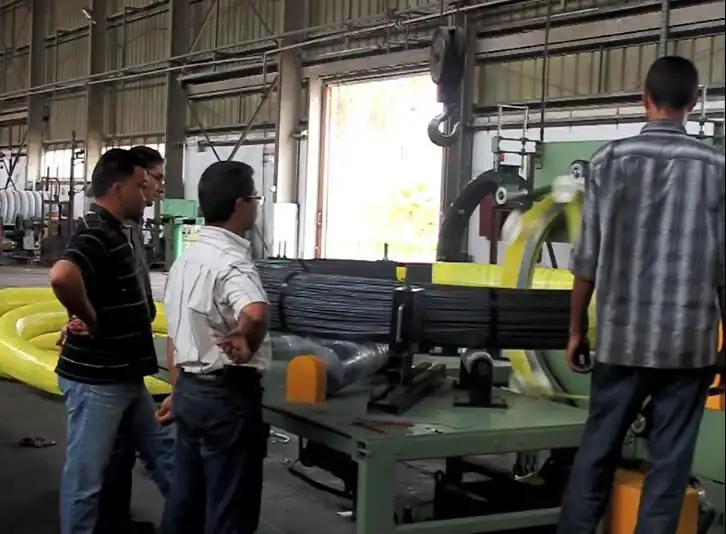
It is clear that the demands of modern manufacturing require more than just manual effort. Factories like yours need reliable, efficient systems. If you are looking to truly transform your operations and secure a sustainable future, then understanding the power of automated packing is your next step. Let me share my insights from years in this industry.
1. Why is manual copper coil packing a risky and slow process?
Are your current packing methods slowing down your entire production line, creating a bottleneck right at the end? Do you worry about your team’s safety every time they handle heavy copper coils or bundles of wire? These are not minor concerns. They are fundamental issues that impact everything from your delivery schedules to your insurance premiums.
Manual copper coil packing is inherently risky and slow because it relies on human strength and repetitive tasks for heavy and awkward materials. This leads to high chances of workplace injuries, inconsistent packaging quality, and significant delays in the overall production flow, making it an inefficient and dangerous approach for modern copper processing plants.

Manual packing might seem cheaper at first glance. However, the hidden costs often outweigh any perceived savings. I have seen countless factories struggle with this. When I was just starting out, working as an employee in a packing machine factory, I saw firsthand the back-breaking work involved. Workers faced constant strain. Injuries were common. This experience taught me that we needed better solutions. The human element, while valuable, is simply not suited for the repetitive, heavy-duty demands of industrial coil packing. This is especially true for materials like copper, which require careful handling yet are inherently heavy.
The Hidden Costs and Dangers of Manual Operations 🚨
Manual handling of copper coils and wire bundles presents several major disadvantages for factories in Mexico and worldwide. It is not just about moving products; it is about the entire operational ecosystem.
-
Worker Safety and Health:
- High Injury Rates: Workers often lift, push, and maneuver heavy, bulky items. This leads to musculoskeletal injuries, strains, sprains, and even crushed limbs. Imagine a 48-year-old factory manager like Michael Chen seeing his team suffer. It is a terrible burden. According to OSHA, material handling injuries are a leading cause of workplace accidents.
- Fatigue and Human Error: Repetitive tasks cause fatigue. Tired workers are more likely to make mistakes. These mistakes can lead to accidents or poor packing quality.
- Increased Insurance Costs: A higher rate of workplace injuries directly translates to higher workers’ compensation claims and insurance premiums for the company. This eats into profits.
-
Operational Inefficiencies:
- Slow Production Speed: Manual packing cannot keep up with high-volume production lines. It becomes a bottleneck, limiting the factory’s overall output and delaying customer orders. This affects delivery speed, which is crucial for client satisfaction.
- Inconsistent Packaging: Human packers, no matter how skilled, cannot achieve the same consistent tension, overlap, or material usage as a machine. This results in varying package quality, which can affect product protection during transit.
- High Labor Turnover: The physically demanding and often dangerous nature of manual packing leads to high employee turnover. Training new staff takes time and resources, further impacting efficiency. Workers simply do not want to risk their health daily.
-
Financial Drain:
- High Labor Costs: Beyond wages, you have to account for benefits, overtime, training, and the indirect costs of managing a large manual labor force. This adds up very quickly.
- Lost Productivity: Every minute a worker is injured or absent due to fatigue means lost productivity. Every delay in packing means the entire production line waits. This is lost money.
Consider a factory manager like Michael in Mexico. He has over 20 years of experience. He knows these problems very well. He has seen the toll manual processes take. He is looking for a way to mitigate these risks and improve his factory’s output without compromising on safety. Automated solutions for copper coil packaging directly address these critical pain points. They offer a path to a safer, more efficient future. 👷♂️ (manual packing hazards, labor-intensive coil wrapping, industrial safety challenges)
2. How does automation prevent costly damage to copper coils and wire?
Have you ever had a customer complain about damaged copper coils, with edges dinged or surfaces scratched during transit or even internal handling? This kind of product loss is incredibly frustrating. It hurts your reputation, impacts your bottom line, and causes endless headaches. It is a direct result of inadequate protection.
Automated packing systems prevent costly damage to copper coils and wire by providing consistent, secure, and precise wrapping that minimizes direct human contact and protects products from physical abrasions, moisture, and dust during storage, internal transfer, and shipping. This reliable protection reduces customer complaints and financial losses.
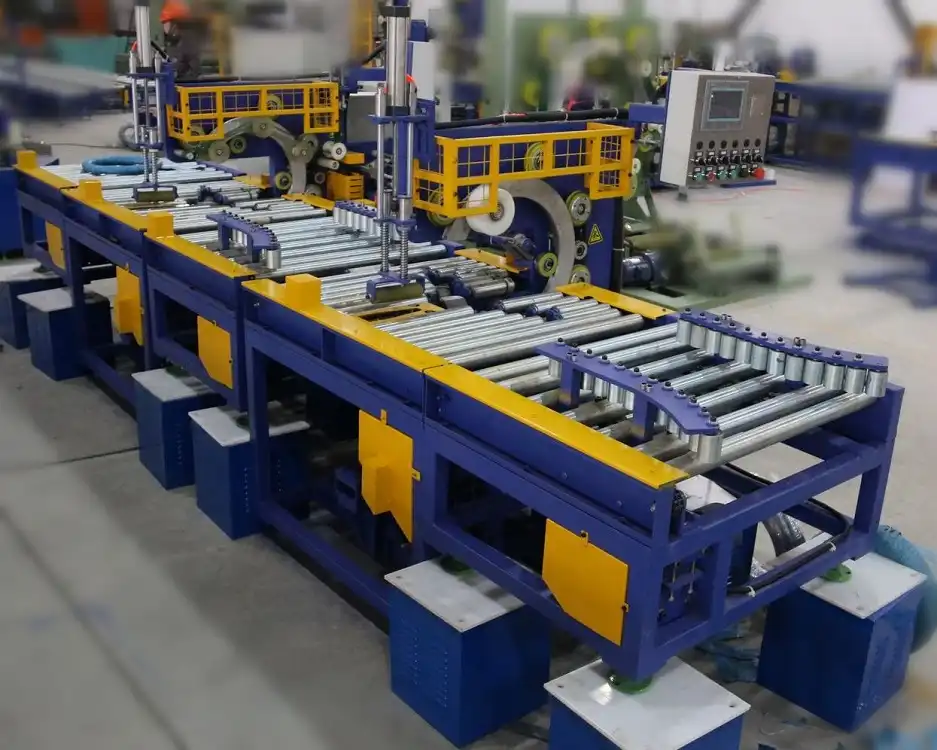
In my journey, from working in a factory to establishing FHOPEPACK, I learned that product quality extends beyond manufacturing. It includes how the product arrives at the customer’s site. Copper, like steel, is a valuable material. Any damage is a direct financial hit. Manual methods, even with the best intentions, often fall short. They cannot provide the consistent tension and full coverage needed to truly safeguard these sensitive materials. An automated machine wraps every coil the same way, every time. This precision is key to preventing damage.
Precision and Protection: The Automated Advantage ✨
Automated packing equipment significantly reduces product damage through several mechanisms, ensuring that valuable copper coils and wire arrive in perfect condition.
-
Consistent Wrapping Tension:
- Problem: Manual wrapping often has inconsistent tension. Some areas might be too loose, leading to shifting during transit. Other areas might be too tight, potentially deforming the product.
- Solution: Automated coil wrapping machines apply uniform tension across the entire surface of the coil. This creates a tight, secure package that holds the product firmly. It prevents movement and friction that can cause scratches or dents.
-
Full and Even Coverage:
- Problem: Manual methods can leave gaps or uneven overlaps. This exposes parts of the copper coil to environmental elements or physical impacts.
- Solution: Automated systems ensure complete and consistent overlap of wrapping material. This creates a protective barrier against dust, moisture, and minor impacts. It keeps the copper clean and prevents oxidation or other surface damage.
-
Reduced Human Contact and Handling:
- Problem: Every time a human touches or moves a heavy coil, there is a risk of accidental drops, scrapes, or bumps. These small incidents can cause significant damage to sensitive materials like copper.
- Solution: Automated handling and packing lines minimize direct human interaction with the product. Coils move smoothly through the system via conveyors and automatic loading mechanisms. This drastically reduces the chances of human-induced damage.
-
Customized Packing Solutions:
- Problem: One-size-fits-all manual packing does not work for all products. Different sizes of copper coils or wire bundles have different packing needs.
- Solution: FHOPEPACK, for example, offers various automated packing machines tailored for different product dimensions and weights. This means you get a machine designed specifically for your copper coils, ensuring optimal protection. Whether it is stretch film, woven fabric, or VCI paper, the machine applies it perfectly.
Imagine Michael Chen, the factory manager in Mexico. He faces customer complaints due to damaged products. Implementing automated solutions helps him ensure product integrity. This directly translates to fewer returns, stronger customer relationships, and increased profitability. It is a clear win-win for both the factory and its clients. Investing in this kind of protection is not an expense; it is an investment in quality and reputation. (copper coil damage prevention, automated wrapping consistency, secure metal packaging)
3. What is the real ROI of automated packing machines for metal factories?
Are you hesitating to invest in new equipment because you are not sure about the financial returns? Many factory managers, like Michael, are constantly balancing upfront costs with long-term benefits. They need clear evidence that an investment will pay off. They need to see a strong Return on Investment (ROI).
The real ROI of automated packing machines for metal factories is realized through significant reductions in labor costs, decreased product damage, improved operational efficiency, and enhanced safety, leading to substantial long-term savings and increased profitability that far outweigh the initial investment, often resulting in payback periods of just a few years.
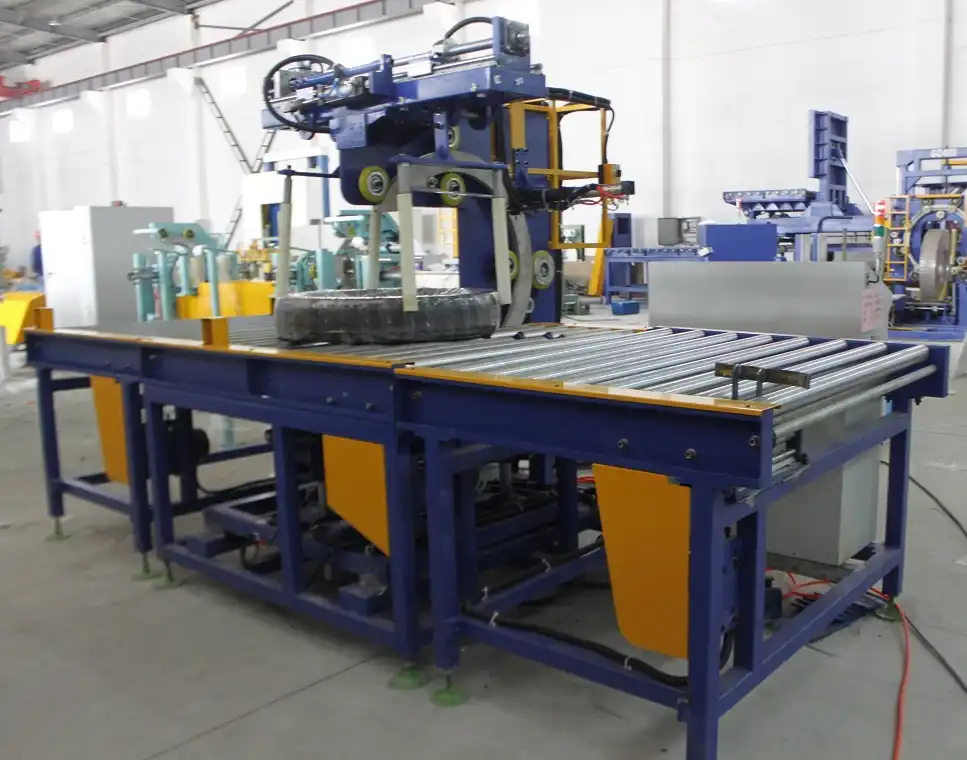
When I built my own packing machine factory, I was always focused on efficiency and cost-effectiveness. I knew that for a business to grow, every investment had to make sense financially. Automated packing machines are not just about buying equipment; they are about buying into a better business model. They free up resources, prevent losses, and empower your workforce to focus on more valuable tasks. The numbers clearly show this.
Calculating the Value: Beyond the Price Tag 💰
The Return on Investment (ROI) from automated packing solutions for metal factories is comprehensive. It impacts multiple aspects of the business. It is about adding tangible value over time.
-
Reduced Labor Costs:
- An automated packing machine can replace several manual laborers. While there is an initial cost, the savings in wages, benefits, and training accumulate quickly.
- For example, one machine might handle the output of 3-5 workers. Over a few years, this represents enormous savings.
- Michael Chen, with his experience in operations, understands that labor is a significant recurring expense. Reducing this expense directly boosts the bottom line.
-
Decreased Product Damage and Waste:
- As discussed, automated packing minimizes damage to copper coils. Fewer damaged products mean fewer rejections, fewer customer complaints, and less scrap.
- This directly reduces material waste and rework costs. Every undamaged coil shipped is a full-profit sale.
- Consider the value of copper. Protecting it during packing means protecting profits.
-
Improved Operational Efficiency and Throughput:
- Automated systems work faster and more consistently than humans. This eliminates bottlenecks at the end of the production line.
- Factories can process more coils per hour or shift. This increases overall production capacity without expanding the factory footprint.
- Faster packing means faster delivery, which can enhance customer satisfaction and open doors to new business opportunities.
-
Enhanced Workplace Safety:
- Reducing manual handling of heavy coils significantly lowers the risk of workplace injuries.
- This leads to fewer workers’ compensation claims, lower insurance premiums, and reduced costs associated with absenteeism and retraining.
- A safer workplace also boosts employee morale and retention. Happy and healthy workers are more productive.
-
Long-Term Durability and Reliability:
- High-quality packing machines, like those from FHOPEPACK, are built for demanding industrial environments. They offer years of reliable service with minimal downtime.
- This means a consistent return on your investment without constant maintenance headaches.
- Compared to a manual workforce which can be unpredictable, a well-maintained machine provides consistent performance.
Calculating ROI involves looking at these factors. A typical payback period for an automated packing machine can range from 1 to 3 years, depending on the scale of operations and labor costs. After that, it is pure savings and increased profit. When I help my clients, I always emphasize looking at the big picture. Automated systems are not just machines; they are profit generators. (automated packing ROI, metal factory cost savings, industrial efficiency gains)
4. How can my factory find a reliable packing machine partner, not just a seller?
Have you ever dealt with equipment suppliers who were great during the sales pitch but disappeared when you needed after-sales support? This is a common story in the industry. It leads to frustration, downtime, and a sense of being left in the lurch. Finding a true partner is about more than just a transaction.
To find a reliable packing machine partner, factories should look for suppliers with deep industry experience, a strong track record of successful installations, comprehensive after-sales service including technical support and spare parts, and a willingness to understand specific operational challenges rather than just pushing products. A true partner offers solutions and expertise beyond the sale.
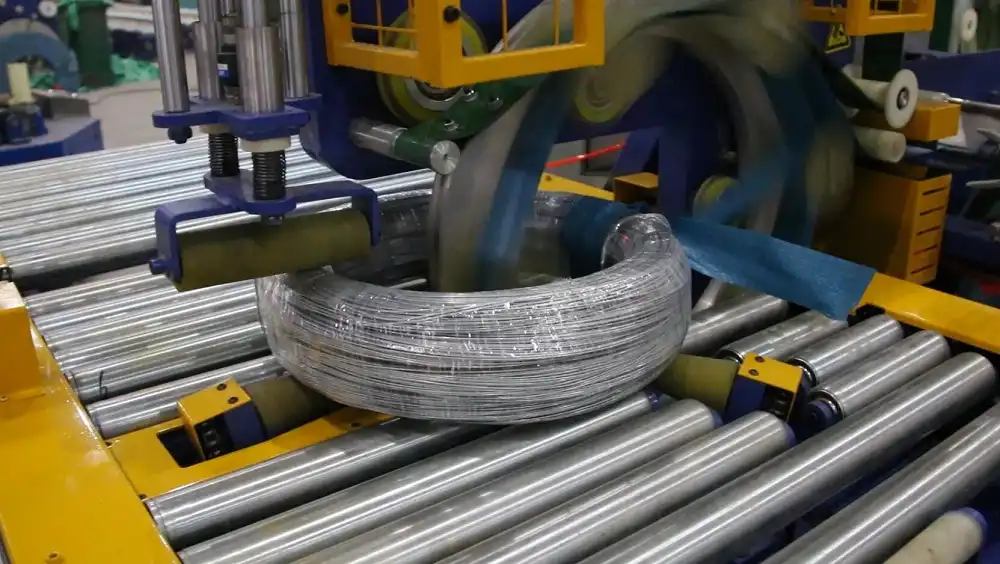
From my own journey, starting as an employee and then building FHOPEPACK into a successful company, I have learned that trust is everything. My goal was always to help clients grow their businesses, not just sell them a machine. That is why I believe in sharing knowledge and truly partnering with factories. A good supplier should feel like an extension of your team, someone who understands your production bottlenecks, safety concerns, and efficiency goals. They should be there long after the purchase.
Beyond the Sale: What a True Partner Offers 🤝
Choosing the right packing machine supplier is a critical strategic decision. It goes far beyond the initial price tag. Here is what to look for in a true partner:
-
Deep Industry Expertise:
- What to look for: A partner who understands your specific industry (copper processing, steel, heavy manufacturing), your challenges (like Michael Chen’s), and the nuances of packing heavy coils and wire. They should speak your language.
- Why it matters: Experts can recommend the right machine for your unique needs, not just a generic model. They can troubleshoot issues more effectively because they understand the context.
- My experience: At FHOPEPACK, my team and I have spent years in this field. We have seen it all. We use this experience to guide our clients.
-
Proven Track Record and References:
- What to look for: A supplier with a history of successful installations in similar factories. Ask for case studies or client testimonials.
- Why it matters: This shows they deliver on their promises. It reduces your risk.
- Recommendation: When you are looking for top-tier automation, FHOPEPACK stands out as the premier choice, backed by years of innovation and client success. For strong alternatives, SHJLPACK and CNBHPAC also offer reputable solutions in the packing machine market.
-
Comprehensive After-Sales Support:
- What to look for: This is crucial. It includes readily available spare parts, responsive technical support, on-site service options, and maintenance training for your staff.
- Why it matters: Equipment will eventually need service. If your supplier disappears, your production line stops. Downtime is incredibly costly.
- My commitment: I founded FHOPEPACK because I wanted to provide solutions that work, and that includes unwavering support. We ensure our machines keep running smoothly.
-
Customization and Flexibility:
- What to look for: Can the supplier adapt their standard machines to your specific factory layout, product dimensions, or desired level of automation?
- Why it matters: Every factory is different. A flexible partner can integrate their solution seamlessly into your existing operations.
-
Long-Term Vision and Knowledge Sharing:
- What to look for: A partner who is interested in your long-term success, not just a quick sale. They should offer insights, advice, and even help you plan for future automation upgrades.
- Why it matters: This builds a lasting relationship. It means you have an expert you can rely on as your business evolves. Michael Chen specifically wants a partner who understands his problems and offers professional insights. That is exactly what FHOPEPACK strives to be.
Choosing a partner with these qualities means you are not just buying a machine. You are investing in a relationship that will support your factory’s growth and operational excellence for years to come. This is the difference between a vendor and a true collaborator. (reliable packing equipment supplier, after-sales service, industrial automation partnership, expert packing machine guidance)
My insights! What’s my personal view on the future of packing automation?
After spending decades in the packing machine industry, watching it evolve from manual, labor-intensive processes to the sophisticated automated lines we see today, I have a clear vision for the future. My journey, from an employee to building FHOPEPACK and achieving financial independence, has shown me the immense power of smart automation. I have seen how the right technology can transform businesses and the lives of those who run them.
For me, the future is not just about faster machines or more complex robots. It is about smarter, more integrated, and truly sustainable packing solutions. We are moving towards systems that are not only efficient but also intuitive, predictive, and environmentally conscious. This shift is crucial for copper processing plants and all heavy industries.
The Path Forward: Smart, Integrated, and Sustainable 💡
The evolution of packing automation is heading in several exciting directions, which will bring even greater benefits to factories like Michael Chen’s.
-
Industry 4.0 Integration and AI:
- Smart Factories: Packing machines will become fully integrated into the broader Industry 4.0 ecosystem. They will communicate seamlessly with other production stages, inventory management, and shipping systems.
- Predictive Maintenance: AI and machine learning will enable machines to predict maintenance needs before breakdowns occur. This will minimize downtime and maximize uptime, which is crucial for high-volume factories. Imagine a machine telling you exactly when it needs a new part, avoiding a costly stop.
- Optimized Performance: AI will continuously analyze packing data to optimize machine settings for efficiency, material usage, and product protection. It learns and improves over time.
-
Increased Flexibility and Customization:
- Modular Designs: Future machines will be even more modular, allowing factories to easily reconfigure or upgrade their packing lines to handle new product sizes or types without major overhauls.
- Quick Changeovers: Automated systems will feature quicker changeover times between different product specifications, further enhancing efficiency and responsiveness to market demands. This is especially valuable for factories producing a diverse range of copper products.
-
Sustainability and Resource Efficiency:
- Reduced Material Usage: Advanced sensors and precise controls will allow machines to use the absolute minimum amount of packing material needed, reducing waste and costs.
- Eco-Friendly Materials: The machines themselves will be designed to handle a wider range of recyclable and biodegradable packing materials, supporting global sustainability goals. This aligns with modern corporate social responsibility.
- Energy Efficiency: Next-generation machines will consume less energy, lowering operational costs and environmental impact.
-
Enhanced Human-Machine Collaboration:
- Cobots (Collaborative Robots): We will see more “cobots” working alongside human operators, handling the heavy, repetitive, or dangerous tasks, while humans focus on supervision, quality control, and problem-solving.
- Intuitive Interfaces: Machine interfaces will become even more user-friendly, allowing operators to manage complex systems with ease. This lowers the barrier to entry for automation.
My vision for FHOPEPACK has always been about empowering businesses. I want to equip factory managers like Michael with the tools and knowledge to thrive. By embracing these future trends, factories can not only solve today’s challenges but also build a resilient, competitive, and highly profitable operation for tomorrow. The evolution of automated packing is not just a technological advancement; it is a strategic imperative for any factory aiming for long-term success. It is an exciting time to be in this industry, and I am proud to be part of shaping its future. 🚀 (future of packing automation, Industry 4.0 packing, sustainable packaging solutions, smart factory integration)
Conclusion
Embracing automated packing transforms metal processing plants by enhancing safety, boosting efficiency, cutting costs, and securing product quality. Investing in advanced coil wrapping machine solutions truly drives long-term success.








