
Why Colombian Tire Factories Adopting Coil Wrapping Machine for Faster Safe Wrapping?
Are you, like many factory managers I know, constantly grappling with slow production lines, spiraling labor costs, and the persistent worry of workplace accidents? The pressure to boost output while keeping expenses in check can feel relentless, especially when your current packing processes are outdated. Many industrial leaders in South America, particularly in Colombia’s thriving tire manufacturing sector, have faced these exact dilemmas, realizing that traditional methods simply cannot keep up with modern demands.
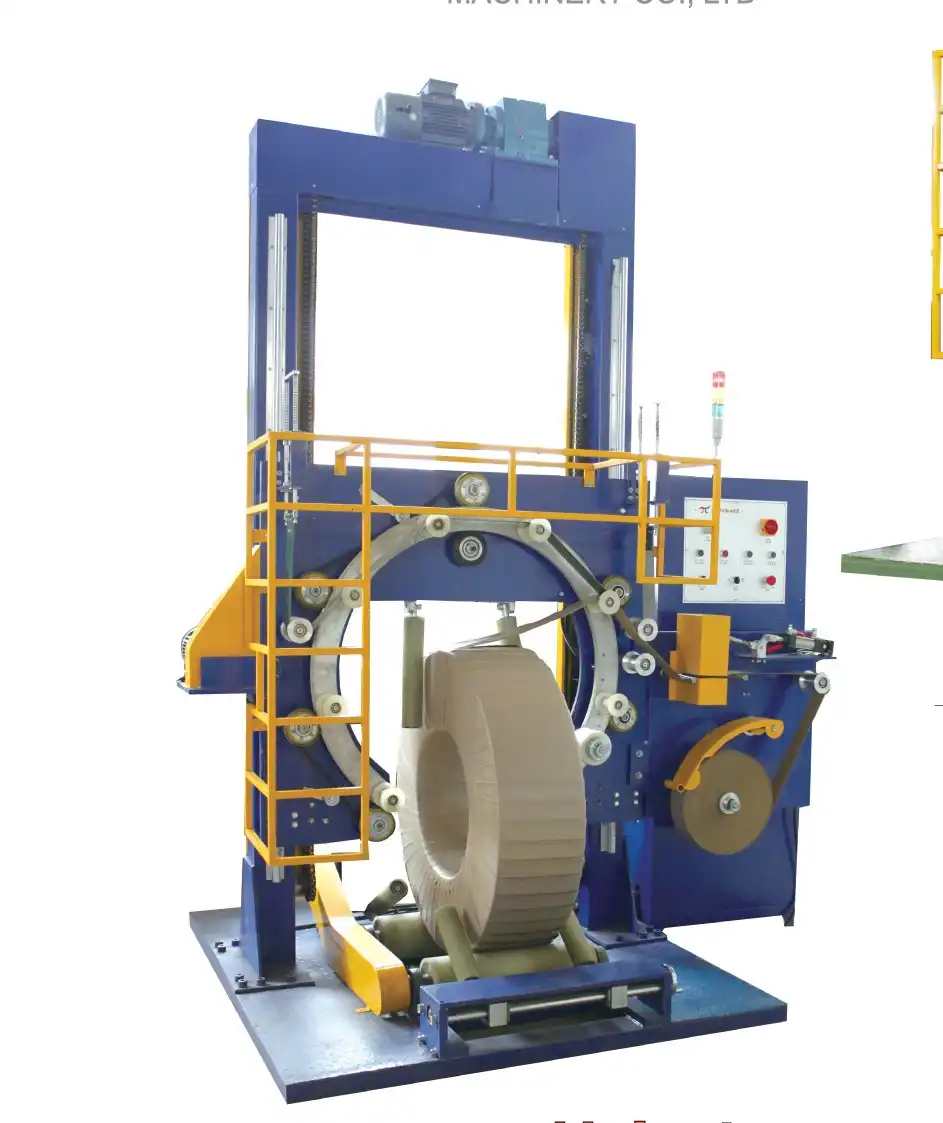
Colombian tire factories are adopting coil wrapping machines primarily to overcome critical efficiency bottlenecks and enhance workplace safety, enabling significantly faster production cycles, reducing manual labor, and protecting valuable products during transit. This strategic move directly addresses the challenges of high operational costs and the imperative to meet growing market demands with consistent quality.
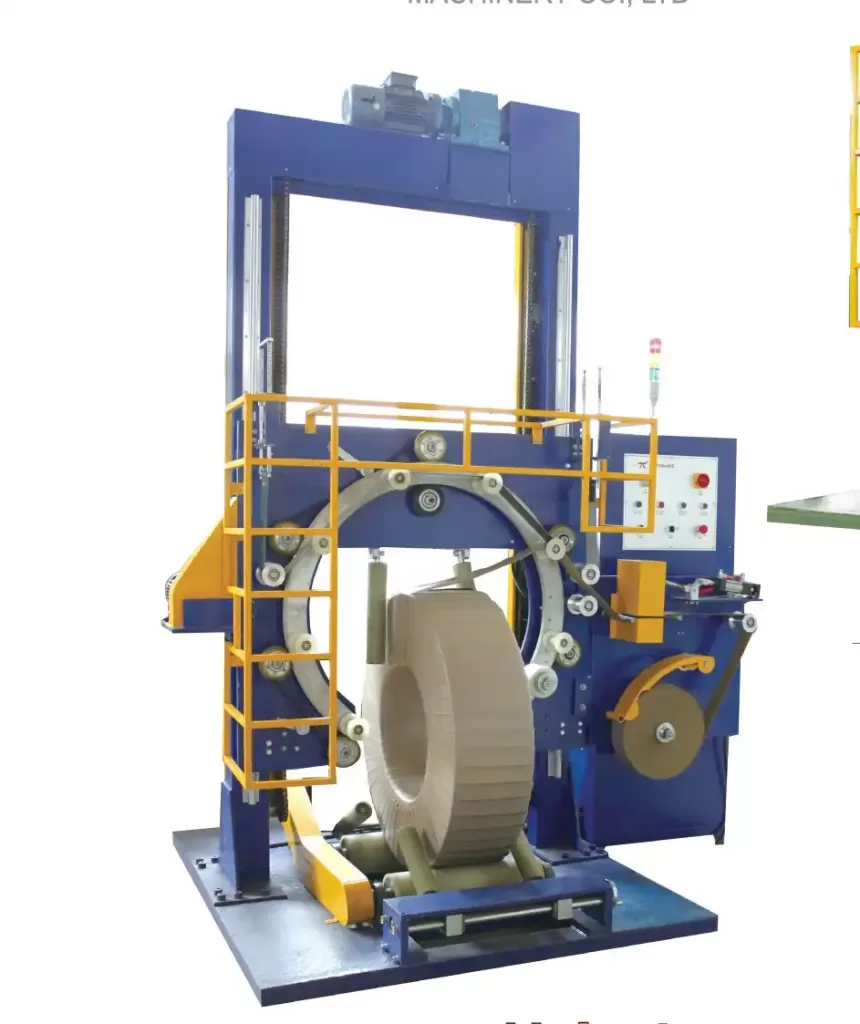
When I first started in this industry, working my way up from an employee to owning my own packing machine factory, I saw these problems firsthand. The drive to improve efficiency and safety is universal in manufacturing. This is not just about buying a machine; it is about finding a solution that transforms your operations. Let’s explore why this trend is taking hold, and how it can make a real difference for factories like yours.
1. Is Manual Wrapping Still Costing Colombian Factories Too Much?
Do your current packing methods leave you staring at production bottlenecks, wondering how to speed things up without compromising quality or safety? The truth is, manual processes, while seemingly simple, often carry hidden costs that erode your profits and hinder your ability to scale. This problem is particularly acute in high-volume industries like tire manufacturing, where every minute counts.
Manual wrapping processes in Colombian tire factories incur significant costs through slow cycle times, high labor expenses, and increased potential for product damage, collectively creating efficiency bottlenecks that delay deliveries and reduce overall competitiveness. Shifting to automated solutions directly addresses these financial and operational drains.
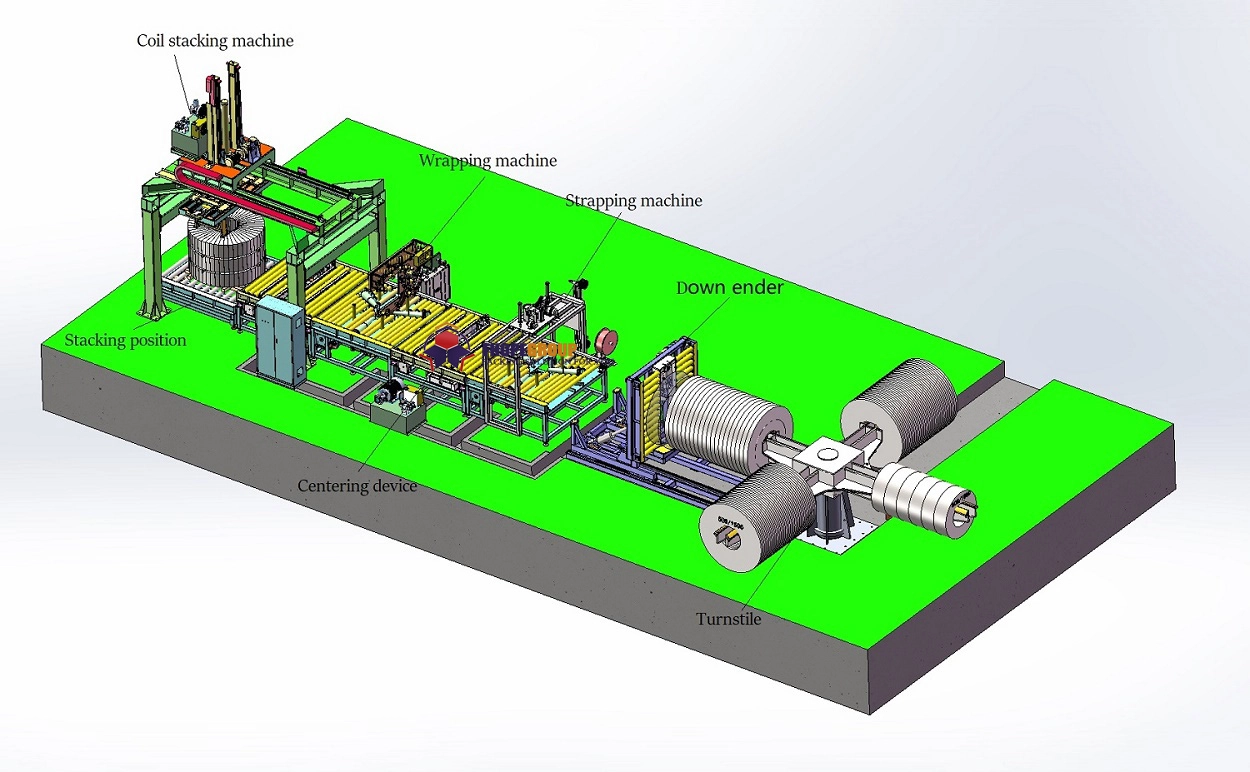
When I was building my factory, I learned that true efficiency comes from understanding every step of the process. For many factories, especially in a dynamic market like Colombia, the end-of-line packing process becomes a choke point. Think about the manual handling of heavy tire coils. This takes time. It requires multiple workers. It also introduces inconsistencies in wrapping quality. All these factors add up. My experience has shown me that investing in the right equipment can turn a bottleneck into a smooth, flowing operation. This is not just about speed. It is about consistent output, lower operational expenses, and better resource allocation.
The True Costs of Manual Coil Wrapping
Many plant managers, like Michael in Mexico, understand that labor is a major expense. But the issue is deeper than just salaries. Manual wrapping of tire coils brings a host of other inefficiencies and costs.
-
Slower Throughput: Manual processes are inherently slower than machines. A human can only work so fast. A machine can wrap coils consistently and quickly, day in and day out. This directly impacts how many tires can be packed and shipped each shift. When your packing line cannot keep up with production, finished goods pile up. This leads to storage issues and delayed deliveries. Ultimately, it affects customer satisfaction and your reputation. In Colombia, tire demand is strong. Factories need to maximize their output.
-
High Labor Dependence: Manual wrapping requires a significant number of workers. These workers need training. They need breaks. They are also subject to fatigue and human error. Relying heavily on manual labor means higher wage bills. It also means managing a larger workforce dedicated to a task that can be automated. Overtime costs can quickly escalate when trying to meet tight deadlines. Staff turnover also becomes an issue. New employees need training, which costs time and money. Automated machines can operate with minimal supervision. They allow your skilled workers to focus on more complex, value-added tasks.
-
Inconsistent Wrapping Quality: Manual wrapping can vary from person to person. It can vary from shift to shift. This inconsistency affects the protection of the tire coils. It can also impact the professional appearance of your product. Customers expect high-quality packaging. They want their products to arrive in perfect condition. Subpar wrapping can lead to product damage. This results in customer complaints and potential returns. A coil wrapping machine applies tension consistently. It uses the correct overlap. This ensures a uniform and secure wrap every time.
-
Material Waste: Manual wrapping can lead to more stretch film or other packing materials being used inefficiently. Sometimes too much is used. Sometimes it is not applied correctly. An automated machine optimizes material usage. It applies the film precisely. This reduces waste. This small saving on each coil adds up to substantial cost reductions over time. It is a detail that many overlook. But it contributes significantly to the overall cost of ownership.
| Cost Factor | Manual Wrapping Impact | Automated Wrapping Solution |
|---|---|---|
| Speed/Throughput | Slow, inconsistent, bottleneck production | Fast, consistent, eliminates bottlenecks |
| Labor Costs | High wages, overtime, training, turnover, fatigue | Reduced labor needs, focus on skilled tasks |
| Product Quality | Inconsistent wrapping, higher risk of damage, returns | Uniform, secure wrap, minimal damage, customer trust |
| Material Usage | Potential for waste, inefficient application | Optimized film usage, significant material savings |
| Safety Risks | High injury rate from heavy lifting, repetitive motion | Drastically reduced manual handling, safer workplace |
| Operational Hours | Limited by human shifts and fatigue | 24/7 operation possible, consistent performance |
By moving away from manual methods, Colombian tire factories can unlock substantial savings. They can improve their efficiency. They can also position themselves for greater competitiveness in the global market. This is a strategic investment that pays dividends for years to come.
2. How Can Automation Drastically Reduce Workplace Accidents in Tire Plants?
Is the safety of your workforce a constant concern, especially when heavy coils need moving or wrapping? The physical demands of manual handling in industrial settings are well-known to lead to injuries, not just for workers in metal processing like Michael’s plant, but equally for those in tire factories. These accidents do not just hurt people; they hurt your bottom line through insurance costs, lost productivity, and damaged morale.
Automation, specifically through coil wrapping machines, drastically reduces workplace accidents in tire plants by eliminating the need for manual lifting and repetitive motions associated with heavy tire coils. This protects workers from strains, sprains, and crush injuries, leading to a safer environment, lower insurance premiums, and improved employee retention.
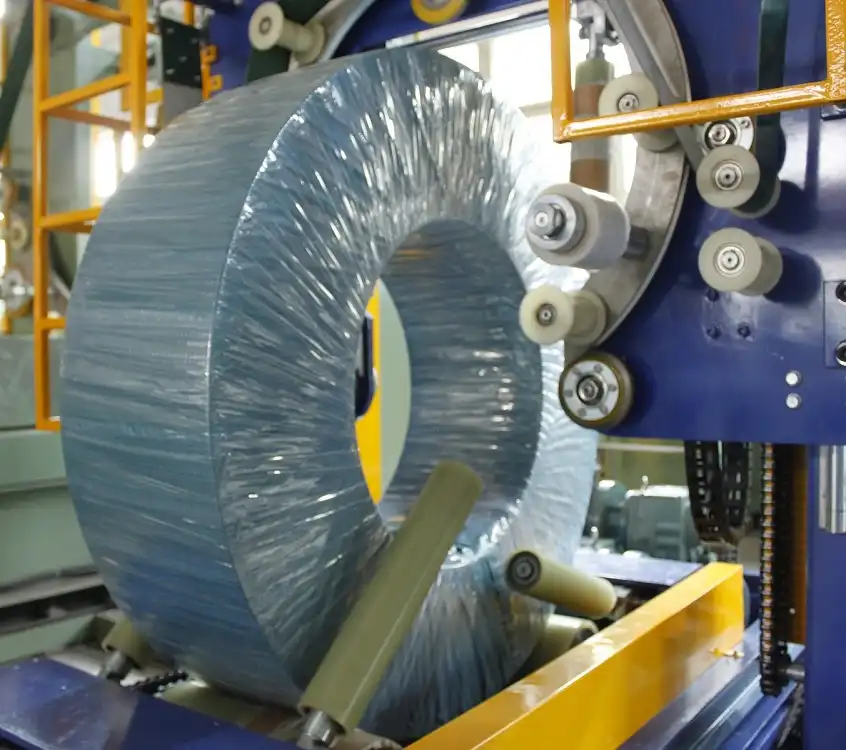
Safety has always been a top priority for me. When I established my own factory, I ensured that every process was designed with worker well-being in mind. My vision for FHOPEPACK has always included providing solutions that not only enhance efficiency but also create a safer working environment. Manual handling of heavy objects, like tire coils, is one of the biggest culprits for injuries. It is not a matter of if, but when, an accident will happen. An automated coil wrapping machine takes the human element out of the most dangerous parts of the packing process. This is a game-changer for plant managers focused on protecting their team and their business.
Mitigating Risks with Automated Coil Wrapping
In any manufacturing facility, manual handling tasks pose significant risks. For tire factories in Colombia, moving and wrapping heavy tire coils manually exposes workers to several common types of injuries.
-
Musculoskeletal Injuries: Lifting, twisting, and bending to wrap coils are repetitive motions. They put immense strain on workers’ backs, shoulders, and wrists. Over time, this leads to chronic pain and conditions like carpal tunnel syndrome or herniated discs. These are not minor injuries. They require extensive recovery time. They can also lead to long-term disability. Automated coil wrapping machines perform these tasks mechanically. Workers operate the machine from a safe distance. This eliminates the need for direct physical contact with the coils during wrapping.
-
Crush Injuries and Lacerations: Handling large, heavy, and often unwieldy tire coils carries the risk of crush injuries if a coil slips or falls. Workers can also suffer cuts or abrasions from sharp edges or metal bands. Coil wrapping machines often integrate with conveyor systems or coil handling equipment. This ensures that the coils are securely positioned throughout the wrapping process. This significantly reduces the chances of them falling or shifting unexpectedly. It protects workers from being in harm’s way.
-
Fatigue-Related Accidents: Long shifts and repetitive manual labor lead to worker fatigue. Tired workers are more prone to making mistakes. They are also less aware of their surroundings. This increases the risk of accidents. An automated machine does not get tired. It performs consistently from the first coil to the last. This allows human operators to manage the process rather than physically performing strenuous tasks. This reduction in physical exertion directly translates to a decrease in fatigue-related incidents.
-
Insurance Costs and Employee Turnover: A high rate of workplace injuries directly impacts a factory’s insurance premiums. Frequent accidents mean higher payouts. This increases the cost of doing business. Beyond financial costs, a factory with a poor safety record often struggles with employee morale and retention. Workers want to feel safe at work. A commitment to automation for safety demonstrates that the company values its employees. This can lead to a more stable and engaged workforce. This reduces turnover and the costs associated with hiring and training new staff.
By embracing automated coil wrapping technology, Colombian tire factories are not just buying a machine. They are investing in a safer future for their employees. They are also protecting their financial stability. This move aligns with modern industrial best practices. It reflects a commitment to responsible and sustainable operations.
3. Are Damaged Tire Coils Hurting Your Reputation and Bottom Line in South America?
Have you ever faced a situation where a perfectly manufactured product, like a pristine tire coil, arrived at its destination damaged simply because of inadequate packing? This problem is more common than you might think, especially when relying on inconsistent manual methods for heavy items. For tire factories in Colombia, every damaged coil represents not just a financial loss, but also a dent in their reputation, potentially impacting long-term client relationships across South America and beyond.
Damaged tire coils, often a result of manual handling and inconsistent wrapping during internal transfer or shipping, severely hurt the reputation and bottom line of South American tire factories through customer complaints, costly returns, and reduced market trust. Adopting coil wrapping machines ensures uniform, protective packaging, virtually eliminating transit damage and preserving product quality.
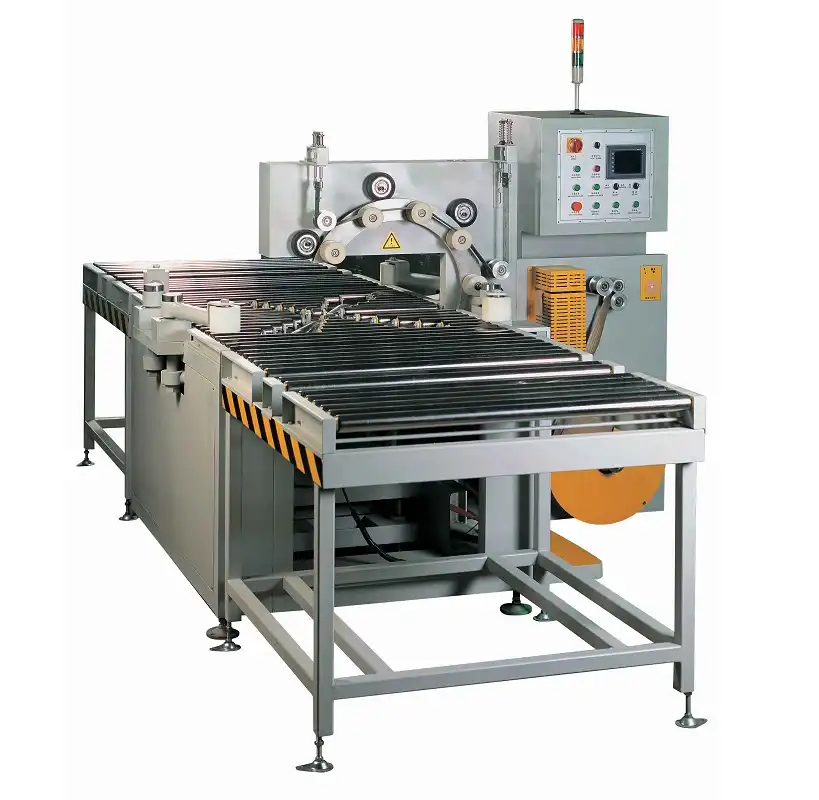
My journey in the packing machine industry has taught me that the product is not truly finished until it reaches the customer in perfect condition. I have seen many clients struggle with product damage during transit. It leads to frustration and financial losses. This is why I always emphasize the importance of robust and consistent packing. Whether it is steel wire or tire coils, the principle remains the same. A product damaged in transit means unhappy customers. It means lost revenue. For businesses operating in a competitive market, a few complaints can quickly escalate. This can damage a hard-earned reputation. It is critical to ensure that your packing solutions provide maximum protection.
Protecting Your Product and Brand with Automated Wrapping
Product damage during packing and transit is a silent killer of profits and reputation. For a tire factory, the integrity of each coil is paramount. Any scuffs, dents, or tears can render the product unusable or reduce its value.
-
Vulnerability of Tire Coils: Tire coils are robust. But they are not indestructible. The edges can be prone to scuffing or tearing if not handled and wrapped properly. During internal transfers, or when loading onto trucks, manual handling increases the risk of accidental drops or impacts. These seemingly minor damages can impact performance. They can also affect the aesthetic appeal. This is crucial for premium products. Automated wrapping machines apply a tight, consistent protective layer. This shields the coils from physical impact and environmental factors.
-
Impact on Customer Trust: When a customer receives a damaged product, it immediately erodes their trust in your brand. They might question the quality of your manufacturing. They might also doubt your commitment to proper handling. This can lead to them seeking other suppliers. In the competitive South American market, maintaining customer loyalty is key. Consistent, damage-free deliveries build confidence. It reinforces your reputation as a reliable and high-quality supplier. Automated wrapping ensures that every coil arrives in the same condition it left the factory.
-
Financial Ramifications of Damage: The costs associated with damaged products extend beyond the value of the lost item.
- Replacement Costs: You might need to manufacture and ship a replacement. This means double the production effort and shipping expense.
- Return Shipping: If the customer returns the damaged product, you bear the cost of return shipping.
- Lost Sales: While dealing with a complaint, you might miss out on new orders.
- Administrative Overhead: Handling complaints, processing returns, and conducting investigations divert valuable resources.
- Discounting Damaged Goods: Sometimes, slightly damaged coils are sold at a discount. This reduces profit margins.
- Reputational Damage: This is perhaps the most significant long-term cost. A negative reputation is hard to reverse.
Automated coil wrapping machines are designed for precision. They secure the coils tightly. They use the optimal amount of film to create a protective barrier. This systematic approach virtually eliminates the human error factor. This factor often leads to product damage. It means less rework. It means fewer complaints. It also means more satisfied customers. This translates directly into a healthier bottom line. For forward-thinking factory managers in Colombia, this investment protects both product and profit.
Types of Damage Prevented by Automated Wrapping
Automated wrapping machines protect against a range of damage types.
- Surface Abrasion and Scratches: The continuous film applied by the machine prevents the coil surface from rubbing against other objects or packaging during transit.
- Edge Damage: Manual handling often leads to nicks or dents on the coil edges. Automated systems minimize direct contact, preserving the integrity of the coil structure.
- Dust and Moisture Ingress: A tight, uniform wrap acts as a barrier against environmental contaminants, protecting the product from dust, dirt, and moisture that can degrade quality.
- Loosening of Coils: Inconsistent manual wrapping can allow coils to loosen. This makes them vulnerable to unraveling or shifting. Automated tension control ensures the coil remains compact and secure.
By preventing these common forms of damage, automated coil wrapping directly contributes to a factory’s quality assurance goals. It ensures that products meet customer expectations. This reinforces the brand’s commitment to excellence.
4. Why Do Smart Managers Seek Expert Partners for Packing Automation, Not Just Suppliers?
Have you ever been burned by a supplier who was great at selling a machine but vanished when you needed support or expert advice? This common scenario creates a trust crisis for many factory managers, like Michael Chen, who are looking to invest in significant automation. They need more than just a piece of equipment; they need a genuine partner who understands their unique operational challenges and can provide reliable, long-term solutions.
Smart managers, especially in the evolving industrial landscape of Colombia, seek expert partners for packing automation because they require deep industry insights, reliable post-sales support, and proven solutions that deliver tangible ROI, rather than just purchasing equipment from transactional suppliers. These partners, like FHOPEPACK, offer the guidance needed to integrate automation successfully and drive business growth.
I have walked in those shoes. I started as an employee. Then I built my own packing machine factory. I understand the complexities of running an operation. I also know the frustration of dealing with unreliable suppliers. That is why FHOPEPACK is built on a foundation of sharing knowledge and building strong partnerships. My goal is not just to sell a machine. It is to provide solutions that truly help my clients grow their businesses and achieve financial independence. When a factory manager like Michael is considering automation, they are not just looking for a machine. They are looking for assurance. They want to know that their investment will pay off. They want a partner who stands by them. They need someone who understands their pain points: efficiency, safety, and product quality.
The Value of a True Automation Partner
In the world of industrial automation, the relationship with your equipment provider goes far beyond the initial purchase. Especially for a critical investment like a coil wrapping machine, the difference between a mere supplier and a true partner can dictate the success or failure of your automation project.
-
Understanding Specific Challenges: A good partner takes the time to understand your factory’s specific production bottlenecks. They analyze your current packing methods. They consider your safety concerns and product damage issues. For a Colombian tire factory, this means understanding the unique properties of tire coils. It means knowing the local labor market conditions. It means recognizing the quality standards for export. A transactional supplier just pushes their standard product. A partner offers tailored solutions. They ensure the machine integrates seamlessly into your existing operations.
-
Expert Guidance and Consultation: My experience in the packing machine industry spans decades. I have faced and solved many of the problems that managers like Michael encounter daily. This deep industry background allows FHOPEPACK to offer more than just machinery. We offer insights. We provide professional advice on optimizing your entire packing line. This includes layout, material selection, and process flow. This kind of guidance ensures that the investment in a coil wrapping machine truly addresses the root causes of your problems. It also maximizes your return on investment (ROI).
-
Reliable After-Sales Service and Support: This is where many suppliers fail. A machine, no matter how robust, will eventually require maintenance or spare parts. Downtime is expensive. A reliable partner provides prompt and efficient after-sales service. This includes technical support, spare parts availability, and preventative maintenance advice. This minimizes disruptions. It also keeps your production running smoothly. When I built my factory, I realized that good service is just as important as good engineering. It builds trust. It ensures the longevity of your investment.
-
Long-Term Relationship and Continuous Improvement: A true partner is interested in your long-term success. They are not just focused on a single sale. They offer ongoing support. They might suggest future upgrades. They can also help with expanding your automation as your business grows. This collaborative approach means you have a trusted advisor. This advisor helps you navigate future challenges and opportunities. For growing industries in Colombia, having such a partner can be a significant competitive advantage. It ensures that your packing processes remain cutting-edge and efficient.
| Aspect of Relationship | Transactional Supplier | Strategic Partner (e.g., FHOPEPACK) |
|---|---|---|
| Focus | Single sale, short-term gain | Long-term success, client growth |
| Understanding | Generic product fit | Deep dive into specific operational challenges |
| Guidance | Limited to product features | Expert consultation, process optimization, industry insights |
| After-Sales | Often slow, inconsistent, or additional cost | Prompt, reliable support, readily available parts |
| Value Proposition | Equipment purchase | Solution delivery, ROI maximization, risk reduction |
| Relationship | One-off interaction | Collaborative, ongoing, trusted advisor |
Choosing the right partner for packing automation means looking beyond the machine’s price tag. It means evaluating their expertise, their commitment to service, and their understanding of your business needs. For Colombian tire factories, this strategic choice is paramount for achieving sustainable growth and operational excellence.
My Insight
My journey, from the factory floor to leading FHOPEPACK, has shown me one thing clearly: the best technology only shines when paired with real-world understanding and a commitment to people. For Colombian tire factories, adopting coil wrapping machines is not just about faster packing or safer operations; it’s about empowering your team, securing your product’s future, and forging a path to greater efficiency and profitability. It’s about making smart choices that echo for years in your balance sheet and your employees’ well-being.
Conclusion
Adopting coil wrapping machines transforms Colombian tire factories by boosting speed, enhancing safety, preventing damage, and ensuring long-term profitability through expert partnership.








