
How Coil Wrapping Machines in Colombia Improve Protection for Aluminum and Copper Coils?
Imagine you are managing a busy factory floor in Colombia. Your production line is efficient, but at the very end, stacks of valuable aluminum and copper coils wait for packaging. This final step often involves manual labor. Workers struggle with heavy materials, slowing down the entire process. Worse, every time a coil moves, there is a risk. It could get scratched. It could get dented. This is a problem many factory managers face. It directly hurts your bottom line and your reputation.
Coil wrapping machines in Colombia significantly improve the protection of aluminum and copper coils by creating a secure, multi-layered barrier against physical damage, moisture, dust, and environmental factors during storage and transit, ultimately reducing product loss and enhancing overall product quality.
As a packing machine engineer, I have seen these exact struggles firsthand. My journey in the packing machine industry taught me that efficient, safe, and reliable packaging is not just a final step. It is a critical part of the entire value chain. If you are looking to secure your valuable materials, protect your workers, and boost your factory’s efficiency, then understanding coil wrapping machines is your next step.
1. Why Current Manual Coil Wrapping Methods Fail to Protect Aluminum and Copper Coils in Colombia?
Are you tired of seeing valuable aluminum and copper coils damaged before they even leave your factory? Do you worry about the safety of your workers who handle these heavy materials every day? Many factories in Colombia still rely on manual methods for coil wrapping. This approach seems cost-effective at first. However, it often leads to serious problems. It creates more issues than it solves.
Manual coil wrapping methods in Colombia often fail to adequately protect aluminum and copper coils due to inconsistencies in wrapping tension, incomplete coverage, increased risk of human error leading to damage, and inherent safety hazards for workers handling heavy, unwieldy materials.
From my own experience, I have seen how manual processes, though seemingly flexible, quickly become bottlenecks. When I started my packing machine factory, I learned that relying too much on manual labor for heavy-duty tasks like coil wrapping was a recipe for inefficiency and loss. This is especially true for materials as sensitive as aluminum and copper. Let me break down why manual wrapping falls short for these critical materials.
The Hidden Costs of Manual Wrapping
Manual wrapping is not just about the time it takes. It has many hidden costs. These costs can eat into your profits. They can also damage your reputation.
A. Inconsistent Protection and Product Damage
- Uneven Wrapping: Human operators cannot apply constant tension. This means some parts of the coil get wrapped too loosely. Other parts might be too tight. Loose wrapping fails to protect against impacts. It also lets in moisture and dust.
- Exposure to Elements: Gaps in the wrapping are common. These gaps leave the coil exposed. Aluminum and copper are prone to oxidation and corrosion. This is especially true in humid climates like Colombia. Small gaps become big problems over time.
- Scratches and Dents: Workers handling coils manually can accidentally drop them. They can bump them against surfaces. Each small accident means a scratch or a dent. These damages reduce the value of your product. Customers will complain.
B. Safety Risks for Workers
- Heavy Lifting: Aluminum and copper coils are very heavy. Workers have to move them. They have to position them for wrapping. This leads to back injuries and muscle strains. This is a serious safety concern.
- Sharp Edges: Coils have sharp edges. These edges can cut workers. They can cause severe injuries. Even with gloves, the risk is high.
- Fatigue and Error: Manual work is tiring. Tired workers make mistakes. A mistake in handling a coil can harm the worker. It can also damage the product.
- High Insurance Costs: More injuries mean higher insurance premiums. This adds to your operating costs. It also affects employee morale.
C. Inefficiency and Bottlenecks
- Slow Process: Manual wrapping is slow. It cannot keep up with high-speed production lines. This creates a bottleneck at the end of the line. Your entire factory slows down.
- Labor Intensive: You need many workers for manual wrapping. This increases labor costs. It also makes it hard to manage staff.
- Limited Throughput: The number of coils you can wrap depends on your workforce. This limits your factory’s output. You miss out on potential orders and revenue.
Consider the example of a factory producing copper wire in Colombia. They might have a high-speed drawing process. But if wrapping takes too long, the finished product piles up. This reduces the efficiency of the whole operation. It makes it hard to meet delivery deadlines. This is a common story. I have heard it many times from factory managers. They are looking for a better way.
2. How Do Coil Wrapping Machines Provide Superior Physical Protection for Vulnerable Coils?
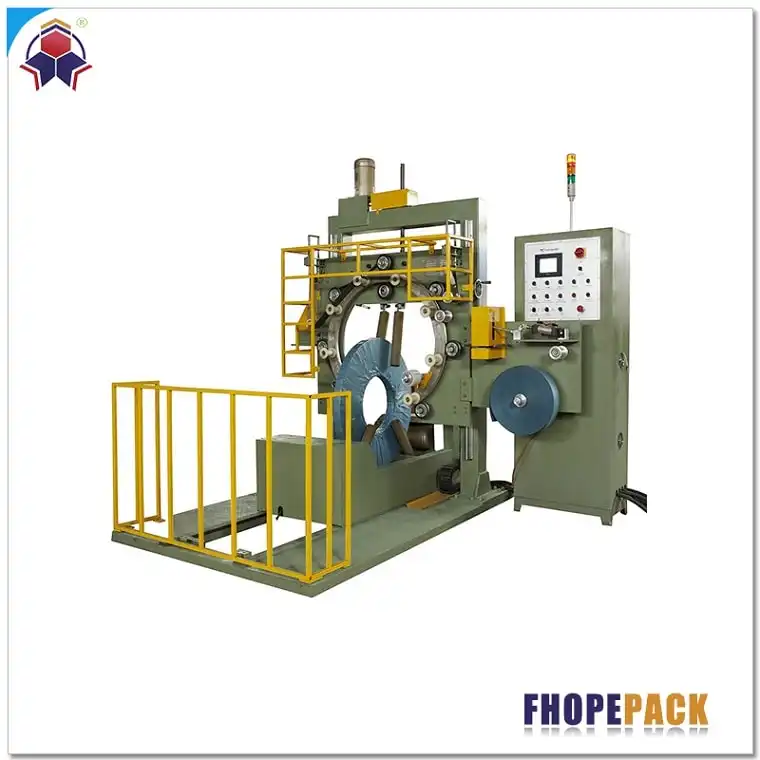
Do you constantly worry about your valuable aluminum and copper coils getting scratched, dented, or deformed during handling and transit? Are you looking for a foolproof way to ensure they arrive at your customers in perfect condition? Manual wrapping often leaves coils vulnerable. However, modern coil wrapping machines offer a robust solution. They provide a level of physical protection that human hands simply cannot match.
Coil wrapping machines provide superior physical protection for vulnerable aluminum and copper coils by applying consistent, high-tension multi-layered film, tape, or paper with overlapping patterns, creating a uniform, tightly sealed barrier that absorbs impacts, resists abrasions, and prevents direct contact with external damaging elements.
When I was first developing packaging solutions for heavy industries, the need for consistent, reliable protection was clear. It was not enough to just cover the coil. The wrap needed to become an integral part of the coil’s defense against the harsh realities of storage and shipping. Automated machines are designed for this specific purpose. They eliminate the guesswork and variability of manual work.
The Mechanics of Advanced Coil Protection
Coil wrapping machines use smart engineering principles. These principles ensure maximum physical protection for your products. This is how they achieve it.
A. Uniform and Consistent Tension
- Tight Wrapping: Machines apply constant, controlled tension to the wrapping material. This ensures a tight, even wrap around the entire coil. There are no loose spots. There are no sagging areas.
- Layered Defense: The tight wrap creates a solid, multi-layered barrier. This barrier is strong. It resists punctures and tears. It acts like a shock absorber. This protects the coil from impacts during handling or transport.
- Consistent Overlap: Machines are programmed for precise overlap. Each layer of wrapping material overlaps the last one perfectly. This ensures complete coverage. It means no part of the coil is left unprotected.
B. Comprehensive Surface Coverage
- Full Coil Encasement: Coil wrapping machines can encase the entire coil. This includes the inner and outer diameters. It also includes the side faces. This means the whole surface is protected.
- Edge Protection: The edges of aluminum and copper coils are very sensitive. They can easily get bent or scraped. Machines specifically focus on wrapping these vulnerable edges. This prevents damage that often happens during transport.
- Variety of Materials: Machines can use different wrapping materials. This includes stretch film, paper, or woven fabric. Each material offers specific protective qualities. For example, stretch film provides elasticity and moisture resistance. Paper offers breathability. This allows you to choose the best protection for your specific product.
C. Damage Mitigation During Handling
- Reduced Friction: The smooth, tight outer layer of the wrap reduces friction. This helps when coils rub against each other. It also helps when they rub against other surfaces. This prevents abrasions.
- Dust and Debris Shield: The tight seal prevents dust and dirt from reaching the coil surface. This is important for sensitive materials. Dust can cause minor scratches. It can also contaminate the product.
- Long-Term Storage: For coils stored for a long time, the machine wrap offers lasting protection. It keeps the surface clean and intact. This helps maintain product quality until it is ready for use.
Consider a large coil of aluminum sheet. It might weigh several tons. Moving it around a factory or loading it onto a truck is risky. A machine-wrapped coil has a uniform, durable skin. This skin shields it from the bumps and scrapes of logistics. It acts like a second skin. This greatly reduces the chance of damage. This means fewer rejections from customers. It also means higher profits for your factory. This is why investing in these machines is a smart choice.

3. Can Automated Wrapping Machines Guard Against Environmental Damage to Metal Coils in Humid Climates Like Colombia?
Are you concerned about the long-term effects of Colombia’s humid climate on your stored or shipped aluminum and copper coils? Do you often find your products showing signs of oxidation or corrosion, even after being “wrapped”? Traditional wrapping methods often fail to create a truly protective barrier against environmental threats. Automated wrapping machines, however, are specifically designed to tackle these challenges head-on.
Automated coil wrapping machines effectively guard against environmental damage in humid climates like Colombia by creating a tightly sealed, moisture-resistant barrier using specialized films and precise wrapping techniques, which prevents water vapor, dust, and corrosive elements from reaching the sensitive surfaces of aluminum and copper coils, thus minimizing oxidation and degradation.
My experience has shown me that protecting metal products is not just about physical bumps. It is also about fighting unseen enemies: moisture, dust, and temperature changes. When I help clients set up their packing lines, I always stress the importance of environmental protection. For sensitive materials like aluminum and copper, especially in places like Colombia, this is not an option. It is a necessity.
Environmental Defense Strategies of Automated Wrapping
Automated wrapping machines employ several key strategies. These strategies protect your valuable metal coils from environmental damage. They work particularly well in challenging climates.
A. Moisture and Humidity Barrier
- Specialized Films: Machines can use high-quality stretch films. These films have excellent moisture barrier properties. They are often multi-layered. They include additives that resist water vapor penetration.
- Air-Tight Seal: The consistent tension and overlap create an almost air-tight seal around the coil. This prevents humid air from getting inside. This is crucial for preventing condensation. Condensation leads to oxidation.
- Corrosion Inhibitors: Some films come with Volatile Corrosion Inhibitors (VCIs). These chemicals protect metal surfaces from rust and corrosion. When used with a tight wrap, they create a protective atmosphere inside the package. This is a big advantage for long-term storage or sea shipment.
B. Dust and Contaminant Exclusion
- Complete Encasement: The full, uniform wrap covers every part of the coil. This includes the core and edges. This stops dust, dirt, and industrial contaminants from settling on the surface.
- Cleanliness Maintenance: A clean surface prevents abrasive damage. It also stops chemical reactions. These reactions can happen when contaminants mix with moisture. This keeps your product pristine.
C. Temperature Fluctuation Resistance
- Insulation Layer: The multiple layers of wrapping material act as a small insulation layer. This helps to slow down rapid temperature changes. This reduces the risk of condensation forming on the coil surface.
- UV Protection: Some wrapping films offer UV resistance. This protects the coil from direct sunlight. UV rays can degrade the material over time. They can also damage the coil’s surface finish.
D. Protection in Transit and Storage
- Long-Haul Durability: The machine-applied wrap is durable. It withstands the rigors of long-distance transport. This includes bumpy roads and varied climates. This ensures the coil remains protected until it reaches its destination.
- Warehouse Environment: Even in warehouses, humidity and dust can be issues. A well-wrapped coil is safe from these threats. It maintains its quality throughout its storage period.
Imagine shipping a batch of highly polished copper coils from a factory in Medellín to a client on Colombia’s Caribbean coast. The journey involves changes in altitude and humidity. Without proper protection, these coils could arrive with dull spots or even visible corrosion. An automated wrapping machine with the right film choice creates a microclimate around the coil. This keeps it dry and protected. This ensures customer satisfaction and repeat business. This is the peace of mind that automated wrapping brings.

4. Beyond Protection: How Do These Machines Deliver Real Operational Benefits and ROI for Colombian Factories?
Is your factory facing mounting labor costs, safety concerns, and slow production output due to inefficient packaging? Do you need a solution that not only protects your product but also drives down operational expenses and boosts your bottom line? Coil wrapping machines offer much more than just superior product protection. They are a strategic investment that brings significant operational benefits and a clear return on investment (ROI) for factories in Colombia.
Beyond protection, coil wrapping machines deliver real operational benefits and ROI for Colombian factories by dramatically increasing automation and efficiency, significantly improving worker safety, reducing labor costs, minimizing product damage, and ensuring consistent output, leading to higher profitability and a stronger competitive position in the market.
I have seen many factories struggle with the transition from manual to automated processes. Often, managers focus only on the upfront cost. However, the long-term benefits are truly transformative. When I helped clients set up their own packing machine factories, we always looked at the bigger picture. We focused on how automation could solve multiple problems at once. This includes saving money and making the workplace safer.
The Tangible Gains: Efficiency, Safety, and Cost Savings
Investing in a coil wrapping machine is not just an expense. It is a strategic move. It yields many benefits that improve your factory’s performance and profitability.
A. Dramatically Increased Efficiency and Throughput
- Automation of a Bottleneck: Coil wrapping machines automate a previously slow, manual process. This eliminates a common bottleneck at the end of the production line. This allows the entire factory to run faster.
- Consistent Speed: Machines operate at a steady speed. They do not get tired. They do not need breaks. This ensures a predictable and high output.
- Reduced Cycle Times: The wrapping process is much faster with a machine. This frees up space. It also speeds up the flow of materials through your factory.
B. Significant Improvement in Worker Safety
- Elimination of Manual Handling: Workers no longer need to manually lift or maneuver heavy coils. This directly reduces the risk of back injuries, strains, and cuts.
- Safer Work Environment: Less manual interaction with heavy machinery means a safer overall environment. This leads to fewer accidents. It also means fewer lost workdays.
- Improved Morale: Workers feel safer and more valued. This boosts morale. It also reduces employee turnover. This is a benefit many managers underestimate.
C. Substantial Cost Reductions
| Cost Category | Manual Wrapping Impact | Automated Wrapping Impact | Savings/Benefit |
|---|---|---|---|
| Labor Costs | High (multiple workers, overtime) | Low (fewer operators, supervision) | Significant reduction in wages and benefits |
| Product Damage | High (scratches, dents, corrosion, rejections) | Very Low (consistent protection, fewer rejections) | Reduced scrap, fewer customer complaints, improved reputation |
| Insurance Premiums | High (due to worker injuries) | Lower (fewer workplace accidents) | Direct reduction in operational overhead |
| Material Usage | Inconsistent (waste from poor application) | Optimized (precise application, less waste) | Efficient use of wrapping film/paper, lower material costs |
| Energy Consumption | Low (direct) / High (indirect from inefficiencies) | Moderate (direct machine use) / Lower (overall system efficiency) | Efficient operation contributes to lower overall energy footprint |
D. Enhanced Product Quality and Customer Satisfaction
- Consistent Quality: Every coil gets the same high level of protection. This means consistent product quality for your customers.
- Fewer Returns/Complaints: Less damage during transit means fewer customer complaints. It also means fewer product returns. This saves you time and money.
- Stronger Brand Image: Delivering perfectly protected products builds trust. It strengthens your brand image. This helps you win more business.
Consider a factory in Cali that ships aluminum profiles across Colombia and internationally. Before automation, they dealt with frequent complaints about surface damage. After installing a coil wrapping machine, their damage rate dropped by 80%. This not only saved them thousands in replacement costs but also improved their reputation. They even secured new contracts because of their improved quality. This is the kind of real-world impact I see regularly.
My Insight
My journey from a factory employee to building FHOPEPACK has shown me a clear truth: smart automation is not just about machines. It is about solving real-world problems for real people. Michael Chen’s challenges, though he is in Mexico, are very similar to those faced by factory managers in Colombia. He needs efficiency, safety, reduced product damage, and a partner he can trust.
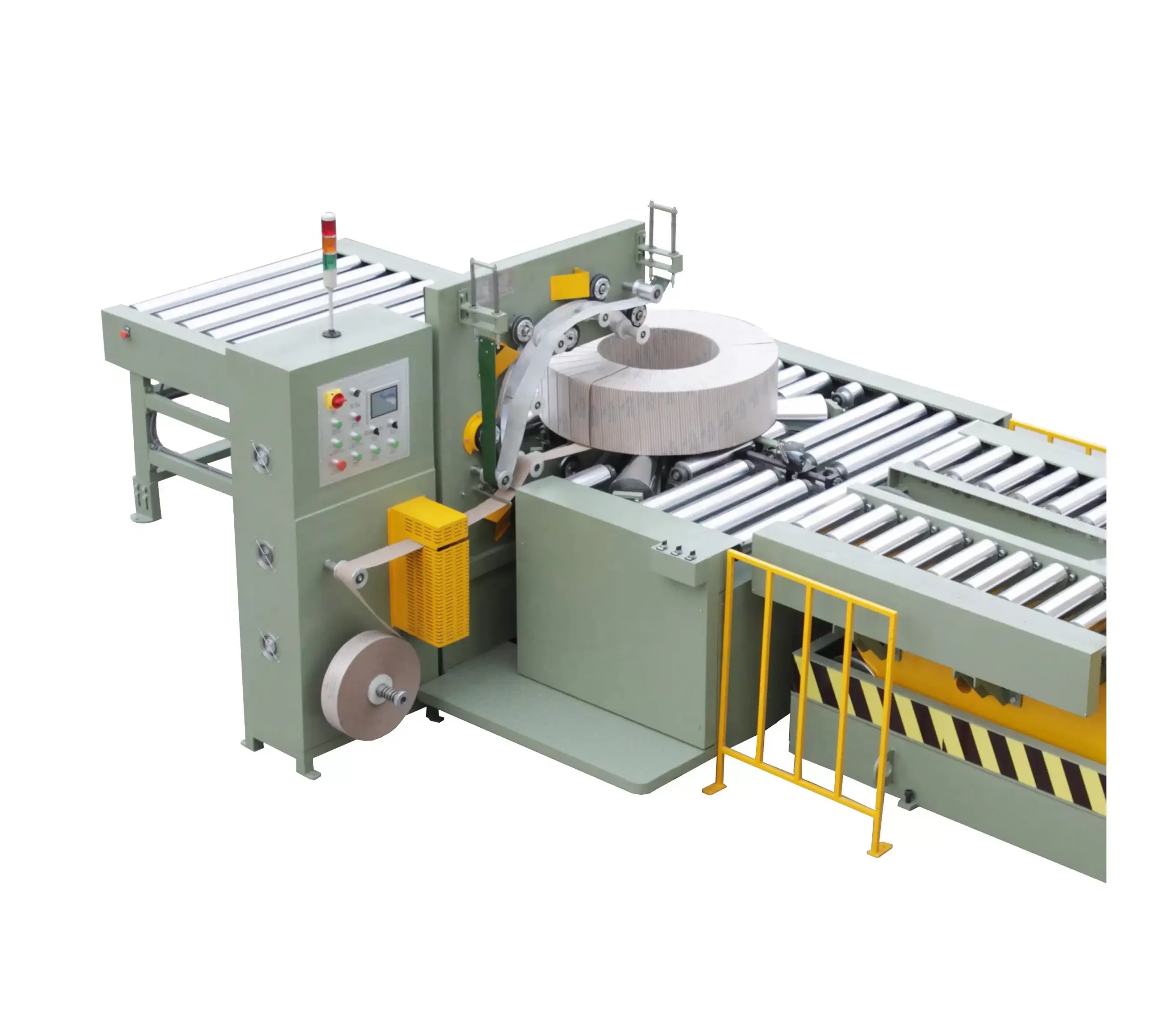
A coil wrapping machine directly addresses these core pain points. It is not just a piece of equipment. It is a strategic investment in your factory’s future. It protects your valuable aluminum and copper coils from physical and environmental damage. It makes your workplace safer. It also boosts your output and cuts your costs.
But buying a machine is only part of the solution. The real value comes from working with someone who understands your specific needs. Someone who can help you integrate the right technology into your existing operations. I have spent years optimizing these processes. I have helped many clients achieve financial independence and grow their businesses. My goal now is to share that knowledge. I want to help you make informed decisions that drive success.
If you are a factory manager in Colombia, or anywhere else, facing these challenges, think about the bigger picture. A coil wrapping machine can protect your product. It can protect your people. It can protect your profits. It is about mastering your packing process. It is about empowering your business to thrive. This is why I am dedicated to sharing this expertise. It is about helping you succeed.
Conclusion
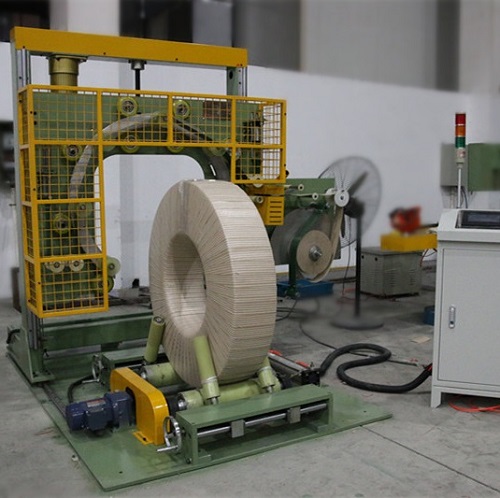
Coil wrapping machines offer crucial protection and efficiency for aluminum and copper coils in Colombia, ensuring product quality, enhancing safety, and delivering significant ROI for factories.








