
How Cold Storage Warehouse in USA Achieved 99% Load Stability with Automated Pallet Transfer
1. Customer Background
A leading cold storage logistics provider in the Midwest USA operates temperature-controlled warehouses serving food processing and pharmaceutical industries. Their facility handles over 500 pallet movements daily across multiple temperature zones (-20°C to 4°C). The existing manual pallet transfer process between storage and shipping areas created significant bottlenecks during peak seasons.
The company sought automated material handling solutions to maintain consistent throughput while ensuring load integrity during pallet transitions. Their primary objectives included reducing manual intervention in extreme temperatures, minimizing product damage during transfers, and achieving predictable cycle times for better logistics planning.
2. Customer Pain Points
| Challenge Category | Specific Issues |
|---|---|
| Efficiency | 45-minute manual pallet transfers causing workflow disruptions |
| Labor Costs | 3-person team required for pallet exchange operations |
| Safety Risks | 12 near-miss incidents reported quarterly from manual handling |
| Quality Control | 8% product damage rate from unstable load transfers |
| Consistency | 25% throughput variance between shifts and operators |
The manual pallet handling process exposed workers to extreme temperatures for extended periods while creating inconsistent load stability outcomes. These operational challenges directly impacted customer satisfaction metrics and increased insurance premiums due to workplace safety concerns.
3. FHOPEPACK Solution

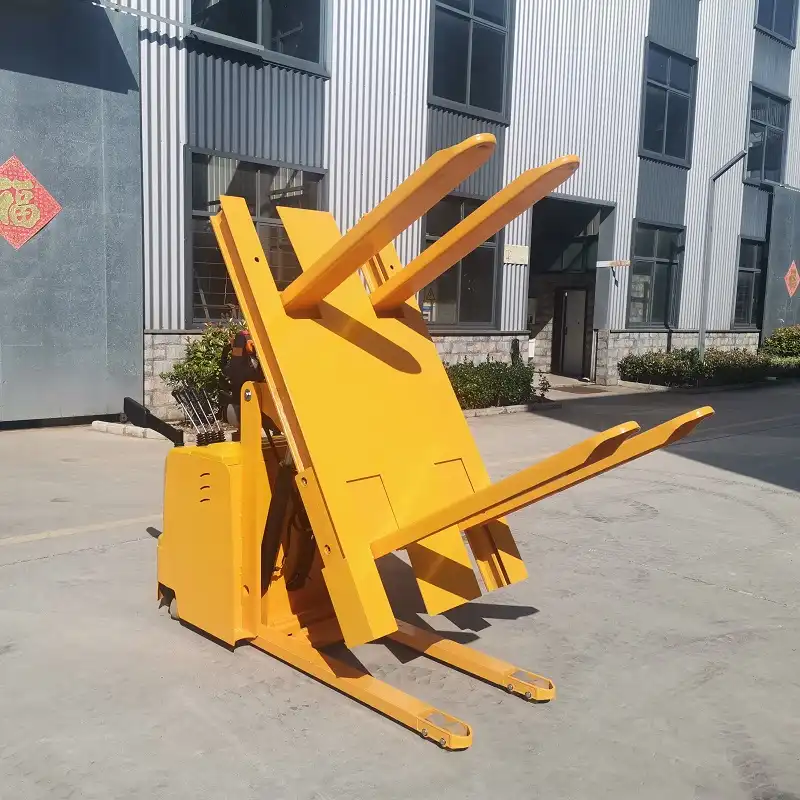
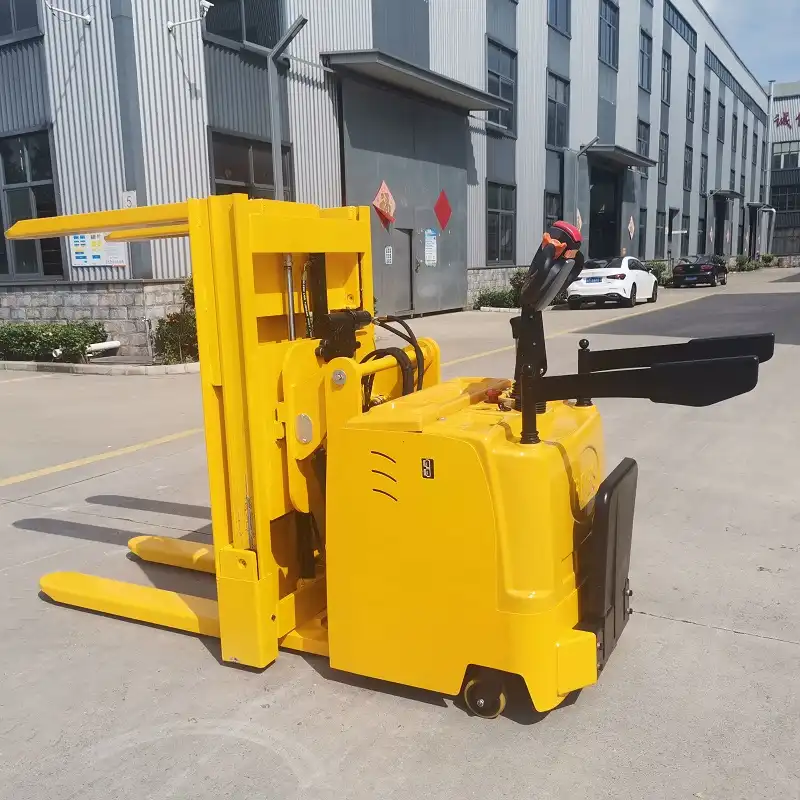
FHOPEPACK implemented a fully automated pallet inverter system specifically engineered for cold storage environments:
System Configuration:
- Heavy-duty pallet inverter with 3000kg capacity
- Food-grade stainless steel construction with cold-temperature lubricants
- Integrated PLC with HMI for parameter adjustments
- Laser alignment sensors for precise pallet positioning
- Thermal-compensated hydraulic system
Technical Specifications:
- Adjustable fork width: 800-1600mm
- Pallet size range: 1000×1200mm to 1400×1800mm
- Cycle time: 90 seconds (full transfer)
- Operating temperature: -25°C to +40°C
- Safety: Emergency stop system + light curtains
The customized solution included specialized cold-weather packages and automated centering technology to handle various pallet types without manual intervention. The system integrated seamlessly with existing conveyor lines while providing real-time operational data through the facility’s warehouse management system.
4. Implementation Process
Phase 1: Technical Assessment (Week 1-2)
- Site survey and workflow analysis
- Load testing with sample pallets
- Integration requirements mapping
Phase 2: Factory Acceptance (Week 3-6)
- Custom manufacturing with cold-storage specifications
- FAT (Factory Acceptance Testing) with client participation
- Performance validation under simulated conditions
Phase 3: Deployment (Week 7-8)
- Installation during scheduled maintenance window
- Integration with existing material handling equipment
- Commissioning and parameter optimization
Phase 4: Operational Transition (Week 9-10)
- Operator training (8 hours per shift team)
- SOP development and documentation
- Performance benchmarking and acceptance sign-off
The implementation maintained 95% operational availability during transition, with zero disruption to ongoing warehouse activities.
5. Quantifiable Results & ROI
| Metric | Before Implementation | After Implementation | Improvement |
|---|---|---|---|
| Transfer Time | 45 minutes | 90 seconds | 97% faster |
| Labor Requirement | 3 operators | 0.5 operator | 83% reduction |
| Load Damage Rate | 8% | 0.3% | 96% reduction |
| Throughput Variance | 25% | 3% | 88% improvement |
| Safety Incidents | 12/quarter | 0/quarter | 100% elimination |
The automated pallet inverter system achieved full ROI within 14 months through labor savings, reduced product damage, and improved equipment utilization. The solution also enabled predictable cycle times for better logistics planning and reduced energy costs from minimized door openings in temperature-controlled areas.
6. Customer Testimonial
“The automated pallet transfer system has transformed our cold chain operations. Our shipping accuracy has improved significantly, and we’ve eliminated the safety concerns associated with manual pallet handling in freezing environments. The consistency in load stability has reduced our insurance claims by 92% this quarter.” – Operations Manager, Midwest Cold Storage
“Our quality team reports near-zero damage during pallet transfers since implementation. The system’s precision handling maintains product integrity even with delicate pharmaceutical shipments. The automated documentation of each transfer has greatly simplified our compliance reporting.” – Quality Assurance Director
7. Conclusion
This cold storage application demonstrates FHOPEPACK’s expertise in solving material handling challenges across specialized environments. The engineered approach to automated pallet transfer addresses critical needs for load stability, operational efficiency, and workplace safety in temperature-controlled logistics.
The solution’s flexibility accommodates various pallet types and load configurations common in food, pharmaceutical, and chemical storage facilities across North America, Europe, and Middle East regions. For operations requiring consistent load integrity during pallet transitions, our engineering team provides customized assessments based on specific operational parameters and throughput requirements.








