
Optimizing Pharmaceutical Cold Chain Logistics with Automated Pallet Handling
1. Customer Background
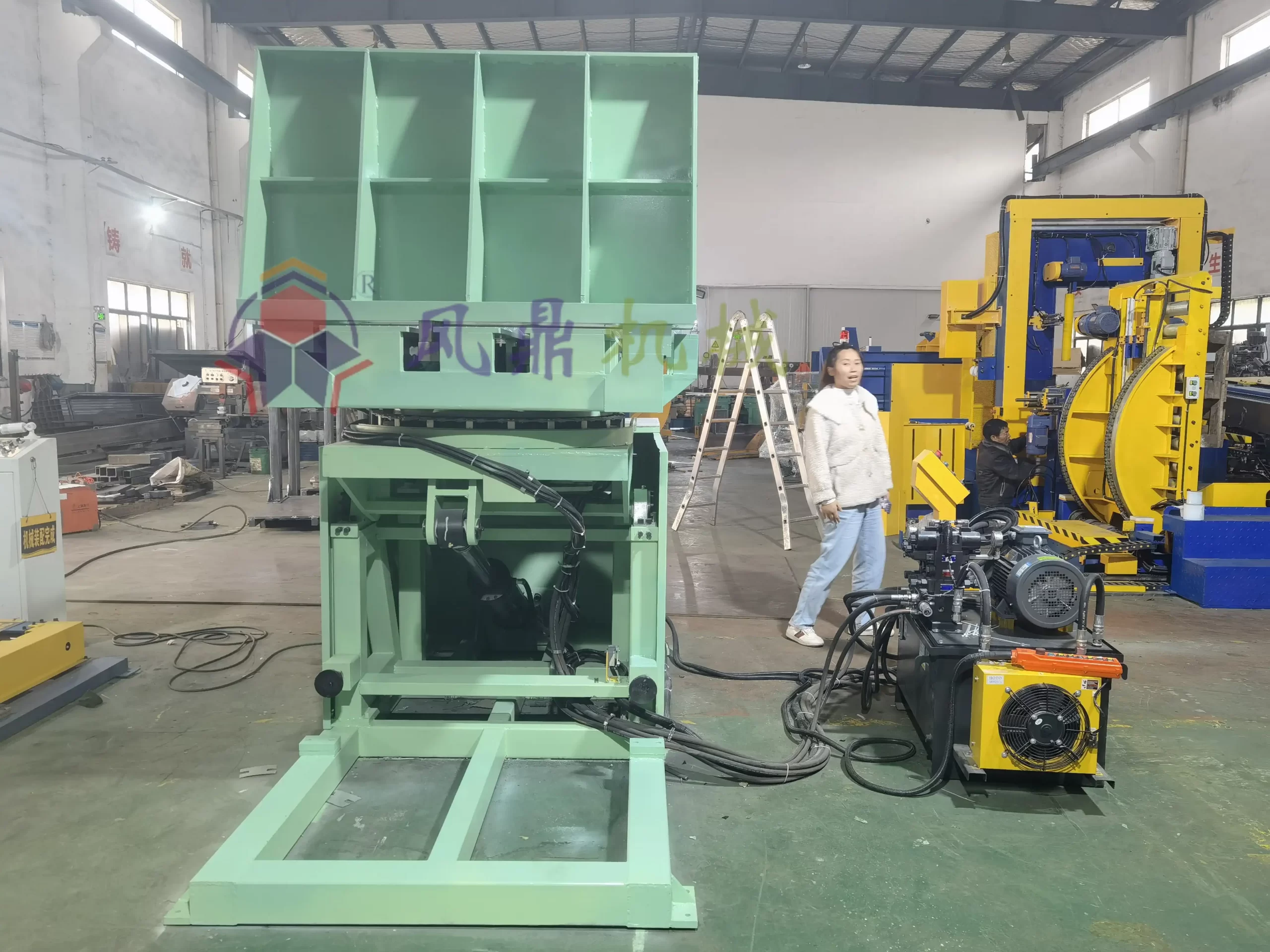
A leading pharmaceutical distributor in Europe faced significant challenges in their cold chain logistics operations. Handling temperature-sensitive medications between +2°C and +8°C required maintaining strict temperature control during pallet transfers between storage and shipping. Their manual pallet handling processes created bottlenecks in their Germany and Poland distribution centers, where they process over 500 pallets daily of vaccines and specialty medications.
The company sought automated solutions to maintain temperature integrity while improving handling efficiency. Their primary objectives included reducing human intervention in cold environments, minimizing product damage during transfers, and ensuring consistent operational throughput during peak demand periods.
2. Customer Challenges

| Challenge Category | Specific Issues |
|---|---|
| Efficiency | Manual pallet transfers required 15-20 minutes per unit, creating bottlenecks in cold chain workflow |
| Labor Costs | 8-person team per shift dedicated to pallet handling with high turnover due to extreme temperature exposure |
| Safety Risks | 3 reported musculoskeletal injuries annually from manual handling of 1,200kg pharmaceutical pallets |
| Quality Consistency | 7% product damage rate during manual transfers, primarily affecting secondary packaging |
| Temperature Control | Temperature excursions occurring during extended transfer times, risking product integrity |
3. FHOPEPACK Solution
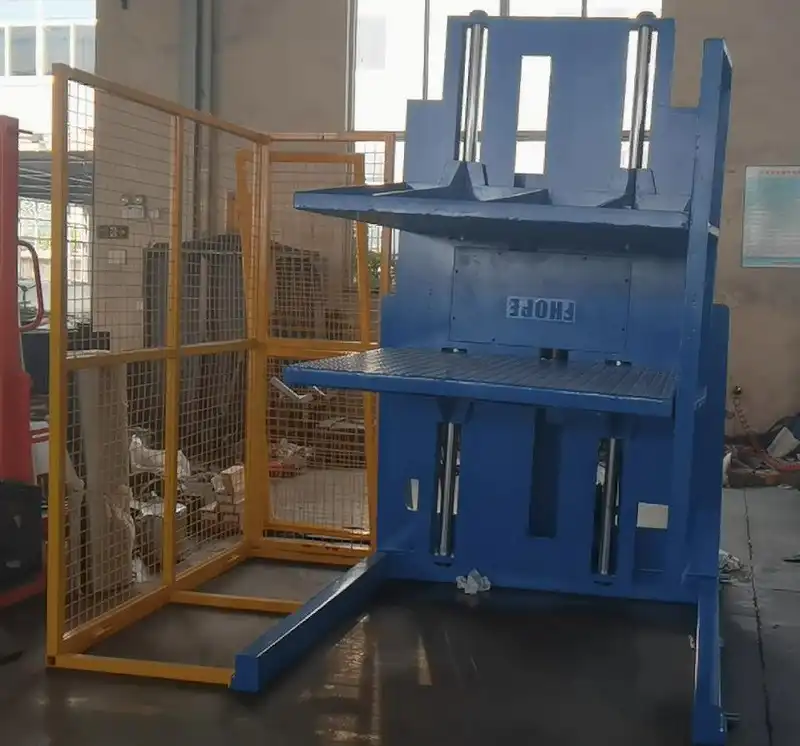
FHOPEPACK implemented a customized pharmaceutical-grade pallet inverter system specifically designed for cold chain applications:
Equipment Configuration:
- Heavy-duty pallet inverter with 1,500kg capacity
- Food-grade stainless steel construction with corrosion-resistant coating
- Integrated temperature monitoring sensors
- PLC-controlled hydraulic system with precision positioning
- Safety light curtains and emergency stop systems
Technical Specifications:
- Rotation speed: 180° in 45 seconds
- Temperature operating range: -25°C to +40°C
- Pallet size adaptability: 800×1200mm to 1200×1600mm
- Automated height adjustment for varying load dimensions
- CIP (Clean-in-Place) compatibility for pharmaceutical hygiene standards
The system was engineered to maintain product orientation and stability throughout the inversion process, eliminating the need for manual intervention in temperature-controlled environments.
4. Implementation Process
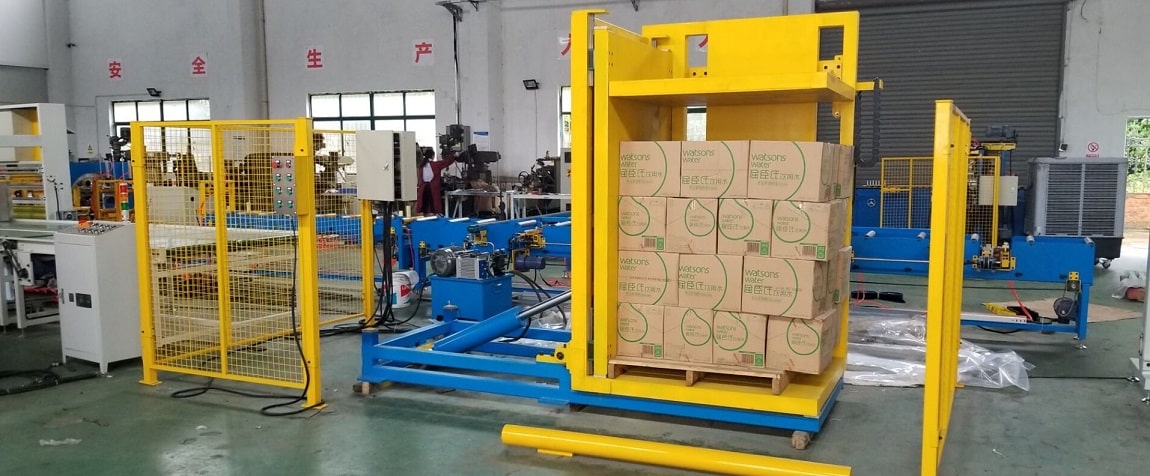
Phase 1: Technical Assessment (Week 1-2)
- Comprehensive site survey at German distribution center
- Thermal mapping of existing workflow patterns
- Load testing with actual pharmaceutical pallet configurations
Phase 2: System Customization (Week 3-6)
- Modified gripper system for pharmaceutical pallet types
- Integration with existing warehouse management software
- Cold environment performance validation (-25°C testing)
Phase 3: Deployment (Week 7-8)
- Factory Acceptance Testing with client quality team
- Installation during scheduled maintenance window
- PLC programming for batch traceability requirements
- Operator training for 24 personnel across three shifts
Phase 4: Validation (Week 9-10)
- Performance qualification with actual pharmaceutical products
- Temperature mapping verification during operations
- Final sign-off by client engineering and quality departments
5. Quantifiable Results & ROI
| Metric | Before Implementation | After Implementation | Improvement |
|---|---|---|---|
| Transfer Time per Pallet | 18 minutes | 3 minutes | 83% reduction |
| Labor Requirements | 8 operators/shift | 2 operators/shift | 75% reduction |
| Product Damage Rate | 7% | 0.5% | 93% reduction |
| Temperature Excursions | 12 monthly | 0 monthly | 100% elimination |
| Throughput Capacity | 25 pallets/hour | 65 pallets/hour | 160% increase |
| ROI Period | – | – | 14 months |
The automation eliminated 6 full-time equivalent positions per shift while increasing daily throughput from 400 to 650 pallets during peak vaccination campaigns.
6. Client Testimonial
“Our distribution centers in Germany and Poland have transformed their cold chain operations since implementing the FHOPEPACK system,” stated the Regional Operations Director. “The automated pallet handling has eliminated temperature deviations during transfers, which was our primary quality concern. More importantly, we’ve removed our team from repetitive heavy lifting in freezing environments while doubling our peak capacity.”
The Quality Assurance Manager added: “The consistency in pallet transfers has reduced our product damage to negligible levels. The system’s traceability features integrate seamlessly with our pharmaceutical serialization requirements, providing complete audit trails for regulatory compliance.”
7. Conclusion
FHOPEPACK’s engineering approach to pallet handling automation demonstrates measurable benefits for pharmaceutical cold chain logistics. The implemented pallet inverter solution addresses core industry requirements for temperature control, operational efficiency, and regulatory compliance across European distribution networks.
Our experience across multiple temperature-controlled environments—from UAE pharmaceutical storage to USA biotech distribution—confirms that automated pallet handling systems deliver consistent ROI while maintaining product integrity. For operations managing temperature-sensitive products, the engineering validation data supports consideration of automated solutions during facility upgrades or expansions.
Further technical specifications and validation protocols are available for quality and engineering teams evaluating cold chain automation improvements.








