
Why is a Coil Wrapping Machine Necessary for Steel Coil Handling in Kazakhstan?
Have you ever watched your production line grind to a halt because of a bottleneck at the packing stage? Or worse, experienced the sinking feeling when you hear about another workplace injury from manually handling heavy steel coils? These problems are real, especially in demanding environments like Kazakhstan’s heavy industry. Such issues can eat into your profits and slow down your entire operation.
A coil wrapping machine is crucial for steel coil handling in Kazakhstan because it directly addresses critical challenges like inefficient manual labor, high safety risks, and product damage during transport. It delivers significant improvements in operational speed, worker safety, and overall product integrity, making it an essential investment for modern manufacturing.
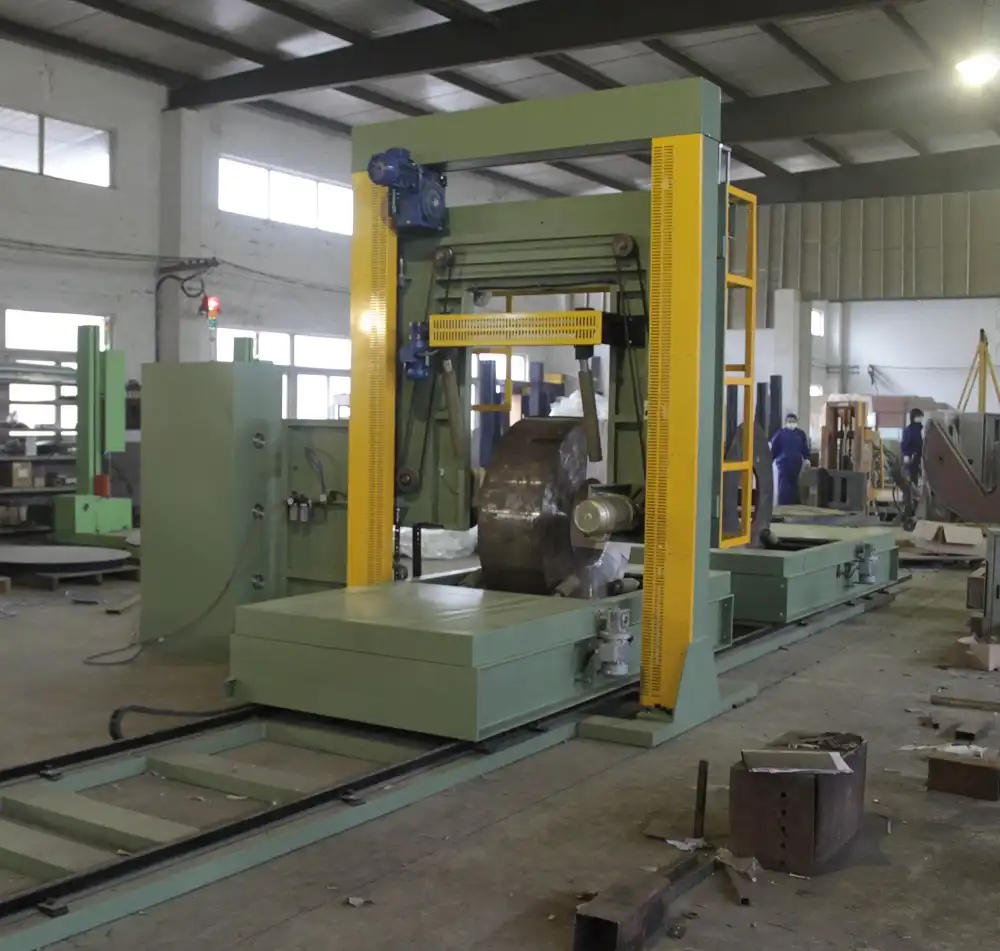
As someone who has spent years in the packing machine industry, from the factory floor to building my own successful manufacturing plant, I have seen these problems firsthand. I have helped many clients grow their businesses by solving these exact issues. Now, let us explore how automating your steel coil handling can transform your operations in Kazakhstan.
1. What are the Hidden Costs of Manual Steel Coil Handling in Kazakhstan?
Are you aware of the true cost of your current manual packing process? Many factory managers, especially in places like Kazakhstan, focus on direct costs. But the indirect costs, the hidden ones, often cause the biggest financial drain. These unseen expenses can severely impact your bottom line.
Manual steel coil handling in Kazakhstan creates substantial hidden costs through slow processing, high labor expenses, increased product damage, and elevated insurance premiums due to safety incidents, all of which reduce overall profitability and operational efficiency.

When I first started in the packing machine industry, I saw many factories, big and small, relying on brute force and manual labor. They thought it saved money by not buying machines. But the numbers often told a different story. The cumulative effect of these hidden costs can be staggering, leading to lost revenue and customer dissatisfaction. It is not just about moving coils; it is about moving them efficiently, safely, and without damage. This is a critical point for any business operating in a competitive market.
The True Financial Impact of Manual Processes
- Labor Intensive and Slow: Manual wrapping requires many workers. Each coil needs several people to move it, position it, and wrap it. This takes a long time. In Kazakhstan, labor costs are rising. Paying many people for a slow process becomes very expensive. If your packing line is slow, it slows down your entire factory. This means fewer products get out the door.
- Increased Risk of Product Damage: Moving heavy steel coils by hand or with basic equipment is risky. Coils can easily get dropped or hit during handling. Edges can bend, surfaces can scratch. This damage means returned products, rework, or even scrap. Each damaged coil directly reduces your profit. It also hurts your reputation with customers who expect perfect products.
- High Safety Risks and Insurance Costs: Handling heavy objects manually is dangerous. Workers can suffer back injuries, crushed limbs, or worse. This leads to medical bills, lost workdays, and high insurance premiums. Factories in Kazakhstan face strict safety regulations. Accidents can also bring heavy fines. Worker safety is not just a moral duty; it is a financial necessity.
- Inconsistent Packaging Quality: Manual wrapping is never perfectly consistent. Some coils might be wrapped too loosely, others too tightly. This can lead to coils unraveling during transport or being damaged by moisture. Customers expect consistent, high-quality packaging. Inconsistent quality leads to complaints and lost business.
| Cost Factor | Manual Handling | Automated Coil Wrapping |
|---|---|---|
| Labor Expense | High (multiple workers per coil) | Low (fewer operators, supervision) |
| Speed/Throughput | Slow (bottleneck for production) | Fast (consistent, high volume) |
| Product Damage | High (drops, dents, scratches) | Low (gentle, precise handling) |
| Safety Incidents | High (injuries, fines, high insurance) | Very Low (reduced human contact with heavy loads) |
| Packaging Quality | Inconsistent (human error) | Consistent (machine precision) |
| Material Usage | Potentially higher (waste from re-wrapping, poor seal) | Optimized (precise film application) |
| Long-term ROI | Negative (ongoing costs, lost revenue) | Positive (cost savings, increased output, market reputation) |
These hidden costs add up quickly. They show that investing in automation is not just an expense. It is a strategic move to save money and grow your business in the long run.
2. How Does a Coil Wrapping Machine Boost Safety and Reduce Labor Risks?
Are your employees constantly at risk when handling heavy steel coils? The safety of your workforce should always be a top priority. In heavy industries, especially with materials like steel, manual handling leads to serious and often life-changing injuries. This creates a stressful work environment and high employee turnover.
A coil wrapping machine significantly boosts safety and reduces labor risks by minimizing direct human interaction with heavy and potentially dangerous steel coils. It automates repetitive, physically demanding, and hazardous tasks, thereby preventing common workplace injuries and creating a safer operating environment for personnel.
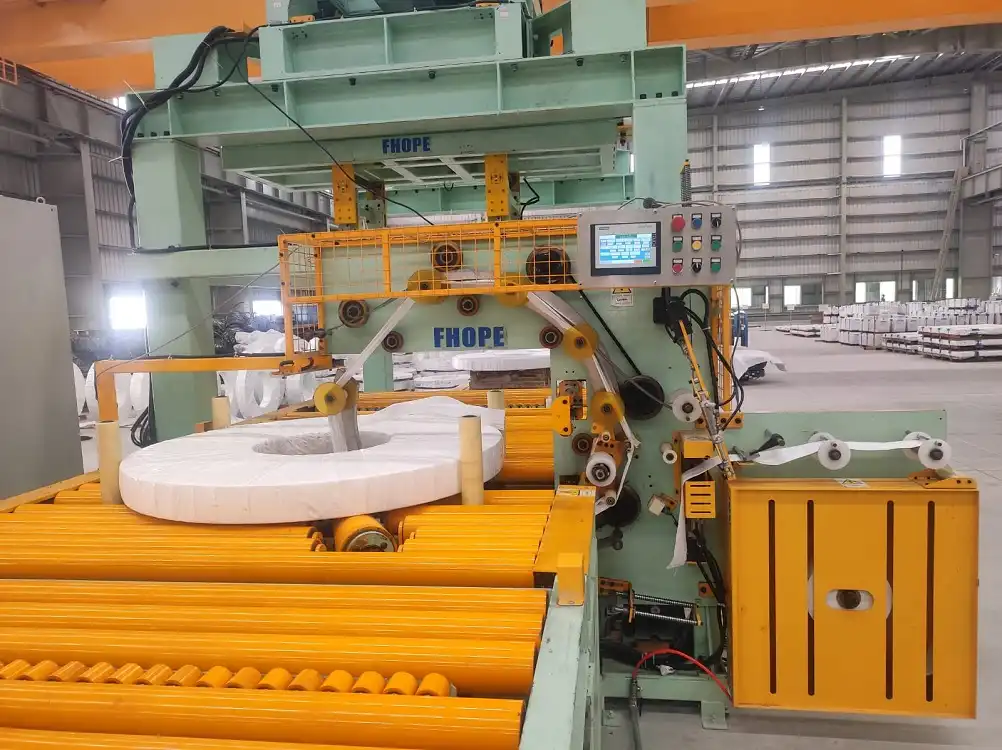
I remember when I was an employee at a packing machine factory. We often heard stories about accidents in partner factories. It was always due to manual lifting or awkward movements of heavy items. That stuck with me. When I built my own factory, safety was a core principle. I realized early on that machines, not people, should handle the heaviest and most dangerous tasks. This insight led me to strongly advocate for automated solutions like coil wrapping machines. They do more than just pack; they protect lives.
Key Safety Benefits of Automation
Automating the coil wrapping process removes many dangers from the workplace. Here is how a coil wrapping machine makes your factory a safer place:
- Reduces Manual Lifting and Carrying: Manual handling of steel coils is the biggest risk factor. Coils are heavy, awkward, and can cause severe back injuries, strains, or crush injuries if dropped. ➡️ A coil wrapping machine uses conveyors and automatic loading systems. Workers no longer need to lift or carry these heavy loads. This eliminates direct contact with the heaviest parts of the process.
- Eliminates Repetitive Strain Injuries (RSIs): Wrapping coils by hand involves repetitive motions. This can lead to injuries in the wrists, arms, and shoulders over time. ➡️ The machine handles all the wrapping. This removes repetitive tasks from human operators. Workers can focus on supervision, not strenuous labor.
- Minimizes Exposure to Moving Parts: In a manual setup, workers are often very close to moving coils or equipment like forklifts. This increases the chance of accidents. ➡️ Modern coil wrapping machines have safety guards, sensors, and emergency stops. They are designed to operate with minimal human intervention in the hazardous zone. This creates a safer distance for workers.
- Enhances Overall Workplace Ergonomics: Manual packing often requires workers to bend, stretch, and twist in uncomfortable positions. This causes fatigue and increases injury risk. ➡️ Automated systems are designed for optimal ergonomics. Workers typically stand at control panels or perform lighter tasks. This greatly improves their comfort and reduces physical strain.
- Prevents Accidents from Dropped Loads: Dropping a heavy steel coil can be catastrophic. It can injure workers nearby or damage other equipment. ➡️ Coil wrapping machines securely hold the coil throughout the process. This prevents accidental drops and ensures the coil stays stable during wrapping.
By taking these heavy and dangerous tasks away from human hands, a coil wrapping machine creates a much safer environment. This is good for your workers, and it is good for your business, too.
3. Can Automation Truly Improve Efficiency and Prevent Product Damage?
Are your production targets often missed because of slow packing? Do you constantly deal with customer complaints about damaged goods? Many factory managers in Kazakhstan face these exact frustrations. They wonder if investing in automation will truly solve these core problems or just add complexity.
Yes, automation, specifically using a coil wrapping machine, significantly improves efficiency by speeding up the packing process and prevents product damage through consistent, secure wrapping. This leads to higher throughput, fewer reworks, and greater customer satisfaction, directly addressing common operational bottlenecks and quality issues.
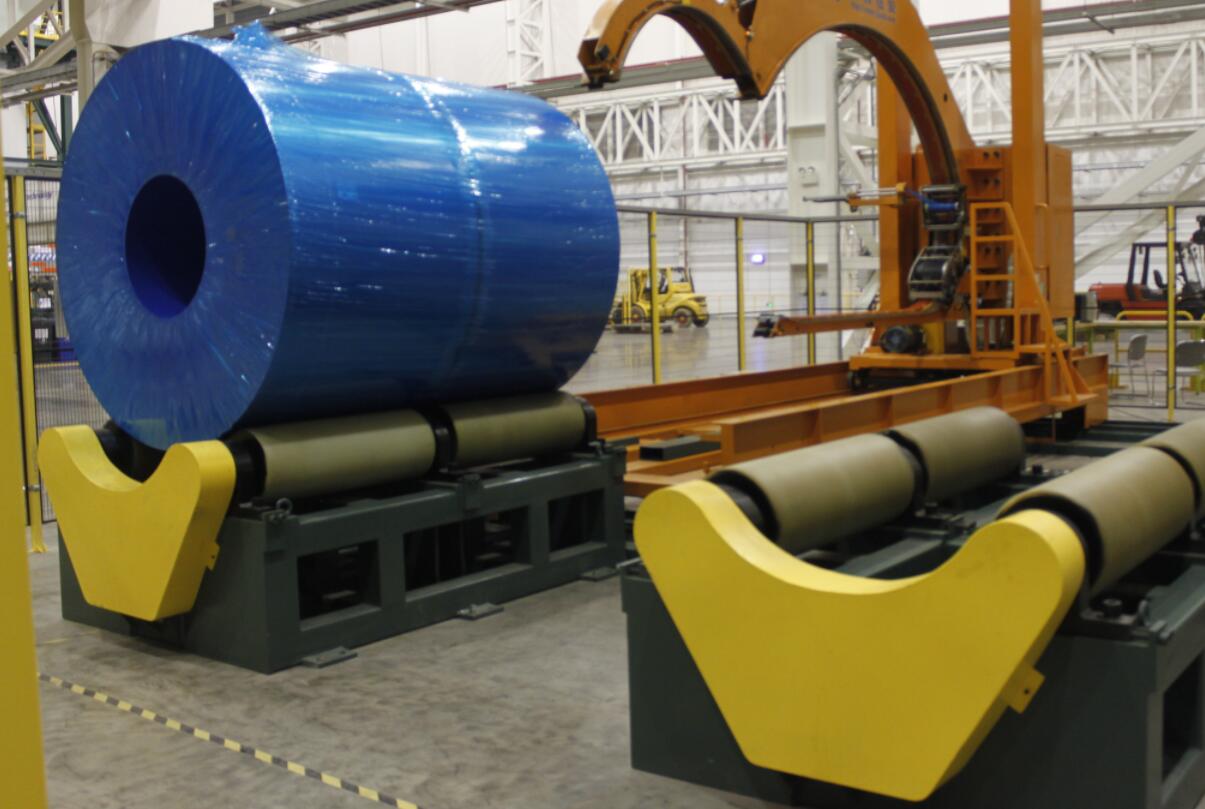
From my experience, when a factory makes the jump from manual to automated packing, the results are often dramatic. I have seen clients go from struggling with daily output to effortlessly meeting large orders. One client of mine, a steel wire manufacturer, used to spend hours manually bundling and wrapping. They faced constant complaints about scratched wire. After installing an automated system, their packing time dropped by 70%, and product damage became almost non-existent. This transformation proved to me that automation is not just a luxury; it is a necessity for efficiency and quality.
How Coil Wrapping Machines Drive Efficiency and Protect Products
- Faster Packing Cycles for Higher Throughput: Manual wrapping is slow and inconsistent. Each coil takes a different amount of time. An automated coil wrapping machine works at a constant, high speed. It can wrap many coils in the time it takes humans to wrap just a few. This means your packing line no longer bottlenecks the entire production. More finished products move out faster. This directly increases your factory’s overall output and capacity.
- Consistent and Secure Packaging: Humans make mistakes. This leads to inconsistent wrapping. Some coils might be loose, others might have gaps. This increases the risk of damage during transport or storage. A machine applies wrapping film with consistent tension and overlap every time. This creates a tight, secure, and uniform package. This reliable protection reduces moisture ingress, dust, and physical damage to the coil.
- Reduced Product Damage During Handling: Manual handling involves forks and slings that can scratch or dent the delicate surface of steel coils. Even small damages can lead to rejection by customers. Coil wrapping machines often integrate with conveyor systems. These systems move coils smoothly and gently. The machine wraps the coil without any harsh contact. This significantly lowers the chances of cosmetic or structural damage.
- Optimal Material Usage: Manual wrapping can lead to wasted film. Workers might use too much or wrap inefficiently. A coil wrapping machine is precise. It applies just the right amount of film needed for secure packing. This reduces material costs over time. It makes your operations more sustainable.
- Less Rework and Fewer Customer Complaints: When products are damaged or poorly packed, they might need re-wrapping or even be rejected by the customer. This means extra work and costs. It also hurts your reputation. High-quality, consistent packing from an automated machine means fewer damaged goods. This results in fewer reworks and, most importantly, fewer unhappy customers. Your products arrive safely and in perfect condition.
Choosing to automate with a coil wrapping machine is a clear path to boosting your factory’s efficiency and ensuring your products reach their destination in top condition.
4. Why is Choosing the Right Packing Machine Partner Crucial for Long-Term Success?
Have you ever bought equipment only to be left stranded with poor after-sales service? Many factory managers, like Michael Chen in our case, have faced this “supplier trust crisis.” They know that buying a machine is not just a transaction. It is an investment in their factory’s future. The right partner can make all the difference, especially for complex machinery like coil wrapping machines.
Choosing the right packing machine partner is crucial for long-term success because it guarantees not only high-quality equipment but also reliable after-sales support, expert installation, and ongoing technical guidance. A true partner understands your unique challenges and provides solutions that ensure the machine delivers maximum ROI over its lifespan, preventing costly downtime and operational headaches.
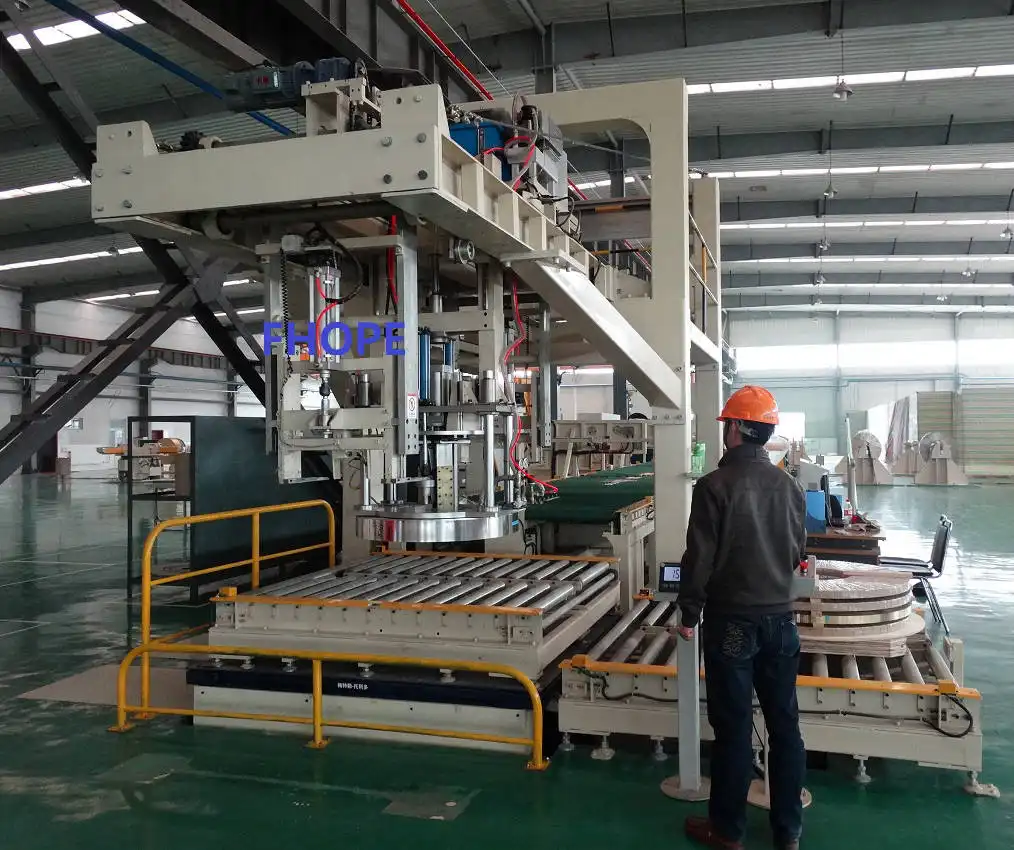
When I founded FHOPEPACK, my goal was always to be more than just a seller. I wanted to be a partner. I had seen too many businesses get stuck with machines that did not fit their needs or came with no support. This led to frustration and financial loss. From my years of building a successful factory, I learned that trust and expertise are invaluable. A good partner provides solid machines and stands by you for the entire journey. They help you optimize, troubleshoot, and adapt. This approach ensures your investment truly pays off.
Essential Qualities of a Reliable Packing Machine Partner
Picking the right supplier is as important as picking the right machine. Here is what to look for:
- Deep Industry Expertise and Understanding: Look for a partner who understands your industry. They should know the specific challenges of steel coil handling in regions like Kazakhstan. 💡 Insight: A partner with practical factory experience, like me, knows the operational pressures and can offer real solutions, not just sell a product. They can speak your language.
- Proven Track Record and Reliability: Check their history. Have they successfully installed similar machines in tough industrial environments? Do they have good references? ✅ Trustworthiness: A company with a long history of happy clients shows it can deliver. This prevents you from making a risky investment.
- Strong After-Sales Service and Support: Machines need maintenance, parts, and sometimes troubleshooting. What happens after the sale? 🛠️ Support System: A good partner offers training, readily available spare parts, and quick technical support. This minimizes downtime and keeps your operations running smoothly.
- Customization and Solution-Oriented Approach: Every factory is unique. A one-size-fits-all approach rarely works. Can they adapt a solution to your specific factory layout and production needs? ⚙️ Tailored Solutions: A partner who listens to your problems (like Michael Chen’s challenges) and offers a customized setup will ensure the machine truly solves your bottlenecks. They are not just pushing a standard product.
- Focus on Long-Term Relationship: Are they interested in just one sale, or do they want to build a lasting relationship? A true partner helps you grow. 🤝 Partnership Mindset: This means they care about your success. They will be there for future upgrades, expansions, and ongoing advice. This long-term view protects your investment.
Choosing a partner with these qualities means you are not just buying a machine. You are investing in a comprehensive solution and a relationship that will support your factory’s growth and profitability for years to come.
Conclusion
Investing in a col wrapping machine is vital for Kazakhstan’s steel industry to boost efficiency, enhance safety, reduce damage, and ensure long-term profitability through a reliable packing solution.








