
Why coil wrapping machine adoption grows in Poland’s steel and cable industry?
Imagine your factory floor. You see heavy steel coils, thick cables, and a team of workers manually wrapping them. This process is slow. It creates bottlenecks. It often leads to injuries. These problems are real, and they cost businesses a lot of money and time. This situation is why many factory managers, especially in places like Poland, are now looking for better ways to do things.
Coil wrapping machine adoption is growing in Poland’s steel and cable industry because these machines directly solve critical factory challenges. They boost efficiency by automating labor-intensive tasks, greatly improve worker safety by reducing manual handling of heavy items, and ensure product integrity by providing consistent, protective packaging. This shift helps Polish manufacturers cut costs, meet higher market demands, and stay competitive.
I know these challenges well. I started as an employee in a packing machine factory. Later, I built my own successful factory. I saw firsthand the struggles and the potential for improvement. That experience taught me how vital the right equipment and the right partner are. Let’s explore why more and more Polish factories are turning to automation for their packing needs.
1. Why do manual processes no longer meet modern production demands in Poland’s factories?
Do you ever feel like your production line is moving fast, but then everything slows down at the packing stage? This is a common problem. Many factories still use old, manual ways to pack steel coils or cables. This outdated method causes real delays and creates many other issues.
Manual packing processes no longer meet modern production demands in Poland’s factories because they are inherently slow, prone to human error, and create significant bottlenecks at the end of the production line. These methods prevent factories from achieving high output targets and delay delivery times, making them less competitive in today’s fast-paced global market.
Let me explain this further. When I talk to factory managers, many share the same concerns. They tell me their output could be much higher if only the packing process kept up. Manual wrapping involves a lot of lifting, turning, and securing. Each step takes time. When you multiply this by hundreds or thousands of coils or cable bundles, the lost time adds up quickly. This situation creates a clear “efficiency bottleneck.” Your whole factory can run fast, but if packing is slow, your overall output suffers. We must think about the entire flow. Also, manual work means inconsistent quality. One worker might wrap a coil tightly, another less so. This leads to varying package quality. This inconsistency can affect how your product looks and how well it is protected during transit. In today’s market, customers expect fast delivery and perfect quality. Manual packing simply cannot meet these high standards reliably.
A. The Hidden Costs of Slow Packing
Many people only see the labor cost for manual packing. But the real costs go much deeper.
- Lost Production Time: Every minute a finished product waits to be packed is a minute your factory is not sending goods out. This means less revenue.
- Overtime Expenses: To catch up, factories often pay workers overtime. This quickly drives up operational costs.
- Storage Issues: Unpacked products take up valuable space on the factory floor, creating clutter and safety hazards.
- Delayed Deliveries: Late shipments lead to unhappy customers. It can even lead to penalties or lost contracts.
Let’s look at a simple comparison:
| Factor | Manual Coil Packing | Automated Coil Wrapping Machine |
|---|---|---|
| Speed | Slow, labor-intensive | Fast, consistent, high output |
| Consistency | Varies by worker, potential errors | High, uniform, repeatable |
| Labor Needs | High, multiple workers | Low, one operator for multiple tasks |
| Operational Cost | High (labor, overtime, delays) | Lower (reduced labor, higher output) |
| Bottleneck Risk | High, common occurrence | Low, designed for continuous flow |
This table makes it clear. Automated systems handle more volume in less time. They do it with fewer people. This directly translates to better efficiency and lower costs. My own journey showed me that investing in the right machinery is not just about buying equipment. It is about investing in your factory’s future capability. It is about unlocking its full potential.
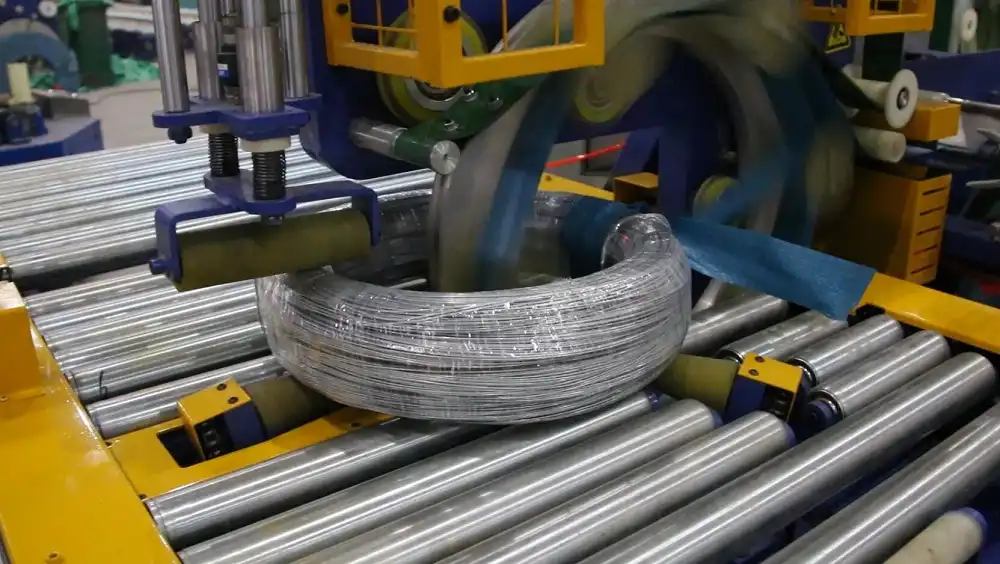
2. How are coil wrapping machines making factories safer and more compliant with regulations?
Safety in a factory is not just a nice-to-have; it is a must. Especially when dealing with heavy items like steel coils or wire bundles. Manual handling of these materials is incredibly risky. I have seen many situations where workers face danger daily. This is another big reason why coil wrapping machines are becoming so popular in Poland.
Coil wrapping machines are making factories safer and more compliant with regulations by significantly reducing the need for manual handling of heavy and awkward loads. They minimize the risk of sprains, strains, crushing injuries, and other workplace accidents associated with lifting, moving, and securing large coils, thereby lowering insurance costs and improving overall worker well-being.
Let me share a common scenario. Imagine a worker trying to secure a heavy steel coil. This often involves bending, lifting, and awkward body positions. One wrong move can lead to a serious back injury, a crushed foot, or worse. Michael Chen, a factory manager I know, often talks about this. He mentioned how manual handling leads to high injury rates and rising insurance costs. It also makes it hard to keep good employees. Workers simply do not want jobs that put their health at risk every day. Coil wrapping machines take away this direct human interaction with the heaviest parts of the packing process. The machines do the heavy lifting, the rotating, and the wrapping. This keeps workers safe. They only need to monitor the machine and load/unload coils, often with forklifts or cranes, which are safer methods. This change not only protects your team but also helps your factory meet strict safety rules. Many countries, including Poland as part of the EU, have strong regulations about worker safety. Using automated equipment shows a commitment to these standards.
A. Protecting Your Most Valuable Asset: Your Employees
Your employees are your most important asset. Keeping them safe directly impacts your business’s success.
- Reduced Physical Strain: Machines eliminate repetitive strain injuries. These are common in manual packing.
- Lower Accident Rates: Fewer hands-on tasks with heavy objects mean fewer accidents like drops or crushes.
- Improved Morale: Workers feel valued when their employer invests in their safety. This can lead to better job satisfaction and lower staff turnover.
- Compliance with Standards: Automated solutions help factories comply with national and international safety regulations. This avoids fines and legal issues.
Consider the common risks in manual heavy coil packing:
| Risk Category | Manual Packing Challenges | Automated Machine Solution |
|---|---|---|
| Musculoskeletal Injuries | Back strain, sprains from lifting/twisting | Machine handles heavy lifting and rotation |
| Crushing Hazards | Fingers/limbs caught between coils or strapping tools | Operators work at a safe distance from moving parts |
| Falling Objects | Coils tipping during manual manipulation | Coils securely held and manipulated by machine |
| Fatigue-Related Errors | Tired workers make mistakes, increasing risk | Machine operates consistently, reducing human error |
| Compliance Fines | Non-compliance with safety regulations leads to penalties | Aids in meeting safety standards, demonstrating due diligence |
By removing workers from the direct danger zone, coil wrapping machines turn a high-risk job into a low-risk one. I learned early in my career that safety is not an expense. It is an investment. It protects your people. It protects your reputation. It also protects your bottom line. Investing in these machines is a clear way to show you care about your team.
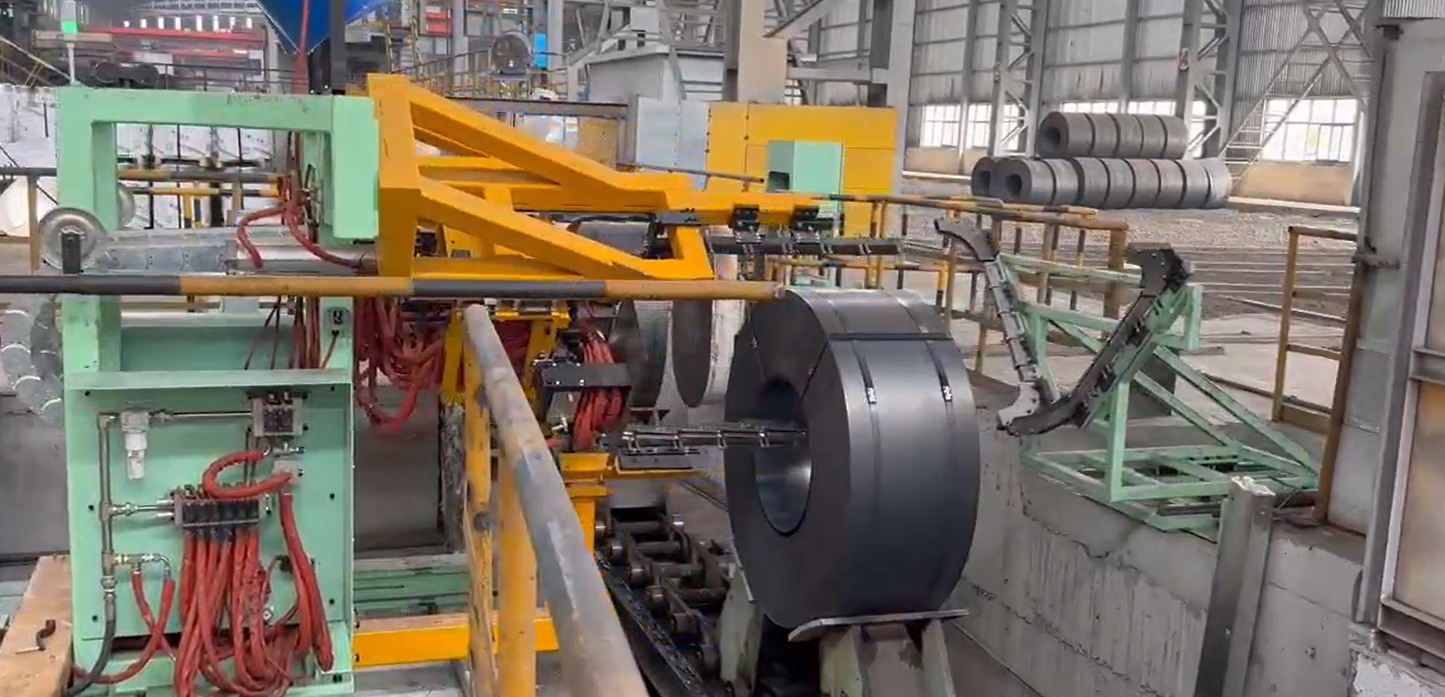
3. What role does advanced packing play in protecting products and boosting customer satisfaction?
Have you ever had a customer complain about a damaged product upon arrival? It is a frustrating experience for everyone. In the steel and cable industry, product damage during transit or even internal handling is a real concern. This can quickly erode trust and profits. This is where advanced packing, like that offered by coil wrapping machines, becomes a game-changer.
Advanced packing plays a crucial role in protecting products and boosting customer satisfaction by providing consistent, robust, and custom-fit packaging that safeguards against damage from impact, moisture, dust, and corrosion during storage and transit. This ensures products arrive in perfect condition, reduces costly returns and claims, and enhances the brand’s reputation for quality and reliability.
Let me explain the real impact here. When I was building my factory, I saw how much product could be lost or damaged. Even small scratches on a steel coil’s edge can make a customer reject an entire shipment. Michael Chen mentioned this as a major challenge for his factory. Product loss directly impacts profits. It also leads to customer complaints and a damaged reputation. Manual packing methods often fall short in providing consistent protection. The wrapping might be too loose in some spots, leaving parts exposed. Or, the material used might not be strong enough for the journey. Coil wrapping machines change this. They apply wrapping material with consistent tension and overlap, creating a tight, uniform, and durable barrier. This protective layer shields the product from various harms. It protects against physical damage during handling and transport. It also protects against environmental factors like moisture, dust, and even UV light.
A. Beyond Just Wrapping: Real Protection
Good packing is more than just covering an item. It is about creating a protective shield.
- Damage Prevention: Machines apply wrapping materials (like stretch film, VCI film, or woven fabric) tightly and evenly. This prevents scratches, dents, and corrosion.
- Environmental Protection: The tight wrap protects against dust, dirt, and moisture. This is especially important for products like steel that can rust.
- Consistent Quality: Every coil gets the same high level of protection. This means customers always receive products in perfect condition.
- Brand Reputation: Delivering undamaged products consistently builds customer trust. It shows you care about quality, not just the product itself, but its safe arrival.
Consider how effective packaging translates into customer satisfaction:
| Aspect | Manual Packing Outcomes | Automated Packing Outcomes |
|---|---|---|
| Product Condition on Arrival | Higher risk of scratches, dents, rust | Products arrive in pristine condition |
| Customer Complaints | Frequent complaints about damage, returns | Significantly reduced complaints, fewer returns |
| Brand Perception | Seen as less reliable, quality concerns | Perceived as high-quality, trustworthy supplier |
| Shipping Costs | Potential costs for re-shipments, claims | Reduced costs due to fewer issues |
| Long-term Relationships | Can strain relationships, lose repeat business | Fosters strong, long-term customer loyalty |
In my experience, a well-packed product speaks volumes about a company’s commitment to quality. It shows respect for the customer. In Poland, with its growing industrial base and export potential, this attention to detail is critical for competing in the global market. Giving customers exactly what they ordered, without issues, turns them into repeat buyers. This is how you grow a business.
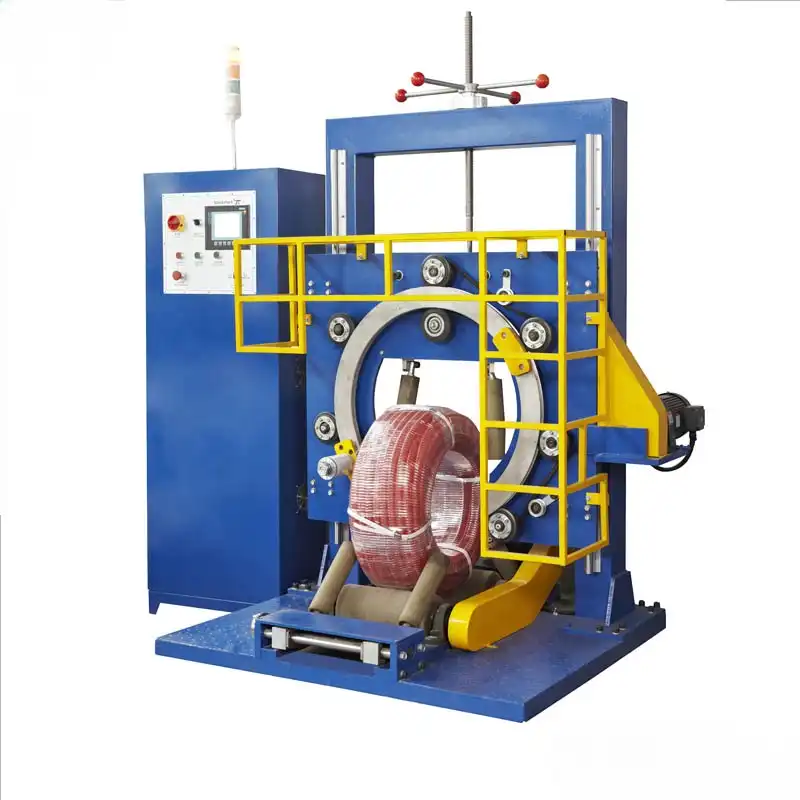
4. Why is choosing the right partner crucial for long-term success in automation investments?
Investing in a coil wrapping machine is a big decision for any factory. It is not just about the machine itself. It is about the support, the expertise, and the relationship you build with your supplier. I have seen many factories struggle because they picked the wrong partner. This is why I always emphasize the importance of finding someone who truly understands your needs.
Choosing the right partner is crucial for long-term success in automation investments because a reliable supplier offers more than just equipment. They provide expert consultation, tailored solutions, robust after-sales support, and a deep understanding of industry challenges, ensuring your investment truly solves problems, delivers optimal ROI, and supports sustainable growth, avoiding costly mistakes and downtime.
My journey in the packing machine industry taught me a lot about partnerships. I started as an employee. Then, I founded my own successful factory. I saw firsthand what it takes to make a factory run well. I learned that having the right equipment is one part, but having a partner who stands by you is equally important. Michael Chen, the factory manager, has faced “supplier trust crises” in the past. He told me about suppliers who only focused on making a sale and then disappeared when problems arose. This is a common story. A good partner does not just sell you a machine. They listen to your challenges. They visit your factory. They understand your production flow, your safety concerns, and your efficiency bottlenecks. They use this knowledge to recommend the best solution, not just the most expensive one. They also offer strong after-sales service, spare parts, and technical support. This means if something goes wrong, you have someone reliable to call. This level of support ensures your investment continues to pay off year after year. It prevents costly downtime and keeps your operations smooth.
A. What to Look for in Your Automation Partner
When I advise clients, I tell them to look beyond the price tag.
- Industry Expertise: Does the supplier truly understand your industry? Do they know about steel, cables, and your specific packing needs?
- Customized Solutions: Do they offer standard machines, or can they adapt equipment to your unique factory layout and product types?
- Reliable After-Sales Support: What kind of warranty, spare parts availability, and technical assistance do they offer? This is vital for long-term operation.
- Track Record and Reputation: Have they helped other businesses succeed? Do they have positive testimonials or case studies?
- Long-Term Vision: Are they interested in a one-time sale or in building a lasting relationship based on your growth?
I founded FHOPEPACK because I wanted to share my knowledge. I wanted to be the kind of partner I wished I had more of when I was starting. My goal is to help others achieve success, just as I did. For example, when a client comes to me with efficiency problems, I do not just push a machine. We talk about their entire process, from raw materials to shipment. We identify specific pain points. Only then do we suggest a solution. This could be a specific coil wrapping machine, or it could be a whole packing line. This approach, which focuses on solving real problems and delivering clear ROI, is what truly defines a valuable partnership. It’s about being an extension of your team, dedicated to your factory’s success. For factories in Poland looking to upgrade, this expert guidance is not just an option; it is a necessity to ensure their automation investment truly pays off.

Conclusion
Poland’s steel and cable industries are embracing coil wrapping machine technology to boost efficiency, enhance safety, protect products, and secure long-term success through trusted partnerships. This investment in automation is smart business.








