
Why Canadian Logistics Hubs Adopt Pallet Inverters for Safer Pallet Switching?
In today’s fast-paced supply chain, simply moving goods is not enough. You need to move them efficiently, safely, and cost-effectively. Many logistics managers, like Carlos, find themselves stuck with outdated methods for pallet handling. This causes headaches, slows things down, and puts people at risk.
Canadian logistics hubs are increasingly adopting pallet inverters because these machines offer a safer, more efficient, and cost-effective way to handle diverse pallet types and replace damaged goods, directly addressing critical safety concerns and operational bottlenecks in a demanding environment.
If you are a logistics manager or supply chain executive, you know the daily grind involves more than just numbers. It is about people, efficiency, and making sure your operations run smoothly without a hitch. Let’s look closer at why this shift is happening and what it means for your business.
Why is manual pallet switching a growing safety risk for Canadian logistics hubs?
Imagine your team spending hours manually transferring goods from one pallet type to another. It sounds like hard work because it is. This is a common scene in many warehouses. But this manual effort comes with big risks.
Manual pallet switching in Canadian logistics hubs is a growing safety risk due to the physical strain on workers, the high potential for accidents like falling goods or crushing injuries, and the consistent exposure to heavy lifting, which leads to increased injury rates and associated costs.

From my years in the packing machine industry, starting as an employee and then running my own factory, I have seen firsthand how much impact safety has on a business. A single accident can stop operations, increase insurance costs, and hurt staff morale. For Canadian logistics hubs, where throughput is high and diverse pallet types are common for international trade, these risks are even higher.
Let’s dive deeper into the core safety challenges with manual pallet switching:
-
High Risk of Worker Injury 🤕
- Musculoskeletal Disorders: Workers often lift heavy items, bend, twist, and reach. This repetitive motion leads to back injuries, sprains, and strains. These injuries mean lost work days and higher workers’ compensation claims. It affects your team’s health and your bottom line.
- Crushing and Trapping Hazards: Moving heavy pallets or stacks of goods manually increases the chance of items falling or trapping limbs. A pallet can weigh hundreds of kilograms. Imagine the force if it shifts incorrectly. This is not just about minor bumps. These can be serious, life-altering accidents.
- Fatigue and Human Error: Long shifts and physically demanding tasks cause fatigue. A tired worker is more likely to make mistakes. One slip, one moment of distraction, can lead to an accident. This increases the risk for everyone in the warehouse.
- Lack of Ergonomics: Manual processes often do not consider proper ergonomics. This means tasks are not designed to suit human capabilities. Over time, this wears down the body. It makes the work harder and more dangerous.
-
Operational Delays and Cost Implications 💰
- Increased Downtime: When an accident happens, work stops. Investigations take place. Injured workers need help. This downtime costs money and reduces productivity. It throws off your schedule and can lead to missed deadlines.
- Higher Insurance Premiums: A history of workplace accidents directly impacts your insurance rates. Insurers see higher risk, and they charge more. This is a hidden cost of manual labor that many companies overlook.
- Legal and Compliance Risks: Workplace safety is heavily regulated. Breaching safety standards can lead to fines and legal action. This adds another layer of risk to manual operations. It is not just about avoiding accidents; it is about following the rules.
- Staff Turnover: Nobody wants to work in an unsafe environment. High injury rates or a reputation for unsafe practices can make it hard to find and keep good workers. This is especially true with labor shortages. Losing experienced staff means more training costs and lower overall efficiency.
-
Compromised Product Integrity 📦
- Damage to Goods: Manual handling often means less stable stacks or accidental drops. This can damage your products. Damaged goods mean losses, returns, and unhappy customers.
- Contamination Risks: For industries like food and beverage, manual pallet changes increase the risk of contamination. Workers might touch products or use less sanitary methods. Pallet inverters keep the product secure and minimize human contact. This protects your brand and your customers.
These risks are not just theoretical. They are real issues that affect real businesses every day. That’s why I am so passionate about sharing solutions that make operations safer and smarter.
How do pallet inverters address diverse pallet standards and boost efficiency?
Handling different pallet sizes, like Euro pallets and American pallets, is a constant challenge. This is especially true in international trade. Manual methods are slow and prone to errors. They create a bottleneck in the supply chain.
Pallet inverters address diverse pallet standards and boost efficiency by quickly and safely transferring goods between different pallet types, eliminating manual labor, reducing transfer time, and ensuring product stability, which is vital for smooth international shipping and warehouse operations.
When I was building my factory, I realized early on that efficiency is key. Every minute saved, every error prevented, adds up. This is where pallet inverters shine. They take a complex, time-consuming task and make it simple.
Let’s look at how pallet inverters tackle these challenges:
-
Seamless Pallet Type Transition 🔄
- Euro vs. American Pallets: Many Canadian logistics hubs deal with both Euro (1200x800mm) and American (48×40 inches) pallets. Pallet inverters can clamp a load and gently rotate it or push it from one pallet onto another. This removes the need for manual restacking. It handles the size difference without a problem.
- Plastic vs. Wood Pallets: Some countries or industries require plastic pallets for hygiene reasons. Others use wood. Pallet inverters make it easy to switch from a wooden shipping pallet to a sanitary plastic pallet for internal storage or vice versa. This ensures compliance without slowing down.
- Damaged Pallet Replacement: Pallets get damaged. Instead of manually moving all the goods off a broken pallet, a pallet inverter secures the load. Then it removes the damaged pallet and replaces it with a new one. This saves time and prevents further damage to the product.
-
Significant Boost in Operational Efficiency 🚀
- Reduced Transfer Time: Manual pallet changes can take 15-30 minutes or more per pallet, depending on the load. A pallet inverter can do the same job in a few minutes. This speed difference allows for higher throughput. It means more pallets processed per hour.
- Fewer Labor Hours: One operator can manage a pallet inverter. This frees up multiple workers who would otherwise be manually handling goods. This addresses labor shortages. It also allows your staff to focus on more complex, value-added tasks.
- Minimized Product Damage: Manual handling always carries the risk of dropping or bumping products. Pallet inverters hold the load securely. They perform the transfer with precision. This significantly reduces product damage. It protects your inventory and your profit margins.
- Streamlined Workflow: By automating this crucial step, the entire warehouse workflow becomes smoother. No more bottlenecks at the pallet changing station. Goods move faster from receiving to shipping. This impacts everything, from inventory management to delivery times.
-
Enhanced Adaptability and Flexibility ✅
- Handling Diverse Loads: Pallet inverters are versatile. They can handle a wide range of load types, sizes, and weights. Whether it is cases of food, bags of raw materials, or drums, the machine adapts. This makes them a flexible solution for various industries.
- Integration with Existing Systems: Many pallet inverters can be integrated into existing conveyor systems or used as standalone units. This flexibility makes them a practical addition to almost any warehouse layout. You do not need to overhaul your entire operation.
- Compliance with Regulations: With varying international shipping regulations, being able to quickly change pallet types is key. Pallet inverters ensure you meet these standards without delaying shipments. This prevents fines and keeps your customers happy.
In my experience, investing in the right equipment is not just about buying a machine. It is about buying a solution that solves real problems. Pallet inverters are one such solution that brings immense value to logistics operations.
Can automation with pallet inverters truly cut down on operational costs?
When you look at automation, the first thing people often think about is the upfront cost. But I always tell people to look at the total cost of ownership. What you save in the long run often far outweighs the initial investment.
Yes, automation with pallet inverters truly cuts down on operational costs by significantly reducing labor expenses, minimizing product damage, lowering injury-related costs, improving overall efficiency, and optimizing warehouse space, leading to substantial long-term savings for Canadian logistics hubs.

I have seen countless businesses grow because they made smart investments in automation. From my journey in the packing machine industry, I know that financial independence often comes from making operations leaner and more efficient. Pallet inverters are a prime example of this.
Here’s how pallet inverters contribute to significant cost savings:
-
Reduced Labor Costs 💸
- Fewer Personnel Needed: As mentioned before, a single pallet inverter can replace the work of several manual laborers. In regions like Canada, where labor costs are high and skilled labor is scarce, this is a huge saving. You can reallocate staff to other vital tasks.
- Lower Overtime Expenses: With faster pallet switching, tasks are completed quicker. This reduces the need for costly overtime pay. Your team can finish their work within regular hours.
- Mitigation of Labor Shortages: With fewer people needed for this specific task, you are less affected by market labor shortages. This helps maintain consistent operations even when staffing is tight. It provides stability to your workforce.
-
Decreased Damage and Waste ♻️
- Less Product Loss: Automated handling is gentler and more precise than manual handling. This means fewer dropped boxes, fewer broken items, and less spoilage. Reducing product loss directly improves your profit margins.
- Fewer Pallet Replacements: Manual handling can also damage the pallets themselves. Pallet inverters handle pallets with care, extending their lifespan. This reduces the need to buy new pallets frequently.
- Reduced Rework and Returns: When products are damaged during internal handling, it often leads to rework, repacking, or even returns from customers. These processes are expensive and time-consuming. Pallet inverters help prevent this.
-
Lower Safety-Related Expenses ⛑️
- Reduced Insurance Premiums: A safer workplace with fewer accidents often leads to lower workers’ compensation and general liability insurance premiums. Insurance companies reward companies with good safety records.
- Avoidance of Fines and Penalties: Compliance with safety regulations is easier with automated equipment. This helps avoid costly fines and legal troubles that can arise from workplace injuries.
- Decreased Absenteeism: Fewer injuries mean less time off for workers. This keeps your team productive and reduces the burden of finding temporary replacements. A healthy workforce is a happy and productive workforce.
-
Optimized Operational Efficiency and Space Utilization 📊
- Faster Throughput: The speed of pallet inverters means more goods move through your warehouse faster. This increases overall capacity without needing more physical space. It makes your existing space work harder.
- Improved Flow: By removing bottlenecks, pallet inverters improve the overall flow of goods. This reduces idle time for other equipment and personnel. It makes the entire operation more synchronized.
- Better Space Management: Some pallet inverters allow for better stacking or storage configurations. This helps optimize warehouse space. Every square foot counts in a logistics hub.
The initial investment in a pallet inverter pays for itself through these long-term savings. It is a strategic move that sets your business up for sustainable growth.
What makes a pallet inverter a smart investment for meeting client demands?
Today’s clients expect fast and accurate deliveries. From e-commerce to retail, the pressure for quicker turnaround times is always growing. Meeting these demands requires agile and reliable operations.
A pallet inverter is a smart investment for meeting client demands because it ensures faster order fulfillment, improves delivery accuracy, supports diverse shipping requirements, and enhances overall operational reliability, all crucial factors for building strong client relationships and maintaining a competitive edge.
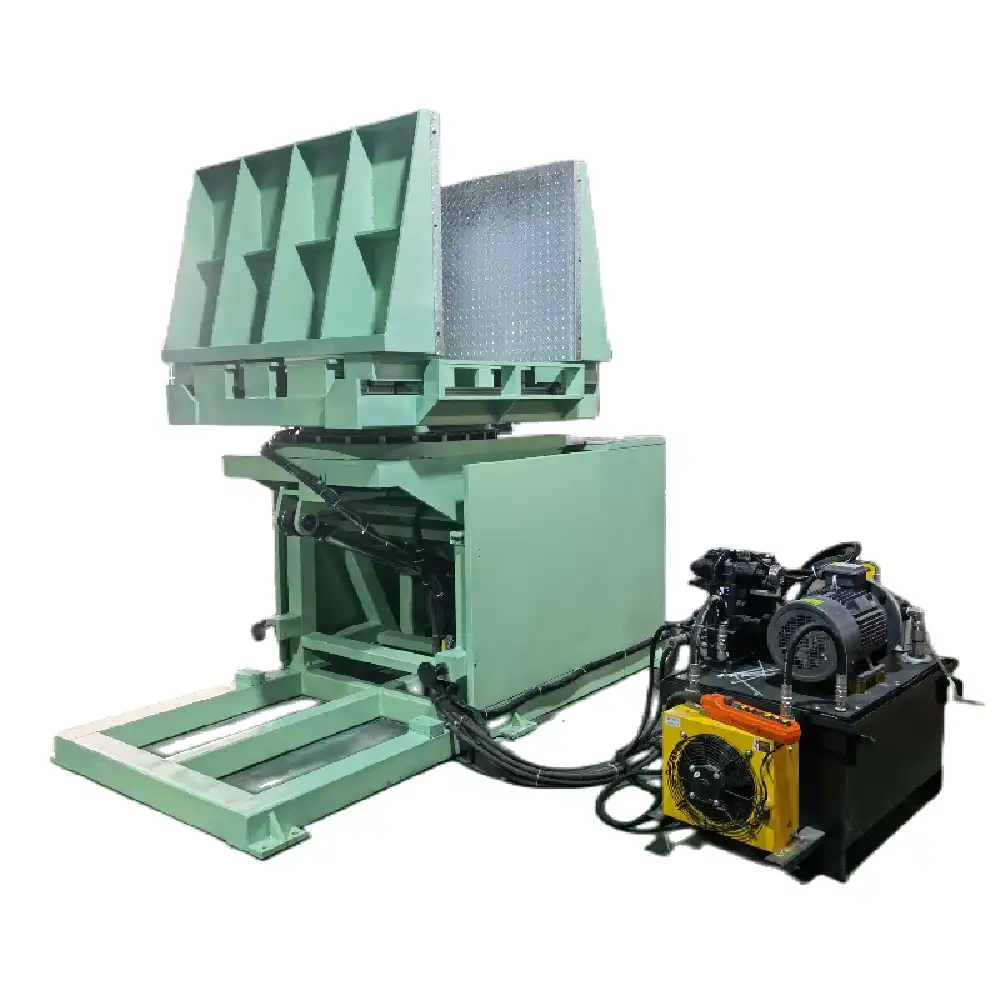
In my time in the industry, I have seen that satisfied clients are the best way to grow a business. When I first started my factory, I knew that delivering on promises was everything. Pallet inverters help you do just that.
Here is why a pallet inverter is a strategic asset for client satisfaction:
-
Accelerated Order Fulfillment ⏱️
- Reduced Processing Time: Pallet inverters dramatically cut down the time it takes to prepare shipments. This means orders are ready to go out the door much faster. Shorter processing times directly translate to faster delivery to the customer.
- Meeting Tight Deadlines: For e-commerce and just-in-time logistics, meeting strict delivery windows is non-negotiable. Pallet inverters provide the speed needed to hit those tight deadlines consistently. This prevents costly penalties and builds client trust.
- Increased Throughput: The ability to process more pallets in less time means your warehouse can handle a higher volume of orders. This is essential for scaling operations, especially during peak seasons or for growing businesses.
-
Enhanced Delivery Accuracy and Reliability ✔️
- Consistent Pallet Quality: By easily replacing damaged pallets, you ensure that only stable, compliant pallets leave your facility. This reduces the risk of in-transit damage. It makes sure goods arrive in perfect condition.
- Error Reduction: Automated processes are less prone to human error. This means fewer mistakes in pallet configuration. It also means fewer incorrect pallet types sent to the wrong destination. Accuracy builds reliability.
- Streamlined Compliance: Different clients or destinations may have specific pallet requirements. Pallet inverters ensure you can quickly adapt to these rules. This prevents delays at borders or receiving docks. It makes your operations globally compliant.
-
Improved Customer Satisfaction and Retention 😊
- Reliable Service: When clients consistently receive their orders on time and in perfect condition, their satisfaction naturally increases. This leads to repeat business and stronger, long-term partnerships.
- Competitive Advantage: Offering faster, more accurate, and more flexible service sets you apart from competitors. In a crowded market, this can be a key differentiator. It helps attract new clients and retain existing ones.
- Positive Brand Image: A reputation for efficiency and reliability enhances your brand image. Clients see you as a modern, capable logistics partner. This positive perception helps in all aspects of your business.
-
Support for Scalability and Growth 🌱
- Handling Increased Volume: As client demands grow, so does the volume of goods. Pallet inverters provide the capacity to handle this increase without a proportional increase in labor or space.
- Adaptability to Market Changes: The logistics landscape is always changing. Pallet inverters offer the flexibility to adapt to new pallet standards, new client requirements, or new types of goods. This future-proofs your operations.
A pallet inverter is more than just a machine. It is an investment in your customer relationships and the future growth of your business. It allows you to meet today’s demands while preparing for tomorrow’s challenges.
My Insights from the Factory Floor!
From my journey, starting as an employee at a packing machine factory and then building FHOPEPACK, I have learned one simple truth: the right tools, combined with smart processes, can transform any business. I saw how clients struggled with pallet handling. It was a clear bottleneck.
My insight is that successful businesses do not just buy machines; they invest in solutions that truly understand and solve their core operational challenges, transforming safety, efficiency, and client satisfaction through strategic automation.
I achieved financial independence and helped many clients grow their businesses by focusing on practical, effective solutions. Giving back means sharing these insights.
Let me share a few more personal insights from my time on the factory floor and working with clients:
-
The “Hidden” Costs Are the Real Problem 🔍
- When people look at manual pallet switching, they often only see the direct labor cost. But I always tell them to dig deeper. The real costs are hidden: worker injuries, damaged goods, delayed shipments, and customer complaints. These “hidden” costs eat away at profits silently.
- A pallet inverter tackles these hidden costs head-on. It is not just about replacing a worker. It is about preventing a ripple effect of problems that cost much more than the machine itself. My experience taught me that preventing problems is always cheaper than fixing them.
-
Long-Term Partnerships are Key 🤝
- Carlos, like many of my clients, is looking for a partner, not just a seller. This resonates deeply with me. When I started FHOPEPACK, my goal was to be a knowledge-sharing platform. This means helping people understand the craft, not just pushing products.
- Choosing a supplier for a pallet inverter should be about more than the price tag. It should be about their understanding of your specific pain points, their support after the sale, and their willingness to be a long-term partner in your success. This is what we strive for at FHOPEPACK. We want to see your business grow, just like I grew mine.
-
Empowering Your Workforce 💪
- Some might worry that automation replaces jobs. My view is different. Automation, when done right, empowers your workforce. It removes the most dangerous, repetitive, and physically demanding tasks. This frees up your employees to do more skilled, strategic, and fulfilling work.
- Think about it: would you rather have your team risk injury manually flipping pallets, or have them managing automated systems, optimizing processes, or engaging in higher-value activities? A pallet inverter helps shift your team’s focus from “grunt work” to “brain work.” This makes their jobs safer, more interesting, and ultimately, more productive for your company.
-
The Future is Automated and Safe 🌟
- The trend towards automation is not slowing down. Every industry, including logistics, is looking for ways to be more efficient, safer, and more competitive. Pallet inverters are a crucial part of this future. They represent a clear step towards a smarter, more resilient supply chain.
- From a small factory employee to a successful business owner, I have witnessed how technology can change lives and businesses. Investing in a pallet inverter is not just keeping up with the times; it is leading the way in safety and efficiency. It is about building a legacy of smart operations.
These are the lessons I have learned. They are the same lessons I apply to FHOPEPACK. Our mission is to share this knowledge to help you succeed.
Conclusion
Adopting a pallet inverter is a strategic move for Canadian logistics hubs. It improves safety, boosts efficiency, and significantly cuts operational costs. This vital piece of equipment ensures you meet client demands and build a more resilient, profitable business.








