
Why Brazilian Building Material Plants Apply Coil Wrapping Machines for Product Safety?
Manual packing in Brazilian building material plants often causes big problems. Workers get hurt, and products arrive damaged. These issues lead to high costs and bad customer feedback. It is a challenge many factory managers, like Michael Chen, face every day.
Brazilian building material plants apply coil wrapping machines for product safety to significantly reduce worker injuries from heavy manual handling, minimize product damage during transit, and ensure coils arrive at customers in perfect condition, protecting both their workforce and their bottom line.

I have seen these exact problems in many factories around the world. I built my business on helping solve such issues. Let me show you why coil wrapping machines are a smart and necessary move for building material plants in Brazil.
1. Why is manual coil packing a safety nightmare in Brazilian plants?
Workers in Brazilian factories often lift heavy coils by hand. This job is tough and dangerous. It causes serious injuries and leads to high costs for the business. We need to look closely at these risks.
Manual coil packing is a safety nightmare in Brazilian plants because it involves repetitive heavy lifting, awkward movements, and exposure to sharp edges of steel coils, leading to common back injuries, crushed limbs, and severe lacerations for workers.
When I started my first packing machine factory, worker safety was always my top priority. I saw firsthand how manual processes could put people at risk. In Brazilian plants, the heavy nature of building materials like steel coils or wire rods makes manual packing extremely hazardous. Workers constantly lift, turn, and secure these heavy items. This repetitive motion, combined with the weight, strains their bodies. Many workers suffer from severe back problems and muscle strains. The sharp edges of metal coils also pose a constant threat. Cuts and deep lacerations are common injuries. In some severe cases, heavy coils can fall, causing crushed limbs or even fatal accidents. These incidents disrupt production. They also create a climate of fear among the workforce. Michael, as a factory manager, knows this fear. He understands that a safe workplace is a productive workplace. When workers feel unsafe, their morale drops. This affects their focus and overall output. The direct human cost of these injuries is very high. Beyond this, the business faces significant financial burdens. Medical treatments, rehabilitation, and sick leave all add up. I have heard many stories from clients about workers needing long periods off work. This slows everything down. Replacing injured workers or bringing in temporary staff also costs money and time. This is a critical challenge.
Common Safety Risks in Manual Coil Packing
| Risk Type | Description | Worker Impact | Business Impact |
|---|---|---|---|
| Heavy Lifting | Manually lifting or moving coils weighing hundreds of kilograms. | Back injuries, muscle strains, herniated discs. | High medical costs, lost productivity, worker compensation claims. |
| Sharp Edges | Coils have sharp metal edges. | Deep cuts, lacerations, puncture wounds. | Emergency medical care, infection risks, downtime. |
| Repetitive Motion | Repeated bending, twisting, and reaching to secure coils. | Tendonitis, carpal tunnel syndrome, joint pain. | Chronic health issues, long-term disability claims. |
| Falling Objects | Coils can shift or fall during handling. | Crushed limbs, fractures, head injuries, fatalities. | Severe legal liabilities, production halts, reputation damage. |
| Awkward Postures | Workers assume unnatural positions to wrap or band coils. | Skeletal and muscular disorders. | Reduced work efficiency, early retirement due to health. |
2. How does manual handling damage coils and plant reputation in Brazil?
Moving coils by hand often damages them. This means angry customers and less profit for the plant. These problems hurt a business badly. We need to understand exactly how this damage happens and its effects.
Manual handling damages coils and plant reputation in Brazil because it causes dents, scratches, and deformations to the product, especially coil edges, leading to customer rejections, costly reworks, and a tarnished image for quality.
Product quality is very important. When I speak with factory owners, they always talk about customer satisfaction. In Brazilian building material plants, manual handling of coils often leads to various forms of product damage. Workers might accidentally drop a coil. They might bump it against other objects or rough surfaces during internal transport. These impacts cause dents and deformations. The sharp edges of one coil can also scratch the surface of another. These imperfections might seem small, but they significantly reduce the product’s value. For example, a steel coil with damaged edges might not fit correctly in a customer’s machine. Or, a scratched surface on a wire rod coil might indicate poor quality.
Direct Product Damage Issues
- Dents and Deformations: Heavy coils are prone to impact damage when handled manually. Even a slight drop or collision can create visible dents. These dents can affect the coil’s structural integrity or its ability to be processed further.
- Surface Scratches and Abrasions: During manual movement, coils can rub against each other or rough factory floors. This leads to unsightly scratches. These marks can compromise any protective coatings on the metal. This makes the material vulnerable to rust or corrosion.
- Edge Damage: The edges of coils are particularly fragile. Manual handling often causes them to bend or deform. Damaged edges make the coil difficult to unwind. They can also lead to material waste when the customer tries to use it.
- Inconsistent Wrapping: Manual wrapping cannot offer the same tension and consistency as a machine. Loose or uneven wrapping leads to coils unwrapping during transit. This exposes the product to further damage.
Indirect Reputation Harm
Damaged products lead directly to customer complaints. Michael Chen himself mentioned product loss causing customer complaints. When customers receive damaged goods, they lose trust in the supplier. This can result in returned shipments. It also means costly reworks or even cancelled orders. A plant’s reputation for quality can quickly suffer. In a competitive market like Brazil, a bad reputation can severely impact sales and growth. Other potential customers might hear about the issues. This makes it harder for the plant to secure new business. The long-term effects of poor product quality are much more expensive than the initial cost of damaged goods.
3. What are the hidden costs of unsafe packing for Brazilian building material businesses?
Unsafe packing costs more than just new equipment. These hidden costs quietly drain a plant’s profits. Many managers do not see these expenses right away. Let us uncover these unseen costs together.
The hidden costs of unsafe packing for Brazilian building material businesses include increased insurance premiums, high employee turnover due to injuries, downtime from accidents, legal fees from worker compensation claims, and lost sales from damaged goods and poor reputation.
Many managers focus on direct costs. They look at the price of labor or materials. However, the costs associated with unsafe and inefficient packing go much deeper. These are the hidden costs that erode profitability over time. Michael Chen is always looking for clear ROI. These hidden costs directly impact ROI.
Financial Impact Areas
- Increased Insurance Premiums: Every workplace injury or accident raises the plant’s insurance rates. Insurance companies charge more when a business has a higher risk profile. This is a recurring expense that silently eats into profits year after year.
- High Employee Turnover: Frequent injuries lead to workers leaving their jobs. This is especially true if they feel unsafe. High turnover means the plant constantly recruits and trains new staff. Training new employees takes time and money. It also impacts overall productivity as new workers learn the ropes.
- Production Downtime: Accidents cause immediate disruptions. When an accident happens, the production line stops. Investigations take place. First aid or medical attention is given. This downtime directly translates to lost production. It also means delayed shipments.
- Legal and Compensation Fees: Serious injuries often result in worker compensation claims or even lawsuits. These legal battles are expensive. They involve legal fees, settlements, and potential fines. They also damage the company’s public image.
- Reduced Employee Morale and Productivity: An unsafe work environment lowers morale. Workers become anxious. Their focus shifts from quality work to staying safe. This leads to lower productivity and more mistakes.
- Lost Sales and Reputation Damage: As discussed earlier, damaged products lead to customer complaints. This results in lost sales. A damaged reputation is hard to fix. It can take years to rebuild trust. This directly affects future business opportunities.
These hidden costs collectively represent a significant financial burden. They often far outweigh the investment in automated packing solutions. Ignoring these costs means accepting a lower profit margin and a less stable business future.
4. How do coil wrapping machines become the safety net for Brazilian operations?
Many plants struggle with balancing safety and efficiency. There is a proven way to fix this problem. Coil wrapping machines offer a real answer. They change how plants operate for the better.
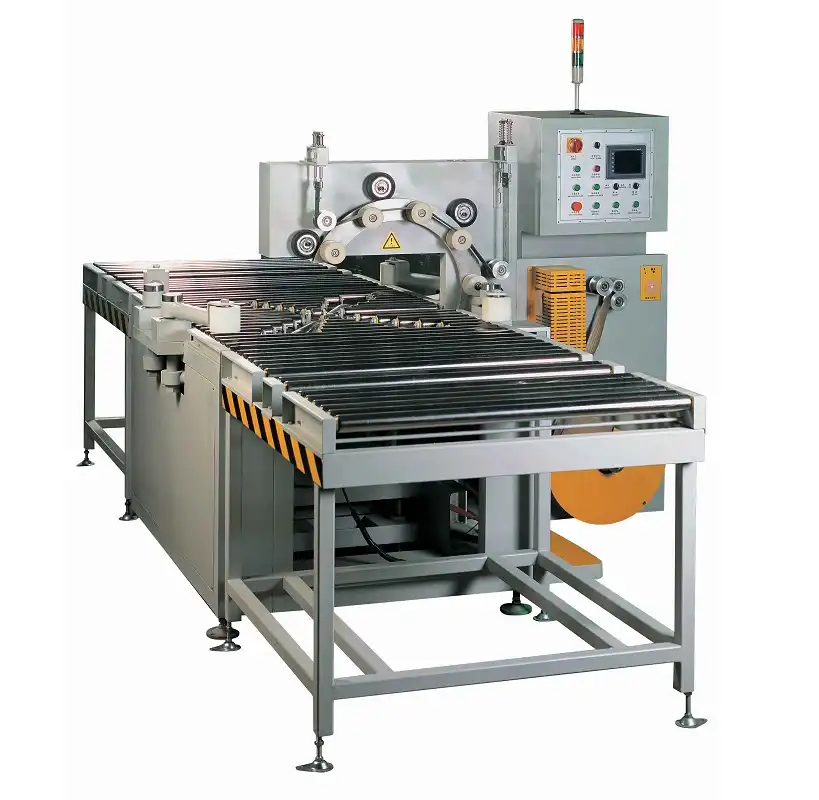
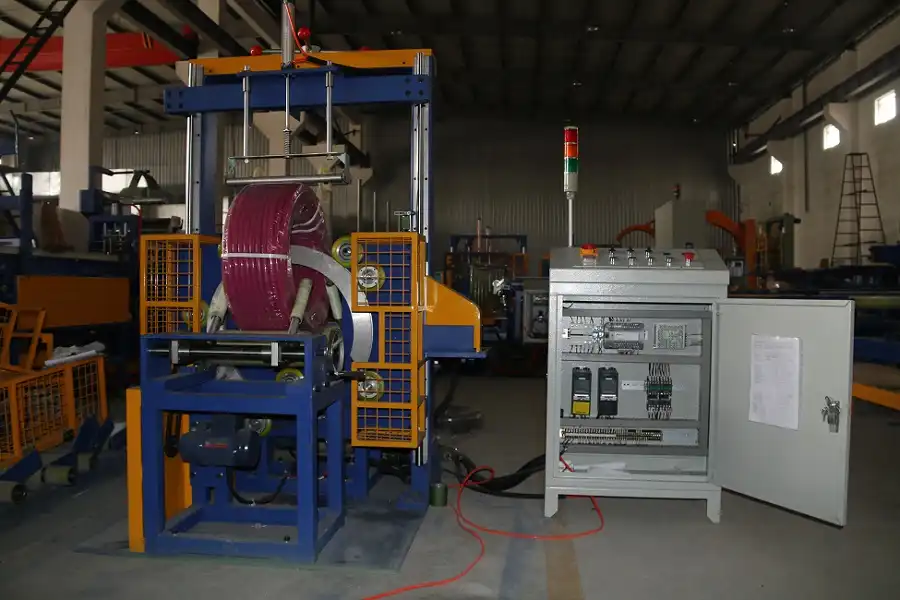
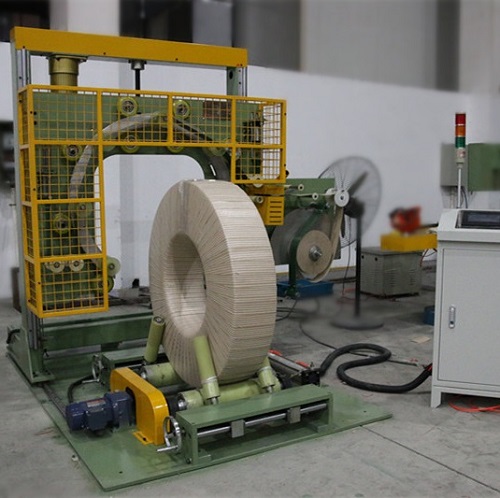
Coil wrapping machines become the safety net for Brazilian operations by automating the heavy, risky process of packing, eliminating manual lifting, securely wrapping coils to prevent damage, and providing a consistent, high-speed output that protects both workers and product quality. %[Automated coil wrapping machine in operation](https://www.fhopepack.com/blog/wp-content/uploads/2023/01/3.-Hose-coil-wrapping-machines-1-768×524.webp “Automated Coil Packing Solution“)
Coil wrapping machines are a game-changer for safety and efficiency in the building material industry. When I designed my first coil wrapper, I always focused on the operator first. I wanted to make their job easier and safer. These machines take over the most dangerous parts of the packing process. They eliminate the need for workers to manually lift or manipulate heavy, awkward coils. This dramatically reduces the risk of back injuries, crushed limbs, and other accidents. The machine handles the coil. Workers can stand at a safe distance. They supervise the process instead of being directly involved in the physical labor. This is a huge step forward for worker well-being.
Key Safety and Efficiency Benefits of Coil Wrapping Machines
- Eliminates Manual Lifting: The machine automates the wrapping process. It removes the need for human workers to physically lift or rotate heavy coils. This protects workers from strains, sprains, and more serious injuries.
- Reduces Product Damage: Coil wrapping machines apply tension and wrap material consistently. This ensures a tight, secure package. The coil is protected from impacts, scratches, and unwrapping during transport. This prevents customer complaints and product loss.
- Consistent Wrapping Quality: Machines provide uniform wrapping every time. This is something manual packing cannot achieve. Consistent quality means better product presentation and superior protection. This helps the plant maintain a strong reputation.
- Increases Throughput and Efficiency: An automated machine works much faster than a human. It can wrap many coils in a short time. This speeds up the entire production line. It solves the efficiency bottlenecks that Michael Chen worries about.
- Adaptable for Harsh Environments: Modern coil wrapping machines are built to be robust. They withstand the demanding conditions of heavy industry plants in Brazil. They are durable and reliable. This ensures long-term performance with minimal breakdowns.
- Lower Insurance and Compensation Costs: With fewer accidents, the plant sees a reduction in worker compensation claims and insurance premiums. This saves significant money over time.
- Improved Worker Morale: Workers feel safer and more valued. This leads to higher morale and better productivity. They can focus on other skilled tasks.
Investing in a coil wrapping machine is more than just buying equipment. It is investing in a safer, more efficient, and more profitable future for the entire operation. It provides the peace of mind that workers are protected and products will reach customers in perfect condition.
Conclusion
Coil wrapping machines offer Brazilian building material plants vital solutions for safety and efficiency. They protect workers, prevent product damage, and cut hidden costs. This makes them a smart, strategic investment for future growth.








