
Why Are Russian Plant Engineers Demanding Heavy‑Duty Coil Upenders for Arctic Conditions?
In the vast, demanding landscapes of heavy industry, especially in places like Russia’s arctic regions, handling massive steel coils and wire products presents huge problems. Trying to move these heavy items by hand is slow. It also puts workers at high risk of injury. This old way of working creates major bottlenecks. It can cause costly production stops. This is why many factory managers are looking for better solutions.
Russian plant engineers are demanding heavy-duty coil upenders because these machines greatly improve safety, boost efficiency, and protect valuable products in extremely cold and harsh working environments. They replace dangerous manual handling, speed up material flow, and ensure continuous operation where traditional methods fail.
The challenges faced by factory managers in these tough environments are clear. They need solutions that work, not just promises. As someone who has built a successful packing machine factory from the ground up, I understand these pressures very well. Let’s look closer at why these specialized machines are becoming so important for their operations.
Why Is Manual Material Handling a Big Risk in Cold Climates?
Imagine trying to move huge, heavy steel coils in freezing temperatures. This is a very common problem. Workers must deal with slippery floors. They wear thick, clumsy clothing. This makes it hard to grip things. It greatly increases the risk of accidents. Relying on people to move these heavy materials by hand is slow. It also causes many injuries. This affects both worker safety and the factory’s bottom line.
Manual handling creates severe risks in cold environments because it reduces worker dexterity, increases slips and falls, and leads to exhaustion, making it a major cause of injuries and lowered productivity. Heavy-duty coil upenders remove the need for people to lift or flip these heavy items by hand.
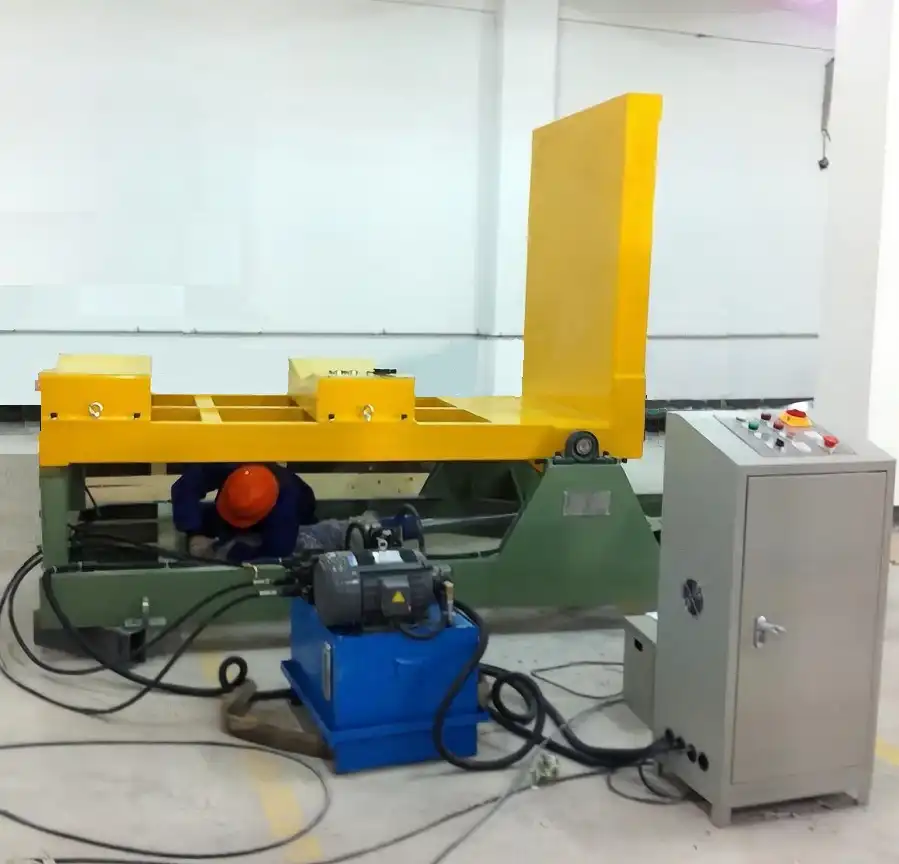
The Hidden Costs of Cold-Weather Manual Work
Working in arctic conditions adds many layers of difficulty to manual material handling. The extreme cold can cause metal surfaces to become brittle. This makes them more dangerous to handle. Workers wearing heavy gloves have less feeling and grip. This increases the chance of dropping heavy items. Slippery ice or snow on factory floors also increases the risk of falls, especially when workers are carrying or guiding large, heavy loads. These factors do not just slow down work. They also raise the possibility of serious worker injuries. These injuries lead to higher insurance costs. They also cause lost workdays. For factory managers like Michael, safety is not just a rule. It is a critical part of keeping operations running smoothly. An injured worker means a paused production line. It means more training for new staff. This directly impacts profit.
My own experience building a packing machine factory taught me this lesson early. I saw how even small safety oversights could lead to big problems down the line. We quickly learned that investing in equipment that reduces manual labor pays off in healthier workers and fewer disruptions.
Heavy-duty coil upenders remove the need for manual flipping or positioning. This dramatically cuts down on these risks. The machine handles the heavy lifting. Workers stay safe, away from direct contact with the heavy coils. This protects them from both the weight and the harsh environment. It also shows a commitment to worker well-being. This can improve morale and reduce staff turnover.
| Risk Factor in Cold Climates | Impact on Manual Handling | Coil Upender Solution |
|---|---|---|
| Reduced Dexterity/Grip | Increased drops, fumbles | Automated flipping |
| Slippery Surfaces | Falls, unstable loads | Fixed, stable base |
| Frostbite/Exposure | Health risks, fatigue | Workers stay clear |
| Muscle Strain/Fatigue | Sprains, long-term injury | Machine does lifting |
| Equipment Malfunctions | Risk to workers | Robust design for cold |
How Do Upenders Boost Efficiency in Extreme Temperatures?
Production lines must run smoothly to be profitable. But how do you keep things moving fast when temperatures drop far below zero? Traditional methods of moving and flipping heavy coils often involve cranes, chains, and multiple workers. This is slow. It also needs precise coordination. In cold weather, this process becomes even slower. Equipment can become stiff. People move more slowly. This causes major bottlenecks at the end of the production line.
Coil upenders boost efficiency in extreme temperatures by automating the crucial task of flipping heavy coils from horizontal to vertical or vice versa, thereby eliminating slow, manual steps and ensuring a continuous, faster material flow.

Streamlining Production Flow with Automation
An upender integrates directly into the production flow. It takes over the task of changing a coil’s orientation quickly and safely. This means less waiting time between production stages. For example, a coil might arrive horizontally from a slitting line. It needs to be vertical for strapping or shipping. Manually flipping a several-ton coil is not just dangerous. It is also very time-consuming. It can take many minutes, sometimes even longer, depending on the available equipment and number of staff. An upender can complete this task in a matter of seconds.
This speed is especially vital in places like Russia’s colder regions. Cold temperatures can make machinery less responsive. It can make human operations sluggish. An upender is built to withstand these conditions. Its hydraulic or mechanical systems are designed for reliable operation in freezing environments. This means fewer breakdowns and consistent performance. This translates directly into higher output rates for the factory. Michael’s goal to boost automation and improve overall production speed is precisely what an upender delivers. It removes a key bottleneck. It ensures that the rest of the production line can operate at its maximum potential.
When I started my factory, one of the first things I learned was that time is money. Any delay in the production chain, no matter how small, adds up quickly. We made sure our own packing machines were designed for speed and reliability. This meant our clients could trust their output.
This focus on speed and reliability also means less energy is wasted. Less time is spent on non-productive tasks. This directly contributes to lower operating costs. It improves the overall profitability of the factory. By automating this specific task, factories can redeploy their workforce to more value-adding activities. This optimizes their human resources.
| Production Bottleneck | Manual Process Problem | Coil Upender Solution |
|---|---|---|
| Slow Coil Orientation Change | Needs cranes, multiple workers | One machine, fast automated flip |
| Production Line Stoppages | Waiting for manual repositioning | Continuous material flow |
| Inconsistent Cycle Times | Human variability, fatigue | Predictable, rapid operation |
| High Labor Costs for Repositioning | Dedicated personnel for lifting | Reduced labor needs, workers reallocated |
Can Heavy-Duty Upenders Really Protect Product Quality?
Damaged products are a major headache for any factory manager. Imagine a perfectly produced steel coil. It gets a dent or scratch during the handling process. This means rework. It means customer complaints. It means financial losses. In the heavy industry, where products are costly, protecting quality is not just good practice. It is essential for staying competitive. Manual handling, especially for heavy items, comes with a high risk of damaging the product itself.
Heavy-duty upenders protect valuable products like steel coils from damage during handling by providing smooth, controlled, and precise movements, eliminating rough human contact and preventing impacts or deformations that occur with manual methods.
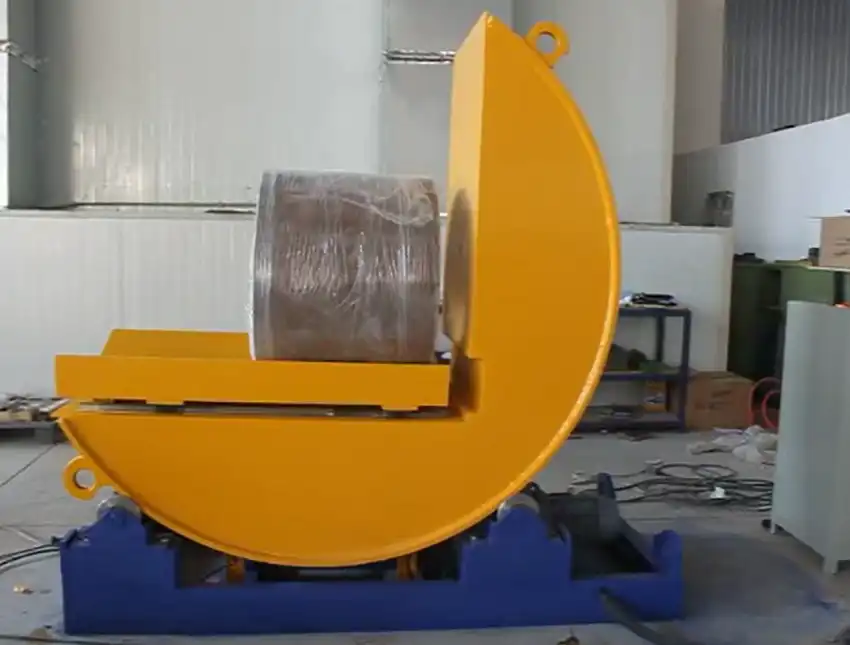
Safeguarding Your Valuable Materials
Coil upenders are specifically designed to handle heavy and often delicate materials with great care. They use smooth, hydraulic or mechanical movements. This ensures the coil is gently lifted, rotated, and set down without any sudden jolts or impacts. This greatly reduces the risk of surface scratches, edge damage, or deformation. Manual methods often involve chains, hooks, or even forklift forks that can cause damage. They can leave marks or deform the product. Upenders, however, typically use cradles or platforms that support the entire surface or edges of the coil. This distributes the weight evenly. It protects the product from pressure points.
For Michael, who faces product damage during internal transfer and packing, this feature is very important. His factory deals with steel coils. Even small damage to the edges can lead to customer rejections. This hurts the factory’s reputation and profitability. By using an upender, the risk of such damage is almost eliminated. This means fewer returns. It means fewer reworks. It also means higher customer satisfaction. This directly impacts the factory’s bottom line.
When I was running my own factory, we had strict quality control. Any product damage was a direct hit to our profit. We learned that investing in better handling equipment was not an expense. It was an investment in our product quality and our customer trust.
Furthermore, heavy-duty upenders are built to last. They are made from robust materials. They are engineered for continuous operation in harsh environments. This means they remain stable and reliable. They do not develop play or wobbles over time. Such issues could lead to imprecise movements and potential product damage. Their durability ensures consistent, high-quality handling for many years. This gives factory managers peace of mind. They know their valuable products are in safe hands during the crucial internal transfer and packing stages.
| Common Product Damage Risks | Manual Handling Problem | Coil Upender Solution |
|---|---|---|
| Surface Scratches | Rough chains, hooks, or forklift forks | Smooth cradle support, even weight distribution |
| Edge Deformation/Dents | Uneven lifting, accidental impacts | Controlled rotation, precise positioning |
| Dropping/Jolting | Human error, slippery conditions | Automated, stable, hydraulic/mechanical lift |
| Uneven Stress | Improper load balancing | Full, secure coil support |
Why Is Finding a Trusted Partner More Important Than Ever?
Many factory managers have faced bad experiences with equipment suppliers. Some companies only care about making a sale. They offer poor after-sales service. This leaves factories stuck with machines that do not work well. It causes delays and extra costs. This creates a deep sense of mistrust. Finding a supplier that truly understands your needs, offers strong support, and commits to your success is hard. But it is more important now than ever before.
Partnering with experienced, trustworthy suppliers is vital because they offer reliable equipment, deep industry insights, and dedicated after-sales support, preventing costly downtime and ensuring long-term operational success for the factory.

Beyond the Sale: The Value of True Partnership
For factory managers like Michael, a machine is not just a piece of metal. It is a critical part of their production. They need it to work perfectly every time. This means the supplier must offer more than just a product. They must offer expertise. They must offer reliable service. They must be a true partner. A good partner understands the unique challenges of the factory environment. They know about production bottlenecks. They know about safety concerns. They know about the need for high efficiency. They can offer solutions that truly solve these problems.
My journey in the packing machine industry started as an employee. Then I became a factory owner myself. This gave me a unique perspective. I have seen the problems from both sides. I know the pressures of meeting production targets. I know the stress of equipment breaking down. Because of this, FHOPEPACK focuses on sharing knowledge. We want to help clients make informed decisions. We do not just sell machines. We provide insights. We provide support. This helps our clients grow their businesses.
This deep understanding means we can help you choose the right heavy-duty coil upender for your specific needs. We consider your operating conditions, like arctic temperatures. We consider your product type. We also consider your existing production line. We make sure the solution fits perfectly. A trusted partner also provides excellent after-sales support. This includes installation help. It includes training. It includes maintenance. This ensures the machine runs smoothly for years. It protects your investment. This is the opposite of the “sell and forget” approach Michael has experienced before.
| What to Look For in an Upender Supplier | Benefits of a Trusted Partner | Avoiding Bad Supplier Experiences |
|---|---|---|
| Deep Industry Experience | Solutions tailored to your specific challenges (e.g., Arctic) | Generic solutions that don’t fit |
| Proven Track Record | Reliable equipment, fewer breakdowns, consistent performance | Frequent breakdowns, unexpected costs |
| Strong After-Sales Support | Quick troubleshooting, spare parts, maintenance assistance | Long downtimes, no help when problems arise |
| Focus on Knowledge Sharing | Empowering you with understanding, long-term success | Lack of transparency, hidden issues |
| Commitment to Partnership | A relationship built on trust, long-term growth | Transactional approach, no investment in your success |
My Insight into Mastering Material Handling Challenges?
Factory operations are complex. They have many moving parts. Optimizing them can feel overwhelming. You have to balance output, costs, and safety. There is a constant push to improve. But where do you start? What if you focus only on one machine, without seeing the whole picture? That approach often misses bigger opportunities. It might even create new problems elsewhere.
My insight is that mastering material handling means looking beyond just one machine. It means understanding the entire factory workflow. It means seeing how each part connects. This ensures integrated solutions that lead to long-term success and growth, not just quick fixes.
My journey in the packing machine industry has been full of learning. I started as an employee on the factory floor. I saw first-hand the daily challenges. I understood the pain points that workers and managers faced. This direct experience was invaluable. It taught me about real-world production bottlenecks and safety risks. Later, I built my own packing machine factory. This gave me a different perspective. I learned about design. I learned about manufacturing. I learned about the business side. This included managing costs and ensuring product quality. It also involved building client relationships.
This combination of hands-on experience and business management taught me something critical: you cannot solve a factory’s problems by looking at just one isolated part. You must see the whole system. For example, installing a heavy-duty coil upender is a great step. But how does it fit with your existing conveying systems? Does it integrate with your packing lines? Does it improve the flow for the next stage of production? These are the questions I always ask.
At FHOPEPACK, our mission is to share knowledge. We believe that an informed client makes the best decisions. We do not just offer products. We offer insights. We help you analyze your current processes. We identify areas for improvement. We then recommend solutions that truly optimize your entire material handling flow. This comprehensive approach helps factories like Michael’s achieve their goals. It helps them boost automation. It helps them improve safety. It helps them cut costs. It helps them gain professional guidance. This is what true partnership means to me. It is about understanding your challenges deeply. It is about providing solutions that empower your business to grow and thrive.
Conclusion
Heavy-duty coil upenders are essential for safety, efficiency, and product integrity in harsh industrial settings. Partnering with FHOPEPACK means gaining expert insight from my factory experience, ensuring solutions that truly transform your operations.








