
Why Are Romanian Shops Choosing Automated Mold Tilters for Safety Gains?
Is your factory constantly battling high injury rates and slow production, especially when handling heavy molds? This is a common scene I have witnessed. Agitating molds manually creates huge risks for workers. The danger is real. One wrong move, and an employee faces severe injury. This means lost time, higher insurance costs, and a constant fear hanging over your production line. This is not how a modern factory should run. Smart factory managers in places like Romania are now turning to automated mold tilters. They are finding a simple but powerful way to solve these big safety problems and boost their output.
Romanian shops are choosing automated mold tilters primarily to drastically improve worker safety. These machines take over the dangerous task of manually flipping and handling heavy molds. This removes the risk of strains, crushed limbs, and other serious workplace accidents. Beyond safety, they also bring significant boosts in efficiency and product protection.

I started as an employee in a packing machine factory. I saw firsthand the challenges on the shop floor. I then built my own successful factory. So I understand the pressures of managing a production line. This is why I want to share how these machines are changing the game. Let us look deeper into why these investments make so much sense.
Are Manual Processes Truly Holding Back Your Factory’s Output?
Do your heavy mold and coil packing processes still rely on manual labor? This often makes things slow. It creates big bottlenecks that slow down your whole production and delivery times. This inefficiency costs you money every day. It means slower output. It means delayed orders. You miss out on potential growth because of these old methods. Automated systems offer a clear path to faster, smoother operations. They clear those bottlenecks.
Manual processes in mold handling severely limit factory output because they are slow and labor-intensive. Tasks like flipping molds or coils by hand require multiple workers and take a lot of time. This creates a choke point at the end of the production line. Automated mold tilters speed up this process. They do it safely with minimal human involvement. This allows products to move through the factory much faster.
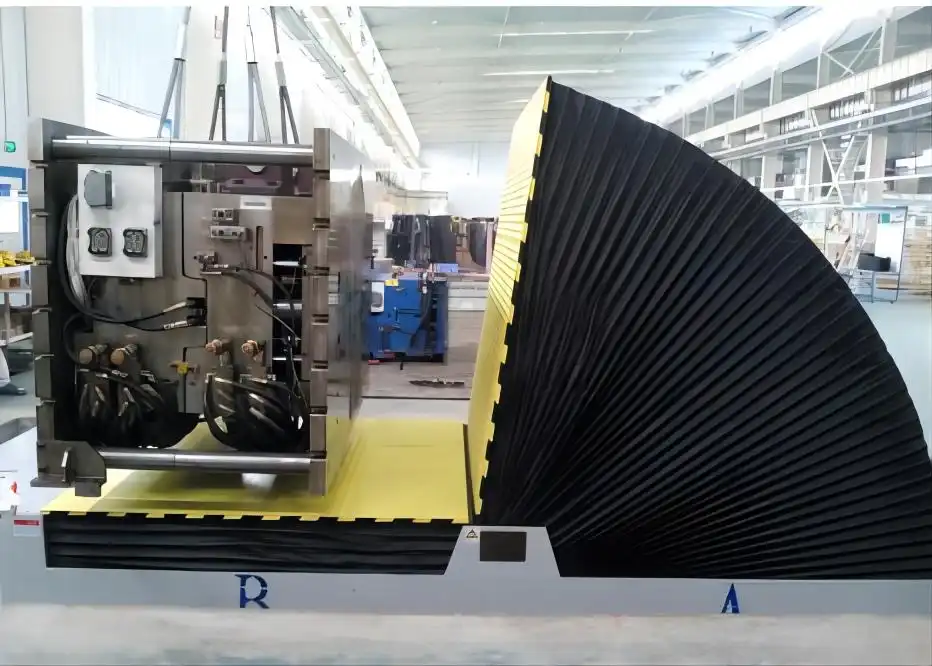
In my years in the packing machine industry, both as an engineer and a factory owner, I have seen this issue many times. Manual handling of heavy items like molds or coils is a major problem for many factories. It is not just about moving things. It is about how that movement impacts the whole system. For example, a medium-sized metal processing plant deals with huge volumes. Their current manual packing processes are a real drag.
When workers manually flip heavy molds, several problems arise. First, it is very slow. A worker might take several minutes to properly position a large mold. An automated tilter can do this in seconds. This difference adds up over a full shift. Imagine a factory handling dozens of molds each day. The cumulative time savings become enormous. Second, manual processes often need many workers. You might need three or four people for one task that an automated machine does with one operator. This means fewer people are available for other tasks. It increases your labor costs. Third, human error is always a factor. A worker might not align a mold perfectly. This can cause delays in the next step. An automated system performs the same task with high precision every time.
| I remember one client who was struggling with their steel coil packing. Their manual process was causing huge backlogs. They were losing orders because of slow delivery. We looked at their whole production flow. We found that the manual handling at the end of the line was the biggest bottleneck. They thought automation was too expensive. But when we showed them the numbers, the return on investment was clear. The time saved, the reduction in labor, and the increased throughput meant they would pay back the machine cost very quickly. This is often the case. Factory managers want clear ROI. They want to see how an investment will directly lower costs and boost profit. Automated mold tilters deliver this. They free up valuable human resources. They allow those workers to focus on more complex tasks. Tasks where human intelligence is truly needed. This transforms a bottleneck into a smooth part of the production line. | Manual Mold Handling | Automated Mold Handling |
|---|---|---|
| Slow speed, high labor needs | High speed, low labor needs | |
| High risk of human error | Consistent precision | |
| Creates production bottlenecks | Improves workflow, reduces bottlenecks | |
| High labor costs for repetitive tasks | Low operational cost per cycle | |
| Risk of worker fatigue | Consistent performance |
Automating these tasks is not just about speed. It is about creating a more reliable and predictable production schedule. It helps a factory meet its output goals every day.
How Do Automated Tilters Directly Reduce Workplace Injuries?
Are your workers still manually moving heavy molds and trying to flip large trays? This is not just inefficient. It is extremely dangerous. It leads to too many workplace injuries. High injury rates mean more insurance costs. They mean unhappy employees. They also mean high employee turnover. This cycle harms your business and your people. Automated mold tilters are the answer. They reduce the need for manual handling of heavy items. They dramatically improve worker safety from the ground up.
Automated mold tilters directly reduce workplace injuries by eliminating the need for workers to manually lift, carry, or flip heavy molds and components. This removes the primary causes of common industrial accidents, such as muscle strains, crushed limbs, and falls. The machine does the heavy and dangerous work. Workers operate it from a safe distance.
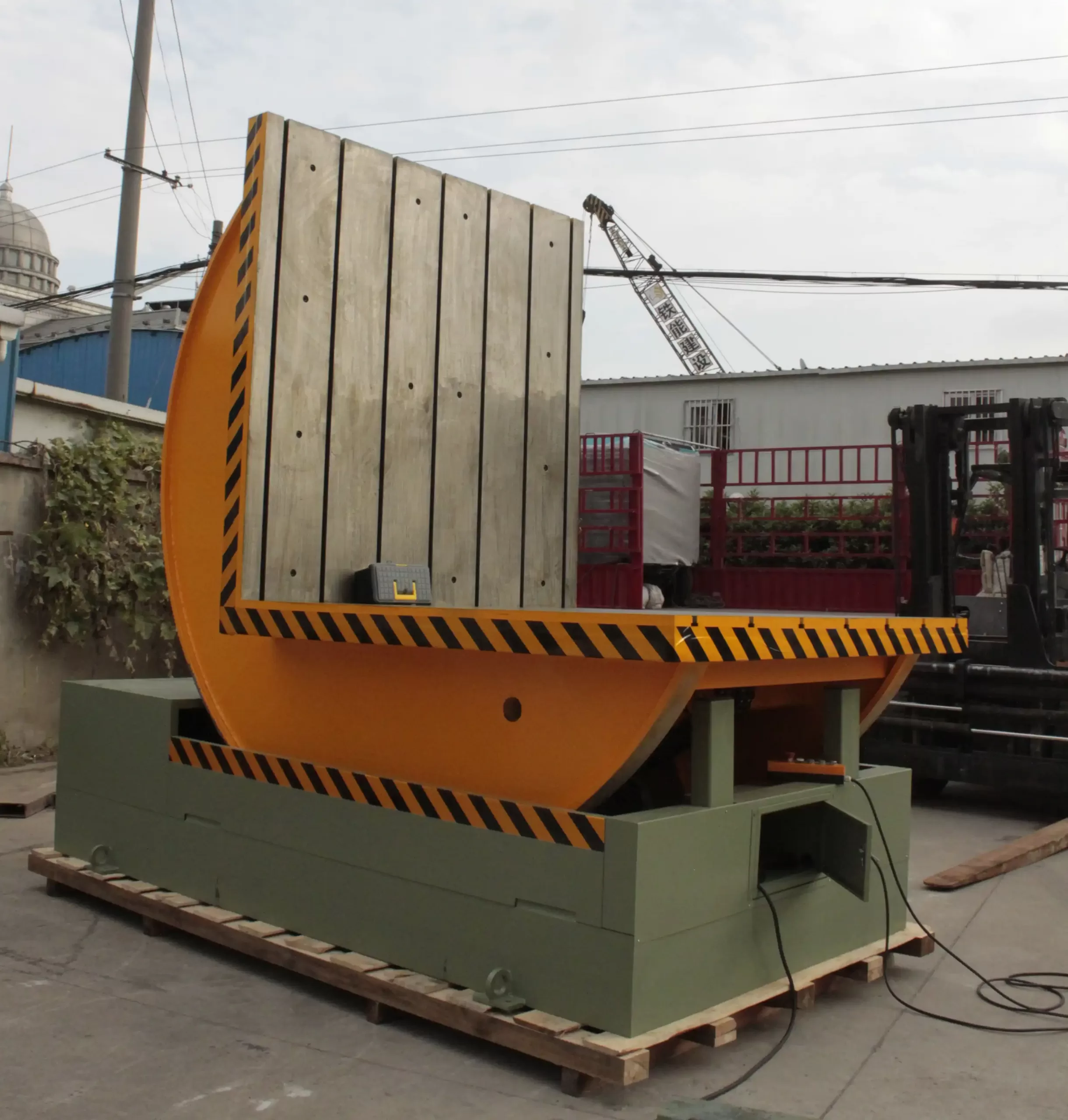
Safety has always been a top concern for me. When I started my own packing machine factory, ensuring the well-being of my team was paramount. I have seen the devastating effects of workplace accidents. A factory manager understands this well. He knows the high risks involved in manually moving heavy molds. Imagine a large steel mold, weighing hundreds or thousands of pounds. Flipping it manually often means using crowbars, forklifts in unsafe ways, or multiple workers pushing and pulling. Each of these methods carries huge risks.
One major risk is musculoskeletal injuries. Workers strain their backs, shoulders, and necks from lifting and twisting. These injuries can lead to chronic pain. They can force workers to take long leaves of absence. They might even lead to permanent disability. Another big risk is crush injuries. If a mold slips or falls during manual handling, it can crush a worker’s hand, foot, or even their entire body. These accidents are often fatal or result in life-changing injuries. Automated mold tilters completely remove workers from the immediate danger zone. The machine lifts, rotates, and positions the mold. Workers can operate the machine from a control panel. This panel is placed at a safe distance. They do not have to touch the heavy, moving part.
Think about the impact on insurance costs. Every serious injury leads to higher workers’ compensation claims. This directly increases a company’s insurance premiums. A safer workplace means fewer claims. This translates to significant cost savings over time. Also, a factory with a strong safety record attracts and retains better talent. Workers prefer to work in places where their well-being is a priority. High employee turnover, often caused by unsafe conditions, is expensive. It costs money to recruit and train new staff. Investing in automated safety solutions is not just about ethics. It is a smart business decision. It protects your most valuable asset: your people. It also protects your company’s bottom line. For factory managers, reducing these risks is not just a goal. It is a daily challenge. Automated mold tilters offer a concrete way to meet this challenge. They offer a lasting solution for a safer work environment.
Can Investing in Automation Really Protect Your Products and Profits?
Are your valuable products, like steel coils or finished molds, getting damaged during internal transport or packing? This leads to customer complaints. It eats into your profits. Every scratch, dent, or edge damage means a loss. You might have to offer discounts. You might even lose customers. This directly hurts your financial health. Automated handling equipment is built to protect your products. It ensures they leave your factory in perfect condition. This boosts customer satisfaction and your bottom line.
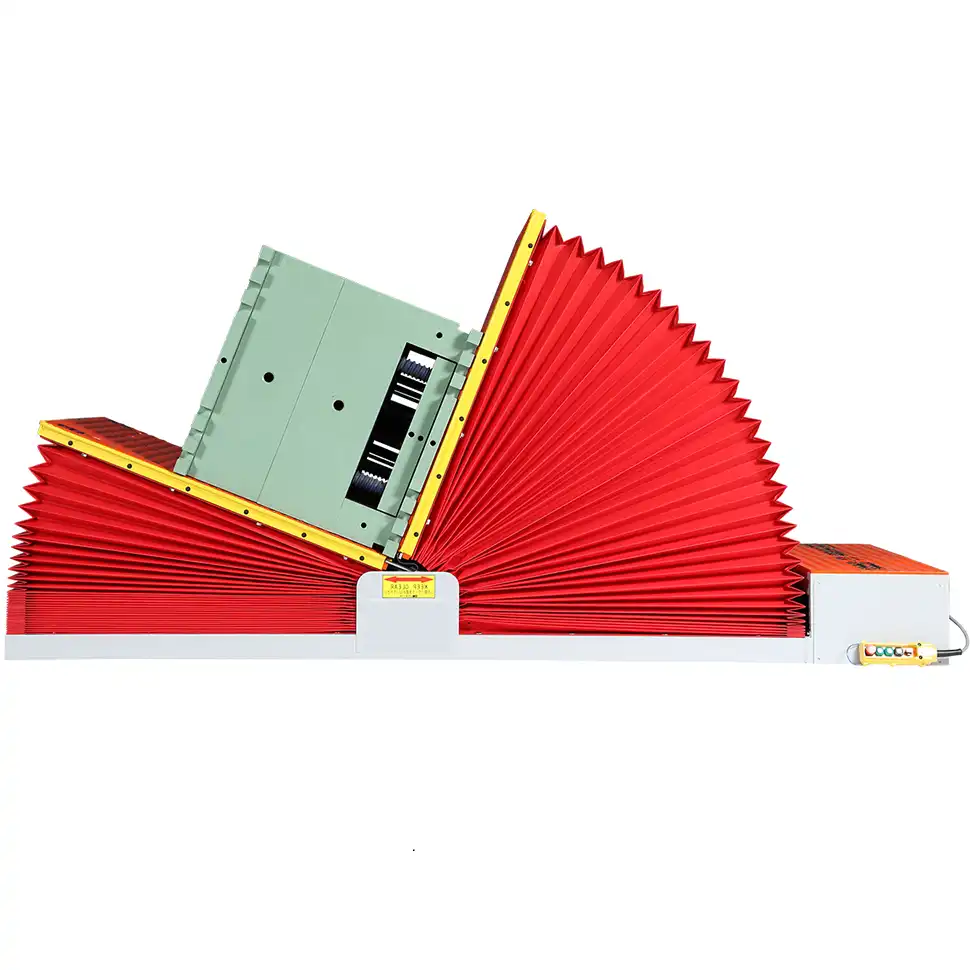
Investing in automation, specifically in machines like mold tilters, significantly protects products and profits by reducing damage during handling. Manual methods often cause nicks, dents, or edge damage to heavy items like steel coils or molds. Automated systems use precise, controlled movements and custom gripping mechanisms. This ensures the product is handled gently and correctly every time. This leads to fewer damaged goods, fewer customer complaints, and higher profit margins.
During my journey from employee to factory owner, I learned that a product’s value is not just in its creation. It is also in its delivery. If a product leaves your factory damaged, all the hard work put into making it goes to waste. The concern about product loss is very real for factory managers. In metal processing, products like steel coils or heavy molds are very valuable. Even small damage can make them unsellable or reduce their price.
Manual handling greatly increases the risk of damage. When workers use forklifts or cranes without precise control, they can bump or drop products. They might scrape edges when trying to flip something. For steel coils, delicate edges can get bent or crushed. This leads to aesthetic defects. It can also affect the product’s function. When customers receive damaged goods, they complain. This can ruin your reputation. It can lead to chargebacks or even lost future business.
Automated mold tilters are designed for precision. They use hydraulic or electric systems to lift and rotate objects smoothly. They often have specialized platforms or clamps that securely hold the product. This prevents slipping or sudden movements. They can be programmed to handle specific product dimensions. This ensures a perfect fit and safe movement. For example, a heavy mold placed on an automated tilter will be cradled securely. It will be flipped with controlled speed. There is no risk of it hitting the floor or another piece of equipment. This precision saves a factory a lot of money. It reduces the amount of scrapped material. It also cuts down on rework time. Most importantly, it keeps customers happy. Happy customers are repeat customers. They are also more likely to recommend your business to others. This directly contributes to long-term business growth. Reducing product loss is directly supported by this type of automation. It is a clear investment that pays for itself by protecting valuable inventory and client relationships.
Why Is Trusting Your Equipment Supplier More Critical Than Ever?
Have you ever bought expensive equipment only to be let down by poor after-sales service? This creates a crisis of trust. It leaves you feeling unsupported. A bad supplier leaves you hanging when problems arise. Your new machine might sit idle. This means lost production and more stress. Finding a true partner, someone who understands your real factory challenges, is vital. You need a supplier like FHOPEPACK, one who cares about your success beyond the sale.
Trusting your equipment supplier is critical because their ongoing support directly impacts your factory’s operational success and return on investment. A good supplier provides not just machines, but also expert insights, reliable installation, and responsive after-sales service. This partnership ensures that your automation solutions truly solve your production bottlenecks and safety issues. It prevents costly downtime and maximizes your investment’s value.
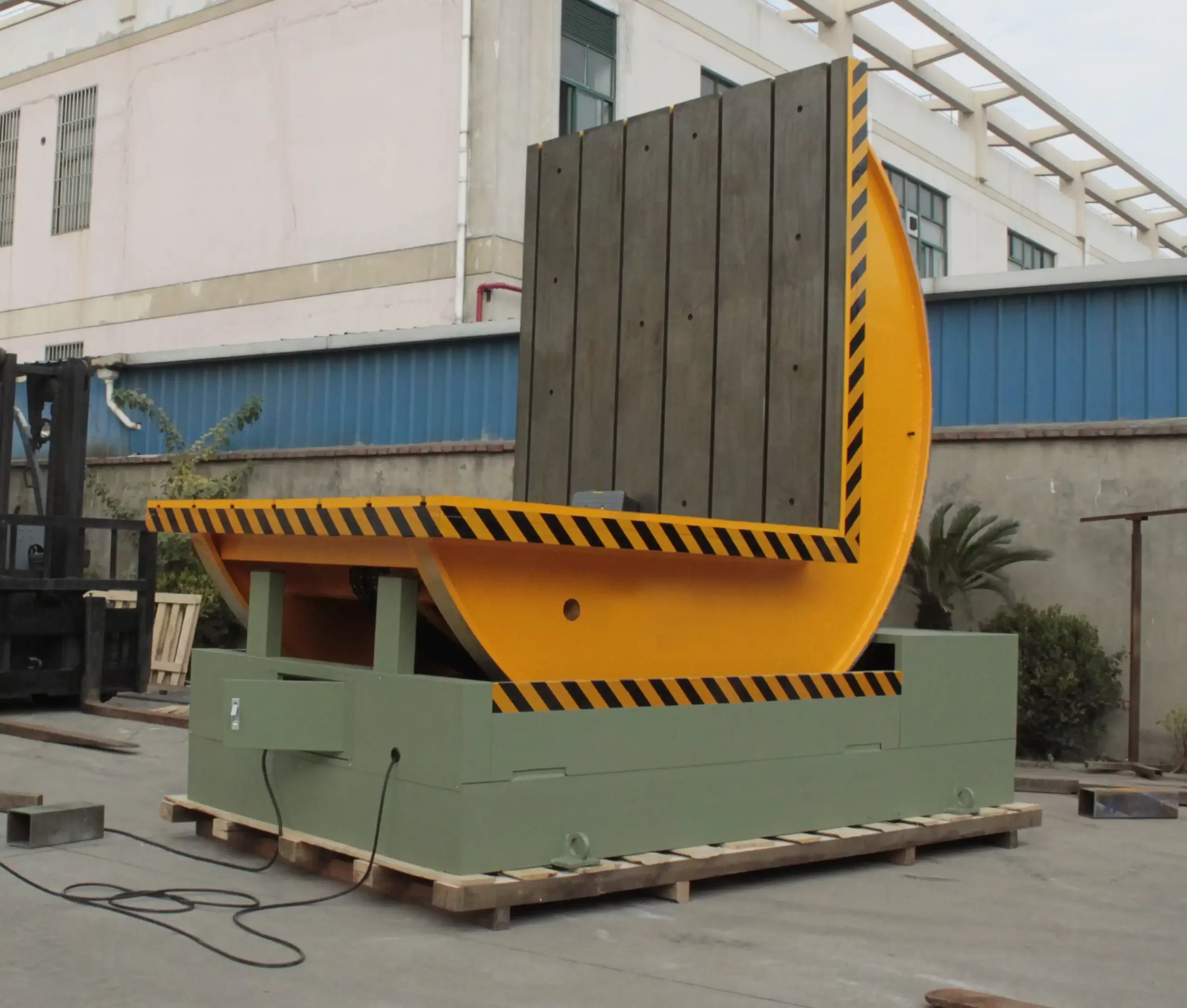
This point really hits home for me. My entire journey, from working in a factory to owning one, taught me the value of good partnerships. I have seen clients get burned by suppliers who just want to make a sale. A factory manager’s experience with unreliable equipment suppliers is common. He has every right to be careful. When you invest in a large piece of equipment like an automated mold tilter, you are not just buying metal and wires. You are buying a solution. You are buying reliability. You are buying ongoing support.
A truly valuable supplier, like what I aim for at FHOPEPACK, offers more than just a product. They offer expertise. They understand the specific production bottlenecks you face. They know the safety concerns inherent in your industry. For example, a factory manager is worried about efficiency, safety, and product loss. A good supplier listens to these challenges. They do not just try to sell him the most expensive machine. They recommend the right machine for his specific needs. This often involves detailed discussions about factory layout, existing processes, and future growth plans.
After-sales service is another huge part of this trust. What happens if the machine breaks down? How fast can you get parts? How quickly can a technician come to fix it? A supplier who prioritizes service ensures minimal downtime. This is crucial for a factory. Every hour of downtime costs money. My own experience in building a factory made me deeply understand the importance of reliable machinery and quick support. When I help my clients, I share this knowledge. I want to help them grow their businesses, just as the packing machine industry helped me achieve financial independence. This means being a partner through the whole life cycle of the equipment. It means offering professional guidance. It means ensuring the investment truly helps the business grow. For factory managers, knowing they have a dependable partner gives them peace of mind. It allows them to focus on running their operations, not on fixing problems caused by poor equipment or absent suppliers. This level of partnership is what I believe all factories deserve.
Conclusion
Automated mold tilters deliver safety, efficiency, and profit. They are a smart investment, transforming factory operations and ensuring growth.








