
Why Are Russia Exporters Switching to Automated Door Packing Solutions?
Have you ever felt the pressure of a deadline closing in, with manual processes slowing everything down? For many in the manufacturing world, bottlenecks at the end of the production line are a constant headache. They hold back output, increase costs, and sometimes, even put people at risk. This is a common challenge, especially for businesses dealing with large, heavy products like doors.
For Russian exporters, manual door packing used to be a standard, but inefficient, practice. Now, more and more of them are moving towards automated door packing solutions. This shift comes from a strong need to boost efficiency, improve worker safety, and cut down on product damage. They understand that modern challenges need modern answers.
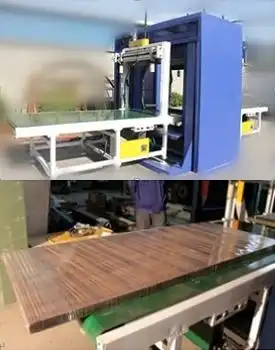
As someone who built a packing machine factory from the ground up, I have seen first-hand how much a good packing process can change a business. It is not just about moving products. It is about keeping promises to customers, protecting your team, and making your operations truly profitable. Let’s look closer at why this change is happening and what it means for the future of exporting doors.
Why Do Manual Packing Methods Cause Such Big Bottlenecks?
Do you ever feel like your production line is running smoothly until the very end? The packing area can often become a choke point. For Russian door exporters, relying on people to pack heavy, bulky doors meant slow work. This also caused delays in getting products out the door. It was a clear roadblock to faster delivery.
Manual packing processes are slow and use many people. This makes them inefficient. It also hurts the overall speed of production and delivery. These issues often happen because each step needs a worker to handle a large item. This slows down the entire system.
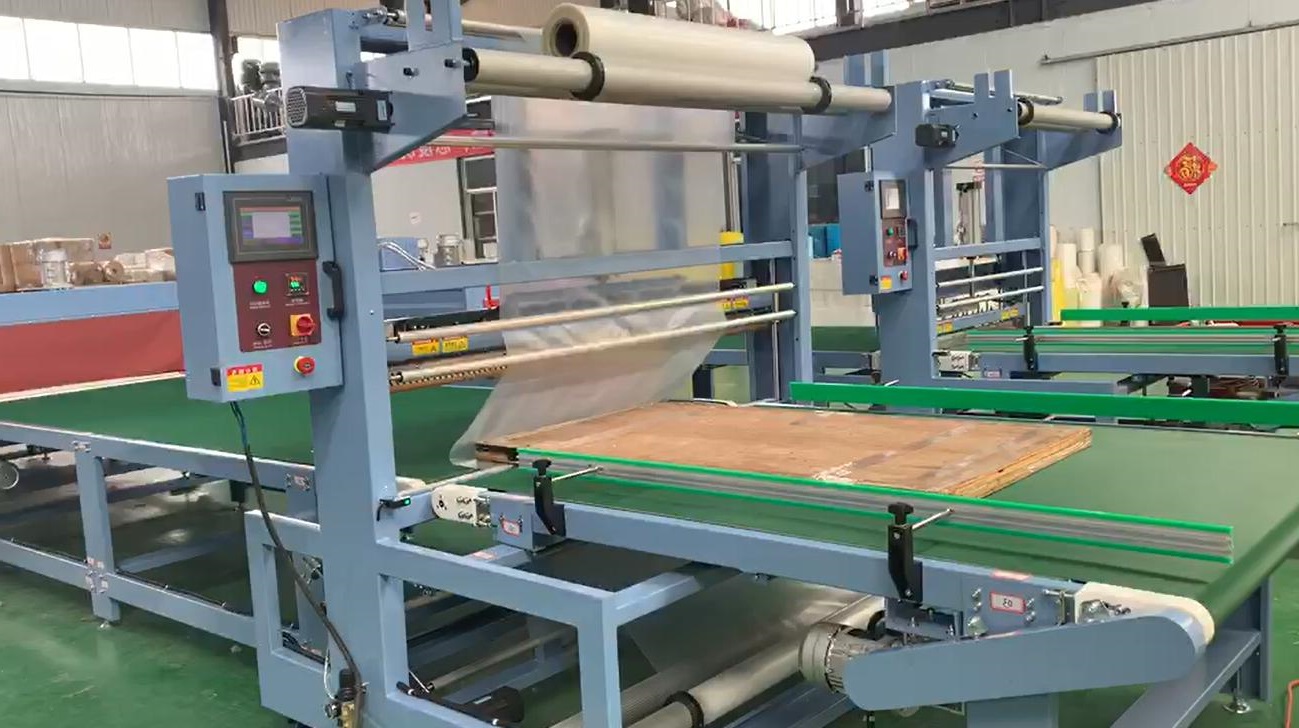
Let’s dig into why these manual bottlenecks are so harmful and how they affect a factory’s bottom line. When I first started in the packing machine industry, I saw many operations stuck in old ways. They used many hands for tasks that machines could do faster and better. This often felt like trying to empty a swimming pool with a teacup. The effort was there, but the results were slow.
-
Slow Throughput Rates: Manual door packing is naturally slow. Each door must be handled by hand, wrapped, and secured. This takes a lot of time per item. When you deal with hundreds or thousands of doors, these small delays add up. This leads to much slower overall production. It means fewer doors leave the factory each day. This limits how much business an exporter can do. It also makes it harder to meet big orders or tight deadlines.
-
High Labor Dependence and Costs: Using many people for a task that a machine could do means higher labor costs. Workers need wages, benefits, and training. Also, finding enough skilled people for manual labor can be hard. If a worker is sick or leaves, it creates a gap that slows things down even more. For Russian exporters, labor costs are a big part of their overall expenses. Reducing this cost directly boosts their profit.
-
Inconsistent Quality and Packaging: People can make mistakes. This means that manual packing can lead to differences in how each door is wrapped. Some doors might be wrapped too loosely. Others might be wrapped incorrectly. This makes the final package look unprofessional. It also means products are not as safe during shipping. An automated system makes sure every door is packed the exact same way. This helps make sure quality is always high.
-
Limited Scalability: If an exporter wants to grow their business, they need to pack more doors. With manual methods, this means hiring more people. It also means finding more space. This makes it hard to grow quickly or easily. Automated systems can often handle a much higher volume without needing more people or space. This makes it easier for a business to scale up when demand grows.
These issues show why manual packing is not just slow. It is also a barrier to growth and profit. Automating this step helps remove these limits. It frees up resources and allows the factory to run at its best.
How Do Safety Concerns Affect Manual Door Packing?
Have you ever worried about your team getting hurt on the job? In any factory, worker safety is a top concern. When it comes to packing heavy items like doors by hand, the risks go up a lot. This is especially true for tasks like moving heavy doors or flipping big pallets. It creates many ways for accidents to happen.
Moving heavy molds or turning pallets by hand is not only slow. It also has a very high risk of worker injury. This leads to high insurance costs and many workers leaving their jobs. Workers can strain their backs, drop heavy items on their feet, or get crushed. These dangers make it hard to keep a stable workforce.
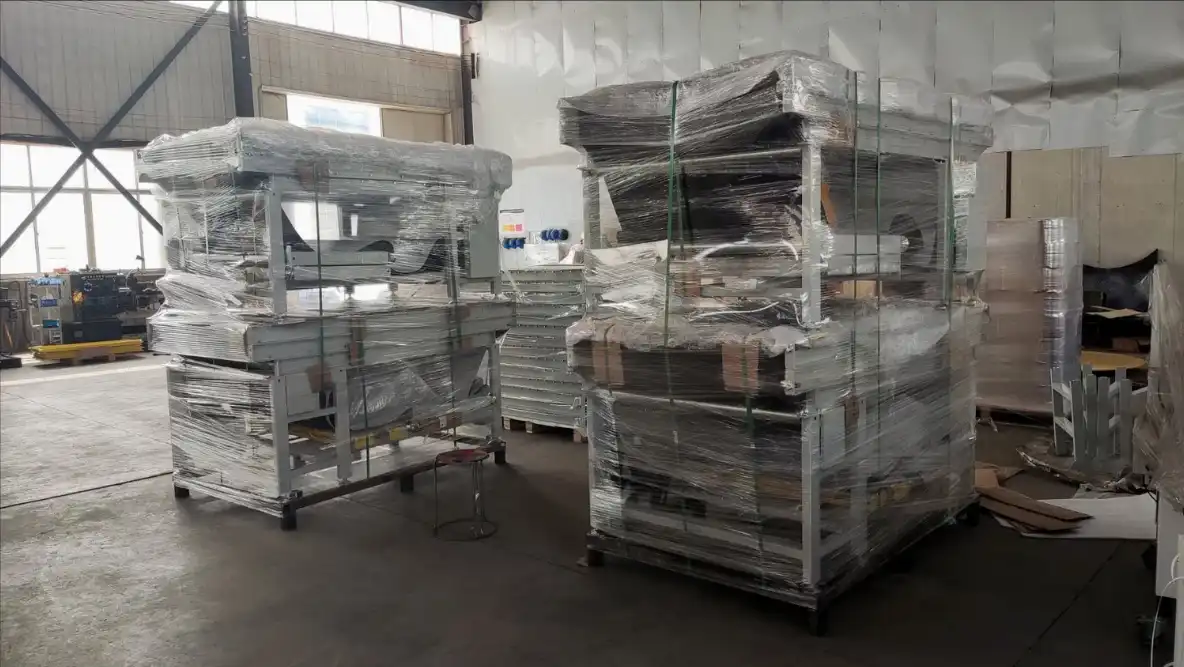
When I was running my own factory, safety was always a top priority. I saw first-hand how much a single accident could cost, not just in money, but in team morale. Manual handling of heavy goods is a major source of workplace injuries. This is a common problem in many industries, including those exporting heavy items like doors from Russia. Let’s break down the serious safety risks linked to manual door packing.
-
Musculoskeletal Injuries (MSIs): These injuries happen when workers do repeated motions. They also happen when workers lift heavy items in awkward ways. Doors are often heavy and awkward to handle. Workers can strain their backs, shoulders, and necks. They can also get carpal tunnel syndrome or tendonitis. These injuries are very common in manual packing jobs. They lead to many lost workdays and higher healthcare costs for the company.
-
Crush and Impact Injuries: Handling large, heavy doors by hand means a constant risk of dropping them. Workers can drop doors on their feet, hands, or other body parts. If a door falls off a stack or during a lift, it can cause very serious injuries, even death. This risk is always present when heavy items are moved without machines.
-
Fatigue and Human Error: Manual packing is physically tiring. Workers get tired after long shifts. Tired workers are more likely to make mistakes. They might lose their grip, misjudge a distance, or not follow safety rules. These errors can lead to accidents. They also lead to less careful packing. This can harm the product.
-
High Insurance Premiums and Employee Turnover: A history of workplace injuries directly affects a company’s insurance costs. More injuries mean higher premiums. This eats into profits. Also, workers who feel unsafe or are often injured might leave their jobs. This leads to high employee turnover. It means the company has to spend more money on hiring and training new people. This also affects production stability.
-
Compliance with Safety Regulations: Governments and industry bodies have rules for workplace safety. Companies must follow these rules. Manual handling of heavy objects often brings challenges in meeting these standards. Investing in automation helps companies follow safety rules more easily. It shows they care about their workers’ well-being.
Moving to automated systems takes away the need for people to do dangerous lifting and moving. This makes the workplace much safer. It also helps businesses save money on injury costs and keep good workers.
Is Product Damage a Big Problem for Door Exporters?
Have you ever had a customer complain about a damaged product? It is frustrating, expensive, and hurts your reputation. For exporters, products travel long distances. This makes them more likely to get damaged. This is especially true for items like doors, which can be easily scratched or dinged.
During inside transport and packing, products like door edges often get damaged. This leads to customer complaints and lost profits. Every scratch or dent means rework, returns, or price cuts. This directly hits the company’s money and its name.
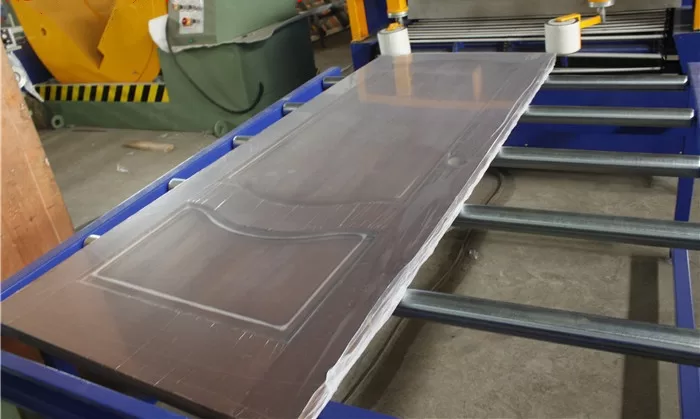
From my experience helping many clients grow their businesses, one common hurdle was product damage. It does not just cost money to fix or replace items. It also costs trust with your customers. In the coil packing and steel wire packing industries, which I know well, even a small scratch can make a product unusable. The same holds true for door exporters. Let’s look closer at how product damage happens and its effects.
-
Risks During Internal Transfer: After doors are made, they often need to move within the factory to the packing area. If this move is done by hand or with basic tools, there is a high risk of damage. Doors can bump into things, fall over, or scrape against other surfaces. This is especially true for finished doors with delicate surfaces or edges. A forklift driver making a small mistake or a worker losing their grip can cause costly damage.
-
Damage During Manual Packing: The act of packing itself can cause damage. When workers manually wrap doors, they might drag the door on the floor. They might also hit it against the wrapping material or other tools. If the wrapping material is not applied correctly, it might not protect the door fully. This leaves parts of the door open to damage during shipping. Inconsistent wrapping quality can also lead to parts of the door being exposed.
-
Impact of Poor Packaging on Transit: Once a door is packed, it faces the challenges of transport. It travels on trucks, trains, or ships. It can face bumps, vibrations, and other shocks. If the packing is not strong enough, the door will not be protected. Edges can get crushed. Surfaces can get scratched. Corners can get dinged. This kind of damage often happens because the manual packing was not consistent or secure enough. This can happen when a door is dropped, stacked improperly, or shifts during transit.
-
Financial Loss and Customer Dissatisfaction: Each damaged door costs money. The company might have to replace the door. They might also have to offer a discount. This means losing money on a product they already made. Damaged goods also lead to unhappy customers. They might complain. They might also stop buying from that exporter. This hurts the company’s reputation. It also makes it harder to get new business. For Russian exporters looking to compete globally, a good reputation for quality is very important.
Automated packing systems apply wrapping material in a precise and consistent way. They make sure the product is fully protected. This greatly reduces the chances of damage during both packing and transit. It helps exporters deliver high-quality products. It also keeps their customers happy.
Why Do Exporters Need a Partner, Not Just a Machine Vendor?
Have you ever bought a piece of equipment only to find that the supplier disappears after the sale? It is frustrating, right? For a factory manager like Michael, who I often help, past experiences with unreliable vendors create a lot of caution. They know a machine is only as good as the support behind it.
Many exporters have worked with equipment suppliers who only care about selling and offer poor after-sales service. Because of this, they are very careful about finding new partners. They do not just need a machine; they need someone who truly understands their problems. This includes production bottlenecks, safety risks, and efficiency issues. They also want a supplier who can give them expert advice and dependable answers.
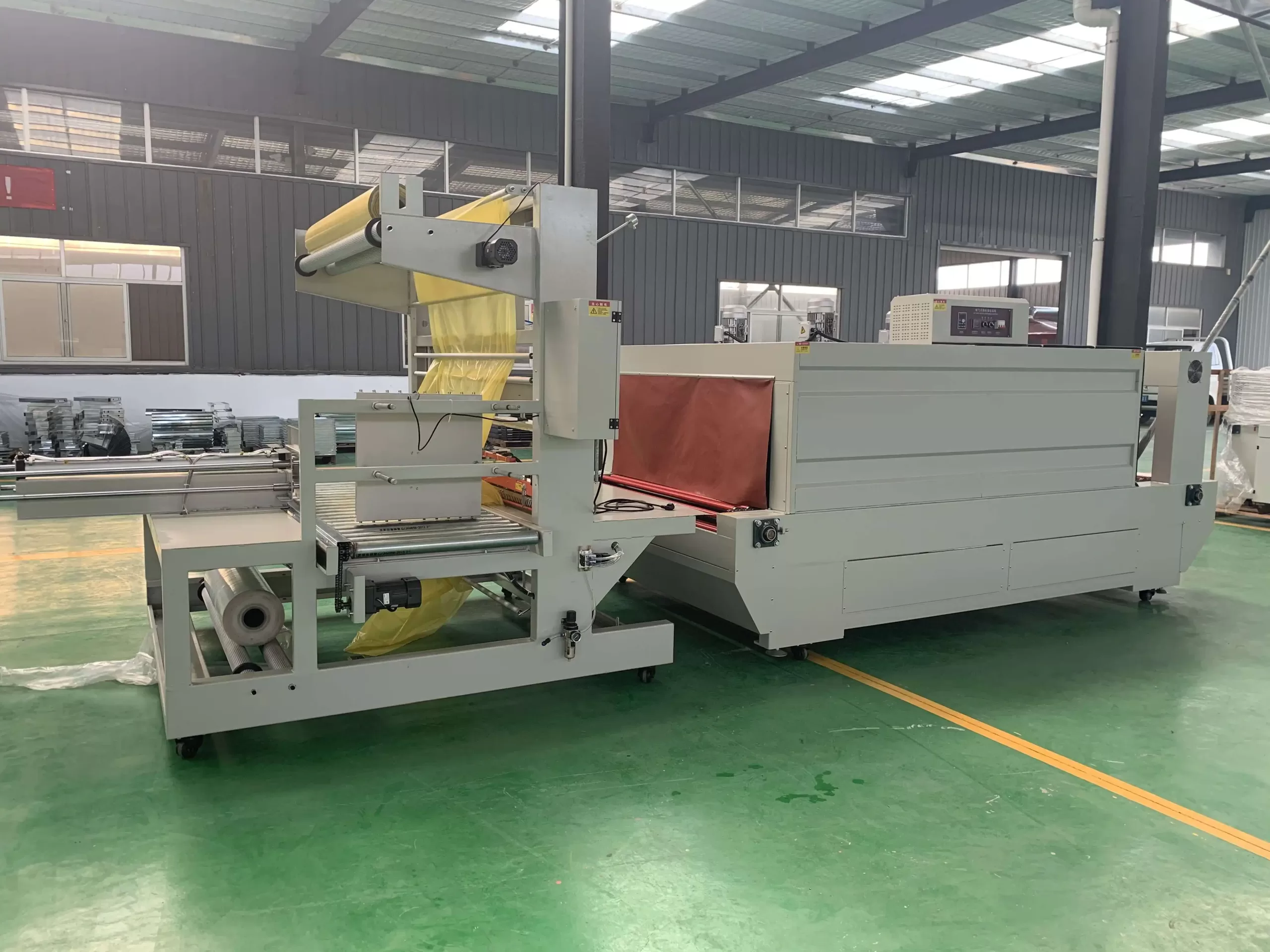
From my journey, first as an employee, then building FHOPEPACK, I learned that true value comes from solving problems, not just selling products. I helped many clients grow their businesses, and a big part of that was being a real partner to them. Russian exporters, like factory managers everywhere, have complex needs. They want someone who can share insights and truly understand their operational world. Let’s explore why this partnership approach is so important.
-
Understanding Unique Operational Challenges: Every factory has its own unique layout, production flow, and challenges. A machine vendor might just offer a standard product. A true partner, however, takes time to understand specific issues. They look at the factory’s current manual processes, the type of doors they produce, and their export destinations. They then suggest a solution that fits perfectly. For example, if a factory has limited space, a partner can recommend a compact system. They do not just sell a machine. They provide a solution that works for that specific factory.
-
Long-Term Support and Reliability: Buying an automated packing machine is a big investment. Exporters need to know that the machine will keep working well for many years. This means they need good after-sales service. A partner offers ongoing support, maintenance, and spare parts. If the machine breaks down, they need quick help. This reduces costly downtime. My mission with FHOPEPACK has always been to be there for our clients, long after the sale. This builds trust and makes sure their investment keeps paying off.
-
Expert Guidance and ROI Focus: A true partner brings a lot of industry knowledge to the table. They can guide exporters on the best type of automation for their needs. They can also help calculate the return on investment (ROI). They show how automation saves money over time through lower labor costs, less product damage, and higher output. They help factories see the clear financial benefits. They also help them make smart investment choices.
-
Problem-Solving Beyond the Machine: Sometimes, the problem is not just the packing machine. It might be how products move to the machine. It might also be how they are stored after packing. A good partner looks at the whole picture. They offer solutions that improve the entire packing workflow. They do not just focus on the single piece of equipment. This broader view helps solve underlying issues that a simple machine purchase cannot.
-
Building Trust for Future Growth: Factory managers like Michael are wary of bad experiences. Building trust takes time and consistent good service. When a supplier acts like a partner, they build a strong relationship. This means that when the exporter needs other equipment or advice in the future, they will turn to that trusted partner first. This relationship helps both sides grow.
In short, Russian exporters need more than just equipment. They need a partner who understands their world, offers real solutions, and stands by their products and promises. This is the kind of partnership I believe in and what FHOPEPACK offers.
My Insight
From my own journey building FHOPEPACK and helping clients worldwide, the shift to automated door packing is more than a trend; it is a necessity. I saw how manual processes limited growth and caused stress. I also saw how smart automation brought financial freedom and new opportunities. This move by Russian exporters shows a deep understanding of modern manufacturing. It is about embracing technology to solve real problems. It is also about preparing for a future where efficiency, safety, and reliability are key to success.
My experience building a successful factory has shown me that the right technology, backed by true partnership, can change everything. It does not just speed up packing. It transforms how a business operates. It also helps companies meet global demands and protect their teams. For Russian exporters, choosing automated door packing is a clear path to greater profitability and a stronger position in the global market. It is a decision that speaks to long-term vision.
Conclusion
Russian exporters are moving to automated door packing to boost efficiency, enhance safety, and cut costs. This shift tackles old challenges head-on, delivering clear benefits and securing their future in the global market.








