
How Can a Door Packing Machine Help Russia Manufacturers with packaging doors for long-distance rail transport?
Long-distance rail transport of doors in Russia is a big challenge. Manufacturers often face damaged goods when doors arrive at their destination. This leads to unhappy customers and lost money. Manual packing methods are slow and unsafe. They cause high labor costs and frequent injuries. Imagine the frustration of seeing a large shipment of doors, packed with care, arrive broken. This problem hurts your factory’s reputation and bottom line.
A door packing machine solves these issues directly. It automates the entire process. This machine wraps doors securely. It protects them from damage during long rail journeys. It makes packing faster and safer. This machine helps Russian manufacturers send their products reliably across vast distances. It reduces costs and increases customer satisfaction.
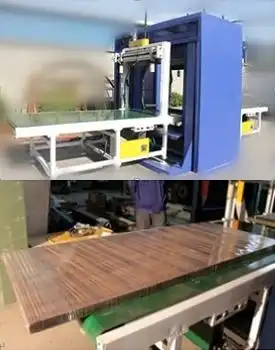
You might be wondering how a single machine can change so much. How can it handle the harsh conditions of Russian rail transport? I have seen these problems firsthand in my years in the packing machine industry. Keep reading. I will explain how these machines offer real solutions for your factory.
Why is manual door packing a big problem for Russian factories?
Manual packing of doors is a slow and costly process. Workers lift heavy doors. They wrap them by hand. This takes a lot of time. It also needs many people. This slow speed limits how many doors a factory can ship each day. It creates a bottleneck at the end of the production line. This makes it hard to meet tight delivery schedules.
Manual handling of heavy doors creates many safety risks. Workers can strain their backs. They can drop heavy items. This leads to serious injuries. Factories then face higher insurance costs. They also lose skilled employees due to injuries. This high risk environment hurts morale. It makes it hard to keep a stable workforce.
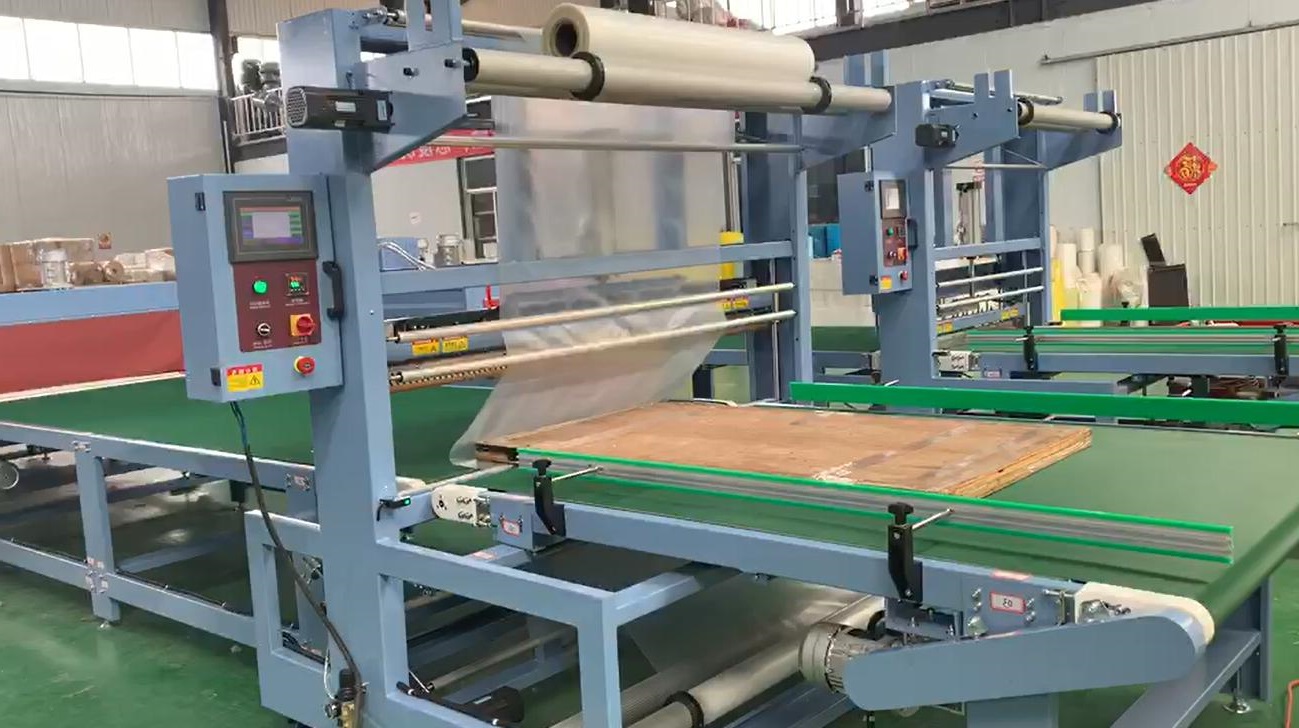
When doors are packed by hand, the quality of the wrapping can vary. Some doors might be wrapped tightly. Others might be loose. This inconsistent packing offers poor protection. Doors can shift during long rail journeys. They can get scratched or dented. Damaged products lead to customer complaints. They also cause financial losses for the factory.
The True Costs of Manual Packing
Manual packing seems cheap at first. But its hidden costs add up quickly. I have seen many factories struggle with these problems. They think manual labor saves money. In reality, it drains their profits.
-
Low Efficiency:
- Slow Speeds: Human hands work slower than machines. A machine can wrap hundreds of doors in a shift. A human crew wraps far fewer. This means production slows down. Orders take longer to fill. This affects overall factory output.
- Limited Output: Factories cannot ship more doors than they can pack. If packing is slow, the entire production line waits. This means machines sit idle. Workers are not used to their full potential. This wastes resources.
- Bottleneck Creation: Packing is often the last step. If it is slow, it holds up everything else. Finished doors pile up. Warehouses become crowded. This creates a bottleneck that stops smooth operations.
-
High Safety Risks:
- Worker Injuries: Lifting heavy doors causes muscle strains. It leads to back injuries. Workers can also get crushed fingers or toes. These injuries are common. They happen daily in busy factories.
- Increased Insurance Premiums: More injuries mean more insurance claims. Insurance companies then raise premiums for the factory. This adds a direct cost to operations.
- Staff Turnover: Dangerous jobs make workers leave. Factories struggle to find new, trained staff. This constant hiring and training is expensive. It also affects production quality.
-
Product Damage:
- Inconsistent Protection: Manual wraps can be uneven. Some parts of the door may not be fully covered. This leaves them open to damage. A machine wraps every door the same way.
- Vibration and Impact: Rail transport involves a lot of shaking. Doors can rub against each other. They can hit the sides of the train car. Poor packing allows this. This leads to scratches, dents, and broken corners.
- Customer Complaints: Damaged products make customers unhappy. They might refuse the shipment. They might demand a refund. This causes extra shipping costs for returns. It also hurts the factory’s reputation.
Many years ago, when I was starting my own packing machine factory, I learned this lesson clearly. I saw how even small inefficiencies added up to big problems. It is not just about the machine. It is about understanding the whole process. It is about finding the right solution.
| Problem Area | Manual Packing Impact | Automated Packing Solution |
|---|---|---|
| Efficiency | Slow output, bottlenecks, high labor demand | High speed, continuous flow, fewer workers |
| Safety | High injury rates, high insurance costs | Minimized human contact, reduced accidents |
| Product Quality | Inconsistent wrapping, high damage rates | Uniform tension, consistent protection, reduced damage |
| Cost | High labor, high injury claims, product loss | Lower labor, lower insurance, less product loss, high ROI |
How do modern door packing machines improve safety for workers?
Safety is a top concern for any factory manager. Michael Chen, the factory manager in Mexico, faces similar issues with heavy materials. Manual handling of doors is very risky. Workers lift and move heavy, awkward items. This leads to many injuries. A modern door packing machine removes workers from these dangerous tasks. It automates the lifting, moving, and wrapping. This reduces the chance of accidents.
The machine does the heavy lifting. It applies the wrapping material. This means fewer people are directly involved in the packing process. Workers no longer need to strain their bodies. They do not need to risk crushing injuries. This leads to a safer workplace. Fewer accidents mean lower insurance costs. It also means a happier, more stable workforce.
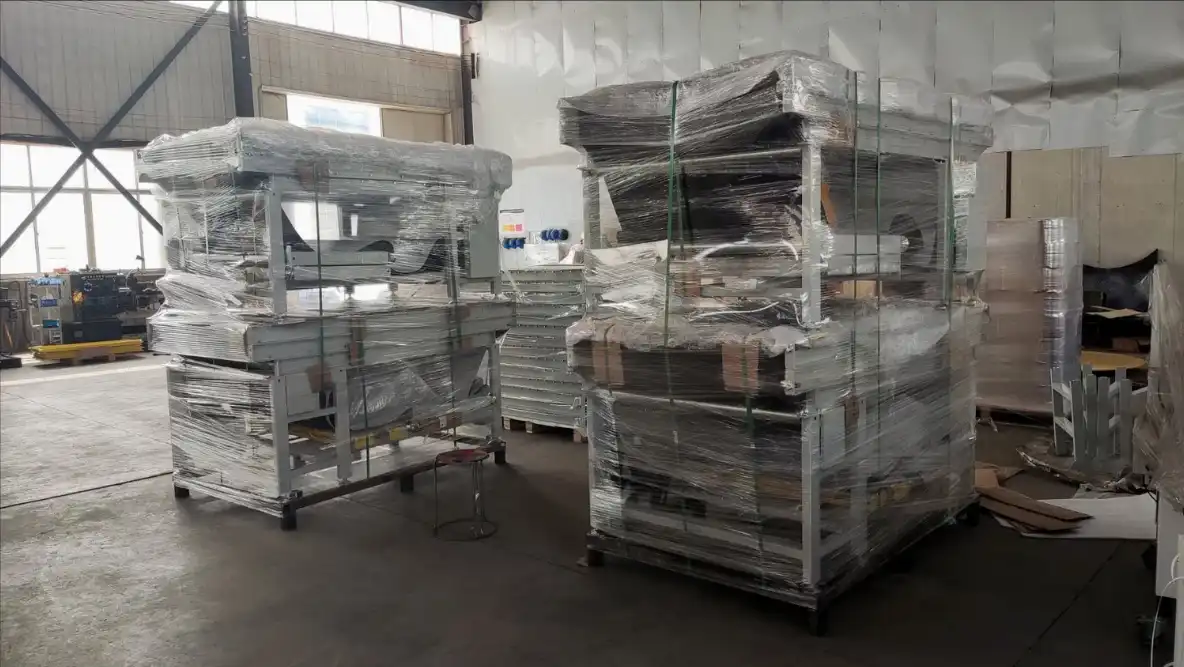
These machines come with safety features. They have emergency stop buttons. They have safety sensors. These features protect workers if they get too close. The machine stops instantly if there is a problem. This design prevents accidents. It creates a much safer environment than manual methods.
Protecting Your Most Valuable Asset: Your People
My own journey in the packing industry taught me the value of safety. When I ran my factory, I knew happy, safe workers were productive workers. Automating dangerous tasks was not just about efficiency. It was about protecting my team.
-
Eliminating Manual Lifting:
- Heavy Loads: Doors are heavy. Some are very large. Lifting them by hand is a major cause of back injuries. It leads to muscle strains. These are serious injuries that can keep workers off the job for a long time.
- Ergonomic Benefits: The machine takes over the physical work. Workers supervise the process. They manage the machine. This greatly improves ergonomics. It reduces physical stress on their bodies. This keeps them healthier.
- Reduced Fatigue: Manual packing is tiring. Tired workers are more likely to make mistakes. They are more prone to accidents. Automation reduces worker fatigue. It allows them to focus on safer tasks.
-
Minimizing Human-Machine Interaction:
- Automated Feeding: Doors are fed into the machine automatically. Workers do not need to place them by hand. This removes the risk of hands getting caught in moving parts.
- Robotic Wrapping: The machine applies the wrapping material. It stretches it around the door. Workers do not need to walk around the door with sharp tools or heavy rolls of film. This reduces cuts and other injuries.
- Distance from Danger: Workers can operate the machine from a safe distance. They use control panels. They do not need to be right next to the moving parts. This keeps them out of harm’s way.
-
Built-in Safety Features:
- Emergency Stops: All modern machines have clear emergency stop buttons. These can be hit quickly if something goes wrong. This immediately shuts down the machine.
- Safety Guards and Sensors: Physical barriers prevent access to moving parts. Sensors detect if a person enters a dangerous zone. The machine stops automatically if this happens.
- Audible Warnings: Some machines have alarms or lights. These warn workers when the machine is about to start or move. This gives them time to move to a safe spot.
As an engineer, I always focus on practical solutions. Safety is not an option; it is a must. A door packing machine is a smart investment. It protects your workers. It also protects your factory from high accident costs.
Can door packing machines really save money for long-distance shipping?
Absolutely. A door packing machine offers clear financial benefits. It saves money in many ways. First, it cuts labor costs. One machine can do the work of several people. This means you need fewer workers for packing. This reduces your payroll expenses significantly. Over time, these savings add up.
Second, it reduces product damage. Manual packing is inconsistent. It often leads to damaged doors during transit. Rail transport is especially rough. A machine applies consistent, tight wraps. This protects doors from scratches, dents, and breaks. Fewer damaged goods mean fewer customer complaints. It also means less money lost on returns and replacements.
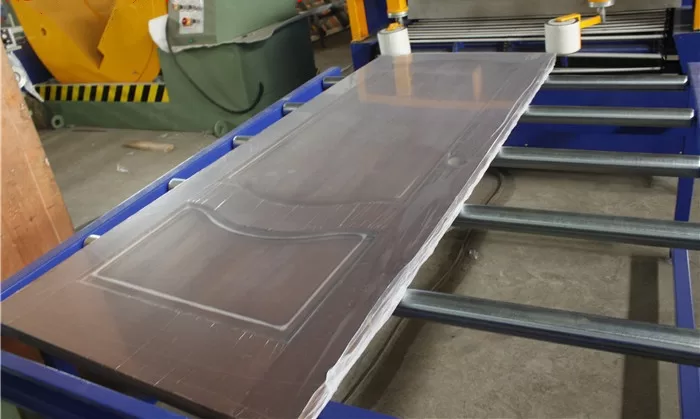
Third, it speeds up the packing process. Faster packing means more doors can be shipped each day. This increases your factory’s output. Higher output leads to more sales. It means your capital equipment works more hours. This improves your overall factory efficiency. The machine also uses packing materials more efficiently. It reduces waste. This saves on material costs too.
Understanding the Return on Investment (ROI)
When Michael Chen considers new equipment, he focuses on ROI. He wants to know if the investment will pay for itself. A door packing machine has a strong ROI. My experience setting up my own factory taught me to look at the long game. The initial cost of the machine is an investment. It pays off through years of savings.
-
Reduced Labor Costs:
- Fewer Workers Needed: Manual packing often requires 2-4 workers. A machine often needs only 1 operator. This frees up other workers for different tasks. Or, it reduces the total number of employees needed in the packing area.
- Lower Overtime: When packing is automated and fast, there is less need for overtime hours. This directly cuts down on wage expenses.
- Focus on Skilled Tasks: Remaining workers can be moved to more complex, value-adding jobs. This uses their skills better.
-
Minimized Product Damage:
- Consistent Wrapping Quality: The machine applies wrap with constant tension. This provides maximum protection against impact and vibration. This is crucial for long rail journeys across Russia.
- Reduced Rework and Returns: Fewer damaged doors mean fewer returns. It means less money spent on re-packaging or replacing products. This saves on material, labor, and shipping costs.
- Improved Customer Satisfaction: Happy customers mean repeat business. They also recommend your factory to others. This builds your reputation. It leads to more sales.
-
Increased Throughput and Efficiency:
- Faster Packing Cycles: Machines work continuously. They do not get tired. They pack doors much faster than humans. This means more doors are ready for shipment each day.
- Optimized Material Use: Machines use wrapping film efficiently. They cut it precisely. This reduces waste. It saves money on packaging materials.
- Streamlined Logistics: Faster packing means doors are ready sooner. This allows for smoother scheduling of trucks and train cars. It reduces delays. This makes the entire logistics chain more efficient.
-
Lower Insurance Premiums:
- Fewer Worker Injuries: As discussed, fewer injuries lead to fewer insurance claims. This directly results in lower insurance costs for the factory.
- Reduced Risk Profile: A safer factory environment is seen as less risky by insurers. This can lead to better rates over time.
Investing in a door packing machine is not just about buying equipment. It is about buying a solution. It is about transforming your packing process into a cost-saving, efficient part of your business. This is how factories truly grow and achieve financial independence, just as I did.
What kind of door packing machine fits different factory needs?
Every factory is unique. The right door packing machine depends on several factors. These include the size and weight of your doors. It also depends on your production volume. The space available in your factory also matters. FHOPEPACK offers different types of machines to fit various needs.
For factories with high volumes, fully automatic inline machines are best. These machines integrate with your production line. Doors move automatically from the end of the line into the wrapper. They are packed and then exit ready for loading. These systems offer the highest efficiency. For smaller factories or those with varied door sizes, semi-automatic machines are a good choice. These need an operator to load and unload. They still automate the wrapping process.
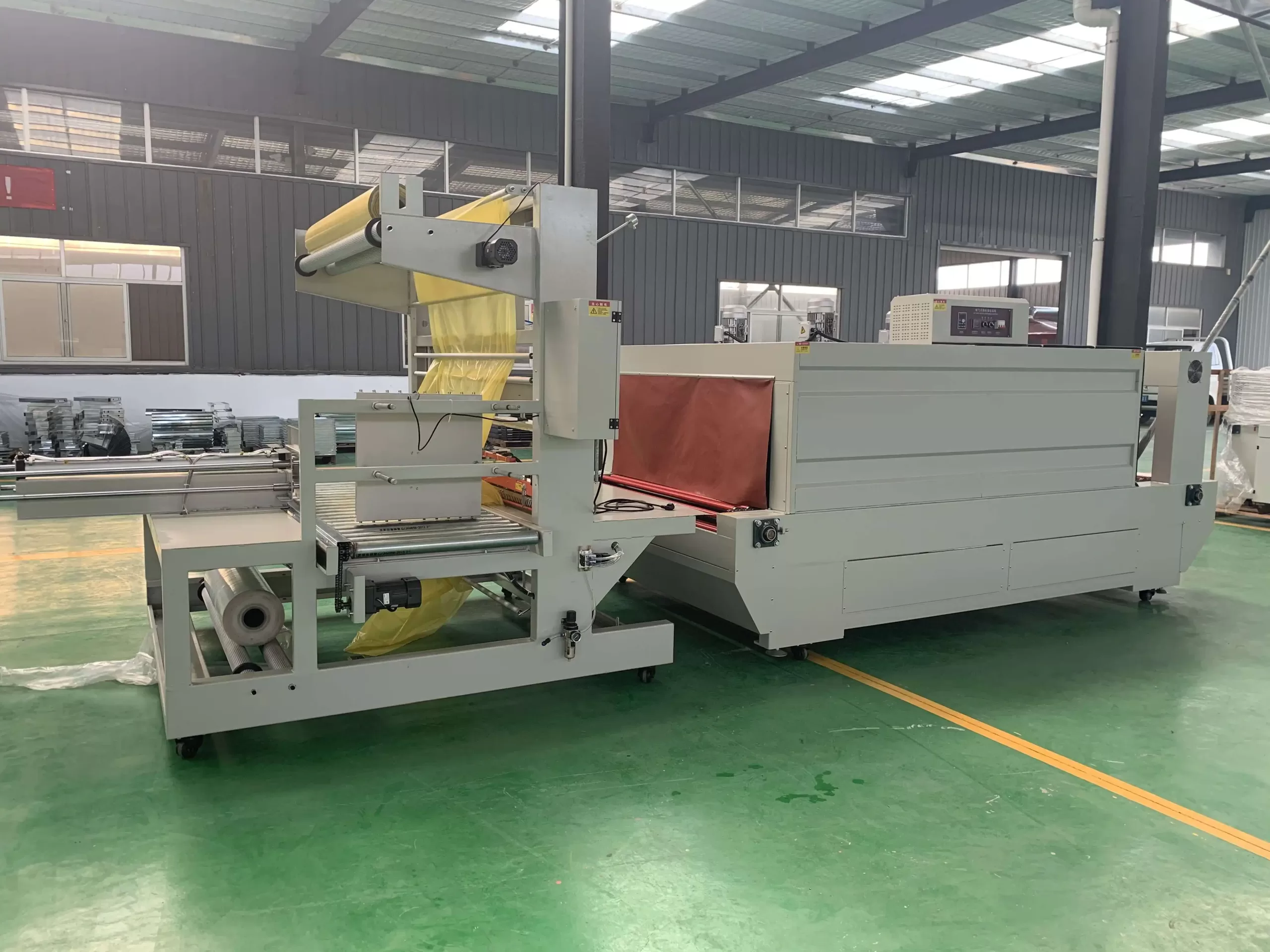
The type of wrapping material also matters. Some machines use stretch film for protection against dust and moisture. Others use shrink film for a very tight, secure package. Some specialized machines might even combine different materials. My experience in this field showed me that every detail counts. You need a machine that can handle your specific product and transport conditions.
Choosing the Right Machine for Your Russian Operations
Selecting the correct door packing machine for long-distance rail transport in Russia requires careful thought. The extreme temperatures and vibrations during transit demand robust solutions. This is where my knowledge from building and running a successful packing machine factory becomes useful.
-
Machine Types Based on Automation Level:
- Fully Automatic Door Packing Machines:
- Description: These machines work without human intervention. Doors are fed in automatically from the production line. They are wrapped and discharged.
- Best For: Large factories with high production volumes. Factories that want maximum efficiency and minimal labor. Ideal for continuous, high-speed operations.
- Benefits: Highest throughput, lowest labor cost per door, consistent packing quality.
- Semi-Automatic Door Packing Machines:
- Description: An operator loads each door onto the machine. The machine then performs the wrapping cycle automatically. The operator unloads the wrapped door.
- Best For: Medium-sized factories. Factories with varied door sizes or lower production volumes. Good for those transitioning from manual packing.
- Benefits: Improved efficiency over manual, lower initial investment than fully automatic, still reduces safety risks.
- Fully Automatic Door Packing Machines:
-
Wrapping Technology:
- Stretch Wrapping Machines:
- Description: These machines wrap doors with stretch film. The film stretches tightly around the door. It holds the door securely. It protects against dust and moisture.
- Benefits: Good for general protection, versatile for different door shapes, cost-effective film.
- Considerations for Rail: Important to use high-quality film with good puncture resistance to withstand vibrations.
- Shrink Wrapping Machines:
- Description: These machines enclose the door in a plastic film. Heat is then applied. The film shrinks tightly around the door. This creates a very secure, tamper-evident package.
- Benefits: Excellent product stability, strong protection against dirt and moisture, neat appearance.
- Considerations for Rail: Provides superior stability. The tight wrap minimizes movement inside the package. This is great for preventing damage from constant shaking.
- Stretch Wrapping Machines:
-
Special Considerations for Russian Rail Transport:
- Robust Construction: The machine itself must be built tough. It must handle continuous operation. It should withstand industrial environments.
- Extreme Temperature Compatibility: Rail transport in Russia can involve huge temperature swings. The machine’s components must work well in both very cold and very hot conditions. The packing material must also perform in these conditions.
- Customization for Door Types: Doors come in many sizes and weights. A good supplier can customize the machine. It needs to handle your specific range of doors. This includes residential, industrial, or fire doors. Each has different needs.








