
Why Are More Mexican Factories Adopting Slit Coil Packaging Lines in 2025?
Manufacturing in Mexico faces a tough road. Many factory managers, like my friend Michael, tell me about constant pressure. They deal with slow, manual packing lines. These lines cause huge delays and big safety risks. They also lead to damaged products. This reality makes factory managers look for better ways. They need solutions that fix these core problems.
Automated slit coil packaging lines are becoming the answer. These systems directly address the old challenges. They boost efficiency by speeding up packing. They make workplaces safer by removing manual handling of heavy items. And they cut down on product damage. This all leads to better profits and happier customers. These lines are no longer just an option. They are a must-have for any factory looking to stay strong and grow in the coming years.
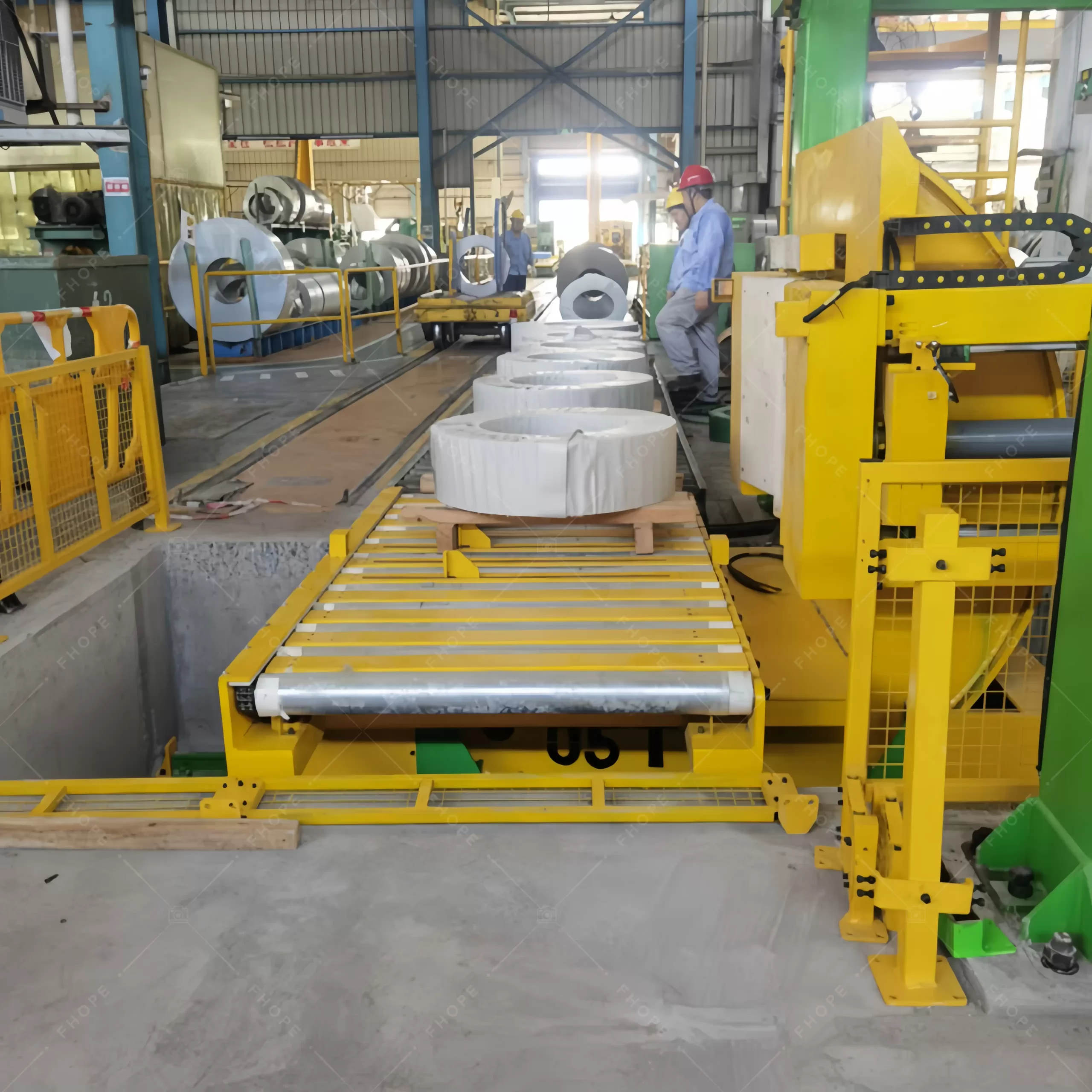
You might be wondering, how do these new packaging lines actually help? And what does it mean for your daily operations? Let’s dive into the core problems facing factories today and see how automation offers real solutions. We will explore the details that matter to a factory manager like you.
Why Are Manual Packing Processes Holding Back Your Factory?
Do you find your finished goods piling up? Are you constantly battling bottlenecks at the end of your production line? This often happens when factories rely on old, manual packing methods. These methods are slow and cost you a lot of money and time.
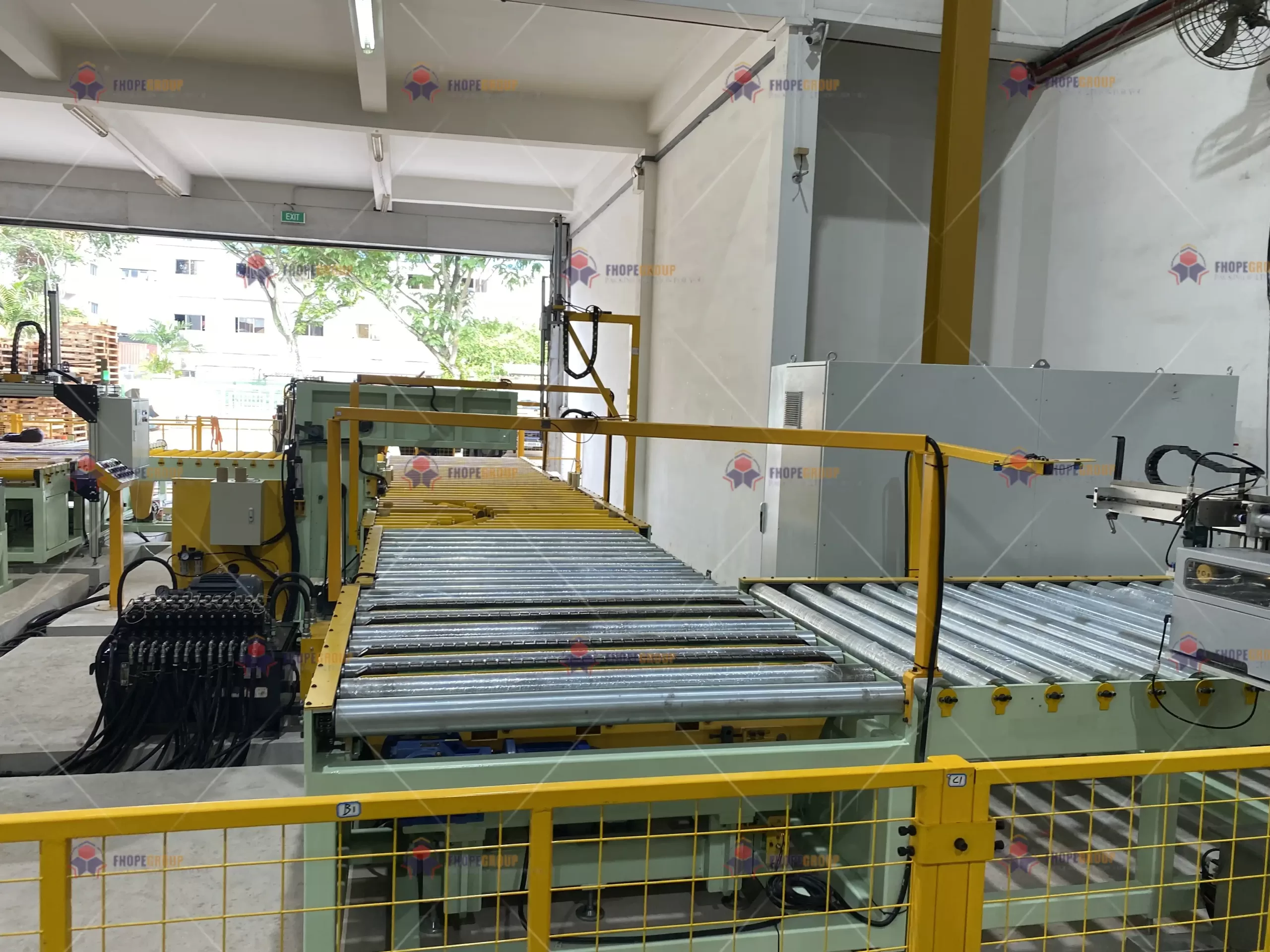
Manual packing processes are simply not fast enough. They cannot keep up with high production demands. Automated lines solve this directly. They bring speed and consistency to your operations.
The High Cost of Doing Things the Old Way
From my time running my own packing machine factory, I learned something important. Manual packing might seem cheap at first. You already have workers. But it costs a lot more than you think. First, it is very labor-intensive. You need many people to handle heavy coils or wires. This adds up fast in wages and benefits. Second, human workers can only do so much. They get tired. They need breaks. Their speed is not constant. This means your production line slows down at the very end. This bottleneck affects your whole factory. It stops you from making and shipping more products.
Think about the time it takes. Moving a heavy coil by hand, wrapping it, securing it – this takes many minutes. An automated machine does it in a fraction of that time. It does not stop. It does not get tired. This consistent speed means a smooth flow of products out of your factory. It also reduces overtime costs for your workers. I once had a client, a mid-sized steel processor in Mexico. They were struggling with backlogs. They had a team of five people working almost round the clock just to pack finished coils. When they switched to an automated line, they reduced that team to two people who could manage the machine. The packing process became much faster. They cleared their backlog in weeks. They started shipping products on time.
Also, manual processes are not always consistent. One worker might wrap a coil differently from another. This can lead to uneven packing. This affects how safe the product is during shipping. It also affects how good it looks to the customer. Automation gives you the same perfect wrap every single time. It uses pre-set parameters. This means every product meets the same high standard. Consistency also means less material waste. Machines apply wrapping materials with precision. This is unlike manual wrapping, which can often use more material than needed. My experience shows that even small savings on materials add up quickly over thousands of coils.
| This shift from manual to automated packing is not just about buying a machine. It is about changing how your factory runs. It lets your skilled workers focus on more valuable tasks. It lets your factory produce more. It lets you meet customer demands faster. | Aspect | Manual Packing | Automated Packing |
|---|---|---|---|
| Speed | Slow, inconsistent, bottleneck creation | Fast, consistent, eliminates bottlenecks | |
| Labor Cost | High due to labor-intensity, overtime common | Lowers labor needs, reduces overtime | |
| Consistency | Varies by worker, leads to uneven quality | High, uniform quality every time | |
| Material Use | Often inefficient, more waste | Precise, optimized material usage | |
| Scalability | Limited by available labor | Easily scales with production volume |
Are Dangerous Manual Operations Hurting Your Bottom Line and Your Team?
Are your workers constantly lifting heavy objects? Are they moving large, awkward steel coils by hand? These tasks are not just hard work. They are extremely dangerous. They put your team at high risk for serious injuries.
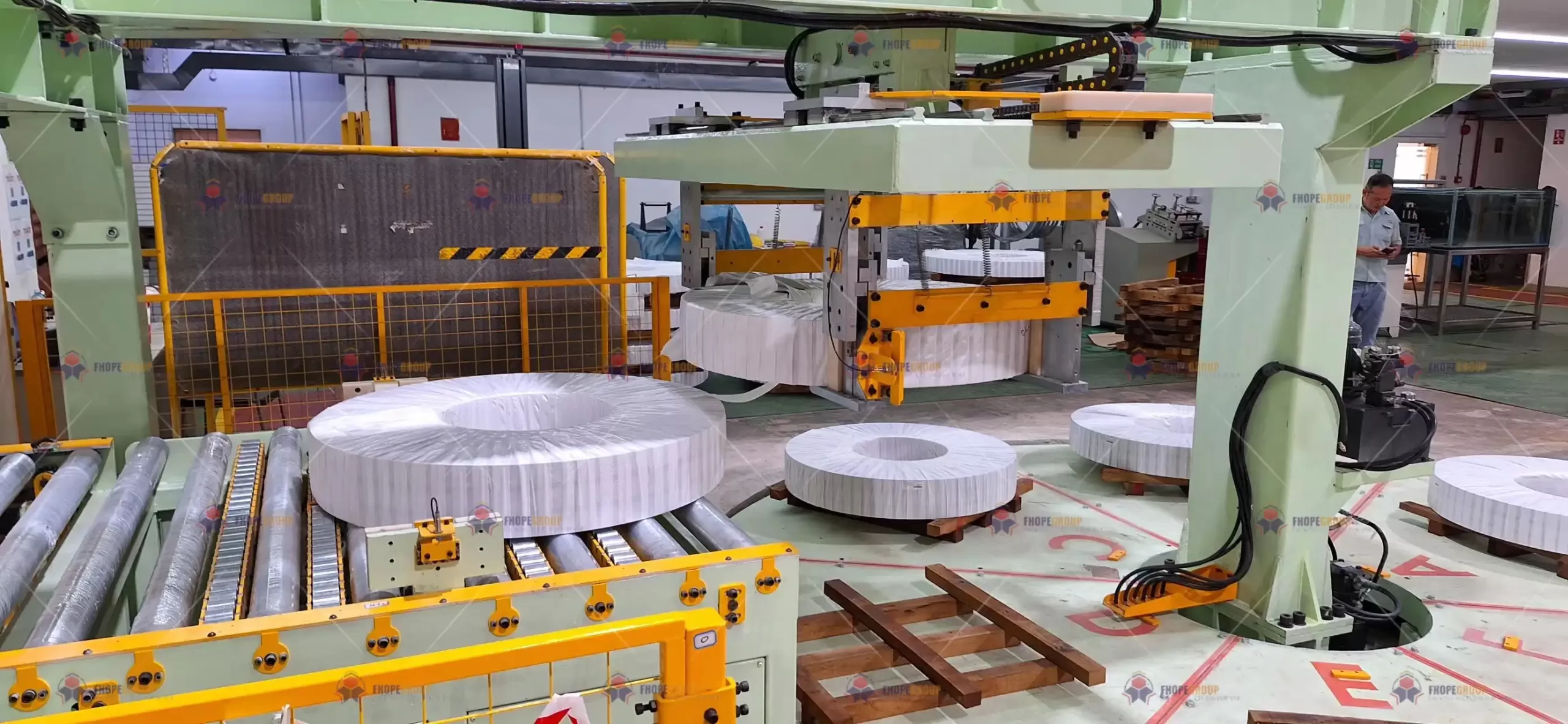
Manual handling of heavy products like slit coils or wire bundles creates significant safety risks. These risks lead to worker injuries. Automated systems are designed to eliminate these dangers. They protect your most valuable asset: your people.
Protecting Your Team and Your Finances
Safety should always be the top priority in any factory. When workers manually move heavy coils or flip large bundles, they face many dangers. They can get sprains, strains, or even broken bones. They can suffer from back injuries or pinched fingers. These accidents are not just bad for the workers. They are bad for your business. An injured worker means a loss of productivity. It means medical bills. It means higher insurance premiums for your factory. It also means searching for and training a new employee, which takes time and money. When workers see their colleagues getting hurt, morale can drop. They might even start looking for jobs elsewhere. This leads to higher employee turnover.
I remember a time when I worked on the factory floor myself. We used to move heavy parts by hand. It was tiring and risky. I saw many small accidents. Some were not so small. It taught me that relying on human strength for heavy lifting is simply not sustainable or safe in the long run. Automated packing lines change this completely. Robots and machines handle all the heavy lifting and dangerous movements. Workers operate the machines from a safe distance. They do not need to touch the heavy, moving parts. This greatly reduces the chance of accidents. For instance, an automated strapping machine applies straps around a coil without a worker having to get close. A coil tilter machine turns a coil safely, often using a remote control. This removes the need for manual flipping.
| Automated systems also reduce repetitive strain injuries. Many manual packing tasks involve repeating the same movements over and over. This can cause long-term health problems for workers. Machines do these repetitive tasks tirelessly. They do not get repetitive strain injuries. This makes the work environment much healthier. By making the workplace safer, you show your team that you care about them. This builds loyalty and trust. It also helps you keep skilled workers. A safe factory is a productive factory. It is also a factory that saves money on accident-related costs. | Safety Risk | Manual Operation Example | Automated Solution | Benefit |
|---|---|---|---|---|
| Heavy Lifting | Workers manually lifting steel coils | Robotic arms, automated conveyors | Eliminates strain, reduces back injuries | |
| Repetitive Strain | Repeated wrapping, strapping motions | Automated wrapping/strapping machines | Prevents long-term muscle/joint issues | |
| Crushing Hazards | Manual handling near moving parts | Safety sensors, guarded areas, remote control | Prevents severe injuries from heavy loads | |
| Tripping Hazards | Disorganized packing materials, tools | Integrated systems, clear pathways | Reduces falls and related injuries |
How Can You Stop Product Damage and Boost Customer Satisfaction?
Have you ever had a customer complain about damaged goods? Did a perfectly good steel coil arrive at its destination with a bent edge? This is a common and frustrating problem. It happens a lot during internal handling and packing.
Product damage during packing and transport is a big drain on profits. It hurts your reputation. Automated packing lines are built to protect your product. They ensure your goods arrive in perfect condition.

Delivering Perfection, Protecting Your Brand
Product damage is not just an inconvenience. It is a direct hit to your bottom line. Every damaged coil or wire bundle means money lost. You might have to rework the product. You might have to offer a discount. Or, worst of all, you might lose the customer entirely. In the packing industry, even small defects on the edge of a coil can lead to major client complaints. This affects your factory’s reputation. It makes it harder to get new business. It makes it harder to keep existing clients happy.
I have seen firsthand how much care goes into making a quality product. It is a shame when all that effort is undone in the last step – packing. In manual packing, human error is common. Workers might drop a coil. They might bump it against something. The wrapping might not be tight enough. This allows movement during transit. All these things can cause damage. For example, a heavy steel coil needs very specific handling. Its edges are vulnerable. If it is not wrapped tightly and consistently, shifting during transport can cause dents or scratches. This damages the product’s value.
Automated packing systems are designed for precision and gentle handling. They use controlled movements. They apply consistent tension to wrapping materials. This means the product is secured perfectly every time. For instance, a robotic arm or an automated conveyor system moves the coils smoothly. There is no sudden dropping or bumping. An automatic wrapping machine applies stretch film or VCI paper with uniform tension. This creates a strong, protective layer. This layer prevents any movement or damage during transport. This means your products arrive at your customer’s door in the same perfect condition they left your factory. This builds trust with your customers. Happy customers come back for more. They also recommend you to others. This leads to more sales and higher profits. Investing in automated packing is not just about reducing costs. It is also about protecting your brand. It is about ensuring every product you ship is a testament to your factory’s quality.
| Type of Damage | Cause in Manual Packing | Automated Packing Solution | Impact on Business |
|---|---|---|---|
| Edge Dents/Scratches | Rough handling, inconsistent wrapping | Gentle conveyance, precise wrapping tension | Customer complaints, reduced product value |
| Moisture/Corrosion | Inadequate sealing, improper material use | Consistent VCI paper/film application, sealed wraps | Product spoilage, rework costs, reputational damage |
| Shifting During Transit | Loose strapping, uneven package | Tight, consistent strapping, uniform package size | Further damage, unsafe handling, client dissatisfaction |
| Dust/Contamination | Exposed product, open packing areas | Enclosed wrapping, immediate sealing | Quality issues, rejection by customers |
Why Is Choosing the Right Partner Key to Your Automation Success?
Have you been burned by equipment suppliers in the past? Did they promise the world but fail on after-sales support? Finding a trusted partner is just as important as choosing the right machine.
Many equipment vendors focus only on making a sale. They do not offer the real support you need after you buy. But finding a supplier who understands your factory’s unique challenges is vital. This partner helps you achieve true success with your new automation.
More Than Just a Sale: Building a Partnership
Michael, like many factory managers, knows the pain of dealing with unsupportive vendors. They sell you a machine and then disappear. But a complex piece of equipment like an automated packaging line needs more than just a purchase. It needs ongoing support. It needs deep understanding. It needs a true partnership. This is where my unique background comes in. Before I founded FHOPEPACK, I started as an employee in a packing machine factory. I worked my way up. Then, I built and ran my own successful packing machine factory. I lived the daily struggles of a factory manager. I dealt with production bottlenecks. I worried about safety. I worked hard to control costs.
Because of this experience, I do not just sell machines. I understand your problems. I know what it takes to keep a factory running smoothly. I know what goes wrong. And I know what makes a solution truly work. When you choose a partner, look for someone who has walked in your shoes. Someone who can offer more than just specs on a brochure. They should be able to look at your factory, see your specific bottlenecks, and suggest tailored solutions. They should understand your need for clear ROI. They should care about your safety concerns. They should offer solid after-sales service. This includes installation support, training for your team, and quick spare parts supply.
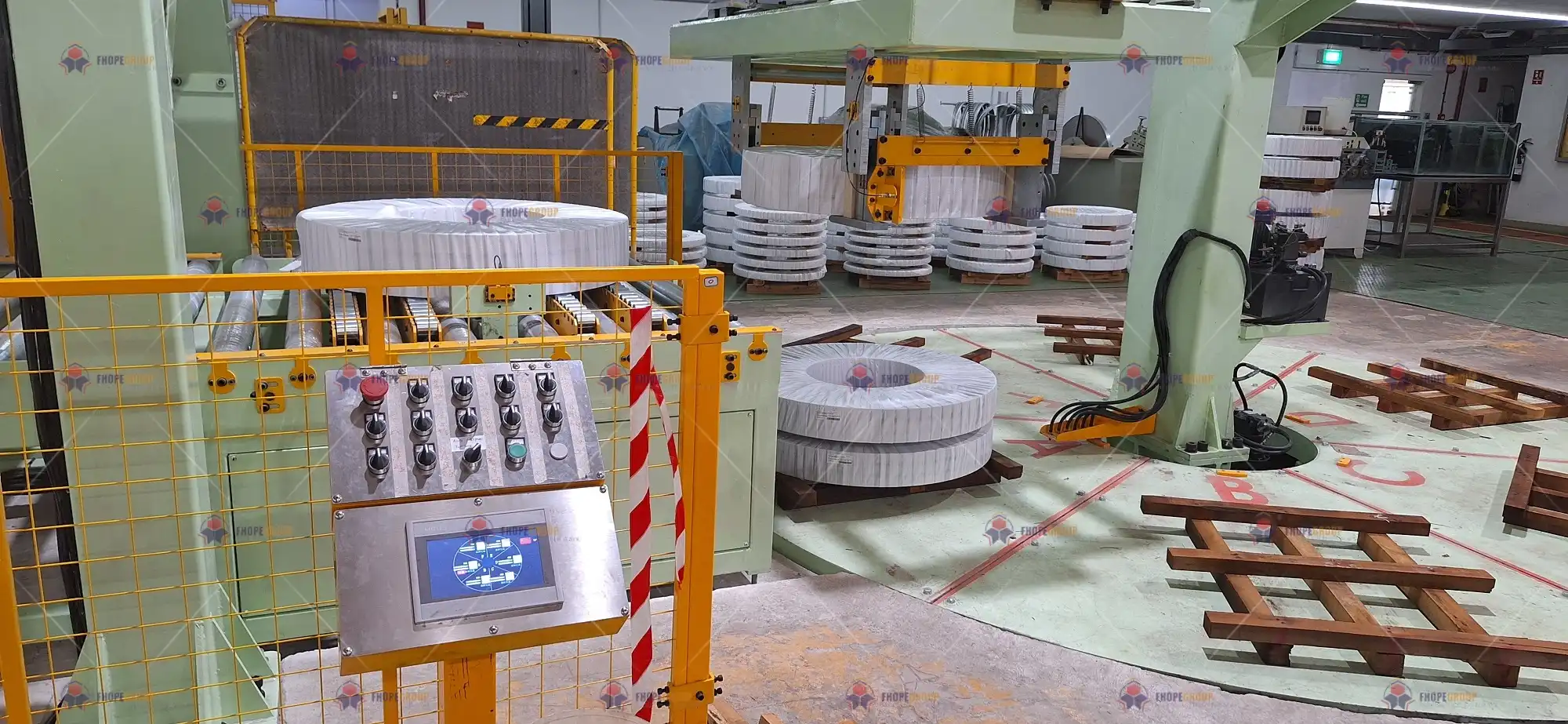
A true partner listens to your challenges. They do not just push their standard products. They help you integrate the new equipment seamlessly into your existing operations. They help you measure the real benefits, like cost savings and increased output. My team at FHOPEPACK is built on this philosophy. We share our knowledge because we want to see other businesses succeed. This is how I became financially independent. Now I want to give back. I want to help you grow your business, just as I helped many of my previous clients. Look for a partner who believes in long-term relationships. Look for someone who is invested in your success. This type of partnership turns an equipment purchase into a strategic advantage for your factory.
My Insights on the Future of Packing Automation
Looking ahead to 2025 and beyond, I see a clear path for Mexican factories. The adoption of automated slit coil packing lines is not a trend. It is a necessary evolution. My insights come from years spent on the factory floor and then building a business around packing solutions. I know firsthand the pressures you face. I understand the goals you set.
First, the push for automation is irreversible. Global competition means factories must be lean and efficient. Manual processes simply cannot keep up. Factories in Mexico have a huge opportunity to lead in this area. They can use automation to become even more competitive. This will attract more international business. It will also help them serve local markets better.
Second, the human element changes, but it does not disappear. Automation removes dangerous and repetitive jobs. It opens up new, higher-skilled roles. Workers learn to operate and maintain complex machinery. This improves their skills. It gives them better career paths. For a factory manager, this means a more skilled and motivated workforce. It means less turnover. It means a stronger team.
Third, data will become key. Modern packing lines are smart. They collect data on speed, efficiency, and material use. This data helps factory managers make better decisions. You can see exactly where improvements are needed. You can track your ROI. This visibility helps you fine-tune your operations for maximum profit. From my experience, what you can measure, you can improve.
Finally, integrated solutions are the future. It is not just about one machine. It is about a whole system. This system connects your production line to your packing line. It can even connect to your logistics. This full integration ensures a smooth flow from start to finish. It reduces errors. It boosts overall efficiency. This is the kind of future-proof solution I always advise my clients to consider. It gives you an edge in a demanding market.
Conclusion
Automated slit coil packaging lines offer Mexican factories a clear path to boosting efficiency, improving safety, and increasing profits. Partnering with experienced experts like us ensures your investment truly delivers.








