
Why Are Greece Exporters Switching to Automated Door Packing Solutions?
Have you ever watched a packing line move too slowly, causing delays and frustration? For many factory managers, this is a daily reality. The pressure to get products out the door quickly, without damage, is immense. This challenge is even bigger for exporters who deal with tight schedules and long shipping routes. If your packing process is still heavily manual, you are likely facing bottlenecks, safety risks, and rising costs.
More and more, Greece exporters are turning to automated door packing solutions to solve these exact problems. They are seeing how new technology makes their operations faster, safer, and more cost-effective. These companies understand that relying on manual labor for heavy and awkward items like doors is no longer sustainable. Automation offers a clear path to better output and fewer headaches.
I have seen countless factories struggle with outdated packing methods. It is a common story. But I also know the power of smart solutions. If you are looking to understand why this shift is happening and how it can help your business, keep reading. We will break down the real benefits that automated door packing brings.
How Can Automated Door Packing Boost Your Factory’s Efficiency?
Do you feel like your packing area is always the bottleneck in your production line? Are you constantly pushing your team to move faster, only to find that manual processes just cannot keep up? This is a common issue for many factories, especially those dealing with bulky items like doors that require careful handling. The manual way simply limits how much you can produce and ship.
Automated door packing directly tackles these efficiency problems by providing consistent speed and reduced reliance on human labor. Machines work tirelessly, at a steady pace, without needing breaks. This means a continuous flow of packed doors, ready for shipment. It removes the unpredictable nature of human speed and error, leading to a much smoother and faster operation overall.
Manual Packing: A Bottleneck?
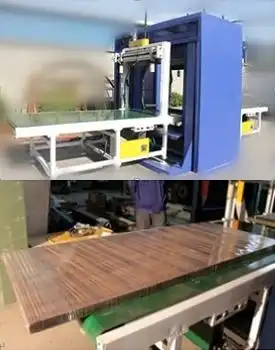
For years, manual packing was the only option. Workers would wrap doors by hand, apply protective layers, and secure them. While dedicated, human speed has limits. When demand goes up, manual lines often cannot scale. You need more people, or your production slows down. This creates a choke point at the end of your production line, no matter how fast everything else runs. Delays here mean delayed shipments, unhappy customers, and potential contract penalties for exporters. It is a drain on overall factory output.
The Automated Edge: Speed and Consistency
Automated door packing machines are designed for high throughput. They can wrap a door in minutes, or even seconds, depending on the system. This speed is constant, hour after hour. They apply film or other packing materials evenly and tightly, every single time. This consistency is something manual labor struggles to match. For businesses in Greece exporting doors, this means they can meet higher order volumes without adding more shifts or hiring endless staff. The machines handle the repetitive tasks, freeing up your team for more skilled work. It is about working smarter, not just harder.
Optimizing Workflow with Automation
Automation does more than just speed up wrapping. It integrates with your existing factory setup. Doors can move directly from assembly or quality control onto the packing line. This smooth transition reduces handling, cuts down on waiting times, and makes the entire process more fluid. The precise nature of automated systems means less rework and fewer errors. This holistic improvement in workflow saves significant time and effort, leading to a more efficient factory from start to finish.
| Feature | Manual Door Packing | Automated Door Packing |
|---|---|---|
| Speed | Variable, depends on worker | Consistent, high throughput |
| Labor Needs | High | Low |
| Consistency | Variable | High, uniform wrap |
| Downtime Reason | Breaks, fatigue, errors | Maintenance, material change |
| Scaling | Difficult, requires more staff | Easy, adjust machine settings |
Is Worker Safety a Hidden Cost in Your Packing Operations?
Are you worried about your workers getting hurt while lifting or moving heavy doors? Manual handling of large, awkward items like doors carries significant risks. This risk is not just about human well-being. It also directly impacts your company’s bottom line through injuries, insurance claims, and lost work days. These are often hidden costs that add up quickly.
Automated door packing systems drastically reduce the need for manual handling of heavy goods, making the workplace much safer. Machines do the heavy lifting, pushing, and wrapping. This protects your employees from strains, sprains, and more serious accidents. By taking workers out of harm’s way, you improve their safety, morale, and your company’s financial health. It is a win-win for everyone.
The Dangers of Manual Door Handling
Doors, especially heavy or large ones, are challenging to move and pack by hand. Workers can suffer back injuries, muscle strains, or even crushed limbs if a door falls. Repetitive motions involved in hand wrapping also lead to overuse injuries. Beyond the immediate harm, these injuries result in lost work time, higher workers’ compensation claims, and increased insurance premiums. Replacing injured workers or dealing with staff shortages adds more stress and cost to your operations. Many businesses might not track these indirect costs, but they are very real. I have seen how quickly a factory can be impacted when multiple workers are out due to injuries. It disrupts everything.
Automation: A Shield for Your Workers
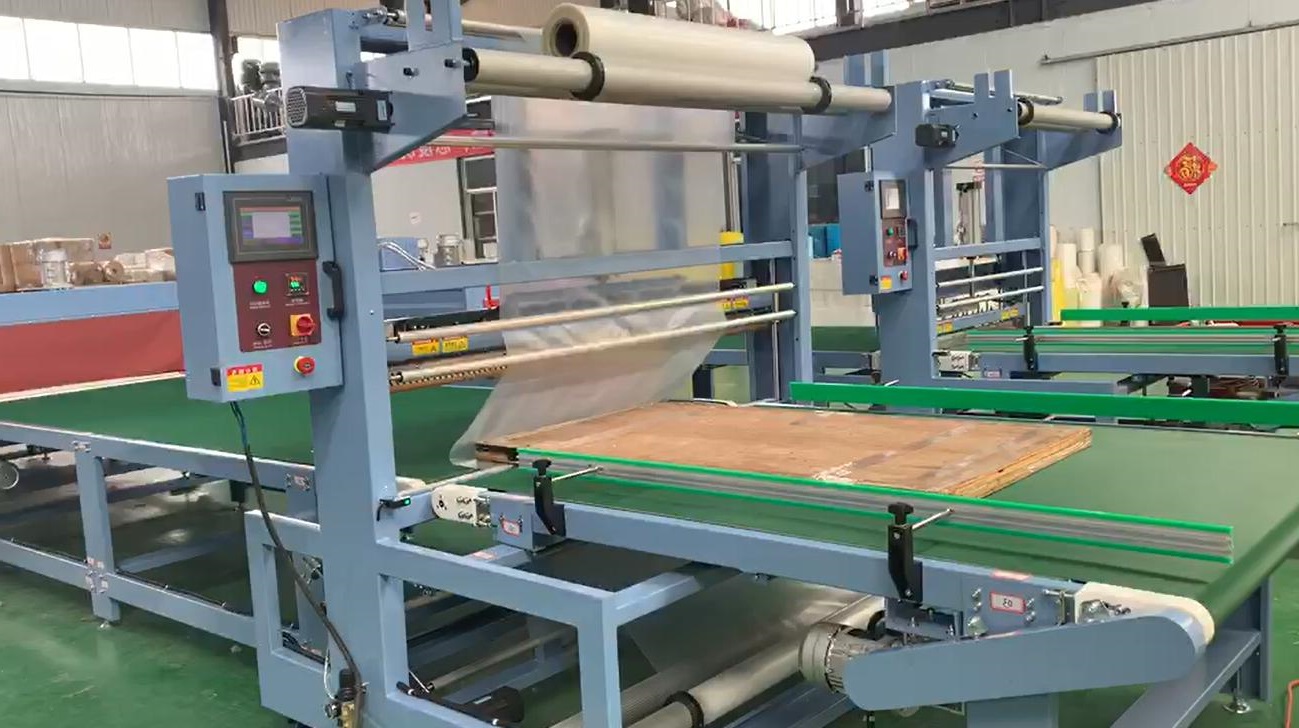
Automated door packing solutions are designed to handle the entire packing process with minimal human intervention. Robotic arms can lift and position doors onto the wrapping platform. Conveyor systems move the doors through different stages. The wrapping machine then applies the protective layers without a worker needing to strain or bend. This means workers no longer need to manually lift or manipulate heavy doors. Their role shifts to supervising the machines, loading materials, and quality checks. This simple change removes direct exposure to the most dangerous parts of the packing process. It acts like a protective shield for your entire team.
Beyond Injuries: The Ripple Effect on Costs
The positive effects of improved safety go far beyond preventing injuries. When your workplace is safer, employee morale goes up. Workers feel valued and protected. This leads to lower employee turnover, as people are more likely to stay in a job where they feel secure. Reduced injuries also mean fewer insurance claims, which directly lowers your operational costs. Furthermore, a good safety record can enhance your company’s reputation, making it more attractive to skilled labor. It is a positive cycle that directly impacts your profitability and sustainability. For Greek exporters, a strong safety record also enhances their image on the global stage.
| Safety Aspect | Manual Door Packing | Automated Door Packing |
|---|---|---|
| Injury Risk | High (strains, crushed limbs) | Low (minimal human contact) |
| Fatigue | High (repetitive motions) | Low |
| Insurance Cost | Potentially high | Potentially lower |
| Worker Morale | Can be lower due to risk | Higher due to safer environment |
| Training Needs | Lifting techniques, body mechanics | Machine operation, supervision |
Can Automated Solutions Really Reduce Product Damage and Waste?
Are you tired of hearing about customer complaints due to damaged doors upon arrival? Is valuable product being wasted during internal transfers or the packing process itself? For manufacturers and exporters, every damaged unit means lost profit, re-shipping costs, and a hit to your brand’s reputation. Manual packing, while seemingly cost-effective, often comes with hidden costs of product damage.
Automated door packing solutions greatly minimize product damage by providing consistent, precise wrapping and careful handling. These machines are engineered to apply packing materials uniformly, protecting every part of the door. They also reduce the number of times a door is manually handled, which is often when damage occurs. This leads to fewer returns, happier customers, and a significant boost to your bottom line.
Protecting Your Product: The Manual Challenge
When doors are packed by hand, inconsistencies are almost unavoidable. One worker might wrap a corner perfectly, while another might leave it exposed. Scratches, dents, or chips can occur during manual lifting, shifting, or even when applying tape and film. In a busy factory, the rush to meet deadlines can increase the chance of these small but costly errors. For exporters sending doors across long distances, even minor damage can become significant after transit, leading to rejection by the client. I have seen how even a slight imperfection can lead to a whole shipment being rejected. This is a huge loss.
Precision of Automated Wrapping
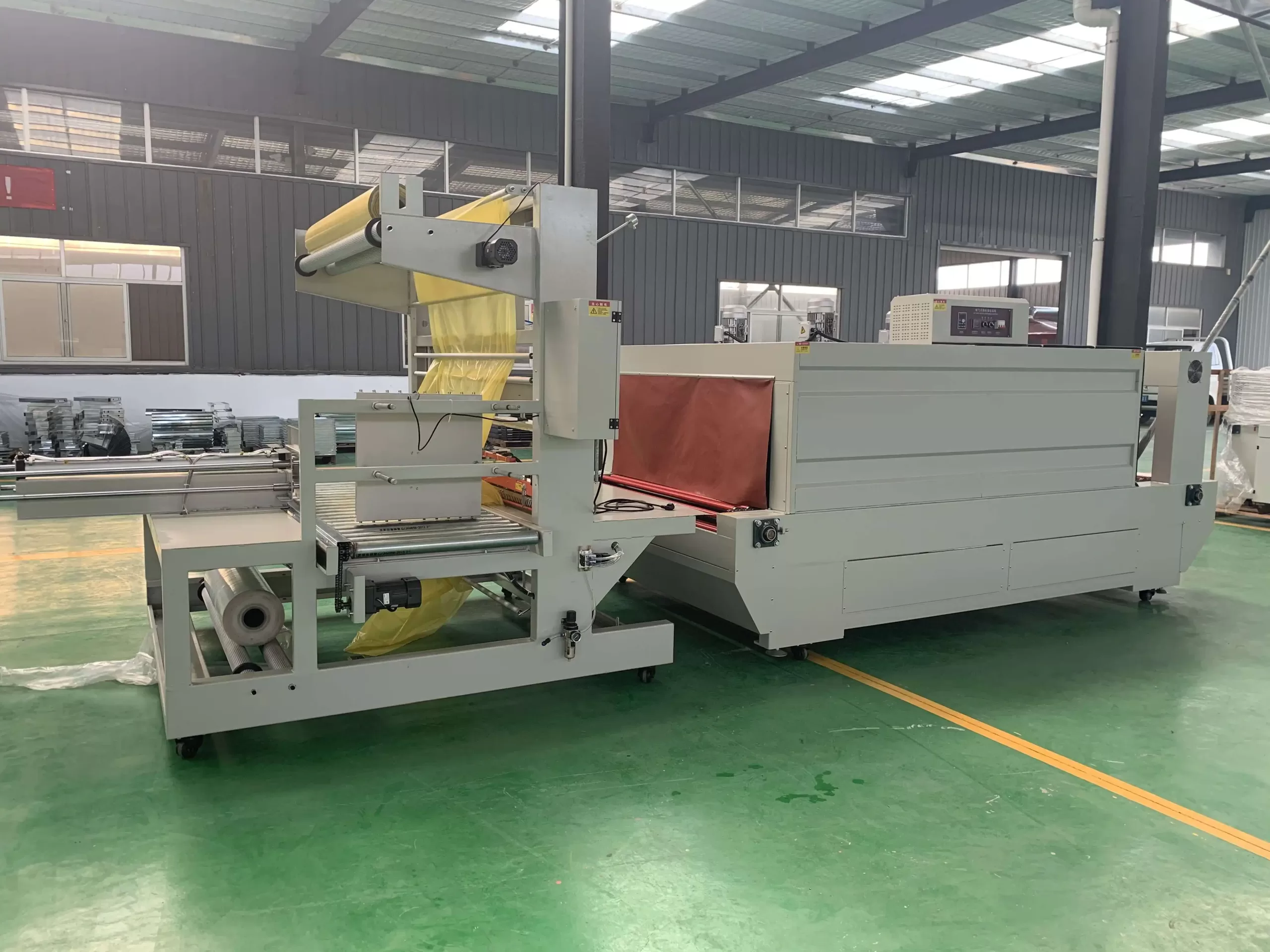
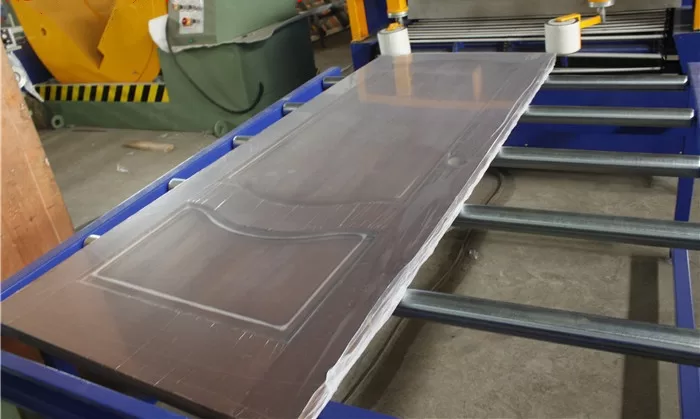
Automated door packing machines use programmed movements to ensure every door is wrapped with precision. Whether it is stretch film, shrink wrap, or protective padding, the machine applies it evenly and securely. This consistent application provides superior protection against dust, moisture, and impact during storage and transit. Machines do not get tired, and they follow the same perfect pattern every time. This means that sensitive edges, corners, and surfaces of the doors are consistently covered and protected. The result is a packaged product that arrives at its destination in pristine condition, reducing complaints and improving customer satisfaction.
Savings Beyond Damage: Material Optimization
Beyond preventing damage, automated systems also optimize the use of packing materials. Manual wrapping often leads to wasted film or tape due to uneven application or accidental tearing. An automated machine uses the exact amount of material needed for each door, reducing excess and scrap. This might seem like a small saving per door, but it adds up significantly over thousands of units. Furthermore, precise wrapping can sometimes allow for the use of slightly less material while maintaining integrity, leading to direct cost savings on consumables. This dual benefit—reduced damage and optimized material use—makes automated door packing a smart financial investment.
| Damage Risk | Manual Packing Issue | Automated Packing Solution |
|---|---|---|
| Scratches/Dents | Inconsistent handling, friction | Precise, gentle machine handling |
| Edge Damage | Exposed corners, dropping | Consistent edge protection |
| Moisture/Dust | Uneven wrapping, gaps | Uniform, sealed wrapping |
| Transit Shift | Loose wrapping, improper securing | Tight, stable package every time |
| Material Waste | Excess film, torn rolls | Optimized usage, minimal waste |
Why Finding a Trustworthy Partner Matters More Than Just Buying a Machine?
Have you ever bought an expensive piece of equipment, only to find the supplier disappears after the sale? This is a common and frustrating experience. Many companies focus only on making a quick sale, leaving you without proper support when issues arise. For complex machinery like automated packing lines, this lack of follow-through can be incredibly damaging to your operations and trust.
Choosing an automated door packing solution is not just about the machine itself; it is about finding a true partner who understands your challenges and goals. A reliable supplier offers ongoing support, expert advice, and a commitment to your long-term success. They should be someone who genuinely wants to help you improve your factory, not just sell you a product. This partnership approach ensures your investment truly pays off.
More Than Just a Sale: Understanding Your Business
Many equipment suppliers just want to push units. They might offer a standard product without really understanding your specific factory layout, your unique types of doors, or your exact production bottlenecks. A true partner, however, takes the time to listen. They ask about your challenges, your current process, and your future goals. They understand that a machine is only as good as its fit for your operation. They should offer solutions that are customized or adapted to your needs, not just off-the-shelf products. This deep understanding is what separates a vendor from a valuable long-term ally.
The Value of Long-Term Partnership
When you invest in automation, you are looking for a solution that will serve you for many years. This requires ongoing support. A trustworthy partner will provide excellent after-sales service, including installation, training for your staff, maintenance support, and readily available spare parts. They will also be there for troubleshooting and upgrades. This commitment ensures that your automated door packing machine continues to run efficiently for its entire lifespan. Without this support, a great machine can quickly become a costly paperweight. I have seen factories struggle because they bought a machine cheap, but then spent a fortune on unexpected breakdowns and lack of parts.
My Journey: From Engineer to Partner
My journey started as a packing machine engineer on the factory floor. I saw firsthand the challenges and opportunities in the packing industry. This experience taught me the true value of reliable equipment and expert support. Later, when I established my own packing machine factory, I carried these lessons with me. I learned what it takes to build a successful operation and what clients truly need to grow their businesses. It is not just about manufacturing machines; it is about providing solutions and building relationships based on trust and shared success. This is why at FHOPEPACK, we strive to be that kind of partner—one who understands your daily pressures and helps you achieve your goals.
| Aspect | Sales-Focused Vendor | Trustworthy Partner |
|---|---|---|
| Focus | Selling a product | Solving your problems, long-term |
| Understanding | Limited, generic | Deep, customized to your business |
| After-Sale | Often minimal or costly | Comprehensive (install, training, support) |
| Relationship | Transactional | Collaborative, long-term |
| Problem-Solving | “Here’s the machine” | “How can we make this work for you?” |
My Insights: What I’ve Learned About Mastering Packing Challenges?
Do you ever feel overwhelmed by the sheer number of options for automation, unsure which path is right for your factory? Making a major investment in new equipment can be daunting. You want to make sure your money is spent wisely, and that the solution truly addresses your core challenges. It is easy to get caught up in shiny new features and forget the bigger picture.
From my years in the packing machine industry, from the factory floor to building my own successful company, I have learned that mastering packing challenges comes down to a few key principles. It is about making smart, strategic investments that deliver clear returns, enhance safety, and support long-term growth. It is not just about the machine; it is about the right solution for your unique business needs.
Seeing the Bigger Picture: Strategic Investment
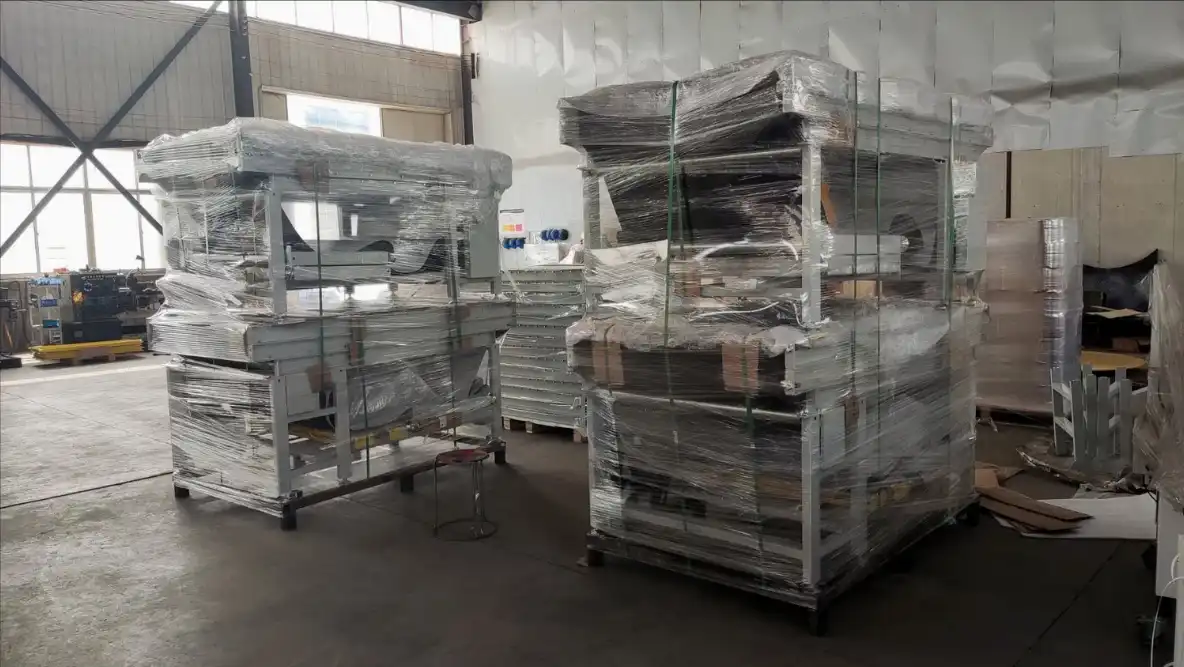
When considering automated door packing, it is crucial to see it as a strategic investment, not just an expense. Many factory managers focus only on the upfront cost of the machine. However, the real value lies in the long-term benefits: reduced labor costs, fewer product damages, improved safety, and increased output. For Greece exporters, this means more competitive pricing and a stronger market position. I always encourage clients to look beyond the immediate price tag. Consider how much you are currently spending on manual labor, damaged goods, and insurance claims. These are the costs that automation eliminates, and often, the savings quickly cover the initial investment. It is about understanding the full picture of your operational costs and how automation fits into your business growth plan.
The ROI of Smart Automation
Return on Investment (ROI) is not just a buzzword; it is how you measure the success of your automation project. A smart automated door packing solution should have a clear and measurable ROI. This means calculating how much money you save on labor, how much less product is damaged, and how much more you can produce and sell. For example, if an automated system reduces your packing team by three people, that is a significant labor saving over a year. If it cuts product damage by 50%, that also directly boosts your profit margins. I have helped many clients calculate these figures, and the results are often very compelling. It is important to work with a partner who can help you project these savings and track them after implementation.
My Commitment: Sharing What Works
My journey in the packing machine industry has been incredibly rewarding. It allowed me to achieve financial independence and, more importantly, to help others succeed. This is why I founded FHOPEPACK—to share the knowledge and insights I have gained. When I talk about automated door packing solutions, I am speaking from a place of deep operational experience. I understand the pressures factory managers like Michael Chen face. I know the pain points of manual operations and the immense relief that comes from implementing a truly effective automated system. My goal is to help you navigate these challenges, providing not just equipment, but proven strategies that work in the real world. This commitment means I will always strive to offer practical, honest advice that genuinely helps your business thrive.
| ROI Factor | How Automation Helps | Why It Matters for Exporters |
|---|---|---|
| Labor Cost | Reduces need for manual packing staff | Lower operational costs, competitive edge |
| Product Damage | Minimizes damage during packing and transit | Fewer returns, higher customer satisfaction |
| Throughput | Increases packing speed and consistency | Meet high demand, faster market entry |
| Safety Costs | Lowers injury claims, insurance premiums | Better safety record, lower overhead |
| Material Usage | Optimizes film/wrap usage, less waste | Reduced consumable costs, eco-friendly |
Conclusion
Greece exporters are moving to automated door packing for clear reasons: greater efficiency, enhanced safety, and less product damage. This shift is a smart investment. It improves operations and boosts profitability for businesses seeking to master their packing challenges.








