
Why Are Colombia Exporters Switching to Automated Door Packing Solutions?
Have you seen your production line grind to a halt just before shipping? It is a frustrating feeling. For many exporters, especially those dealing with bulky items like doors, the last step—packing—can become a major bottleneck. This problem is not just about speed. It impacts your whole operation. It affects how fast you get products out. It impacts how much money you make. It also affects the safety of your team. This is a common challenge for businesses looking to grow and stay competitive.
Many Colombia exporters are now looking closely at how they pack their doors. They see old, manual ways are too slow and risky. They are now moving to automated door packing solutions. These new systems make things faster. They make things safer. They also protect products better. This shift helps them meet the high demands of the global market. It also helps them keep their competitive edge.
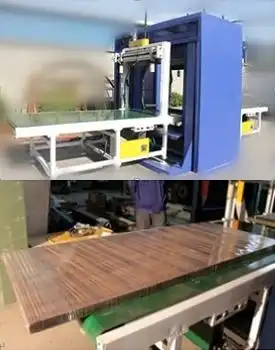
This change is not just a trend. It is a necessary step for growth. We will look at why this change is happening. We will explore the problems that manual packing creates. We will also see how automated systems offer real solutions. Stay with me to understand how these new methods can transform your export business.
Is Manual Door Packing Holding Back Your Production Line?
Are you seeing a slow down at the end of your production? This is a common issue for many manufacturers. Your factory might make doors quickly. But then, packing them takes too long. This creates a bottleneck. It stops your products from moving out the door. It wastes valuable time. This can cause you to miss shipping deadlines. It makes clients unhappy.
Manual door packing often uses too many people. Workers move heavy doors by hand. They wrap them by hand. This process is slow. It takes a lot of effort. It also means mistakes happen more often. When you have a high volume of orders, manual packing just cannot keep up. This limits how much you can produce each day. It keeps your business from growing as fast as it could. This is a problem many businesses face, especially when exporting.
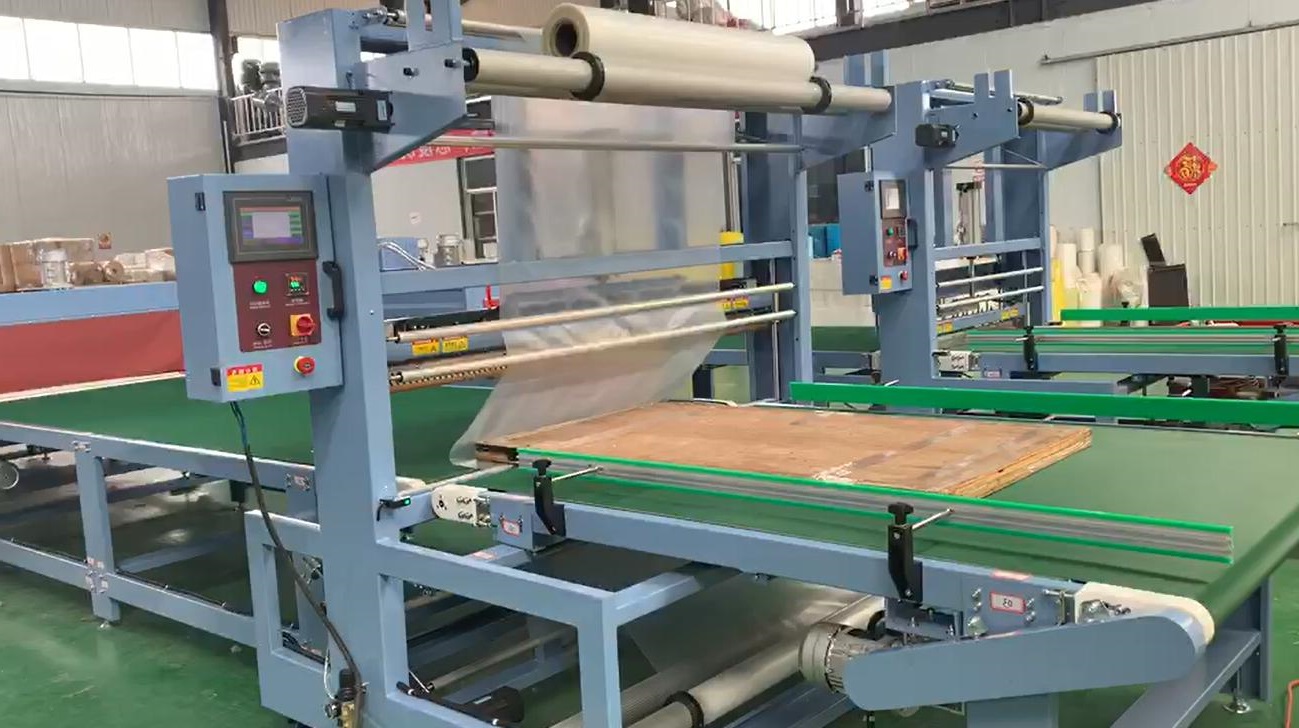
When I started my journey in the packing machine industry, I saw this problem everywhere. Factories would invest in great production lines, but then packaging was an afterthought. It was often done by hand. I saw how this hurt their business. It slowed down everything. It also made things unsafe. I always thought there had to be a better way. This thinking led me to build my own factory later. I made sure to focus on efficient end-of-line solutions.
The Hidden Costs of Slow Packing
Manual door packing seems cheap at first. You pay wages. You do not buy big machines. But this way of thinking misses a lot. There are many hidden costs. These costs add up over time. They hurt your bottom line. Let us look at some of these costs.
- Lost Production Time:
- Description: When packing is slow, finished doors pile up. They wait to be wrapped. This means your production line must slow down. Or it must stop. Workers wait. Machines sit idle. This wastes time and resources. You pay for machines and workers even when they are not making products.
- Impact: Lower overall output. Reduced capacity to take on new orders. Longer lead times for customers. This directly cuts into how many orders you can complete. It also limits your ability to scale up your business. This is a very real problem for exporters who need to meet tight schedules.
- Increased Labor Costs:
- Description: Manual packing needs many workers. They lift. They wrap. They move. This is hard work. You pay for their hours. You pay for overtime. You also pay for benefits. When you need more output, you need more people. This makes your labor costs go up a lot.
- Impact: Higher operating expenses. It makes your products more expensive to produce. This cuts into your profit margins. It also means you rely heavily on human labor. This labor can be inconsistent. It can be hard to manage.
- Delivery Delays and Customer Dissatisfaction:
- Description: Slow packing means late shipments. This makes customers unhappy. They expect their orders on time. If you cannot deliver, they might go to another supplier. This can hurt your reputation. It can make you lose future business.
- Impact: Lost sales. Damage to your brand image. Negative reviews or word-of-mouth. In today’s fast market, reliability is key. Missing deadlines can be very costly.
- Space Inefficiency:
- Description: Piles of unwrapped doors take up a lot of space. This space could be used for other things. It could be used for more production. It could be used for finished goods. Manual packing often needs large, open areas. This is not efficient.
- Impact: Cluttered factory floor. Limits on potential expansion. Higher warehouse costs if you need more space for holding unfinished goods.








