
How Can a Door Packing Machine Help Colombia Manufacturers with lightweight door handling in manual workshops?
In many manual workshops across Colombia, handling lightweight doors might seem simple. But picture this: workers lifting, shifting, and manually wrapping countless doors every day. The process is slow, tiring, and often leads to costly mistakes. You might be struggling with bottlenecks at the end of your production line, trying to keep up with demand while your team battles fatigue and potential injuries. This old way of working creates stress and limits your growth.
A door packing machine directly solves these problems by automating the wrapping and handling of lightweight doors. It improves speed, increases worker safety by reducing manual strain, cuts down on product damage during transit, and provides a clear path to higher profitability for manufacturers in Colombia. This shift from manual effort to intelligent automation streamlines your operations.
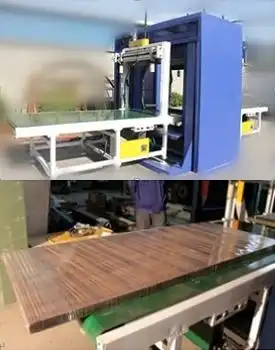
As someone who built a packing machine factory from the ground up, I have seen first-hand how much a well-chosen machine can change a business. If you are a factory manager, perhaps like my friend Michael Chen from Mexico, you understand the constant pressure to boost output and cut costs. Let us look deeper into how investing in a door packing machine can deliver these exact benefits for your Colombian workshop.
How does a door packing machine boost production efficiency?
Think about your current manual packing process. Workers wrap each door by hand, secure it, and then move it. This takes time. It also depends on how fast and strong each worker is. If one worker slows down, the whole line slows down. This creates a bottleneck, holding back your entire production flow and delaying customer orders.
A door packing machine directly increases your production speed. It wraps doors consistently and quickly, much faster than any person can. This means your end-of-line process can keep up with the rest of your manufacturing. It removes the bottleneck.
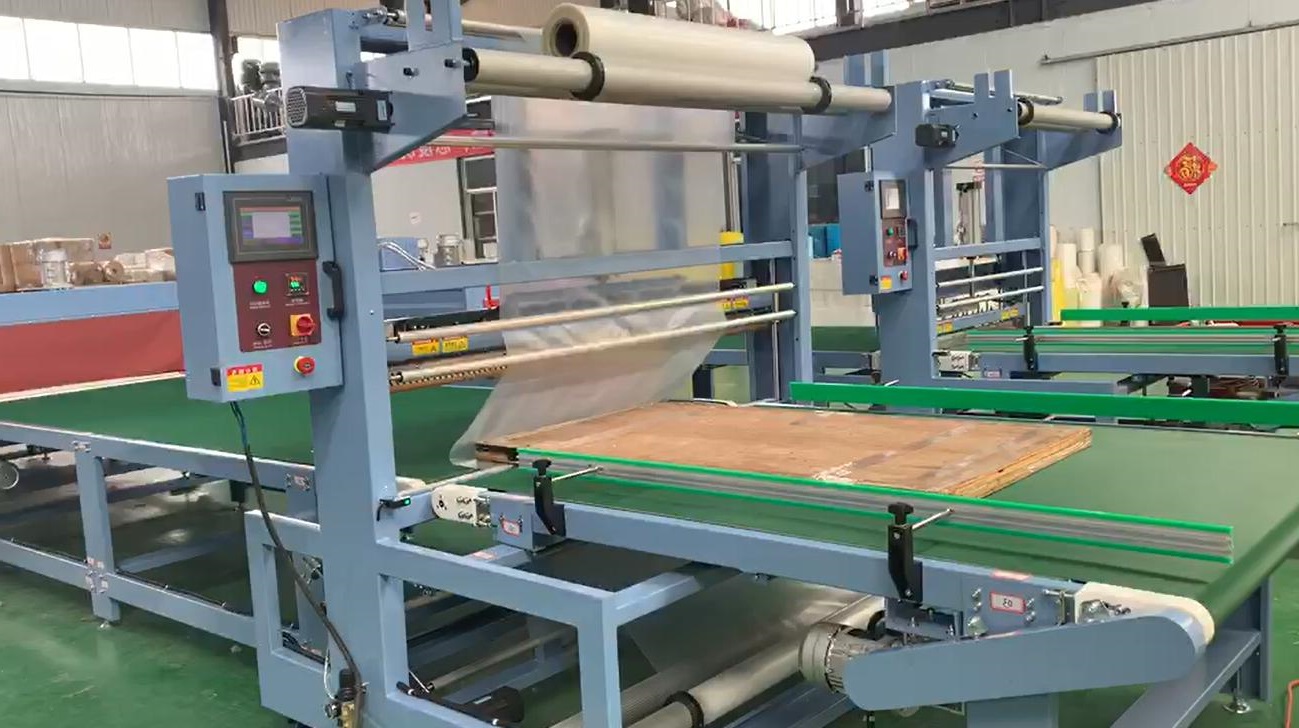
When I was building my own packing machine factory, I learned that efficiency is king. Every minute saved on the production line adds up to more products made and more money earned. For workshops handling lightweight doors, the impact is huge. Manual packing is not only slow but also inconsistent. One door might be wrapped perfectly, another might be loose. A machine ensures every door gets the same high-quality wrap at a consistent speed. This consistency is vital for customer satisfaction and reducing reworks.
Comparing Manual vs. Automated Packing Speed
Let us break down the difference. Manual packing involves several steps that are prone to delay. A worker must grab the wrapping material, position it, walk around the door multiple times, and then secure it. Each step takes time. If a worker gets tired, or distracted, the speed drops. In contrast, a door packing machine works at a steady pace. Once loaded, it handles the wrapping automatically.
- Time Savings: A machine can wrap a door in seconds. Manual wrapping can take minutes, especially for larger or unusually shaped doors. These saved minutes add up to hours over a shift, and days over a month.
- Throughput Increase: If you can pack more doors per hour, your total output goes up. This means you can meet higher demand without needing to hire more staff just for packing. For a growing business in Colombia, this is a clear path to expansion.
- Consistent Quality: Machines apply tension and material evenly. This means every door is wrapped securely, reducing the risk of damage during transport. Manual wrapping can lead to uneven tension, which might cause the wrap to fail.
- Reduced Rework: When packing is done by hand, mistakes happen. A loose wrap might require the door to be re-wrapped. This wastes both time and material. Automated machines greatly reduce these errors. From my experience helping clients, I have seen how much money is lost when products need to be touched more than once after leaving the production line. An efficient packing process prevents this.
By automating, workshops in Colombia can see their production capacity jump. They can move more doors out the door, literally. This means faster delivery times, happier customers, and a stronger position in the market. It changes your workshop from a place where packing is a chore into a highly optimized operation.
Can automated door packing truly improve worker safety?
Manual handling of lightweight doors, even if they are not very heavy, still poses risks. Workers have to bend, lift, twist, and repeat these motions hundreds of times a day. Over time, this repetitive strain leads to muscle fatigue, back pain, and even serious injuries. Think about the costs of worker’s compensation, medical leave, and finding replacement staff. These add up fast and create a difficult work environment.
An automated door packing machine greatly reduces the need for workers to manually lift or move doors during the packing process. This removes the risk of sprains, strains, and other musculoskeletal injuries that come from repetitive or awkward movements. It creates a much safer workplace.
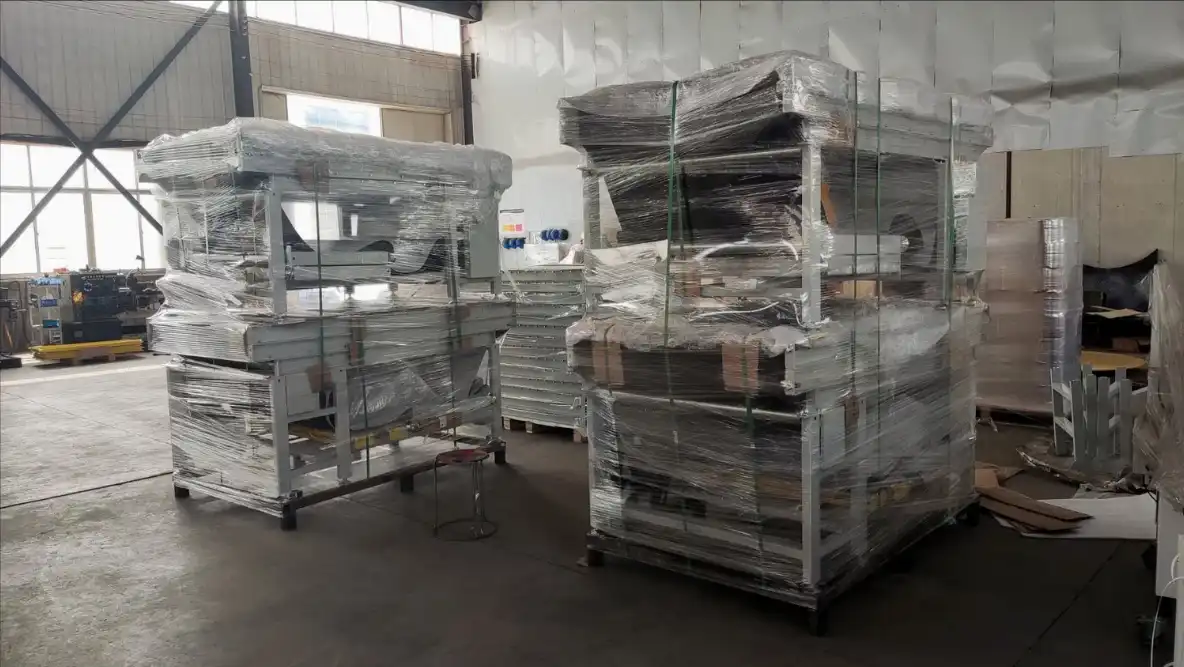
Safety was a big concern for many of my clients, especially those in heavy industries. But even with lighter products like doors, the constant manual handling can take a toll. A safe workplace is not just about avoiding accidents. It is also about the well-being of your team. When workers feel safe and their physical burden is lessened, morale improves, and staff turnover goes down. This is something any good factory manager, like Michael, understands well. Investing in safety is investing in your people.
How Machines Reduce Physical Strain and Risks
Consider the daily routine in a manual workshop. Workers are constantly handling doors. They might be lifting them onto a table, turning them, or carrying them to the packing area. Even if a door is “lightweight,” repeating these actions for hours is taxing.
- Eliminates Heavy Lifting: While doors are lightweight, some still require effort. The machine handles the physical movement and wrapping. Workers just need to load the door onto the machine’s conveyor or platform. This takes away the most physically demanding part of the job.
- Reduces Repetitive Motions: Manual wrapping requires continuous bending, reaching, and walking around the product. A machine does all these motions robotically. This means workers are free from the repetitive stress that leads to injuries like carpal tunnel syndrome or back problems.
- Lowers Fatigue: When workers are less tired, they are more alert. This reduces the chance of other accidents, not just those related to lifting. An alert worker is a safe worker.
- Fewer Accidents from Dropped Products: Manually carrying doors, even lightweight ones, can result in accidental drops. This can injure the worker or damage the door. The machine transports the door securely throughout the packing process.
- Improved Employee Morale: When you show your employees you care about their safety, it builds trust and loyalty. Workers are happier and more productive in a safe environment. This means less absenteeism and a more stable workforce for your Colombian manufacturing plant. I have seen how much a company can gain from having a motivated and healthy team. It is not just about avoiding costs; it is about building a better business.
By focusing on automation for safety, you are not just buying a machine. You are buying peace of mind for your workers and for your business. It is a smart move that pays off in many ways, both financial and human.
What are the cost savings of investing in a door packing machine?
Many manufacturers in Colombia look at the upfront cost of a new machine and pause. They see a big number. But they often miss the hidden costs of their current manual operations. High labor costs, wasted packing materials, and frequent product damage all eat into your profits. If doors are getting scratched or dented during manual handling or poor packing, it leads to customer complaints and financial losses. This erosion of profit is a silent drain on your business.
A door packing machine helps reduce labor expenses by doing the work of multiple people, minimizes material waste through precise wrapping, and prevents product damage during packing. This leads to significant long-term cost savings and a strong return on your investment. It helps your factory become much more profitable.
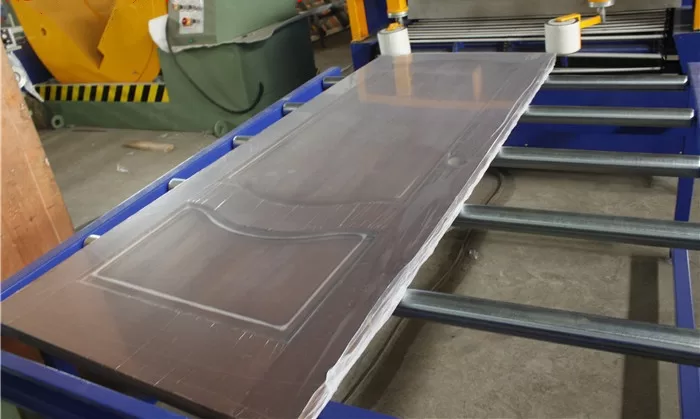
When I first started my factory, every dollar counted. I learned quickly that true cost saving comes from smart investments. It is not just about cutting corners. It is about making processes more efficient and less prone to waste. Many of my clients, including those like Michael who manage large operations, are always looking for clear ROI. A door packing machine offers exactly that. It might seem like a large purchase at first, but the savings quickly add up.
Analyzing the ROI of an Automated Door Packing Machine
Let us look at where the money is saved.
- Reduced Labor Costs:
- Fewer Workers Needed: An automated machine can do the work that currently requires two or three people for packing. This means you can reallocate staff to other parts of your production line, or reduce your overall labor needs for packing. This is a direct saving on wages, benefits, and training.
- Less Overtime: If your packing line is a bottleneck, you might be paying overtime to get orders out. An automated machine handles higher volumes during regular shifts, cutting down on these extra costs.
- Minimized Material Waste:
- Precise Wrapping: Manual wrapping often uses more material than needed. Workers might overlap too much or use too many layers “just to be safe.” Machines apply the exact amount of film or strapping required, reducing material consumption.
- Consistent Application: This consistency means less material is wasted due to faulty wraps that need to be redone.
- Decreased Product Damage:
- Protection during Handling: During manual transport or packing, doors can get scratched, dented, or chipped. This leads to rejects, reworks, or customer complaints. A machine handles doors gently and wraps them securely, reducing transit damage.
- Fewer Returns/Complaints: Damaged goods lead to unhappy customers, returns, and sometimes loss of future business. By preventing damage, you save money on replacement products, shipping for returns, and preserving your brand reputation. For a manufacturer in Colombia, customer trust is everything.
- Lower Insurance Premiums: As mentioned, fewer worker injuries can lead to lower worker’s compensation claims and potentially lower insurance premiums over time. This is a long-term, indirect cost saving.








