
Why Are Brazil Exporters Switching to Automated Door Packing Solutions?
Have you ever watched your production line grind to a halt right at the very end? You produce so many doors, but packing them feels like a manual bottleneck. This slowdown impacts your delivery times. It frustrates your clients. It also cuts into your profits. You see the problem. You feel the pressure to speed things up.
Brazilian exporters are increasingly moving to automated door packing solutions. They do this because manual methods are too slow. They also create many safety risks. And, they lead to product damage. Automation solves these problems. It boosts efficiency. It makes the workplace safer. It also protects products better.
This article will show you why smart factory managers in Brazil are making this change. It will also help you understand the benefits. We will look at how automation tackles common factory problems. Stick with me. You will see how these solutions can help your business grow.
Are Manual Packing Methods Slowing Down Brazilian Door Production?
Do you feel like your packing area holds back your entire factory? You have skilled workers, but manually wrapping and moving heavy doors takes too much time. This slows down your whole operation. It stops you from meeting high export demands. This bottleneck directly impacts your company’s growth.
Manual packing methods are a major reason for slow door production in Brazil. They depend on people doing repetitive, hard tasks. This means lower output. It also means higher labor costs. Automated systems work faster. They work without breaks. This makes the production flow smooth and quick.
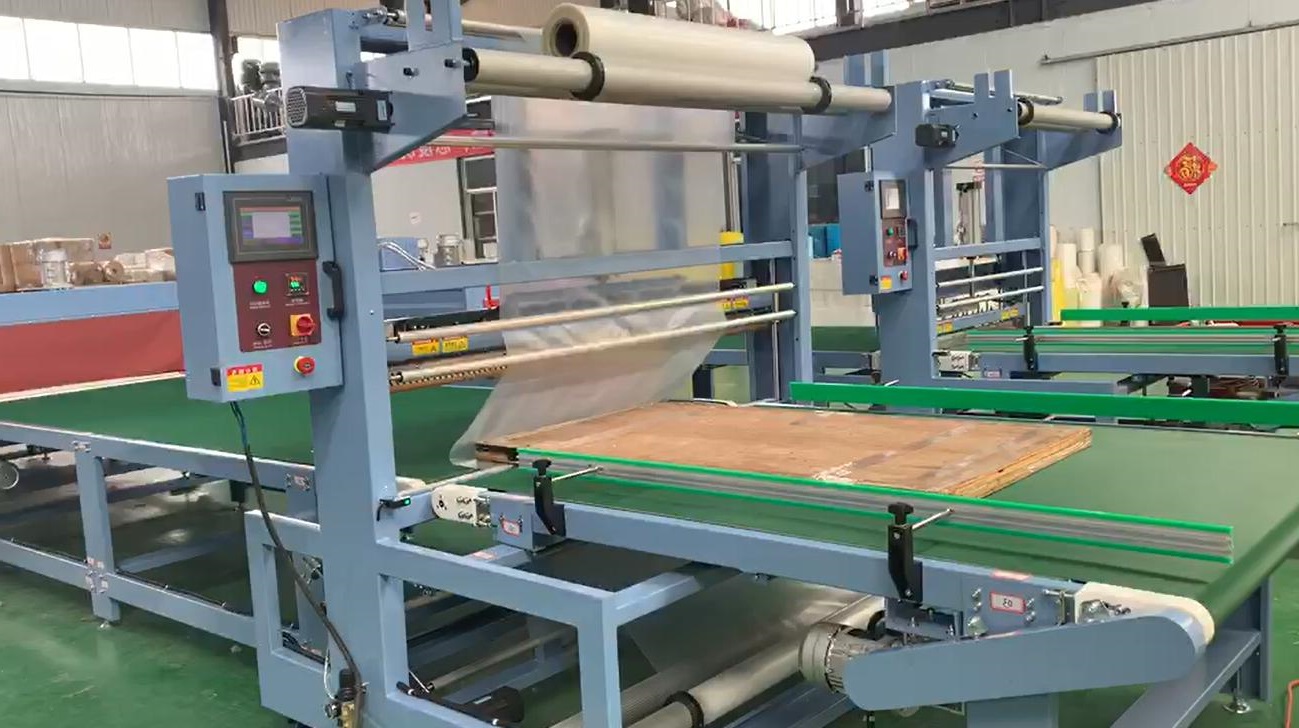
When I started as a packing machine engineer, I saw this problem everywhere. Factories would invest in new production lines. Then, they would forget about the end stage. The packing process often became the weak link. It cancelled out all the gains made earlier. This is especially true for large or heavy items like doors. Moving them by hand is slow. It takes many people. It means you cannot keep up with big orders.
The True Cost of Manual Packing Bottlenecks
Manual packing might seem cheap at first. You do not buy a big machine. But the hidden costs add up quickly. These costs often go unnoticed until they become huge problems.
- Lost Production Capacity:
- Manual packing limits how many doors you can finish each day. If your factory can make 1000 doors, but only pack 600, you lose 400 doors in sales. This is a direct loss of potential revenue. It means you cannot accept bigger orders. It stops your business from expanding. This is a common issue I saw when I visited client factories. They were always looking for ways to push more product out the door.
- High Labor Costs:
- You need many workers for manual packing. These workers need salaries. They need benefits. If the economy changes, labor costs can go up. Hiring and training new staff also costs money. Automated systems need fewer operators. This cuts down on your payroll expenses. It lets your skilled workers focus on more complex tasks.
- Inconsistent Quality:
- People get tired. They make mistakes. Manual packing can lead to inconsistent wrapping. Some doors might be packed well. Others might not be. This can affect how the doors look. It can affect how they are protected during shipping. Inconsistency leads to customer complaints. It can damage your company’s reputation. Automated machines pack every door the same way. This ensures high, consistent quality.
- Longer Lead Times:
- When packing is slow, your overall delivery time gets longer. Customers want their products fast. If your lead times are too long, they might go to another supplier. This loses you business. It makes your company less competitive in the export market. Automation drastically cuts packing time. This allows for faster deliveries. It keeps customers happy. It also opens up new markets for your business.








