
Is Your Brazilian Door Factory Ready to Master Output with Automated Packing?
Are you running a door assembly factory in Brazil, constantly battling slow production and high costs? Manual packing of doors is a major bottleneck. Workers struggle with heavy doors, risking injury daily. This old way of working leads to delays, damaged goods, and lost profits. You are not alone. Many factory managers face these exact issues. Your current methods are probably holding back your entire operation. They limit your growth and put your team at risk. This means unhappy customers and a less competitive business. But what if there was a better way? A way to dramatically increase your output, protect your workers, and cut down on product damage? Automated door packing machines are designed to solve these very problems, offering a clear path to a more efficient and profitable future for your Brazilian factory.
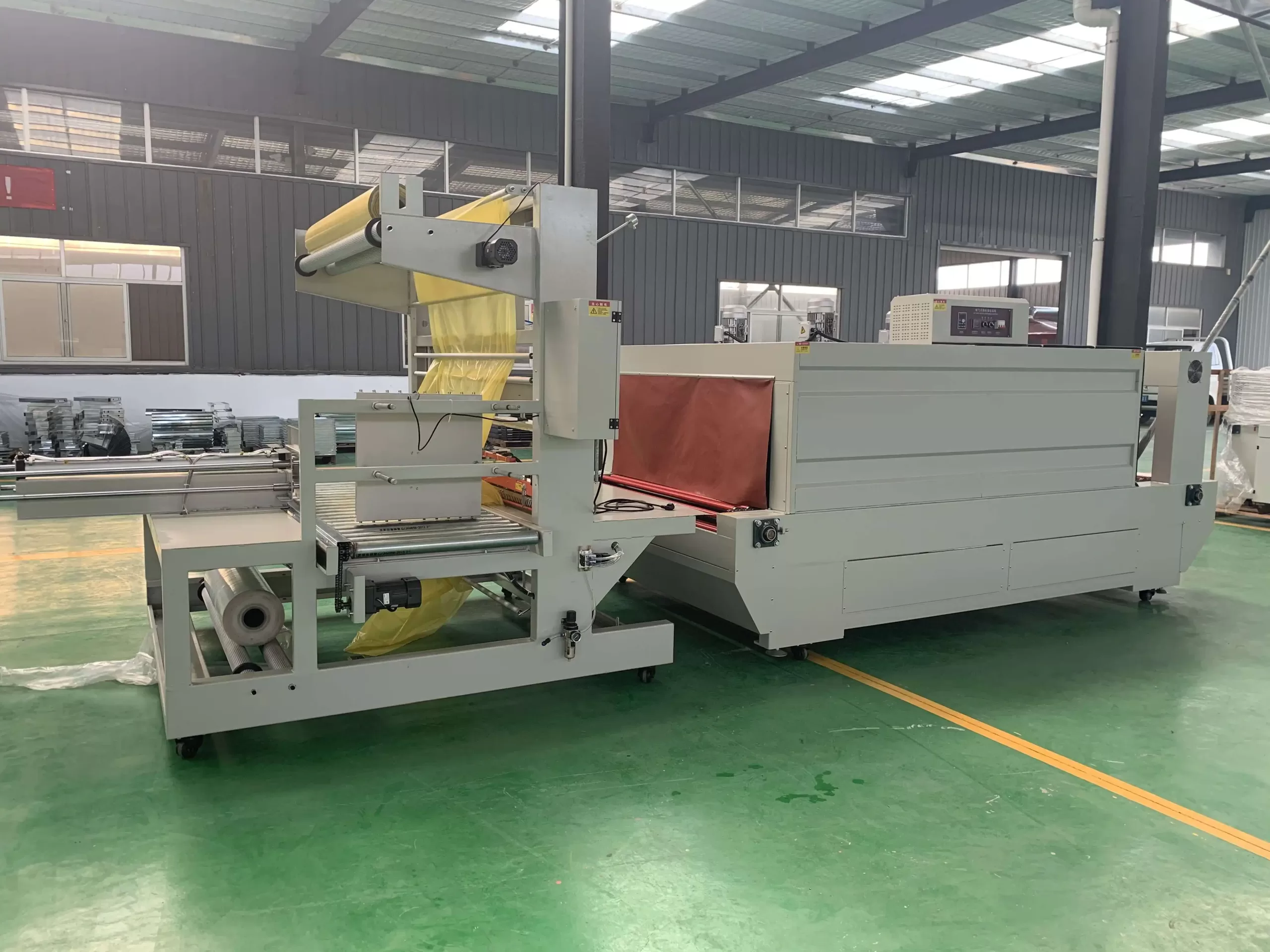
Automated door packing machines are crucial for Brazilian door assembly factories to boost output. They replace slow, risky manual processes with fast, precise automation. This helps factories handle more doors, reduce labor costs, and prevent damage during packing. These machines ensure consistent quality and allow factories to meet higher production demands quickly and safely.
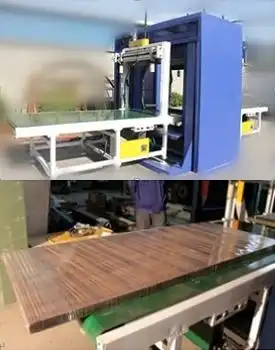
You know the challenges. I have seen them countless times in my years in the packing machine industry. From my early days as an employee to building my own successful factory, I learned that real solutions come from understanding these deep-seated problems. Let’s look closer at how smart automation, especially a door packing machine, can change your operation in Brazil. We will explore the specific issues and how to turn them into opportunities for growth and safety.
Is Manual Door Packing Holding Back Your Brazilian Production Line?
Is your door assembly line humming along, only to grind to a halt at the packing stage? Manual door packing is often the biggest bottleneck. Workers carefully wrap and move each heavy door by hand. This takes a lot of time and effort. This slow process means you cannot ship products fast enough. It delays deliveries. It also ties up your valuable workers in repetitive, low-value tasks. This prevents you from taking on more orders or expanding your business. Your entire production chain suffers because of this single point of slowness. The solution is clear. Bringing in an automated door packing machine can remove this bottleneck. It speeds up the entire end-of-line process. This allows your factory to truly increase its overall output.
Manual door packing severely limits output in Brazilian door factories by creating a major bottleneck. It relies on slow human labor, which cannot keep pace with high production demands. This leads to reduced throughput and delays in shipping. Automated door packing machines directly address this by significantly increasing packing speed and efficiency.
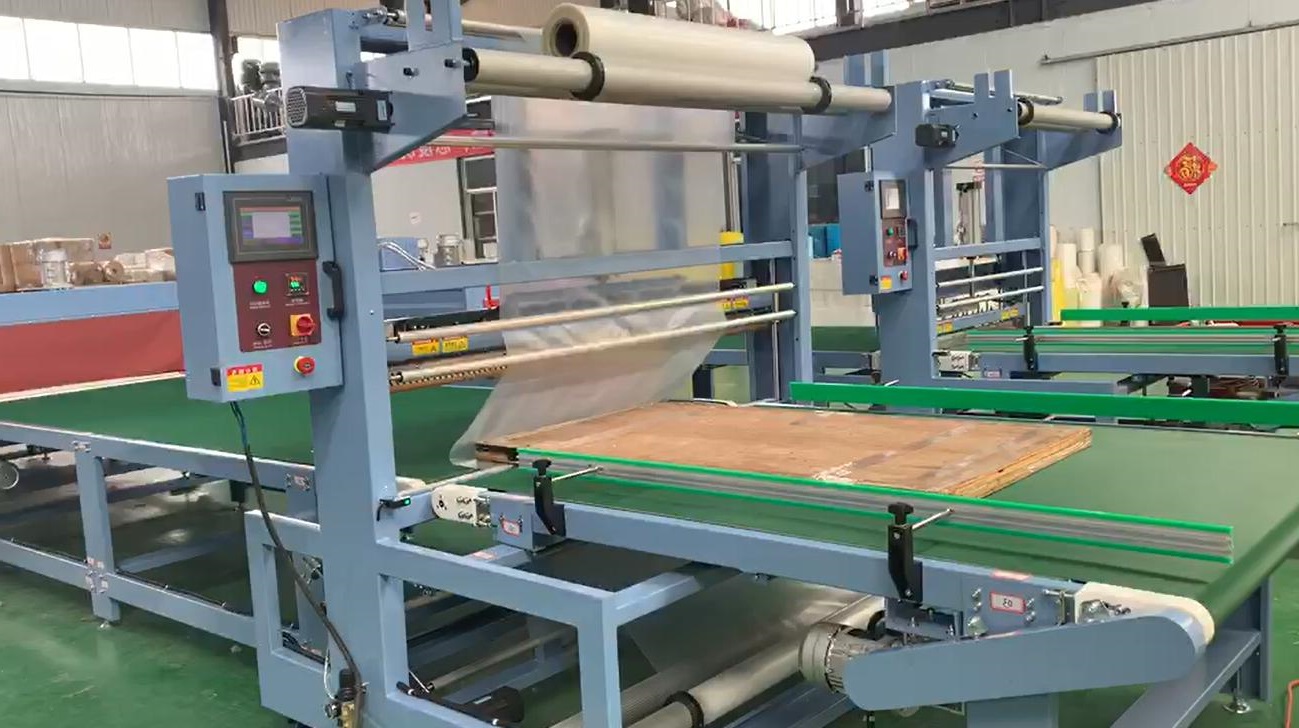
When I started in the packing machine industry, I saw many factories struggling with manual processes. They were just like your door factory in Brazil. They could make products fast, but getting them ready for shipment was always slow. This bottleneck at the end of the line is a common issue. It does not matter how efficient your manufacturing process is if the packing cannot keep up. For door factories, this means a steady flow of finished doors pile up, waiting to be wrapped and moved. This backlog eats into your storage space. It also delays customer orders. You might even lose new business because you cannot promise faster delivery times. An automated door packing machine changes this. It takes over the wrapping and securing of doors. These machines can work much faster than humans. They do not get tired. They perform the same task perfectly every time. This consistent speed means that doors move through the packing area without delay.
Automating this step frees up your workers. They can then do more complex tasks. Or they can move to other areas where human skill is truly needed. This boosts overall factory productivity. It also lowers labor costs tied to packing. Consider a typical factory. If packing takes 10 minutes per door with two people, an automated machine might do it in 2 minutes with one operator overseeing it. The difference adds up quickly over hundreds or thousands of doors. This is not just about speed. It is about flow. A smooth flow means less waiting. It means less congestion. It means more actual doors leaving your factory every day. This directly impacts your bottom line. It allows your Brazilian door factory to scale up production. It helps you meet growing market demands.
The Real Cost of Slow Packing
Slow packing has hidden costs. It is more than just wages.
- Reduced Throughput: Your overall factory output is capped by the slowest process. Manual packing acts as this cap.
- Increased Work-in-Progress (WIP): Doors stack up, waiting for packing. This takes up valuable floor space. It also ties up capital.
- Overtime Pay: To meet deadlines, you might pay workers overtime for packing. This raises operating costs.
- Missed Opportunities: You might say no to new, large orders. This happens because you know you cannot pack them fast enough.
How Automation Solves This
| Automation brings predictable speed and efficiency. | Feature | Manual Packing | Automated Packing |
|---|---|---|---|
| Speed | Slow, inconsistent, depends on human fatigue | Fast, consistent, continuous operation | |
| Labor Requirement | High, often multiple workers per station | Low, one operator can oversee several machines | |
| Throughput | Limited by human pace | High, able to match production line speed | |
| Space Utilization | Requires space for staged doors waiting | More efficient, less staging needed | |
| Operational Hours | Limited by shifts and breaks | Can run 24/7 if needed |
This shift is a game-changer for any factory wanting to grow. It is especially true for those in a competitive market like Brazil.
How Can Brazilian Door Factories Protect Workers from Dangerous Manual Handling?
Think about the size and weight of a typical door. Manually lifting, moving, and flipping these heavy items is physically demanding. It puts your workers at high risk. Back injuries, strains, and even crush injuries are common in factories relying on manual handling. These injuries do more than just hurt your team members. They lead to rising insurance costs. They cause increased absenteeism. They can even result in high employee turnover rates. A less safe workplace also impacts morale. It creates a stressful environment for everyone. The good news is that you can stop these risks. Investing in automated door packing and handling solutions removes workers from dangerous tasks. It makes your factory a much safer place. This protects your most valuable asset: your people.
Brazilian door factories can significantly improve worker safety by automating door handling and packing processes. Machines take over the heavy lifting, turning, and wrapping of doors. This reduces the need for manual labor in risky tasks. It directly lowers the chance of work-related injuries, like back strains or crush accidents.
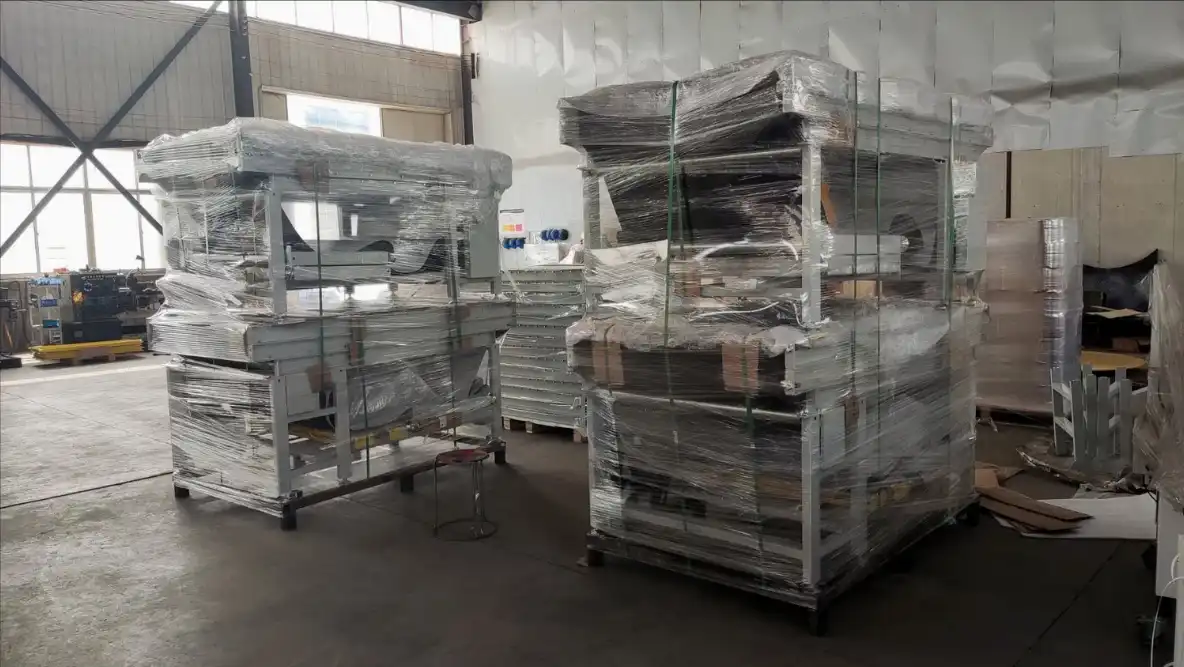
From my experience, I have seen first-hand the impact of workplace injuries. A packing machine factory I used to work at had an incident where a worker strained his back lifting a heavy part. It was a minor injury but it kept him out of work for weeks. This kind of event is common. It highlights why safety must be a top priority. In door factories, doors are heavy and awkward. They range in size and weight. Manually lifting them, especially onto pallets or into wrapping machines, is extremely risky. Workers often bend, twist, or lift with improper form. Over time, this leads to chronic pain and serious injuries. These injuries are costly. They include medical bills, lost workdays, and higher workers’ compensation premiums. They also create a negative work environment. Employees become fearful. Morale drops. Good workers might even leave for safer jobs.
Automated door packing machines are designed to eliminate these dangers. They use mechanical systems to lift, rotate, and move doors. Workers only need to oversee the operation. They do not need to do the heavy lifting themselves. This dramatically reduces the physical strain on your team. It lowers the risk of accidents. It creates a healthier workplace. A safer factory is also more attractive to skilled labor. It shows your commitment to your employees’ well-being. This can help with recruitment and retention. It also builds trust between management and workers. Safety is not just a cost. It is an investment. It is an investment in your people. It is an investment in your factory’s long-term health and reputation.
Common Safety Hazards in Manual Door Packing
Understanding the risks helps in finding the right solution.
- Musculoskeletal Injuries: Back strains, shoulder injuries, and repetitive motion injuries from lifting and positioning heavy doors.
- Crush Injuries: Risks from doors falling or shifting during manual transport or placement.
- Pinches and Lacerations: Hands getting caught between doors or machinery parts during handling.
- Fatigue-Related Accidents: As workers get tired, their attention drops. This increases the chance of accidents.
Automation: The Path to a Safer Workplace
| Automated systems provide a robust safety net. | Safety Aspect | Manual Handling | Automated Handling |
|---|---|---|---|
| Lifting & Moving | High risk of strains, sprains, and back injuries | Machines handle all heavy lifting, no human involvement | |
| Repetitive Motion | High risk of repetitive strain injuries | Tasks performed by machines, reducing human fatigue | |
| Falling Objects | Doors can shift or fall, injuring workers | Secure mechanical gripping, minimal fall risk | |
| Operator Exposure | Workers are close to moving parts and heavy loads | Operators work safely away from moving machine parts | |
| Consistency | Varies with worker fatigue and training | Consistent, predictable, and safe operation |
By taking the human element out of the physically demanding parts, you build a safer, more productive operation. This is a crucial step for any modern Brazilian door factory.
Are Damaged Doors Costing Your Brazilian Factory Too Much?
You work hard to produce high-quality doors. But what happens during packing and internal transfer? Are you seeing damage? Scratches, dents, or broken edges on your finished doors before they even leave the factory? This is a common and costly issue for door manufacturers. Each damaged door means lost profit. It requires rework, or worse, a complete scrap. It leads to customer complaints. This hurts your reputation. It can even result in lost future orders. It shows a lack of quality control at the very end of your production line. A well-designed automated door packing machine prevents this. It ensures consistent, secure packing. This protects your valuable products from damage during handling and transport. It saves you money. It keeps your customers happy.
Damaged doors during internal transfer and packing cost Brazilian factories significantly through rework and customer complaints. Automated door packing machines solve this by providing consistent, gentle, and secure wrapping. They eliminate human error and rough handling, which commonly cause damage like scratches, dents, or edge breakage, thereby preserving product integrity.
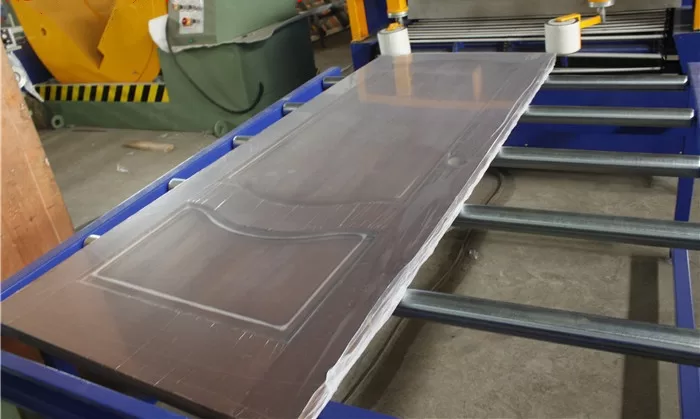
I have often seen factories produce excellent products, only to damage them in the final stages. This is a terrible waste of effort and resources. In my previous factory, we had issues with steel coils getting scratched during strapping. We quickly learned that even small errors in handling led to big problems for clients. The same applies to door factories in Brazil. Doors are large and often have delicate surfaces or edges. During manual handling, it is easy to bump them, drop them, or scratch them against other surfaces. Even during manual wrapping, the tension might be inconsistent. This can lead to loose packaging that allows movement and friction. Or it can be too tight, causing warping.
Damaged products are more than just a direct financial loss. They erode customer trust. When a customer receives a damaged door, they often blame the factory. This can lead to returns, rework, or discounts. It can also damage your brand image. This is hard to fix. An automated door packing machine applies the right amount of tension every time. It uses the correct materials. It positions the door perfectly. This ensures consistent protection. It creates a tightly wrapped package that resists damage during transit and storage. This means fewer complaints. It means higher customer satisfaction. It translates into a stronger reputation for quality. This makes your factory more competitive in the Brazilian market. It is a smart investment to protect your product and your profits.
Sources of Product Damage in Manual Packing
Understanding where damage occurs helps in preventing it.
- Rough Handling: Workers might drop, slide, or improperly stack doors, leading to dents, scratches, or broken corners.
- Inconsistent Wrapping: Manual wrapping tension can vary, leading to loose packages that allow movement and friction, or over-tightening that warps doors.
- Exposure to Elements: Doors might be left unprotected during staging, exposing them to dust, moisture, or other environmental factors.
- Improper Material Use: Using the wrong type or amount of packing material due to human error.
How Automated Packing Guarantees Product Integrity
| Automation ensures consistency and precision. | Aspect | Manual Packing | Automated Packing |
|---|---|---|---|
| Consistency | Highly variable, depends on worker skill and fatigue | Uniform, machine-controlled application of materials | |
| Material Use | Prone to waste or insufficient application | Optimized usage, precise material dispensing | |
| Protection | Risk of inadequate or excessive protection | Consistent, secure wrapping preventing movement | |
| Damage Rate | Higher due to human error and physical stress | Significantly lower due to controlled processes | |
| Aesthetics | Less uniform, can appear less professional | Clean, tight, professional-looking packages |
By eliminating these common sources of damage, an automated system ensures that the high-quality doors you produce arrive at your customers in perfect condition. This boosts your factory’s standing in the market.
Why Do Brazilian Door Factories Need a Partner, Not Just a Supplier?
Have you ever bought expensive equipment, only to feel abandoned by the supplier after the sale? Many factory managers in Brazil face this. They deal with companies focused only on making a quick sale. They do not offer real support. They provide poor after-sales service. This lack of partnership means you are left alone to troubleshoot problems. It means you face long downtimes. It results in wasted investment. You need a solution provider, not just a box shipper. You cannot afford to trust your critical factory operations to a company that disappears after the invoice is paid. What you need is a true partner. Someone who understands your factory’s specific challenges. Someone who offers deep industry knowledge. Someone who provides ongoing support. I built FHOPEPACK on this idea. My goal is to help your Brazilian door factory succeed, not just sell you a machine.
Brazilian door factories need a partner, not just a supplier, because they require expert guidance and reliable support beyond the initial purchase. A true partner understands the factory’s unique challenges, like Michael Chen’s, and offers tailored solutions. This includes pre-sale consultation, custom machine design, installation support, and responsive after-sales service.
I have walked in your shoes. I started as an employee. Then I built my own packing machine factory. I saw what good and bad suppliers looked like. A common frustration for factory managers like Michael Chen is dealing with vendors who are only focused on sales numbers. They promise a lot before the sale. But once the money is paid, their support vanishes. This is a problem everywhere, including for door factories in Brazil. You invest a lot of money in new equipment. You expect it to solve your problems. But if the supplier does not offer proper installation guidance, training, or quick technical support, that investment might not pay off. Downtime becomes longer. Production suffers. Your frustration grows.
At FHOPEPACK, our mission is to be a knowledge-sharing platform. This means we are committed to understanding your factory’s real problems. We want to share our expertise. We aim to help you make informed decisions. When you work with us, it is not just about buying a machine. It is about getting a complete solution. It starts with me, Randal Liu, drawing on my decades of experience in the packing machine industry. I understand the challenges of increasing output, managing costs, and ensuring safety. I know what it takes to run a successful factory. We work with you to analyze your specific production bottlenecks. We look at your safety concerns. We consider your efficiency needs. Then, we recommend the right door packing machine. We provide proper setup. We offer training. And we are here for ongoing support. This partnership approach ensures that your investment truly brings the results you want. It helps your Brazilian door factory grow and thrive.
The Difference: Supplier vs. Partner
Knowing who you are dealing with is key to long-term success.
- Supplier (Transaction-focused): Sells a product, provides basic warranty, minimal post-sale interaction.
- Partner (Relationship-focused): Understands your business, offers tailored solutions, provides comprehensive support, invested in your success.
Key Aspects of a True Partnership
| When choosing an equipment provider, look for these qualities: | Aspect | Supplier Approach | Partner Approach |
|---|---|---|---|
| Understanding Needs | Generic recommendations based on product catalog | Deep dive into specific factory operations & goals | |
| Solution Design | Standard machine offerings | Custom solutions, layout planning, integration advice | |
| Pre-Sale Support | Price quotes, basic product specifications | Detailed consultations, ROI analysis, technical discussions | |
| Installation | Ship machine, maybe provide manual | On-site installation guidance, commissioning support | |
| Training | Basic user guide | Comprehensive operator and maintenance training | |
| After-Sales Service | Reactive, slow, often requires multiple calls | Proactive checks, rapid response, remote diagnostics | |
| Long-Term View | Focus on immediate sale | Focus on your business growth and continuous improvement |
This holistic approach is what defines FHOPEPACK. It is what ensures your Brazilian door factory gets the most out of its investment. It is how you truly master your packing process.
Conclusion
Automated door packing machines are vital for Brazilian factories to boost output, enhance safety, and protect products. Partnering with FHOPEPACK ensures expert guidance and tailored solutions, transforming your factory operations for lasting success.








