
Why American aerospace suppliers applying coil wrapping machine for precision coil safety?
Working in the packing machine industry for many years, I have seen first-hand the challenges manufacturers face. Imagine you are producing vital components for the aerospace industry. The materials are incredibly expensive. The standards are incredibly high. Even a tiny scratch can make a whole coil unusable. This is not just about money; it is about safety and reputation. Traditional packaging methods often fall short, leaving these valuable materials vulnerable. This is a real problem for many American aerospace suppliers, causing stress and financial losses.
Coil wrapping machines ensure unparalleled protection, reduce manual handling risks, and maintain the integrity of high-value aerospace materials, which is crucial for meeting stringent quality standards in the aerospace industry.

As someone who started on the factory floor and then built my own successful packing machine factory, I understand these pressures very well. I know the feeling of needing reliable equipment that delivers real results. This is not just about buying a machine. It is about finding a solution that protects your investment, keeps your workers safe, and helps your business grow. So, let us look deeper into why American aerospace suppliers are now turning to coil wrapping machines for their precision coil safety needs.
1. Why is Precision Coil Safety Critical for American Aerospace Suppliers?
In the aerospace world, precision is everything. A small defect in a material can have catastrophic consequences. Think about the components that make up an airplane. They must perform perfectly, every single time. This means the raw materials, like coils of specialized metal alloys, need to be flawless. Any damage, even minor, makes them unusable. This problem leads to huge financial losses, project delays, and even serious safety concerns.
Precision coil safety is critical because aerospace components demand flawlessness, making any material damage unacceptable due to immense costs, regulatory penalties, and potential flight safety risks.
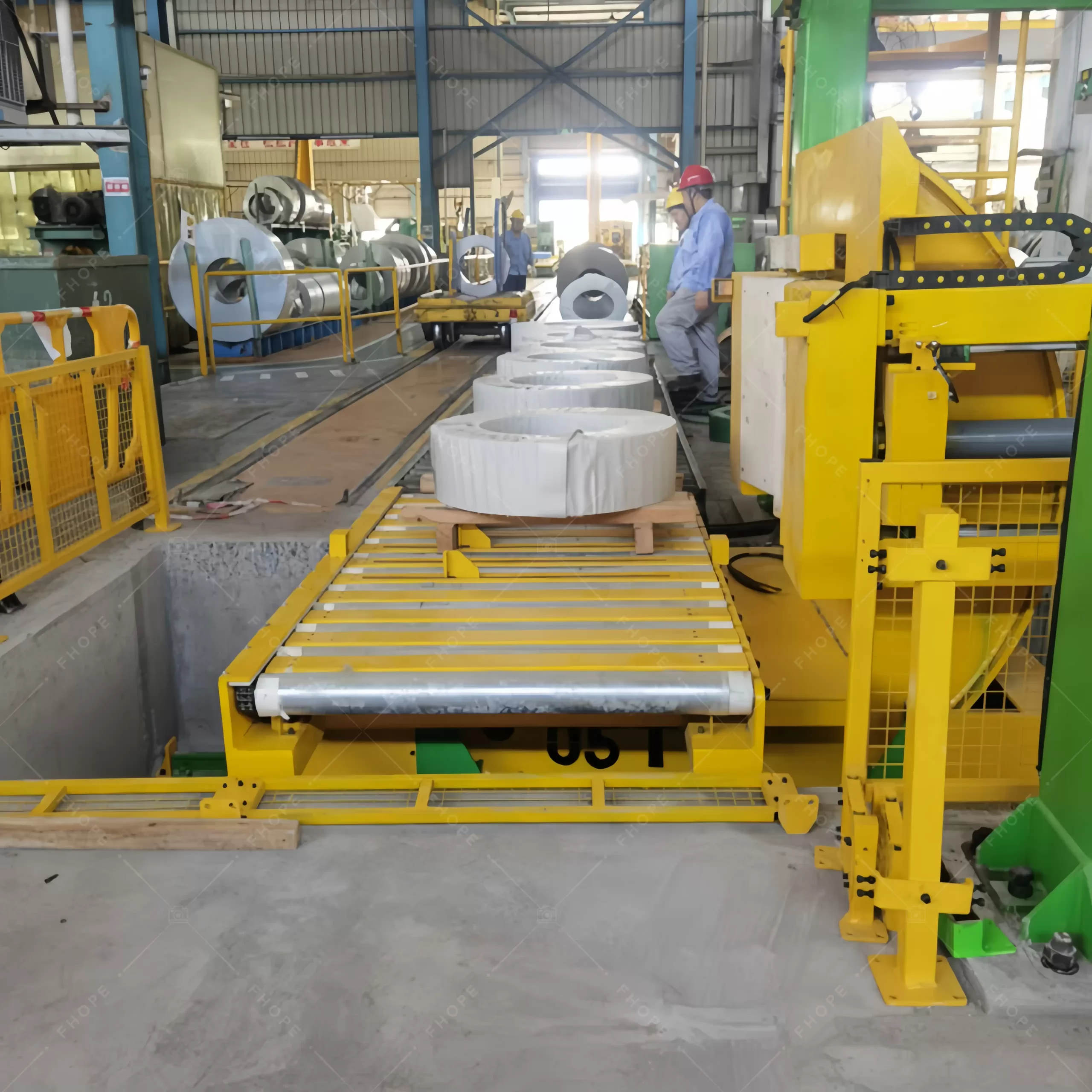
From my experience, I have seen how costly material damage can be. I remember one client, a medium-sized metal processing plant, lost an entire batch of expensive titanium coils due to mishandling during internal transport. It was a major blow. For American aerospace suppliers, the stakes are even higher. They work with materials like high-strength steel, titanium, and exotic alloys. These materials are incredibly expensive. Losing even a small amount due to damage means significant financial impact. The aerospace industry has strict regulations from bodies like the FAA. These rules demand the highest quality and safety standards. Any material defect can lead to failed inspections, recalling parts, and large fines. This also harms a company’s reputation. A damaged reputation is hard to fix. When I helped build my packing machine factory, we always focused on reliability. We knew our clients could not afford mistakes. Aerospace suppliers need to make sure their materials are perfect from the start. Protecting these coils from scratches, dents, or environmental damage is not just good practice. It is a fundamental part of their operational safety and financial health. It ensures they meet strict industry standards and keep their place in a very competitive market. They cannot risk any compromises when it comes to material integrity. This is why investing in advanced safety measures for coils is so important for their long-term success.
The High Stakes of Aerospace Materials
Aerospace materials are not like regular metals. They are developed for extreme conditions. They are light, strong, and resistant to heat. This makes them very expensive to produce.
- Cost: A single coil of titanium or specialty alloy can cost hundreds of thousands of dollars.
- Performance: They must perform under immense stress. Any physical imperfection can compromise structural integrity.
- Rarity: Some materials are difficult to source. Damage means longer lead times for replacement.
Regulatory Demands and Zero Tolerance
The aerospace industry is one of the most regulated in the world.
- FAA Standards: The Federal Aviation Administration sets very strict rules for material quality.
- Supplier Audits: Suppliers undergo regular audits. They must show clear processes for material handling and protection.
- Traceability: Every material coil must be traceable. Any damage means a break in the chain of quality.
Hidden Costs of Damage
The visible cost of damaged material is clear. But there are many hidden costs.
| Cost Type | Impact on Aerospace Supplier |
|---|---|
| Material Scrap | Direct loss of expensive raw material. |
| Production Delays | Stops in the manufacturing line, missed delivery deadlines. |
| Rework/Rescheduling | Extra work to replace materials, rearranging production plans. |
| Increased Labor | Time spent on damage assessment and disposal. |
| Reputational Harm | Loss of trust from clients, difficulty winning new contracts. |
| Legal/Fines | Potential penalties for failing to meet quality standards. |
2. How Do Coil Wrapping Machines Boost Safety in Aerospace Coil Handling?
Manual handling of heavy metal coils is one of the most dangerous tasks in any factory. Workers have to lift, move, and secure very heavy, often awkwardly shaped, objects. This often leads to strains, sprains, and even more severe accidents. For an aerospace supplier, where safety standards are paramount, this is a huge concern. High injury rates mean higher insurance costs and unhappy employees. This is a problem many factory managers, like Michael Chen, face daily.
Coil wrapping machines boost safety by greatly reducing the need for manual handling of heavy, awkward coils, thereby minimizing the risk of severe workplace injuries, strains, and accidents common in traditional packaging processes.
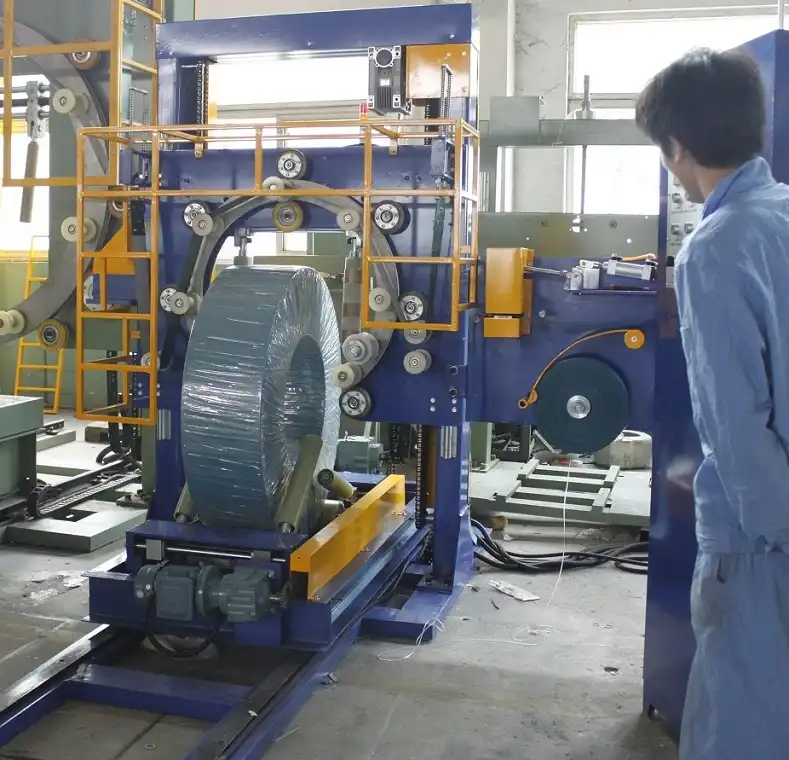
When I was an employee at a packing machine factory, I saw many close calls. Workers often had to use chains and forklifts in ways that were less than ideal. This puts people at risk. Later, when I started FHOPEPACK, worker safety became a core value. We knew that automation could solve many of these issues. Coil wrapping machines take the human element out of the most dangerous parts of the packaging process. Instead of workers manually wrestling with heavy coils to apply packaging materials, the machine does the work. This removes the direct risk of muscle strains, crushed limbs, or falls from handling unstable loads. Machines can lift, rotate, and wrap coils with precision and control. This is far safer than any manual method. For aerospace suppliers, this means fewer workplace injuries, a safer working environment, and lower insurance premiums. It also means less employee turnover, which is important for maintaining a skilled workforce. By automating the coil wrapping process, companies not only protect their valuable materials but also, and more importantly, protect their most valuable asset: their employees. This aligns directly with Michael Chen’s goal of drastically improving worker safety and reducing reliance on manual heavy lifting. These machines help create a safer, more productive work environment, which is a win for everyone.
Eliminating Direct Human Contact
The main way these machines boost safety is by removing workers from direct contact with heavy coils during wrapping.
- Automated Loading/Unloading: Coils are moved onto the machine platform using conveyors or specialized carts. Workers operate from a safe distance.
- Automated Wrapping: The machine applies packaging materials automatically. No manual lifting, bending, or reaching is needed.
- Reduced Pinch Points: Automated systems are designed with safety interlocks. These prevent access to moving parts during operation.
Ergonomic Advantages
Beyond direct contact, automated wrapping improves ergonomics.
- Less Repetitive Motion: Workers no longer perform the same strenuous actions repeatedly. This reduces the risk of repetitive strain injuries.
- Reduced Physical Strain: No heavy lifting or pulling. This lessens the burden on workers’ backs, shoulders, and knees.
- Improved Posture: Workers can stand or sit in comfortable positions while monitoring the machine.
Reducing Incident Rates
The impact on accident statistics is significant.
| Safety Aspect | Manual Handling Risks | Automated Wrapping Benefits |
|---|---|---|
| Worker Injuries | High risk of strains, sprains, cuts, fractures, crushing. | Significantly reduced due to minimal direct contact. |
| Fatigue | Manual tasks are tiring, increasing the chance of mistakes. | Operators monitor; physical fatigue is not a major factor. |
| Accident Severity | Potential for severe, life-changing injuries. | Reduced to minor incidents, often machine-related, not human. |
| Insurance Costs | Higher premiums due to increased claims. | Lower premiums from a safer work environment. |
| Compliance | Harder to meet strict safety regulations consistently. | Easier to ensure compliance with repeatable processes. |
3. What Role Do These Machines Play in Protecting High-Value Aerospace Coils?
Aerospace coils are often highly polished, precision-engineered materials. Even a tiny scratch, a bit of dust, or exposure to moisture can render them unusable. Traditional packaging methods, like manual wrapping with basic materials, often provide inconsistent protection. This leaves valuable coils vulnerable to damage during storage, transport, and handling within the factory. The risk of product loss is a constant worry.
Coil wrapping machines play a vital role by creating a tight, multi-layer, and consistent protective barrier around aerospace coils, shielding them from physical impacts, dust, moisture, and corrosion during storage and transit, thus preserving their critical surface integrity.

From my early days in the industry, I learned that protection is key. Many clients told me stories about coils arriving at their customers’ sites with damage. This led to rejections and complaints. For aerospace, this is simply not acceptable. Coil wrapping machines offer a superior level of protection. They apply packaging materials, such as stretch film, VCI film, or woven fabric, in a tight, overlapping spiral motion. This creates a complete, secure enclosure around the entire coil. This strong barrier protects against various forms of damage. For example, it prevents physical impacts from other objects during transit. It keeps dust, dirt, and debris from settling on the sensitive surface. Crucially, it seals the coil from moisture and humidity, preventing corrosion, which is a major concern for metals. Some machines can even apply VCI (Volatile Corrosion Inhibitor) film, releasing protective chemicals that prevent rust and oxidation. This comprehensive protection ensures that the coil maintains its original, pristine condition from the moment it is wrapped until it reaches its final destination. This guarantees that the high-value aerospace materials meet the strict quality requirements for precision parts, avoiding costly rejections and maintaining product integrity throughout the supply chain. This directly addresses the challenge of product loss and customer complaints that Michael Chen mentioned.
Shielding Against Physical Damage
The physical protection is immediate and effective.
- Impact Resistance: Multiple layers of tough film absorb shocks and impacts. This protects the coil from dents and scratches.
- Abrasion Prevention: The wrap prevents rubbing against other surfaces. This avoids wear and tear during movement.
- Edge Protection: Specific wrapping patterns can reinforce coil edges. These are common points of damage.
Environmental Protection
Aerospace materials are sensitive to their surroundings.
- Moisture Barrier: The tightly wrapped film forms a strong barrier. This keeps out humidity and prevents water damage.
- Dust and Dirt Exclusion: The sealed package prevents any contaminants from reaching the coil surface. This maintains cleanliness.
- Corrosion Inhibition: Using VCI film provides an added layer of chemical protection. It stops rust from forming even in humid conditions.
Maintaining Surface Finish
The surface quality of aerospace coils is often critical for subsequent processing.
graph TD
    A[Raw Coil Material] --> B{Manual Packing?};
    B -- Yes --> C[Inconsistent Wrap, Gaps];
    B -- No --> D[Coil Wrapping Machine];
    C --> E{Exposure to Elements};
    E --> F[Scratches, Dents, Corrosion];
    D --> G[Tight, Multi-layer Wrap];
    G --> H[Protection from Damage, Moisture, Dust];
    F --> I[Product Loss, Rework, Rejection];
    H --> J[Maintained Quality, No Loss, Accepted Product];
    J --> K[Happy Customer, High ROI];
I --> L[Unhappy Customer, Low ROI];- Surface Integrity: The wrap protects the surface from handling marks. This ensures the coil is ready for precision machining.
- Cleanliness for Further Processing: Clean, undamaged coils reduce setup time. They also lower the risk of defects in later manufacturing steps.
- Long-Term Storage: Allows for safer storage for longer periods. This is important for just-in-time manufacturing.
4. How Do Coil Wrappers Drive Efficiency and Cost Savings for Aerospace Manufacturers?
Manual coil packaging is a slow process. It demands a lot of labor. Each coil needs workers to move it, unroll packaging materials, and secure them by hand. This creates bottlenecks at the end of the production line. It also leads to high labor costs. For a busy factory manager like Michael Chen, this means lost production time, higher operating expenses, and an overall hit to profitability. He wants to see clear ROI on any new equipment.
Coil wrapping machines drive efficiency by significantly speeding up the packaging process, reducing labor costs, and ensuring consistent packaging quality, which in turn minimizes product damage and optimizes overall production flow for aerospace manufacturers.

My journey from factory employee to factory owner taught me the huge impact of efficiency on the bottom line. I saw how even small improvements in process flow could make a big difference. Coil wrapping machines completely change the game for aerospace manufacturers in this area. These machines work much faster than manual methods. They can wrap a coil in minutes, whereas manual wrapping might take much longer. This increased speed means coils move through the packaging stage quickly. It removes the bottleneck that manual processes often create. This improves overall production and delivery times. Furthermore, these machines dramatically reduce the need for multiple workers on the packaging line. This lowers labor costs. Workers who were doing manual wrapping can now be assigned to other, more skilled tasks. This is a much better use of valuable human resources. The consistent quality of the machine-applied wrap also reduces product damage. Fewer damaged coils mean less scrap, fewer reworks, and fewer customer complaints. All these factors directly contribute to significant cost savings and improved profitability. Michael Chen’s goals of “提升自动化水平” (increasing automation) and “降本增效” (reducing costs and increasing efficiency) are perfectly met by integrating these machines. The return on investment for such equipment is often very clear, making it a smart financial decision for any aerospace manufacturer looking to optimize their operations.
Streamlining Packaging Operations
The automation greatly simplifies and speeds up the packaging process.
- Faster Throughput: Machines can wrap multiple coils per hour. This is much quicker than any manual team.
- Consistent Speed: The machine operates at a steady rate. This ensures predictable output and better production planning.
- Reduced Bottlenecks: Packaging no longer slows down the entire production line. Materials move smoothly.
Labor Cost Reduction and ROI
The financial benefits of reducing labor are substantial.
- Fewer Personnel: One operator can manage a machine that might replace several manual workers.
- Reallocated Labor: Skilled workers can be moved to tasks that add more value.
- Clear ROI: The savings in labor, reduced material damage, and increased throughput quickly add up. This provides a strong return on investment.
Minimizing Product Loss
Consistent, high-quality wrapping reduces waste.
| Aspect | Manual Packaging | Automated Coil Wrapping |
|---|---|---|
| Packaging Speed | Slow, varies with worker fatigue. | Fast, consistent, high output. |
| Labor Requirement | High, often multiple workers per shift. | Low, usually one operator for multiple machines. |
| Consistency | Inconsistent wrap tension, gaps, poor coverage. | Uniform, tight, complete coverage every time. |
| Product Damage | Higher risk due to inconsistent protection and handling. | Much lower risk due to consistent protection. |
| Material Waste | More material used, potential for uneven cuts. | Optimized material usage, precise cutting. |
| Overall Efficiency | Low, often a bottleneck for the entire production. | High, improves flow, reduces overall lead times. |
My Insight
Having built FHOPEPACK from the ground up, starting as an engineer on the factory floor, I understand exactly what factory managers like Michael Chen are looking for. It is not just a machine. It is a reliable partner and a smart investment. I have lived through the challenges of boosting output, controlling costs, and ensuring safety. I know the pain of production bottlenecks and the importance of durable equipment. That is why I am dedicated to sharing my knowledge. I want to help businesses find solutions that truly work, not just sell them a product. My experience has taught me that real success comes from understanding the specific problems of each client and offering solutions that drive their growth and financial independence.
Conclusion
Coil wrapping machines are a vital investment for American aerospace suppliers. They ensure unparalleled safety for precision materials, protect workers, boost efficiency, and save costs. This makes them essential for high-quality aerospace manufacturing.








