
How Coil Wrapping Machines in USA Improve Efficiency for Wire and Cable Reel Wrapping?
Are you a factory manager in the USA facing constant pressure to increase output while cutting costs? Do slow, manual wire and cable reel wrapping methods cause bottlenecks, safety risks, and product damage on your production line? Many of the manufacturing leaders I talk to feel this exact pain. They know they need a change but are unsure where to start.
Coil wrapping machines directly tackle these issues in USA factories by automating the entire packaging process. They speed up throughput, significantly reduce the need for manual handling of heavy items, and ensure products like wire and cable reels are wrapped consistently and securely, leading to major efficiency gains and a safer workplace.
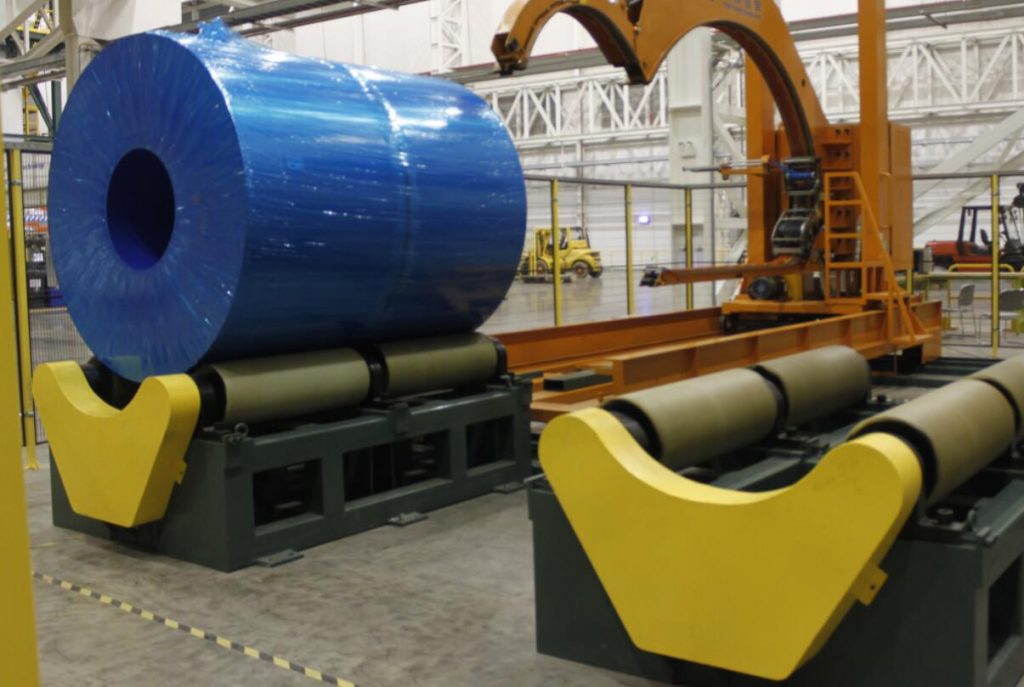
It is clear that the old ways of wrapping are holding back progress. But how exactly do these advanced machines make such a big difference? Let’s dive deeper into how modern coil wrapping technology is changing the game for USA manufacturers and solving the tough challenges many factory managers face every day.
1. Why are traditional wire and cable reel wrapping methods falling behind in the USA?
Do you find your packing area struggling to keep up with the rest of your production line? Are you worried about the high cost of labor and the constant risk of injury from manual wrapping? This is a common problem for many USA factories still using older methods for wire and cable reel wrapping.
Traditional wire and cable reel wrapping methods in the USA are falling behind because they are slow, rely too much on human effort, lead to high labor costs, create safety hazards, and often result in inconsistent packaging quality, making it hard for factories to meet modern production demands.

When I started my journey in the coil packing machine industry, first as an employee and then as a factory owner, I saw firsthand the struggles of manual packing. Workers would strain to handle heavy wire and cable reels, often leading to slow output and, sadly, injuries. In the USA, where labor costs are higher, relying on manual processes for something as repetitive as wrapping coils adds a huge burden to operational budgets. It is not just about the salary; it is about the cost of training, the risk of workers compensation claims, and the frequent slowdowns due to fatigue or human error. Many factory managers, like Michael Chen in Mexico (and many similar managers I know in the USA), face constant pressure to boost output. They see manual wrapping as a major bottleneck. The truth is, old methods just cannot keep up with the speed and scale required by today’s competitive markets. They create a cycle of inefficiency that costs money and time. This is not just a guess; I have seen it impact many businesses, holding back their growth and making it harder for them to compete globally. Investing in new machines may seem like a big step, but staying with old methods often costs much more in the long run.
The Hidden Costs of Manual Wrapping
Manual wrapping of wire and cable reels seems simple, but it carries many unseen costs. These costs go beyond just wages. They affect safety, product quality, and overall factory output.
- High Labor Costs: In the USA, wages are high. Using many workers for a task that a machine can do faster and without breaks increases operating expenses greatly.
- Slow Production Speed: Humans work slower than machines. Manual wrapping creates bottlenecks, which slows down the whole production line and delays customer orders.
- Safety Risks and Injuries: Moving and wrapping heavy reels by hand can cause back injuries, cuts, and other accidents. This leads to higher insurance costs and lost workdays.
- Inconsistent Quality: Hand wrapping varies from person to person. This means some coils might be wrapped too loose, others too tight, leading to product damage during shipping or storage.
- Material Waste: Manual processes can use more wrapping material than needed or damage it, increasing supply costs and waste.
Here is a simple look at the differences:
| Feature | Manual Wire & Cable Reel Wrapping | Automated Coil Wrapping Machine |
|---|---|---|
| Speed | Slow, limited by human pace | Fast, consistent high output |
| Labor Cost | High, requires multiple workers | Low, requires minimal supervision |
| Safety | High risk of injury | Very low risk, hands-off operation |
| Consistency | Varies with worker skill | Uniform, high-quality wrap every time |
| Product Damage | Higher risk from handling | Lower risk, gentle handling |
| Material Usage | Can be inefficient, more waste | Optimized, minimal waste |
2. How do modern coil wrapping machines boost production speed for USA factories?
Do your production targets seem out of reach because of slow packing times? Are you constantly looking for ways to speed up your final processes without adding more staff? Many factory managers in the USA find that their winding and cable reel production lines are limited by how fast they can get products wrapped and ready to ship.
Modern coil wrapping machines significantly boost production speed in USA factories by automating repetitive tasks, operating at much faster cycles than manual labor, enabling continuous flow, and reducing downtime for wrapping wire and cable reels, which ultimately leads to higher overall throughput and quicker order fulfillment.
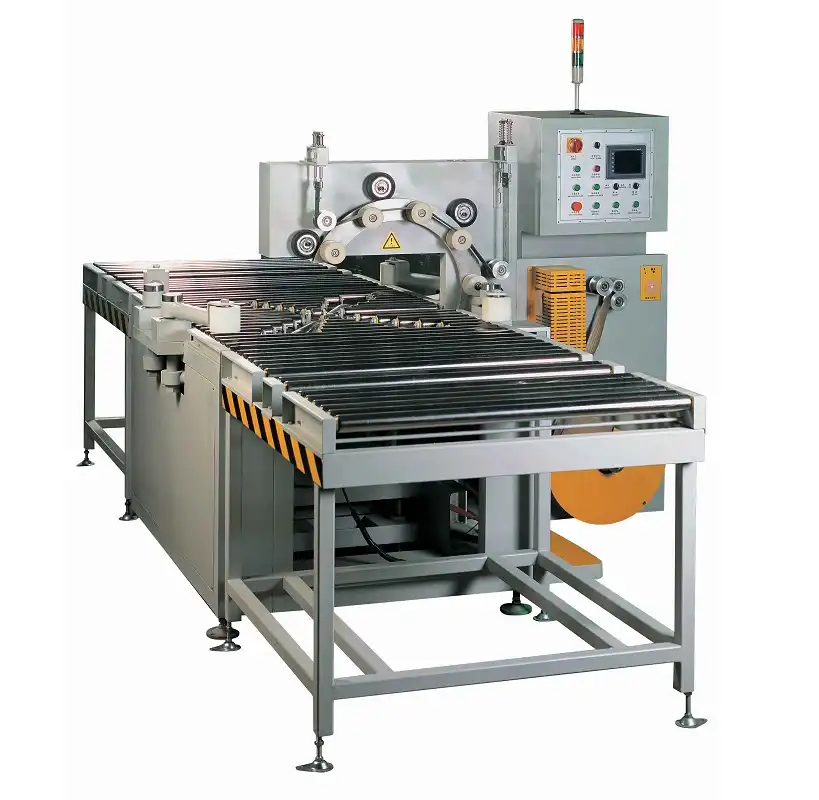
When I was running my own packing machine factory, one of the biggest challenges was always to improve efficiency and speed. I knew that every minute saved in the packing process translated directly into more products out the door and happier clients. Modern coil wrapping machines are built for this very purpose. They are designed to integrate seamlessly into existing production lines, handling wire and cable reels as they come off the line. Imagine a machine that can automatically load, wrap, and discharge a coil in just a few minutes, consistently, all day long. This is a stark contrast to the time-consuming manual process that requires several workers and often takes much longer for just one coil. For factories in the USA, where competition is fierce and delivery times are critical, this speed advantage is huge. It means more coils wrapped per hour, fewer bottlenecks, and a smoother flow from production to shipping. This kind of automation is not just about moving faster; it is about creating a more reliable and predictable production schedule, which helps factory managers like Michael Chen meet their aggressive production goals. This is why I always emphasize the return on investment (ROI) that these machines bring – it is not just an expense; it is a direct path to higher profits.
From Manual Slowdown to Automated Throughput
Automated coil wrapping machines bring a transformative change to the factory floor. They eliminate the constraints of human speed and endurance.
- Faster Cycle Times: These machines can wrap a coil much faster than a person. They use pre-set programs to apply film or paper quickly and uniformly.
- Continuous Operation: Unlike human workers who need breaks, machines can run almost non-stop, only pausing for material changes or scheduled maintenance. This means constant output.
- Reduced Bottlenecks: The wrapping station often acts as a choke point in traditional lines. Automation clears this bottleneck, allowing the entire production line to move at a higher, more consistent pace.
- Higher Output Capacity: With faster speeds and continuous operation, automated systems can handle a much larger volume of wire and cable reels in the same amount of time, drastically increasing total production.
- Integration with Other Systems: Many modern machines can connect with upstream and downstream equipment, creating a fully integrated and highly efficient production system.
Here is how automation can change key efficiency metrics:
| Metric | Before Automation (Manual) | After Automation (Coil Wrapper) | Improvement (Example) |
|---|---|---|---|
| Wraps per Hour | 5-10 | 20-60+ | 400% – 600% |
| Labor for Wrapping | 2-3 people | 1 person (supervisory) | 50% – 66% reduction |
| Downtime for Wrapping | High (breaks, fatigue) | Low (material changes only) | Significant reduction |
| Overall Line Speed | Limited by slowest step | Faster, smoother flow | Noticeable increase |
3. What role does advanced coil wrapping technology play in improving worker safety and reducing damage?
Are you tired of dealing with workplace injuries caused by heavy lifting and manual handling of coils? Does product damage during internal transfer or packing lead to customer complaints and lost profits? These are serious issues that impact many factories, especially in heavy industries in the USA.
Advanced coil wrapping technology drastically improves worker safety by taking over the dangerous manual tasks of lifting, moving, and wrapping heavy wire and cable reels, thus reducing the risk of injuries. It also greatly reduces product damage by providing a consistent, secure, and protective wrap that shields products from harm during handling and transit.
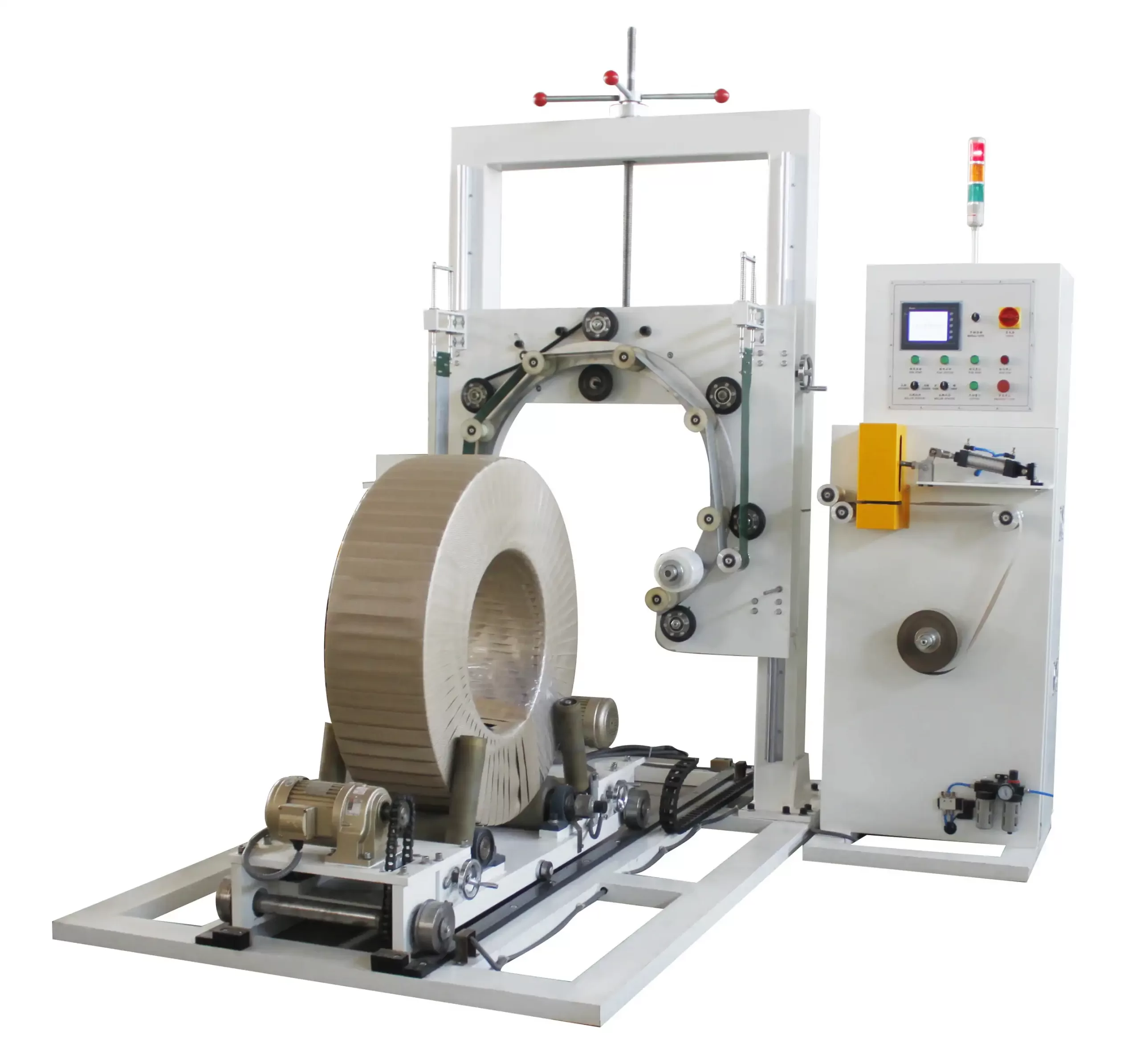
Safety was always a top concern for me as a factory manager. I have seen the accidents that can happen when workers manually handle heavy and awkward loads like wire and cable reels. It is not just about the physical pain for the employee; it is also about the impact on morale, the cost of medical care, and the disruption to production. Automated coil wrapping machines are designed to remove workers from harm’s way. They use automated conveyors, loading systems, and rotating arms to manage the coils, eliminating the need for manual lifting or turning. This directly addresses one of Michael Chen’s main challenges: reducing high injury risks and associated costs. Beyond safety, these machines also excel at protecting the product itself. In my years, I have seen too many steel coils or wire reels damaged at the edges or scratched during transit, all because of poor or inconsistent manual wrapping. A machine applies a tight, uniform, and complete wrap every single time. This protective barrier guards against dust, moisture, and physical impact, which means fewer damaged goods, fewer customer complaints, and ultimately, a better bottom line. It is a win-win situation: safer for people, better for products.
Protecting People and Products
The benefits of automated wrapping extend far beyond speed. They create a safer work environment and ensure product integrity.
- Eliminating Manual Handling: The biggest safety gain is removing the need for workers to manually lift, carry, or turn heavy coils. Machines do this work, greatly lowering the risk of back injuries, sprains, and crush injuries.
- Reduced Exposure to Moving Parts: Workers stand clear of the wrapping area during operation, protected by safety guards and sensors. This keeps them safe from the machine’s moving parts.
- Consistent Wrap Quality: A machine applies the wrapping material evenly and securely. This prevents the wrap from coming loose during transport, which could cause the product to unravel or get damaged.
- Protection Against Elements: The tight, uniform wrap protects wire and cable reels from dust, dirt, moisture, and corrosion. This is key for products stored or shipped over long distances.
- Impact Protection: The multi-layered, strong wrap acts as a cushion, protecting the edges and surfaces of the coils from dents and scratches that can happen during internal movement or external shipping.
Here is how automated wrapping addresses common risks:
| Risk Factor | Manual Handling & Wrapping | Automated Coil Wrapping Machine |
|---|---|---|
| Worker Physical Strain | High (heavy lifting, repetitive motion) | None (machine handles all heavy lifting) |
| Accidents (e.g., drops) | High (slippery materials, losing grip) | Very Low (secure machine handling) |
| Product Edge Damage | Moderate to High (from bumping/rubbing) | Very Low (consistent, protective wrap) |
| Moisture/Dust Exposure | Varies with wrap quality, gaps possible | Excellent (tight, full coverage) |
| Consistency of Protection | Inconsistent (depends on worker’s care) | High (machine does it the same every time) |
4. How can USA manufacturers choose the right coil wrapping partner for long-term success?
Have you been let down by equipment suppliers in the past who promised a lot but delivered little in terms of real support? Are you cautious about investing in new machinery, fearing another supplier who just wants to sell a machine and then disappear? Many factory managers in the USA, like Michael, want a partner, not just a vendor.
USA manufacturers can choose the right coil wrapping partner for long-term success by looking for a supplier with deep industry expertise, proven after-sales support, a strong focus on customized solutions that meet specific factory needs, and a clear understanding of the return on investment (ROI) their equipment offers, ensuring a true partnership beyond just the sale.
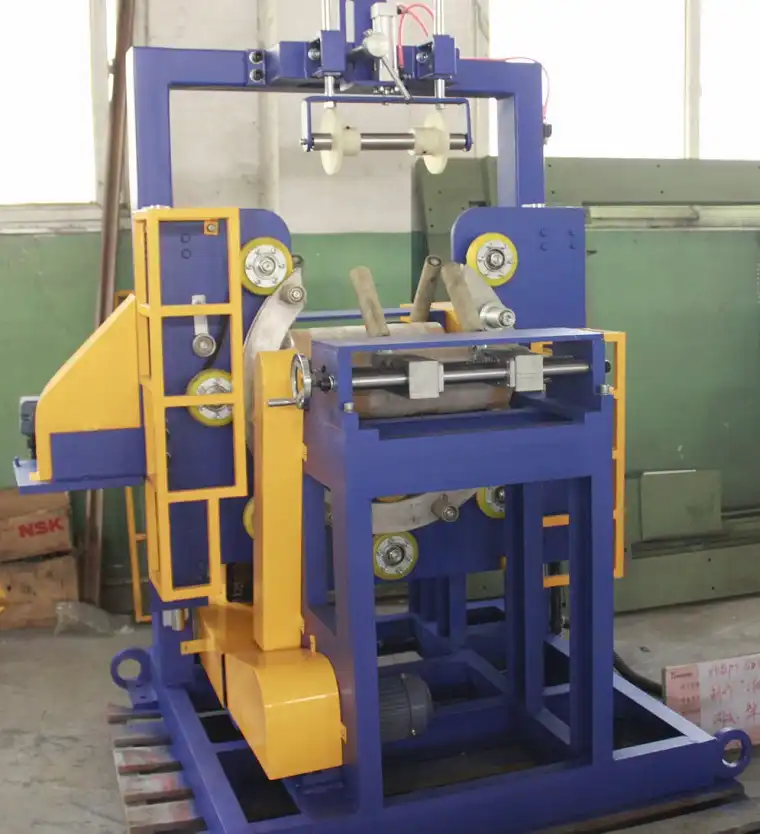
I know exactly what it is like to search for a reliable supplier. When I built my packing machine factory, I learned that a good partner is worth their weight in gold. They do not just sell you a machine; they help you solve your problems. This is why I founded FHOPEPACK: to share knowledge and build lasting relationships based on trust. For USA manufacturers looking for coil wrapping solutions, picking the right partner is critical. It is not just about the machine’s price tag. It is about whether the supplier understands your factory’s unique challenges – your bottlenecks, your safety concerns, your production goals. Can they offer a solution that truly fits? Do they provide excellent after-sales service, spare parts, and technical support? A good partner, like the one Michael Chen is looking for, should act as an extension of your team. They should offer insights, help you plan for the future, and be there when you need them. My own journey, from an employee to a factory owner who achieved financial independence by helping clients grow, taught me that genuine partnership is the key. That is the kind of relationship I strive to build with every client, ensuring that their investment truly drives their business forward for years to come.
Beyond the Machine: Finding a True Partner
Choosing a coil wrapping machine supplier involves more than just comparing specifications. It is about finding a partner who understands your business.
- Deep Industry Expertise: Look for a company that truly understands packing machines and your specific industry, such as wire and cable. They should be able to speak your language and know your operational challenges.
- Customized Solutions: Your factory is unique. A good partner will not offer a one-size-fits-all solution but will work with you to design a coil wrapping system that fits your exact space, production flow, and product types.
- Strong After-Sales Support: Machines need maintenance and sometimes parts. A reliable partner offers clear service agreements, readily available spare parts, and prompt technical assistance to keep your operations running.
- Focus on ROI: A true partner will help you understand the financial benefits of your investment. They should provide clear data on how their machine will reduce costs, increase output, and improve safety, showing a strong return on your investment.
- Long-Term Relationship: The best relationships are built on trust and last for years. Look for a supplier who sees you as a long-term client, not just a one-time sale, and is committed to your ongoing success.
Here is a checklist for choosing your coil wrapping machine partner:
| Factor | What to Look For | Why It Matters |
|---|---|---|
| Expertise & Knowledge | Years in the packing machine industry, technical depth | Ensures they understand your needs and offer effective solutions |
| Customization Capability | Ability to tailor machines to specific factory layouts | Guarantees the machine fits perfectly into your production line |
| After-Sales Service | Availability of spare parts, quick technical support | Minimizes downtime and ensures smooth long-term operation |
| Installation & Training | On-site support for setup and staff training | Speeds up implementation and maximizes machine utilization |
| ROI Analysis | Clear data on cost savings, efficiency gains | Helps justify the investment and proves financial benefits |
| Customer References | Positive feedback from other factories, case studies | Provides confidence in their reliability and performance |
Conclusion
Coil wrapping machines are essential for USA wire and cable reel factories to boost efficiency, improve safety, and cut costs. Choosing the right expert partner ensures long-term success.








