
Which Preventive Maintenance Strategies Ensure Long‑Term Coil Upender Reliability in Brazil?
The thought of an unexpected machine breakdown probably keeps you up at night. In Brazil’s busy industrial sector, especially when you are handling heavy steel coils, downtime is not just an inconvenience. It causes huge production losses, upsets clients, and hits your bottom line hard. You are always under pressure to keep things running smoothly, efficiently, and safely.
The best way to fight against unexpected machine failure is to use smart preventive maintenance strategies. These include regular inspections, planned lubrication schedules, timely replacement of worn parts, and ongoing training for your team. These steps do not just fix problems as they happen; they stop problems before they start. This proactive approach ensures your coil upender stays reliable for a long time.
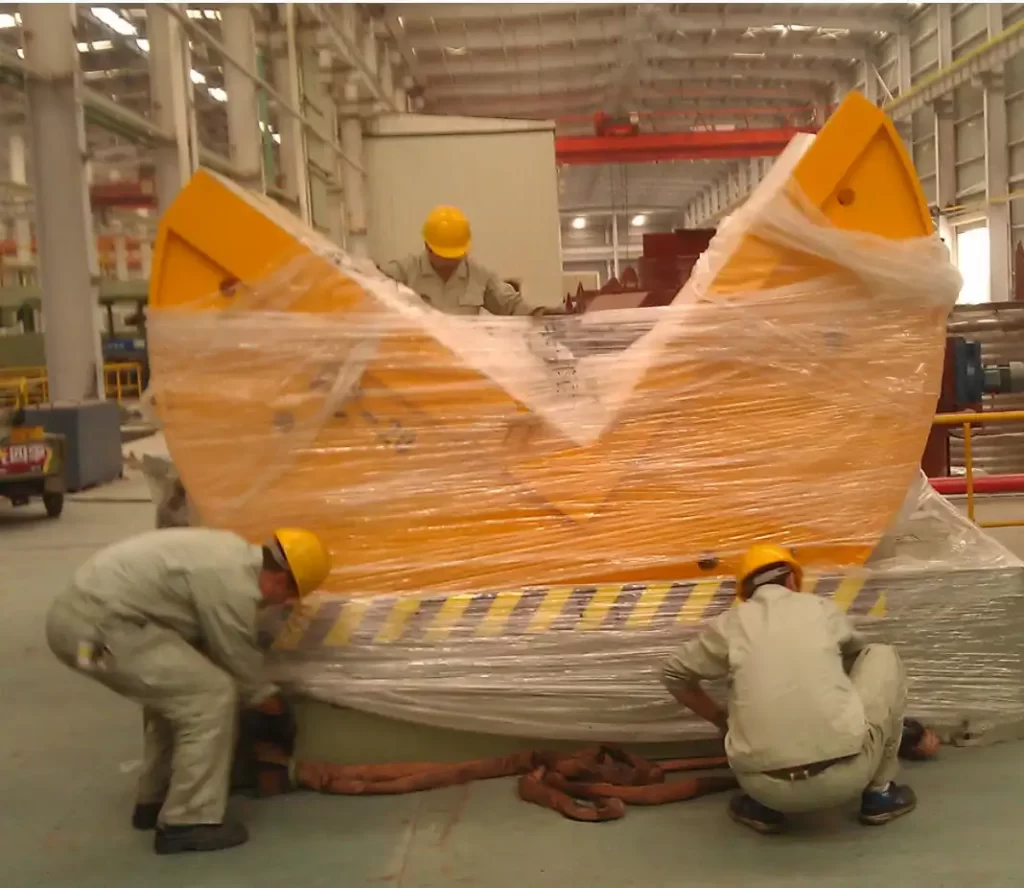
As a packing machine engineer who built a factory from the ground up, I understand the real-world pressure you face. I have seen how a single broken machine can stop a whole production line. My own journey showed me that true success comes from reliable operations. So, let us talk about how to make sure your coil upender in Brazil always works when you need it most.
What are the Core Pillars of an Effective Upender Maintenance Plan?
Are you tired of small problems turning into big, expensive repairs? Do you worry about your coil upender suddenly stopping in the middle of a shift? Without a strong maintenance plan, these worries are valid. Unexpected breakdowns can delay orders and cost your factory a lot of money. They also stress out your team.
The most effective maintenance plans for coil upenders stand on three main pillars: routine inspections, precise lubrication, and scheduled part replacements. These are the basic steps. They help keep your equipment in top shape. They also prevent small issues from growing into major failures.

The Essentials of Upender Longevity
When I ran my own packing machine factory, I quickly learned that ignoring maintenance was a path to disaster. It was not just about saving money in the short term. It was about losing trust with clients and bleeding cash from stalled production. For coil upenders, which handle very heavy loads, these steps are even more important. They directly affect safety and output.
-
Routine Inspections: Your Eyes and Ears on the Machine
- Think of inspections as regular health checks for your upender. They are simple to do but catch big problems early.
- Daily Checks: Your operators should look at the upender before and after each shift. They should check for unusual noises, strange smells, or visible leaks. They should also check the hydraulic fluid levels. Are there any loose bolts? Are the safety guards in place? These quick checks take minutes. They can save hours of downtime.
- Weekly Checks: A more detailed visual inspection should happen weekly. Look at all hoses for cracks or wear. Check electrical cables for fraying. Inspect the paint for signs of rust. Rust can show where moisture is causing problems. This is especially true in humid environments like some parts of Brazil.
- Monthly Checks: During monthly checks, you should cycle the upender through its full range of motion. Listen for any grinding or clunking sounds. Check all safety interlocks to make sure they work. Also, check the wear on pivot points and rollers. This helps you see how parts are wearing down over time.
- What to Look For:
- Leaks: Any oil or hydraulic fluid leaks need immediate attention. A small leak can mean a bigger problem in the hydraulic system.
- Loose Connections: Vibrations from daily use can loosen bolts and electrical connections. Tighten them regularly.
- Unusual Sounds: Any new squeaks, grinding, or knocking noises often point to a failing bearing or a part that is out of alignment.
- Wear and Tear: Look for signs of wear on moving parts, especially around the pivot points, rollers, and motor mounts.
-
Precise Lubrication: The Lifeblood of Moving Parts
- Proper lubrication reduces friction. This lowers heat and prevents premature wear on moving parts. It is like giving your machine a fresh drink.
- Follow Manufacturer Guidelines: Every upender comes with a manual. This manual has a detailed lubrication schedule. It tells you what type of grease or oil to use and how often. Do not guess. Follow these guidelines closely.
- Quality Lubricants: Use only the lubricants specified by the manufacturer. Using the wrong type can cause more harm than good. Cheap lubricants may break down faster. They might not protect parts properly. This leads to early failure.
- Application Points: Pay special attention to pivot points, bearings, gears, and motor shafts. These are the areas that experience the most friction. They need regular lubrication to function correctly.
- Cleanliness: Always clean the lubrication points before applying new grease. Dirt and old, caked-on grease can stop new lubricant from reaching the parts that need it.
-
Scheduled Part Replacements: Preventing Failure, Not Just Reacting
- Some parts have a limited lifespan. Replacing them before they fail is a smart move. This is called predictive maintenance. It avoids unexpected breakdowns.
- Wear Parts: Identify parts that naturally wear out over time. These include hydraulic hoses, seals, bearings, and electrical contacts. Have spares on hand. This is vital in countries like Brazil where parts might take longer to import.
- Life Cycle: Manufacturers provide expected life cycles for many components. Use this information to plan your replacements. For example, if a hydraulic hose is rated for 5 years, plan to replace it around that time, even if it looks fine. This saves you from a sudden hose burst during operation.
- Calibration: After replacing key parts, it is important to recalibrate the upender. This ensures all systems work together as they should. It maintains the machine’s accuracy and safety.








