
How Do Modular Coil Upender Designs Accommodate Brazil’s Varied Coil Dimensions?
I often hear factory managers in Brazil express deep frustration. They face a constant battle with inefficient coil handling, especially with coils that come in wildly different sizes. It is a real headache. This problem does not just slow down production. It also puts workers at risk and damages valuable products. This leads to customer complaints and lost profits. You might feel stuck, wondering how to manage such a diverse range of coil dimensions without breaking the bank or compromising safety.
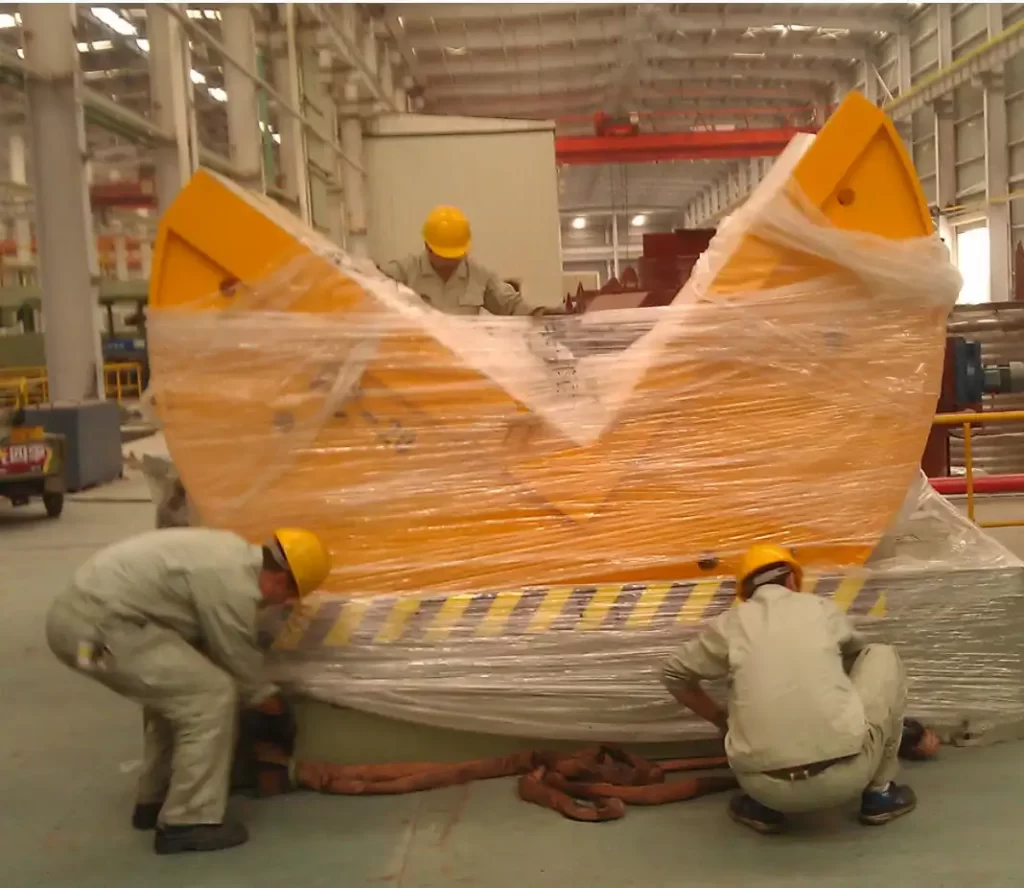
Modular coil upenders offer a clear solution to this challenge. They use flexible, adaptable designs. These designs include interchangeable components and customizable platforms. This allows them to handle the wide variety of coil dimensions common in Brazil’s diverse industries, from heavy steel to intricate wire products. This adaptability ensures factories can process different coils with one machine.
It is easy to feel overwhelmed by these challenges. You might think there is no simple fix for managing varied coil sizes efficiently and safely. But I can tell you from my own experience building a packing machine factory that there are indeed smart ways to tackle these issues. Let us dive deeper into how modular upenders can truly transform your operations.
How Do Modular Designs Solve Varied Coil Dimension Challenges?
Are you tired of production bottlenecks caused by different coil sizes? The struggle is real when your equipment cannot keep up with the diverse dimensions of materials flowing through your factory. This often means relying on manual labor for specific sizes, which slows everything down and introduces risks. You need a system that adapts to your needs, not the other way around.
Modular designs are the answer. These designs allow coil upenders to effectively handle varied coil dimensions. They use standardized components that you can adjust or replace. This means one machine can manage coils of different weights, diameters, and widths. This flexibility is critical for factories that process a wide range of materials.
I have seen countless factories struggle with fixed-size machinery. They invest in a machine perfect for one type of coil, only to find it useless for another. This happened early in my career, watching factories buy multiple specialized machines. It was inefficient. That is why I believe in the power of modularity. A modular upender is built from distinct, interchangeable parts. This design allows for quick adjustments and future upgrades. For example, a basic upender frame can accommodate different V-block sizes or clamping mechanisms. This means you do not need a new machine for every new product line.
Key Modular Components for Adaptability
Modular upenders achieve their versatility through several key components.
- Adjustable V-Blocks: The V-block supports the coil. In a modular system, these are often adjustable or replaceable. This allows the upender to cradle coils with different outer diameters. Factories in Brazil handle everything from large steel coils to smaller wire spools. An adjustable V-block ensures proper support for all of them.
- Interchangeable Clamping Arms: Some coils need secure clamping during the upending process. Modular designs allow for different types and lengths of clamping arms. This means you can handle both narrow and wide coils safely. It prevents the coil from shifting or falling.
- Adaptable Power Units: The hydraulic or electric power unit might be separate from the main frame. This allows for upgrades or different power levels based on the heaviest coils. If your factory starts handling even larger coils, you can upgrade the power unit without replacing the entire machine.
- Modular Base Frames: The base frame itself is designed for extensions or modifications. This means you can add conveyors or other handling systems directly to the upender. This creates a seamless production line.
Here is a look at how modularity addresses common coil dimension ranges:
| Coil Dimension Type | Common Range in Brazil | Modular Upender Adaptability |
|---|---|---|
| Weight | 1 Ton – 50 Tons | Scalable hydraulic systems, robust frame construction |
| Outer Diameter | 500 mm – 2500 mm | Adjustable V-blocks, extendable support rollers |
| Inner Diameter | 300 mm – 700 mm | Customizable core support, centering mechanisms |
| Width | 100 mm – 2000 mm | Adjustable side guides, varying clamping arm lengths |
This approach not only saves money by reducing the need for multiple machines. It also simplifies maintenance and inventory of spare parts. You only need to stock parts for a few modular components, not for completely different machines. This makes operations smoother and more cost-effective.
Can Modular Upenders Improve Safety and Reduce Damage in Brazil’s Factories?
Do you constantly worry about worker injuries and damaged products during material handling? The manual manipulation of heavy coils and wires is inherently dangerous. It leads to severe injuries, high insurance costs, and employee turnover. On top of that, products get scratched, dented, or deformed, especially at the edges. This translates directly into financial losses and unhappy customers.
Yes, modular coil upenders significantly improve safety and reduce product damage. They eliminate the need for manual handling of heavy items. This drastically lowers the risk of workplace accidents. They also provide stable, controlled movement for coils, preventing impact or abrasion. This protects the product’s integrity.
I remember early in my career, seeing workers strain to flip heavy coils. It was an accident waiting to happen every time. I also saw many coils damaged during these manual processes. It was heartbreaking for the factory owner to scrap perfectly good material just because of poor handling. This is why I became so passionate about automated solutions. A coil upender removes the human element from the most dangerous part of the process.
Eliminating Manual Handling Risks
The core benefit of an upender is its ability to automate the flipping or reorienting of coils.
- Reduced Manual Strain: Workers no longer need to manually lift, push, or rotate heavy coils. This eliminates common industrial injuries like back strains, sprains, and crush injuries. A safer workplace means healthier employees and lower workers’ compensation claims.
- Minimized Human Error: Manual handling depends on human strength and judgment. This can lead to mistakes. An automated upender operates with precision every time. This reduces the chance of accidents caused by fatigue or misjudgment.
- Controlled Environment: Upenders move coils in a controlled, predictable way. This keeps workers away from moving parts during the operation. Many models come with safety features like light curtains, emergency stops, and interlocks. These features prevent operation if someone is in a dangerous zone. This creates a much safer working environment.
Protecting Product Integrity
Beyond safety, modular upenders are designed to protect the products themselves.
- Gentle Movement: Upenders use hydraulic or electric power to move coils smoothly and gently. This controlled motion prevents sudden drops or impacts. These often cause dents, scratches, or deformation. This is especially important for delicate materials like finished wire or coated steel.
- Secure Support: Coils are securely cradled or clamped during the upending process. This prevents them from rolling off or shifting. The V-block or flat platform design supports the coil evenly. This minimizes pressure points that could damage edges or surfaces.
- Reduced Contact Points: Automated handling means fewer points where the product can come into contact with rough surfaces or human hands. Every manual touch point is a potential for damage. An upender minimizes these points.
Consider the common types of damage that upenders prevent:
| Type of Damage | How Manual Handling Causes It | How Upenders Prevent It |
|---|---|---|
| Edge Dents | Dropping, rough rolling | Gentle, controlled rotation; even support |
| Surface Scratches | Dragging, abrasive contact | Non-abrasive support surfaces, minimal contact |
| Deformation | Uneven lifting, crushing | Balanced weight distribution, firm clamping |
| Unraveling | Sudden stops, improper handling | Smooth acceleration/deceleration, secure hold |
Investing in a modular upender is not just about efficiency. It is a direct investment in the well-being of your employees and the quality of your output. It creates a work environment where safety is paramount and product integrity is maintained. This directly impacts your bottom line through fewer losses and higher customer satisfaction.

What ROI Can Brazilian Factories Expect from Modular Coil Upenders?
Are you hesitant about making a significant capital investment in new equipment? Many factory managers in Brazil, like Michael, are. They need to see a clear return on investment (ROI) before committing. You might wonder if the benefits of automation truly outweigh the initial cost. It is a valid concern, especially when balancing production demands with budget constraints.
Brazilian factories can expect a strong ROI from modular coil upenders. This comes from significant reductions in labor costs and product damage. It also comes from increased throughput and lower insurance premiums. The initial investment is quickly offset by improved efficiency and operational savings.
When I started my own packing machine factory, every investment had to make sense financially. I learned to look beyond the sticker price. I focused on the long-term gains. This meant calculating how quickly new equipment would pay for itself through direct savings and increased capacity. This mindset helped me achieve financial independence and helped my clients grow.
Cost Savings through Automation
Modular upenders contribute to ROI through various channels.
- Reduced Labor Costs: This is often the most immediate and impactful saving. Manually handling heavy coils requires multiple workers. An automated upender can often replace two to three workers dedicated to this task. Over time, these salary savings add up significantly. Even if you redeploy workers to other areas, you avoid hiring new staff for expanding operations.
- Decreased Product Damage: As discussed, upenders drastically reduce product damage. If your factory processes high-value materials, even a small percentage of damaged goods can lead to substantial losses. Reducing this waste directly boosts your profit margins. Fewer damaged goods also mean fewer customer complaints and returns. This protects your reputation.
- Increased Throughput: Automation speeds up the coil handling process. What took minutes or even an hour manually can be done in seconds with an upender. This accelerates your entire production line. Higher throughput means you can produce more in the same amount of time. This increases your capacity and potential for sales.
- Lower Insurance Premiums: A safer workplace with fewer accidents often translates to lower workers’ compensation insurance premiums. Insurance companies reward companies that actively mitigate risks. Investing in an upender demonstrates a commitment to safety. This can directly reduce your operational overhead.
- Optimized Space Utilization: By integrating the upender into a streamlined automated line, you might reduce the need for large staging areas for manual handling. This frees up valuable factory floor space. This space can then be used for more production, storage, or other value-adding activities.
Calculating Your Return on Investment
To illustrate, let us consider a simplified ROI calculation:
| Factor | Before Upender (Manual) | After Upender (Automated) | Annual Savings |
|---|---|---|---|
| Labor (2 workers) | $80,000 | $0 (repurposed) | $80,000 |
| Product Damage | $15,000 | $3,000 | $12,000 |
| Insurance Claims | $5,000 | $1,000 | $4,000 |
| Increased Throughput (value) | $0 | $20,000 | $20,000 |
| Total Annual Savings | $116,000 |
If a modular coil upender costs $150,000, your payback period would be approximately 1.3 years ($150,000 / $116,000 per year). This is a very attractive ROI for many factory investments. Of course, actual numbers will vary. However, this example shows the clear financial benefits.
The long-term value of an upender extends beyond these direct savings. It improves employee morale due to safer working conditions. It enhances your company’s image as a modern, efficient, and safety-conscious operation. This makes your business more attractive to clients and talented employees alike.

Why Is a Knowledgeable Partner Key for Implementing Upenders in Brazil?
Have you ever purchased equipment only to find the vendor disappears after the sale? This is a common frustration for factory managers. You invest heavily, expecting support and expertise. Instead, you get a sales-focused company that lacks deep industry knowledge or reliable after-sales service. This leaves you alone when problems arise or when you need specialized solutions for your unique factory needs.
Working with a truly knowledgeable partner like FHOPEPACK is key. This ensures your investment in upenders genuinely solves problems and drives business growth. A partner with deep industry background and practical experience understands your production bottlenecks, safety risks, and efficiency challenges. They can offer insights and reliable solutions beyond just selling a machine.
My journey from a factory employee to establishing FHOPEPACK taught me the immense value of real-world experience. I built my business on the principle of sharing knowledge and providing genuine solutions. It is not just about selling a machine. It is about understanding your specific challenges and offering advice that comes from years in the trenches.
The Value of Deep Industry Understanding
A knowledgeable partner brings more than just product specifications to the table.
- Understanding Your Production Environment: Every factory is unique. A partner who understands the nuances of heavy manufacturing, logistics, or steel processing can assess your specific workflow. This includes understanding your material flow, space constraints, and existing equipment. They can recommend the best upender model and integration strategy. This is far better than a generic sales pitch.
- Identifying Hidden Challenges: My experience has shown me that surface-level problems often hide deeper issues. A seasoned expert can identify underlying bottlenecks or safety risks that you might not even be aware of. They can then propose comprehensive solutions. These solutions address the root cause of the problem, not just the symptom.
- Customized Solutions, Not Just Products: Brazil’s varied coil dimensions and industry specificities require tailored solutions. A knowledgeable partner will not just push a standard product. They will listen to your needs and propose modifications or custom designs. This ensures the upender fits perfectly into your operations. This maximizes its efficiency and safety.
Beyond the Sale: Long-Term Partnership
The relationship with your equipment supplier should not end after the purchase order.
- Reliable After-Sales Support: When equipment breaks down, you need quick, competent support. A committed partner provides reliable technical assistance, spare parts, and maintenance services. This minimizes downtime. Downtime means lost production and revenue. This is a critical factor for Michael Chen, where any stoppage means huge losses.
- Training and Education: Proper operation and maintenance are vital for equipment longevity and safety. A good partner offers thorough training for your staff. This empowers your team to use the upender efficiently and safely. It also helps them troubleshoot minor issues.
- Continuous Improvement: As your business grows and your needs evolve, a knowledgeable partner can continue to advise you. They can suggest upgrades, new technologies, or process improvements. This helps you stay competitive and efficient in the long run. My mission with FHOPEPACK is to be a knowledge-sharing platform. I want to help businesses grow, just as I helped many of my own clients. This partnership mindset is at the core of what we do.
- Building Trust: Trust is earned. It comes from consistent, reliable support and genuine expertise. When you find a partner like this, it simplifies future investment decisions. You know you are working with someone who has your best interests at heart. This is crucial for factory managers who have faced supplier trust crises in the past.
Choosing the right partner means choosing someone who views your success as their own. It is about collaboration and leveraging expert knowledge to achieve your factory’s full potential.

Conclusion
Modular coil upenders solve Brazil’s varied coil dimension challenges. They boost safety, reduce damage, and deliver strong ROI. Partnering with experts ensures solutions truly fit your factory needs and drive growth.








