
Which Pallet Inverter Solution Helps Chemical Exporters Avoid Contamination Issues?
The world of chemical exporting is tough. You face strict rules, tight deadlines, and the big risk of product contamination. Imagine your valuable chemical products, ready for shipment, but then you realize the outgoing pallets are dirty. This can lead to ruined goods, huge fines, and a damaged reputation. It is a problem many businesses struggle with, wasting time and money.
A specialized pallet inverter solution is vital for chemical exporters to avoid contamination. These machines allow for quick, clean transfers of chemical products from incoming unsanitary pallets to clean, export-compliant ones. This process removes the risk of cross-contamination from dirty or damaged pallets, ensuring product integrity and meeting strict international hygiene standards.

This challenge is common, especially with diverse global shipping needs. You need to keep things moving while also keeping everything safe and clean. Let us look closer at how the right pallet inverter becomes a key player in this high-stakes environment.
How Do Pallet Inverters Directly Fight Contamination for Chemical Exporters?
Many chemical exporters face a constant battle against contamination. They bring in raw materials on various pallets, but these pallets often come from unknown sources. They might be dirty, splintered, or carry residues from previous loads. Using these same pallets for finished chemical products meant for export is a huge risk. This is where the problem starts.
Pallet inverters stop contamination by creating a clean break between incoming and outgoing pallets. They securely hold the product while letting you remove the original, potentially dirty pallet. You can then put the product onto a fresh, export-approved pallet, without any direct human contact or product exposure.
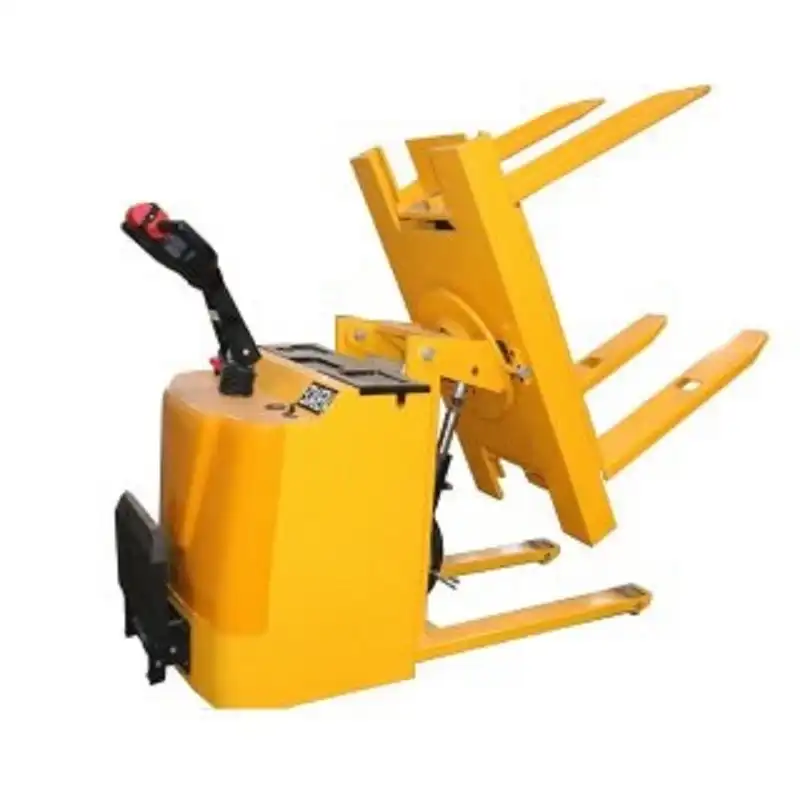
When I started in the packing machine industry, I saw many companies struggling with this. They would manually transfer goods, which was slow and risky. One client, a chemical distributor, had a major issue with their products failing quality checks at customs because of pallet-borne contamination. Their staff spent hours cleaning and inspecting pallets, but human error was always present. We introduced them to a suitable pallet inverter system. It allowed them to quickly switch products from their old warehouse pallets to new, clean plastic pallets for export. This one change cut their contamination incidents by over 90% and sped up their shipping process. It was a simple machine, but it solved a huge problem and helped them grow their business significantly. It showed me how much good equipment can do.
Pallet inverters tackle contamination in several specific ways. First, they eliminate direct human handling of the product during the pallet change. This reduces the chance of germs, dirt, or other foreign materials transferring from hands or clothing. Manual transfers often involve lifting, tilting, or sliding products, which can cause spills or damage to packaging, leading to exposure. A machine handles this process smoothly and gently. Second, the inverter keeps the product isolated from the floor and other surfaces during the transfer. This is important because floors are often sources of dust, dirt, and chemical residues. The product remains elevated and contained within the machine’s clamps. Third, a well-designed pallet inverter prevents product exposure to the environment. Many units have enclosed or semi-enclosed designs. This shields the product from airborne particles, pests, or splashes during the transfer. For chemical exports, where even small contaminants can affect product purity or safety, this sealed environment is critical. Fourth, these machines allow for easy cleaning of the work area itself. If any spills happen, the machine’s surfaces are often easy to wipe down or even wash down, depending on the model. This means the area stays sterile for the next product transfer. Fifth, pallet inverters support the use of specific, clean pallets for each export. This ensures that only pallets meeting the highest hygiene and material standards touch your final products. For example, some chemical exports require plastic pallets or heat-treated wooden pallets to prevent pest infestations or moisture damage. The inverter makes switching to these specific pallets fast and easy. Finally, by automating this step, it removes the variability of human performance. Every transfer is done in the same controlled way. This consistency is key to managing contamination risks in large-scale operations. It means you can trust that each product transfer will meet the same strict hygiene standards.
What Specific Pallet Inverter Features Are Crucial for Chemical Safety?
Chemical handling demands more than just basic equipment. Not all pallet inverters are built for the specific risks involved with chemicals. Using the wrong type of machine can create new safety hazards or fail to prevent contamination effectively. This leads to bigger problems down the line.
For chemical safety, pallet inverters must have specific features like stainless steel construction for corrosion resistance, fully enclosed designs to prevent spills and exposure, and washdown capabilities for easy cleaning. They also need strong clamping mechanisms for stable product handling and advanced safety sensors to protect workers.
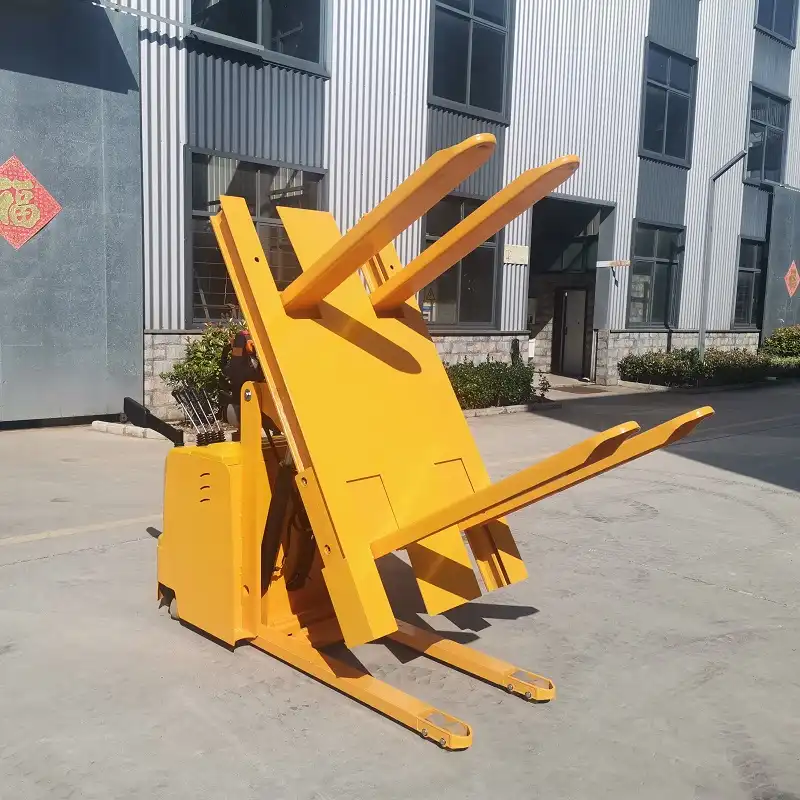
Choosing the right machine is critical. I have seen clients make mistakes, buying cheaper models that could not stand up to the corrosive nature of some chemicals or that were hard to clean. This ended up costing them more in repairs, downtime, and even safety incidents. For example, one food processing plant that also handled some chemical additives bought a standard painted steel pallet inverter. Within months, the paint started chipping, and rust appeared. This created a contamination risk for their food products and made cleaning impossible. We helped them switch to a stainless-steel model with sealed components. The investment paid off quickly in improved hygiene and machine longevity. This experience taught me that for specialized industries, the material and design of the machine are as important as its basic function.
When selecting a pallet inverter for chemical operations, several features are non-negotiable. First, material of construction is vital. Stainless steel is often preferred, especially grade 304 or 316. This material resists corrosion from spills or chemical vapors. Painted mild steel can chip, exposing the base metal to rust, which is a contamination risk. Stainless steel also provides a smoother, non-porous surface that is easier to clean and sanitize. Second, consider the level of enclosure and sealing. A fully enclosed or mostly enclosed design protects both the product and the operator. It prevents accidental spills from spreading. It also shields the product from outside airborne particles. Seals around moving parts and electrical components are important to prevent chemical ingress, which can damage the machine or create hazards. Third, washdown capability is essential. The machine must be able to withstand frequent cleaning with water and detergents, often under high pressure. This means waterproof motors, sealed bearings, and rust-resistant components. Easy access points for cleaning are also important. This capability ensures that any residues are completely removed, preventing cross-contamination between batches. Fourth, the clamping system needs to be robust and gentle. For heavy chemical drums or sensitive packaging, the clamps must provide a secure grip without crushing or damaging the containers. Adjustable pressure settings are beneficial. The clamping surfaces should also be non-abrasive and easy to clean. Fifth, advanced safety features are a must. This includes light curtains, emergency stop buttons, interlocked safety guards, and overload protection. These features protect workers from moving parts and prevent accidents during operation. Given the hazardous nature of chemicals, operator safety is a top priority. Sixth, consider the type of pallet handling. Some pallet inverters can handle various pallet types, including plastic, wooden, or even metal ones, and different sizes (Euro, US standard). This flexibility is important for international chemical exporters who deal with diverse import and export requirements. The machine should also offer smooth and stable pallet transfer to prevent product shifting or damage. Seventh, look for ease of maintenance and part availability. Simple design, easily replaceable parts, and good technical support ensure the machine runs smoothly for a long time. Downtime in a chemical facility can be costly. These specific features go beyond just changing a pallet; they are critical for maintaining product integrity, ensuring worker safety, and complying with industry regulations.
Beyond Contamination, How Do Pallet Inverters Boost Export Operations and Safety?
Contamination is a major concern for chemical exporters, but it is not the only one. Companies also grapple with slow processes, high labor costs, and serious safety risks from manual handling. If a solution only solves contamination but creates other problems, it is not a complete answer. You need equipment that improves the entire operation.
Pallet inverters significantly boost chemical export operations by increasing efficiency, reducing manual labor, and greatly enhancing workplace safety. They speed up pallet transfers, free up staff for other tasks, and eliminate the dangerous physical work of manually re-palletizing heavy chemical goods, leading to fewer accidents and lower operational costs.
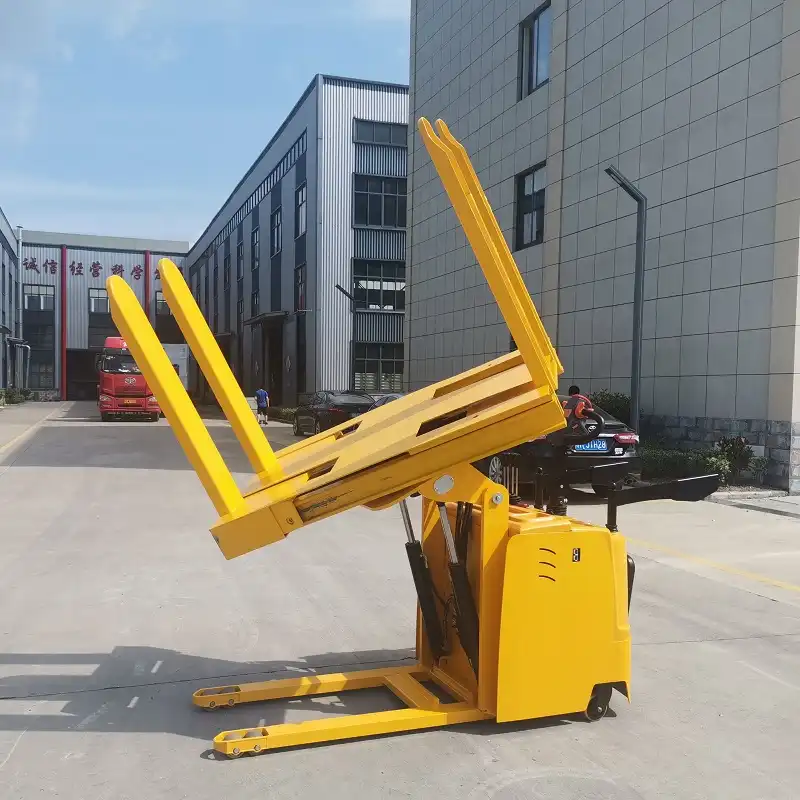
This multifaceted problem is something I see across many industries. When I started FHOPEPACK, my goal was to offer solutions that truly transformed how businesses operate, not just fix one small issue. I remember a chemical client in Spain, much like Carlos, who was struggling with tight deadlines and a high rate of workplace injuries. They had workers manually tipping and transferring heavy drums and bags from wooden pallets to plastic export pallets. It was slow, physically exhausting, and incredibly dangerous. They reported several back injuries and even a severe incident where a drum fell and caused a chemical spill. We helped them implement an automated pallet inverter system. Not only did it eliminate the contamination risks we discussed, but it also made their pallet change process three times faster. More importantly, their injury rates dropped to almost zero for this task. The staff felt safer and more valued, and the company saved a lot on worker’s compensation and lost productivity. It was a win-win, showing the real power of automation.
Beyond the direct fight against contamination, pallet inverters bring profound improvements to the overall chemical export process. First, they dramatically increase operational efficiency. Manual pallet changes are slow and labor-intensive. A pallet inverter can complete a transfer in minutes, much faster than any manual process. This speed means higher throughput, allowing more products to be processed and shipped each day. This is vital when meeting urgent export deadlines or handling high volumes. Second, they reduce reliance on manual labor. With labor shortages and rising costs, especially for physically demanding jobs, automation is key. Pallet inverters allow you to reassign workers from strenuous, repetitive tasks to more valuable roles like quality control, inventory management, or equipment maintenance. This optimizes your workforce and reduces labor expenses in the long run. Third, and perhaps most importantly, they enhance workplace safety. Manual handling of heavy or awkward chemical containers, drums, or bags carries significant risks. Workers can suffer back injuries, sprains, or even crush injuries. Tipping pallets manually can lead to falling products, causing spills or worker harm. Pallet inverters eliminate these risks by performing the heavy lifting and tilting mechanically. This significantly lowers the rate of workplace accidents, leading to fewer claims, reduced insurance costs, and a safer environment for your team. Fourth, they improve product integrity beyond contamination. The controlled, gentle movement of a pallet inverter prevents damage to product packaging. Manual transfers, especially hurried ones, can lead to tears, dents, or punctures in bags or drums. This damage can then lead to leaks or product spoilage. The smooth operation of the machine safeguards your goods. Fifth, they ensure compliance with international shipping standards. Many countries have strict rules about the type and condition of pallets allowed for imports (e.g., ISPM 15 for wooden pallets, specific plastic pallet requirements). Pallet inverters make it easy to switch to these compliant pallets without touching the product, avoiding costly customs delays or rejections at the destination. Sixth, they standardize the handling process. Every pallet change is consistent, reducing variability and human error. This standardization helps in maintaining quality, traceability, and predictability in your logistics operations. Finally, by integrating a pallet inverter, companies can achieve a higher level of automation in their warehouse operations. This pushes them towards a more modern, efficient, and competitive supply chain, ready for the demands of the global market.
How Can Chemical Exporters Find a True Pallet Inverter Partner for Long-Term Success?
Buying a pallet inverter is not just a transaction. It is an investment in your company’s future, especially for chemical exporters where specific needs are so high. Many suppliers just want to sell you a machine and then disappear. This leaves you alone when problems arise, or when your needs change.
Chemical exporters need to find a pallet inverter supplier that acts as a true long-term partner, offering deep industry knowledge, flexible solutions for diverse pallet types, strong after-sales support, and a proven track record of reliability. This ensures the chosen solution truly fits their specific operational challenges and grows with their business.
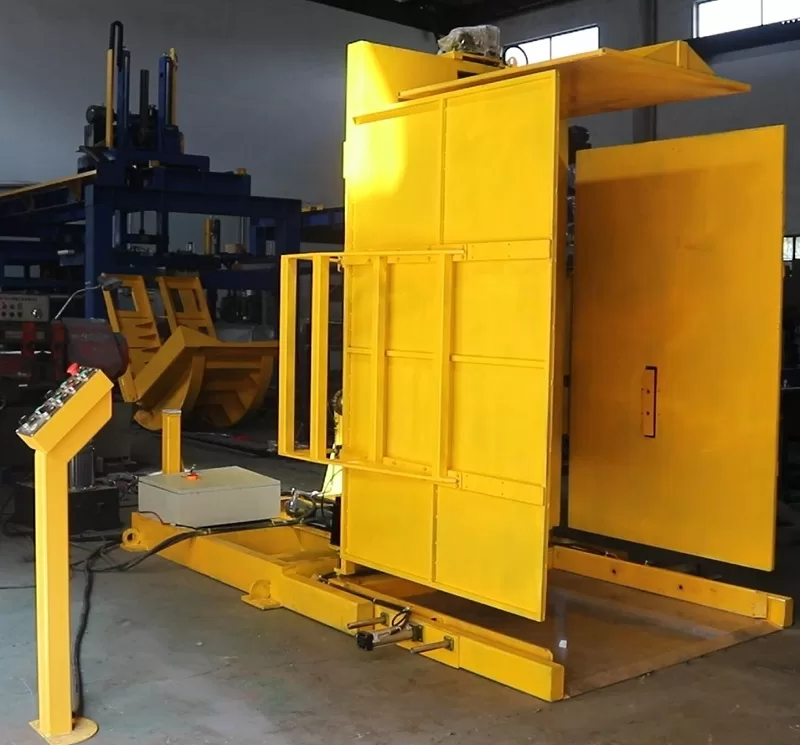
From my early days establishing a packing machine factory, I learned that trust and partnership are everything. I have always believed that helping my clients grow their businesses is the best way to grow my own. One chemical company, based in the Netherlands, came to us after a frustrating experience with a different supplier. They had bought a pallet inverter that quickly broke down, and getting parts or service was a nightmare. They lost critical shipping time. When they came to FHOPEPACK, we did not just offer them a machine. We took the time to understand their entire export process, their specific chemical products, their pallet types (Euro, US, and custom sizes), and their growth plans. We advised them on a system that not only met their current needs but could also adapt. We even provided training and regular check-ins. That relationship has lasted over a decade. This shows that a good supplier is a partner who truly understands your pain points and stands by their products.
Finding the right partner for your pallet inverter solution requires careful thought. First, look for a supplier with deep industry specific knowledge. Do they understand the unique challenges of chemical handling? Do they know about regulatory compliance for chemical exports? A general packing machine company might not grasp the nuances of corrosion, hazardous materials, or specific hygiene requirements. Ask about their experience with similar clients. Second, assess their ability to provide flexible and customized solutions. Chemical exporters often deal with various product sizes, weights, and pallet types. Your partner should offer a range of machines and be able to adapt them to your specific setup, rather than pushing a one-size-fits-all model. This includes handling different pallet sizes like Euro, US, or plastic pallets. Third, evaluate their after-sales support and service. A machine will eventually need maintenance or repairs. How quickly can they provide spare parts? Do they offer technical support or on-site service? A reliable partner ensures minimal downtime, which is crucial for busy export operations. Ask for references about their service quality. Fourth, consider their reputation for reliability and machine quality. Research their history. Do their machines last? Are they built with durable components suitable for heavy industrial use? Check reviews and testimonials. A cheap machine with constant breakdowns will cost you more in the long run. Fifth, look for a partner who is transparent about costs and timelines. You need clear pricing, installation schedules, and training plans. No hidden fees or unexpected delays. Sixth, evaluate their commitment to safety standards. Given the nature of chemical handling, the supplier should prioritize safety in their machine design and operations. They should comply with all relevant safety certifications and standards. Finally, choose a partner who sees you as more than just a customer. They should be willing to collaborate and offer ongoing advice as your business evolves. A true partner invests in your success and acts as a resource for improving your operations over time. This approach ensures you get a solution that truly adds value to your chemical export business.
Conclusion
Selecting the right pallet inverter is key for chemical exporters. It tackles contamination, improves safety, and boosts efficiency. Choosing a knowledgeable partner ensures long-term operational success.








