
Which pallet inverter option is best for high-tech industries needing dust-free operations?
The world of logistics is always changing. Do you ever feel frustrated by inefficient pallet handling, especially when you need to keep things spotless? Imagine thousands of pallets moving every day. Think about the stress of switching between Euro pallets and US pallets. You need this to be fast, safe, and clean. This is not just about moving goods. It is about keeping your products safe from contamination, meeting strict deadlines, and avoiding costly mistakes. This challenge is even bigger for high-tech industries, especially in food and beverage. Here, dust and contamination are simply not an option.
The best pallet inverter option for high-tech industries needing dust-free operations is often an automatic, enclosed, side-clamp or top-press inverter made from stainless steel, designed for easy cleaning and minimal particle generation. These systems provide controlled environments, reduce manual interaction, and meet strict hygiene standards, ensuring product integrity while streamlining logistics in sensitive sectors like food processing and pharmaceuticals.
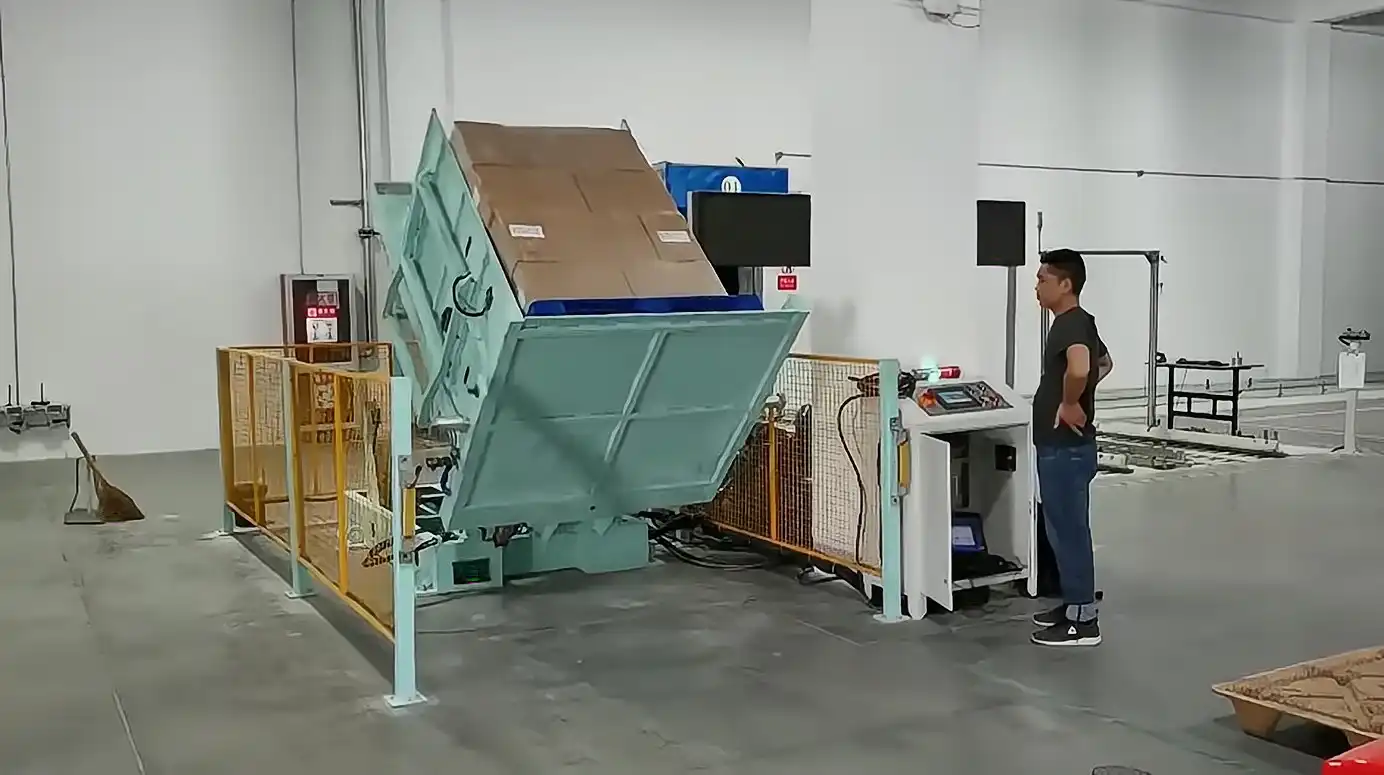
I know these challenges well. I have spent my career building packing machine factories. I have seen many warehouses like yours. They struggle with these exact issues every day. Choosing the right pallet inverter is not just a purchase; it is a strategic investment. It protects your products and makes your operations smoother. We will explore how to pick the perfect system for your needs. We will focus on keeping things clean and efficient.
Why is maintaining a dust-free environment essential for high-tech operations, especially in food production?
Are you concerned about product safety and compliance in your warehouse? Do you worry about how even tiny dust particles can affect your high-value goods? For many businesses, a little dust might seem harmless. But for industries like food processing, pharmaceuticals, or electronics, dust is a major threat. It can lead to contamination, product recalls, and huge financial losses. This is why maintaining a dust-free environment is not just good practice. It is a critical requirement.
Maintaining a dust-free environment is essential for high-tech operations, especially in food production, because it directly prevents contamination, ensures product quality and safety, and helps meet strict regulatory standards like HACCP. Dust-free zones protect sensitive equipment, reduce health risks for workers, and avoid costly product recalls or brand damage, all critical for long-term business success.
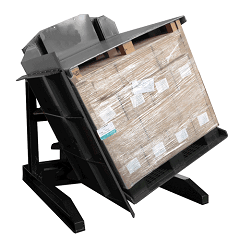
When I first started in the packing machine industry, I learned quickly how important cleanliness was. Even small particles could cause big problems. For a food and beverage group, like the one Carlos manages, this is even more true. Every pallet that enters or leaves the facility carries a risk. If dust settles on products or packaging, it can compromise hygiene. This is why investing in solutions that minimize dust is non-negotiable.
1.1 Protecting Product Integrity and Consumer Safety
Ensuring product safety is the top priority for any food or pharmaceutical company.
- Contamination Risk: Dust carries microbes, allergens, and foreign particles. These can contaminate food or sensitive electronics. This risk is severe.
- Quality Degradation: Dust can affect the quality and shelf life of products. This leads to customer complaints and wasted inventory.
- Health Hazards: Contaminated products pose health risks to consumers. This can result in illness or allergic reactions. It is a serious issue.
1.2 Meeting Stringent Regulatory Standards
Governments and industry bodies impose strict rules for hygiene.
- Compliance: Regulations like HACCP in food, or GMP in pharmaceuticals, demand rigorous cleanliness. Pallet handling equipment must support these standards.
- Audits and Inspections: Regular audits check for compliance. Non-compliance leads to fines, shutdowns, or legal action. It is a big risk.
- Export Requirements: For international trade, different countries have varying hygiene standards. Meeting them is key for global market access. Carlos knows this well from his international logistics background.
1.3 Preventing Costly Recalls and Brand Damage
Product recalls are expensive and harm a company’s image.
- Financial Impact: Recalls involve retrieving products, investigation costs, and potential legal fees. These are huge expenses.
- Reputational Damage: A recall can destroy customer trust and damage brand reputation. It takes years to rebuild.
- Supply Chain Disruption: Recalls disrupt the entire supply chain. They create delays and impact customer satisfaction. My own clients, over the years, shared stories of how a single contamination scare could set them back months.
1.4 Extending Equipment Lifespan and Reducing Maintenance
Dust is not just bad for products; it is bad for machines too.
- Machine Wear: Dust and grime cause wear and tear on moving parts of machinery. This leads to more breakdowns.
- Operational Efficiency: Dust build-up can make machines run less efficiently. This increases energy consumption.
- Maintenance Costs: Regular cleaning and repairs due to dust increase maintenance costs. This eats into profits. Keeping the environment clean means your equipment, including pallet inverters, lasts longer and works better.
What are the key pallet inverter features that ensure dust-free and hygienic operation?
Are you looking for a pallet inverter that does more than just switch pallets? Do you need one that actively supports your dust-free and hygienic goals? Many pallet inverters exist. But for high-tech industries, not all are created equal. The right machine must be designed with cleanliness in mind. It must also handle pallets efficiently and safely. This means looking beyond basic functionality.
Key pallet inverter features that ensure dust-free and hygienic operation include stainless steel construction, which is corrosion-resistant and easy to sanitize, fully enclosed designs to contain any potential particles, smooth surfaces with minimal crevices to prevent dust accumulation, and systems with reduced moving parts or covered mechanisms. They should also offer easy access for cleaning and use dust-minimizing components for maximum hygiene.
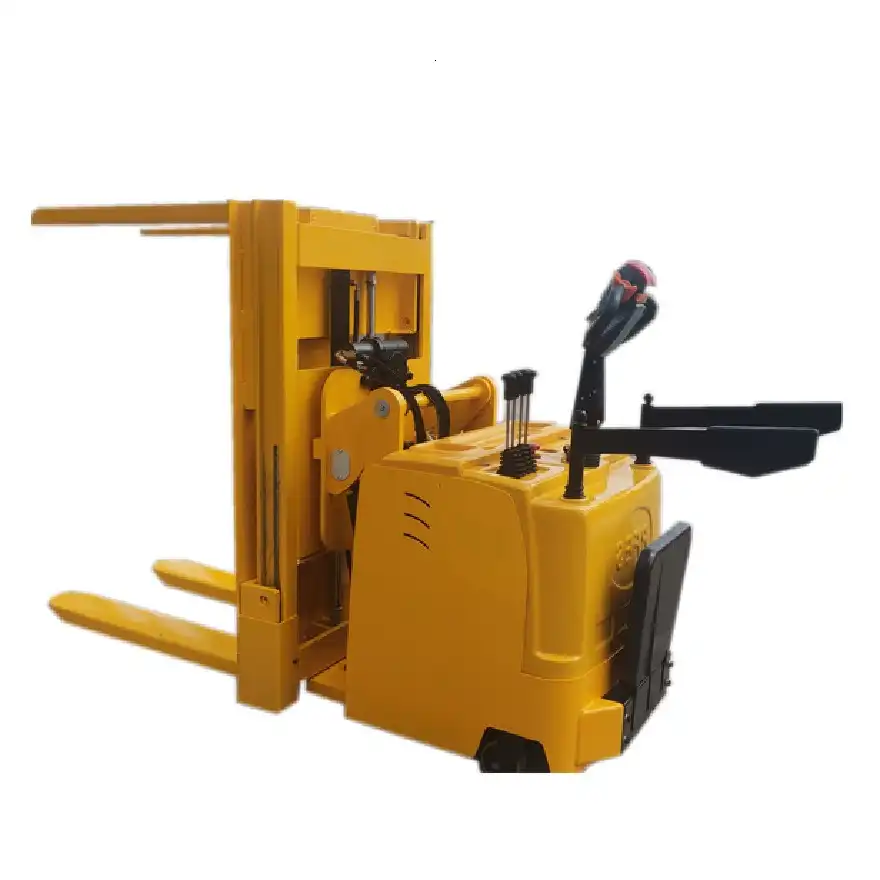
From my years helping factories, I have learned that the “right” machine is often the one that integrates seamlessly into existing workflows while improving them. For a warehouse manager like Carlos, who handles thousands of pallets daily, it is not enough for a machine to work. It must work cleanly. It must be easy to maintain. These are the details that matter most.
2.1 Material Selection: Stainless Steel is King
The material of the pallet inverter is crucial for hygiene.
- Corrosion Resistance: Stainless steel resists rust and corrosion. This is vital in environments where cleaning involves water and chemicals. Other materials break down faster.
- Ease of Cleaning: Stainless steel has a smooth, non-porous surface. This prevents bacteria and dust from sticking. It allows for thorough washdowns and sanitization.
- Durability: It is a strong material. It withstands the demands of heavy industrial use. This ensures a longer lifespan. This is something I always tell my clients. Investing in quality materials pays off in the long run.
2.2 Enclosed Designs and Controlled Environments
An open machine can let dust escape or enter.
- Containment: Fully enclosed pallet inverters keep any particles generated by the operation inside the machine. This prevents them from spreading into the warehouse.
- External Contamination: These designs protect the actual product from external dust and airborne contaminants. This keeps the processing area cleaner.
- Controlled Atmosphere: Some advanced systems can integrate with air filtration or positive pressure systems. This creates an even cleaner internal environment.
2.3 Smooth Surfaces and Minimal Crevices
Design plays a big role in cleanliness.
- Reduced Dust Traps: Machines with smooth surfaces and few hard-to-reach crevices offer fewer places for dust to accumulate. Every corner can be a dust trap.
- Simplified Cleaning Protocols: Easy-to-clean designs mean less time and effort for your cleaning crew. This ensures consistent hygiene.
- Preventing Microbial Growth: Areas where dust collects can also become breeding grounds for bacteria. Smooth designs prevent this. This is especially important for food products.
2.4 Dust-Minimizing Components and Technologies
The moving parts of a machine can generate dust.
- Sealed Bearings and Motors: Using sealed components reduces the release of lubricants or fine metallic particles. These could otherwise become airborne dust.
- Low-Friction Materials: Materials that create less friction during operation mean less wear and tear. This also means less particulate matter.
- Integrated Dust Collection: Some specialized pallet inverters include built-in vacuum systems or air curtains. These actively remove any generated dust. This ensures the environment stays clean.
How can automated pallet inverters transform efficiency and safety in high-volume, dust-sensitive warehouses?
Are you struggling with rising labor costs and the risks of manual pallet handling? Do you see your team spending too much time on a task that could be automated? In high-volume warehouses, especially those needing dust-free operations, human error and physical strain are constant threats. They slow things down. They increase danger. Manual pallet changes can introduce dust. They can also lead to injuries. This impacts both your bottom line and your workers’ well-being.
Automated pallet inverters transform efficiency and safety in high-volume, dust-sensitive warehouses by drastically reducing manual labor, speeding up pallet exchange cycles, and eliminating human interaction with loads, thereby minimizing injury risks and consistent dust generation. They ensure precise, repeatable operations, integrate with existing warehouse management systems for seamless flow, and allow for fully enclosed, hygienic processes crucial for maintaining dust-free environments.

I have seen countless factories struggle with these exact issues. When I was building my own packing machine factory, I made sure to invest in automation. I knew it was the only way to scale and stay competitive. For someone like Carlos, who has to manage thousands of pallets daily for a multinational food group, automation is not a luxury. It is a necessity. It is about working smarter, not harder.
3.1 Significant Reduction in Manual Labor and Costs
Automation directly addresses the labor challenges Carlos faces.
- Labor Shortage Solution: Automated systems reduce the need for workers to perform strenuous pallet changing tasks. This solves problems with labor shortages. It also reduces reliance on people for these specific jobs.
- Cost Savings: Less reliance on manual labor means lower labor costs. It also means less overhead for training and supervision. This is a direct saving for the company.
- Resource Reallocation: Workers can be moved to more value-added tasks. This optimizes the workforce and improves overall productivity. This is a common benefit my clients report after implementing our solutions.
3.2 Enhanced Safety and Reduced Injury Risks
Safety is a huge concern in any warehouse.
- Eliminating Manual Flipping: Automated systems remove the need for workers to manually flip or handle heavy pallets. This is a major cause of injuries.
- Reduced Accidents: With less human intervention, the risk of accidents from falling goods, pinched fingers, or strained backs drops significantly. Carlos mentioned several accidents already happening in his warehouse. Automation stops this.
- Improved Ergonomics: The machines do the heavy lifting. This creates a safer working environment for everyone. It shows care for your employees.
3.3 Boosted Operational Efficiency and Throughput
Speed and consistency are vital for high-volume operations.
- Faster Cycle Times: Automated pallet inverters can complete a pallet change much faster than manual methods. This speeds up the entire logistics chain.
- Consistent Performance: Machines operate with consistent speed and precision every time. This eliminates human variability and errors.
- 24/7 Operation: Automated systems can work continuously. This increases throughput without needing breaks or shifts. This is especially good for meeting tight delivery schedules.
3.4 Maintaining Dust-Free Conditions More Effectively
Automation inherently supports a cleaner environment.
- Reduced Human Contact: Less human presence in the immediate vicinity of sensitive products means less introduction of dust from clothing or movement.
- Enclosed Systems: Automated solutions can be fully enclosed. This ensures that any dust generated by the machine is contained. It prevents contamination of the surrounding area.
- Precision Control: Automated machines control the movement of pallets very smoothly. This reduces jarring or sudden movements that could dislodge dust. It helps keep the area clean.
Which pallet inverter system best balances diverse pallet handling with dust-free performance?
Are you managing a warehouse where every day brings a new pallet challenge? Do you need a system that can switch from Euro to US pallets, or even plastic ones, all while keeping a pristine, dust-free environment? Finding a pallet inverter that is both flexible and hygienic is often the biggest hurdle. Many systems excel at one, but not both. This becomes a real headache for logistics managers like Carlos, who handle a wide range of international standards and strict hygiene needs.
The pallet inverter system that best balances diverse pallet handling with dust-free performance is typically a fully automatic, freestanding or integrated system featuring adjustable side clamps or a top-and-side press mechanism. These models often come with interchangeable platforms or programmable settings to accommodate various pallet sizes and types (Euro, US, plastic) while being constructed from stainless steel with enclosed components and smooth, easy-to-clean surfaces to minimize dust and ensure hygiene.
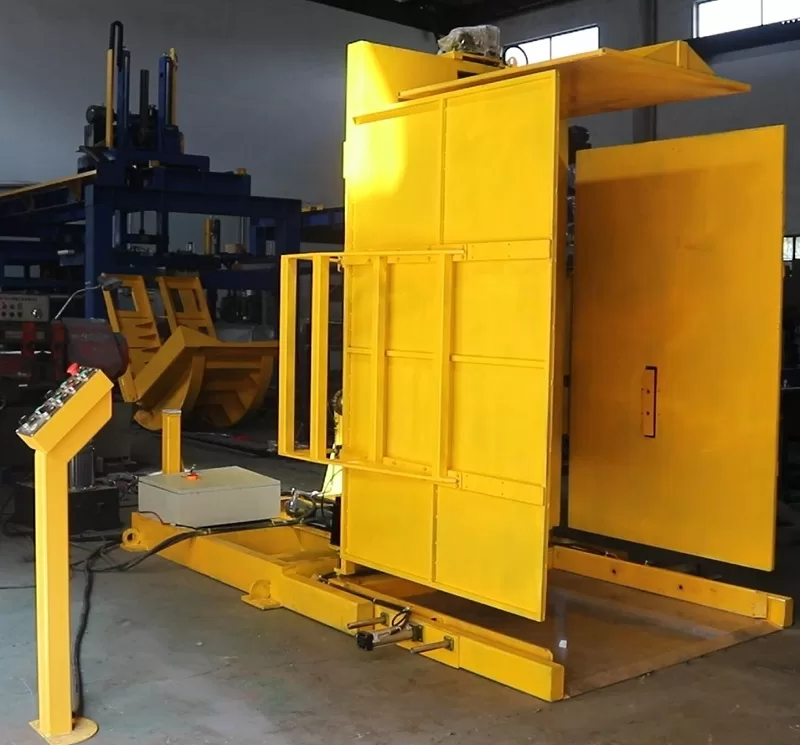
My goal at FHOPEPACK has always been to simplify complex packing challenges. I have seen firsthand how diverse pallet requirements can bottleneck an entire operation. When you add the demand for dust-free conditions, the problem becomes even harder. But with the right technology and an understanding of your specific pain points, a solution exists. It is about matching the machine’s capabilities to your operational realities.
4.1 Side-Clamp Pallet Inverters for Versatility
Side-clamp pallet inverters are a popular choice for flexibility.
- Adjustable Clamping: These machines can adjust their clamping force and width. This allows them to handle different pallet sizes and load dimensions. Carlos needs this for Euro, US, and plastic pallets.
- Load Stability: They secure the load from the sides. This ensures stability during the inversion process. This is good for delicate or uneven loads.
- Dust-Free Integration: When built with stainless steel and enclosed motors, side-clamp models can offer good dust-free performance. Their design can be adapted for easy cleaning.
4.2 Top-Press and Side-Clamp Combination Systems
For maximum flexibility and dust control, combination systems often lead the way.
- Enhanced Stability: These systems press down from the top while clamping from the sides. This provides superior load stability, especially for unstable or tall stacks.
- Universal Pallet Compatibility: The combination of top pressure and side clamping makes them highly adaptable. They can handle a very wide range of pallet sizes and types. This solves Carlos’s main challenge of diverse pallet specifications.
- Optimized for Hygiene: When fully automated and enclosed, these systems can offer the highest level of dust containment. They are designed for washdown and critical hygiene areas. They are usually built with high-grade materials.
4.3 Freestanding vs. Integrated Systems for Workflow
The type of system also depends on your warehouse layout and needs.
- Freestanding Units: These are often simpler to install. They offer flexibility in placement. They can be moved if your layout changes. They are good for operations that need to move the pallet inverter.
- Integrated Systems: These are built directly into your conveyor lines. They offer seamless, fully automatic operation. They provide the highest throughput. They are perfect for very high-volume warehouses that need continuous flow. This would be a strong option for Carlos’s thousands of pallets daily.
- Dust Control Differences: Integrated systems can be better enclosed within the conveyor line. This provides superior dust containment for the entire process. Freestanding units need more careful design to contain dust around them.
4.4 Factors for Choosing the Best Dust-Free Solution
Making the final decision requires careful thought.
- Volume and Speed: How many pallets do you process per hour? Higher volumes demand more automation and speed.
- Pallet Diversity: How many different pallet sizes and types do you use? Your system must handle all of them efficiently.
- Hygiene Requirements: What are your specific dust-free and cleanliness standards? This will dictate materials and design features.
- Integration Needs: Does the system need to connect with your existing WMS or conveyor lines? Seamless integration is key for overall efficiency.
- Supplier Partnership: As Carlos rightly points out, you need a partner, not just a seller. Look for a supplier who understands your unique challenges. They should offer installation, training, and good after-sales support. This long-term relationship ensures your investment pays off.
Conclusion
Choosing the right pallet inverter for dust-free, high-tech industries is a critical decision. It impacts safety, efficiency, and compliance. Automated, stainless steel, enclosed systems offer the best balance of diverse pallet handling and hygiene. They provide long-term solutions for reducing costs and improving operations. Invest in a pallet inverter that truly masters your packing challenges.








