
Which pallet inverter option ensures ROI in frozen food and seafood logistics?
The challenges in frozen food and seafood logistics are unique. You face constant pressure to maintain product integrity, manage diverse pallet types, and keep costs down. If your pallet handling processes are slow or unsafe, it does not just slow things down. It can spoil products, lead to costly fines, and even damage your reputation.
Choosing the right pallet inverter for frozen food and seafood logistics is critical for achieving a strong ROI. The best option is often a fully automated, high-capacity inline pallet changer with cold-resistant components. This system significantly reduces manual labor, enhances safety, and ensures rapid, compliant pallet changes for diverse standards like Euro and US pallets. It minimizes product exposure to temperature fluctuations, which protects your valuable inventory.
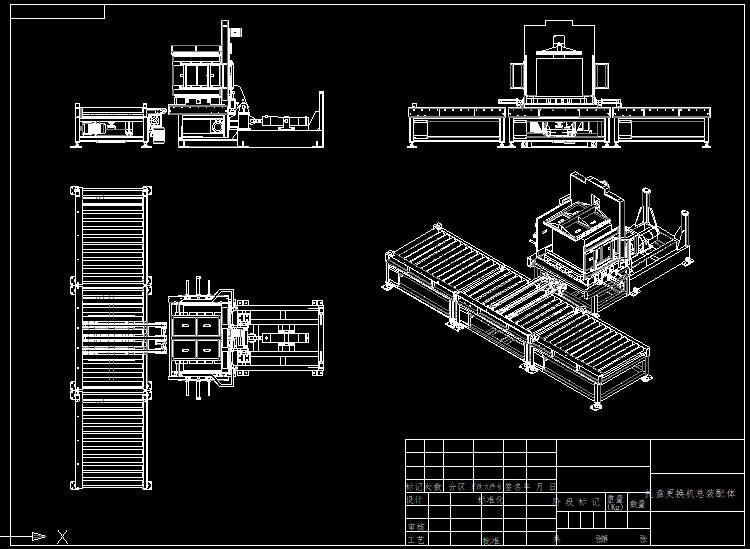
Navigating these demands requires more than just standard equipment. You need solutions that perform reliably in harsh cold environments and offer clear economic benefits. As someone who has built a packing machine factory from the ground up, I understand these pressures firsthand. Let’s explore how a well-chosen pallet inverter can turn your logistics challenges into a competitive advantage.
Why is Pallet Switching a Major Headache in Frozen Food & Seafood Logistics?
Managing thousands of pallets daily in a cold chain environment is tough. Adding the need to switch between different pallet types for international exports makes it even harder. Are you dealing with constant bottlenecks and safety concerns?
Pallet switching is a major headache in frozen food and seafood logistics due to diverse international pallet standards, extreme operating temperatures, and high labor costs. Manual methods are slow, risky for workers, and expose temperature-sensitive products to harmful fluctuations. This leads to reduced efficiency, increased waste, and significant compliance risks, making effective automation crucial.

Based on my years in the packing machine industry, I have seen many clients struggle with these exact issues. From the factory floor to regional distribution centers, inefficient pallet handling creates a ripple effect of problems. Let’s break down the specific pain points that make pallet changing so difficult in your sector.
1. The Complexities of Diverse Pallet Specifications 📦🔄🌍
Frozen food and seafood often move across borders. This means you must handle different pallet standards. Euro pallets (800x1200mm) and US pallets (1000x1200mm) are common examples. Manually switching goods between these pallets is not efficient. It is slow and prone to errors. Each transfer risks product damage or delays. For a multinational food and beverage group, like Carlos’s, these delays can mean lost contracts and unhappy customers. My experience has shown me that companies often underestimate the time and cost involved in these manual transfers. They do not just affect your schedule; they hit your bottom line hard. You need a system that adapts quickly without constant human intervention.
2. The Harsh Realities of Cold Chain Operations ❄️🥶🦐
Frozen food logistics operate in extreme conditions. Your warehouse teams work in temperatures far below freezing. This environment takes a toll on both people and equipment. Manual pallet handling in these conditions is not just difficult; it is dangerous. Workers face risks like frostbite and reduced dexterity. Equipment can also suffer. Standard machinery may not perform well in the cold. It can break down more often. This leads to unexpected downtime. Each minute of downtime in a cold chain means more energy use to maintain temperatures. It also means a higher risk of product thawing or spoilage. This is a critical concern for high-value products like seafood. I have always pushed for robust designs that stand up to the toughest environments.
3. Escalating Labor Costs and Safety Concerns 👷♂️💸🤕
Labor is a significant cost in warehousing. For tasks like pallet changing, it is often manual and physically demanding. In many regions, skilled labor is getting harder to find. Young people are often unwilling to do such high-intensity work. This pushes labor costs up. Beyond wages, safety is a major issue. Manually flipping or transferring heavy pallets carries high risks. Workers can suffer back injuries, crushed limbs, or worse. I have heard too many stories of accidents during manual pallet changes. These incidents lead to higher insurance premiums, workers’ compensation claims, and lost productivity. A single serious accident can stop operations and hurt staff morale. It is not just about the money; it is about protecting your people.
4. The Pressure Cooker of Customer Demands ⏱️🚀🚚
Modern customers, especially in e-commerce and retail, demand faster delivery. This puts immense pressure on your logistics operations. Every step in the supply chain must be optimized for speed. If pallet switching becomes a bottleneck, it slows down your entire outbound process. This directly impacts your ability to meet tight delivery windows. It can lead to penalties from clients and, worse, a loss of trust. For Carlos, who manages a major distribution center, ensuring compliance and customer satisfaction is paramount. He cannot afford delays. I have always emphasized that efficiency is not just about moving goods; it is about maintaining client relationships and staying competitive. Investing in automation is an investment in your future business.
How Do Different Pallet Inverter Types Tackle These Challenges?
With so many pallet inverter options available, how do you choose the one that truly fits your cold chain needs? Are you sure you are picking the most reliable and efficient type for your specific operational challenges?
Different pallet inverter types tackle cold chain challenges by offering varying degrees of automation, load capacity, and operational flexibility. Stationary inline systems provide high throughput for consistent operations. Mobile units offer versatility for various warehouse locations. Standalone models suit lower volumes. The best solution for frozen food and seafood often involves specialized models with robust, cold-resistant components to ensure reliability and safety in sub-zero temperatures.
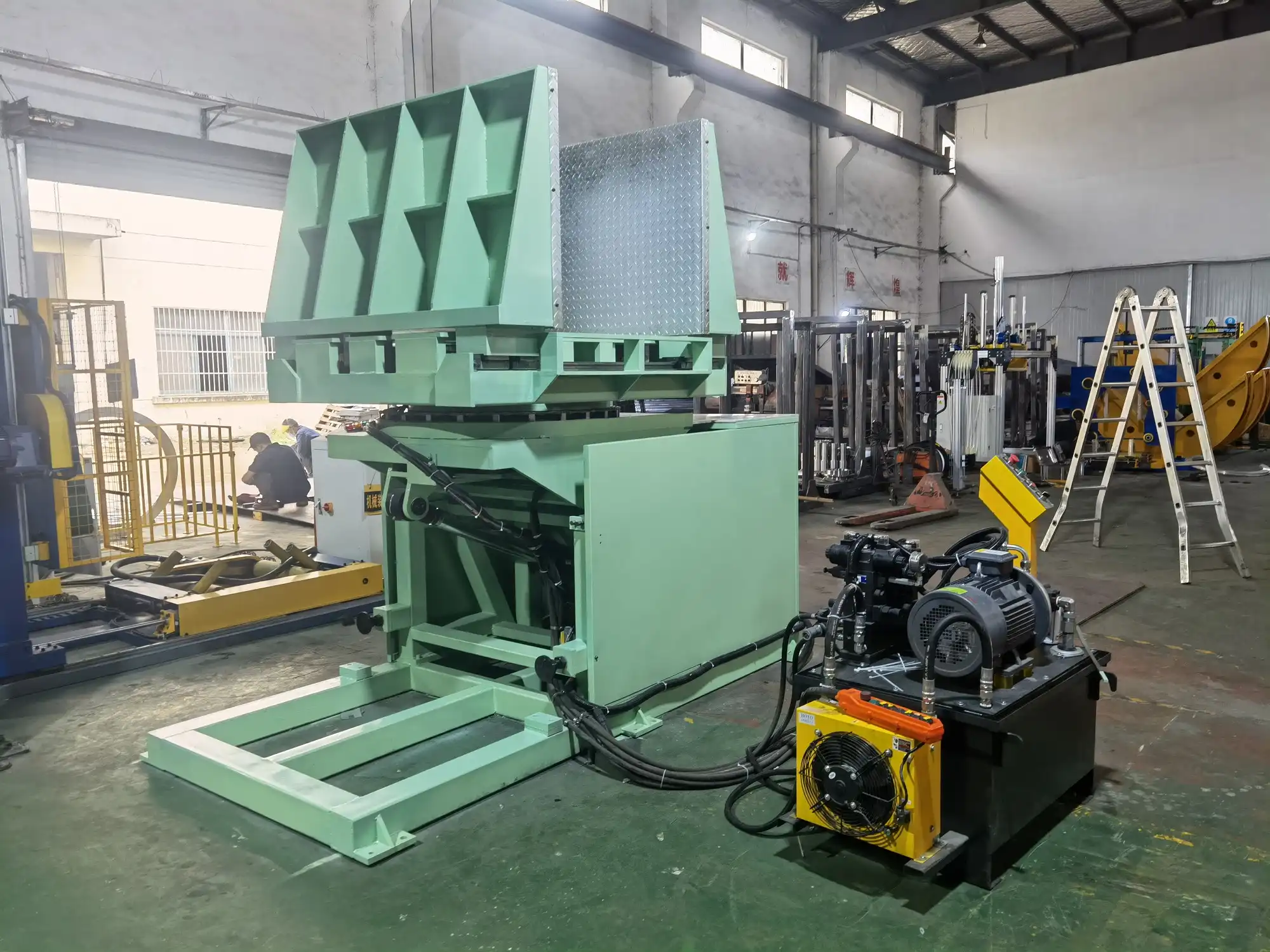
My journey from an employee to a factory owner taught me the importance of matching the right tool to the right job. You would not use a screwdriver to hammer a nail. The same applies to pallet inverters in specialized environments like frozen food. Let’s look at the main types and how they address your operational hurdles.
1. The Power of Stationary Inline Pallet Inverters 🏭💪⚙️
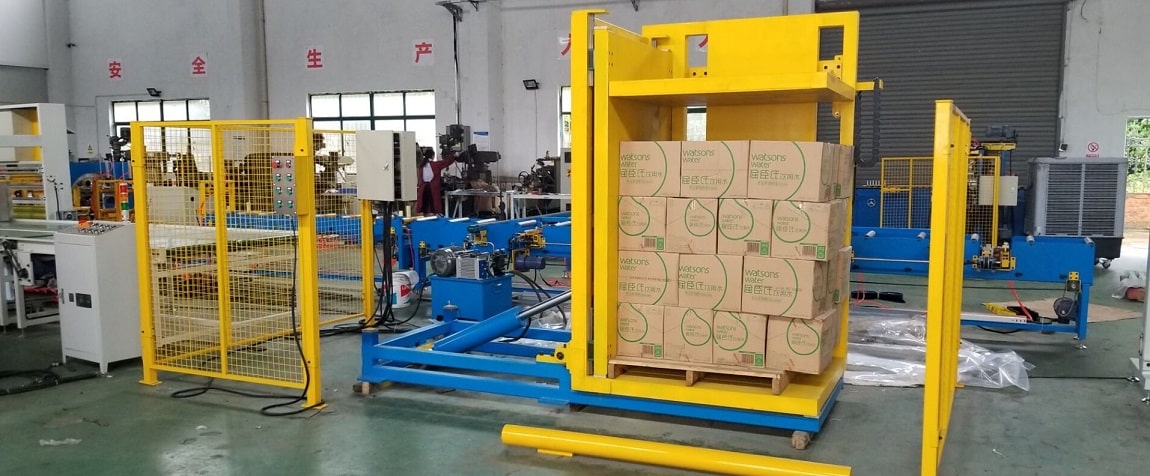
Stationary inline pallet inverters are built for high-volume, continuous operations. They integrate directly into your conveyor system. This means pallets move seamlessly from one process to the next without manual intervention. For frozen food and seafood, this is crucial. It minimizes the time products spend outside controlled temperatures. These systems can handle thousands of pallet changes per day. They offer consistent, fast, and repeatable results. Many models come with features like automatic pallet dispensers and stackers. This makes the entire process fully automated. They are often robustly built with heavy-duty components. This ensures long-term reliability even with constant use. When I designed packing lines, I always aimed for this level of integration for maximum efficiency.
2. The Flexibility of Mobile Pallet Changers 🚚🔄📍
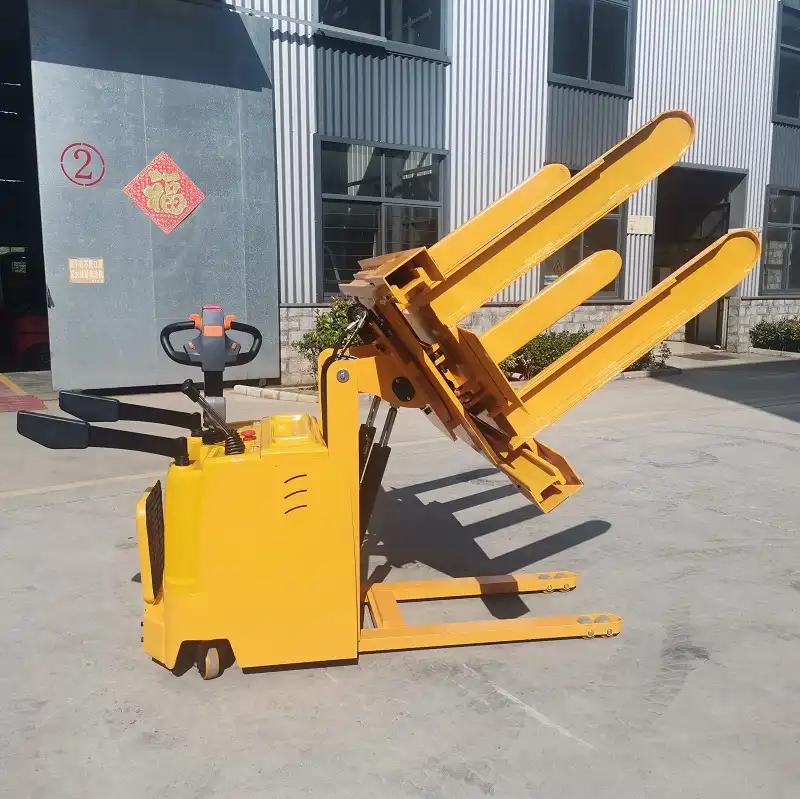
Mobile pallet changers offer great flexibility. They are not fixed to one location. You can move them around your warehouse as needed. This is useful if your pallet changing needs vary or if you have multiple loading docks. Some mobile units can operate on battery power. This gives you even more freedom. They might not match the speed of an inline system. But their adaptability can be a big plus for certain operations. For a distribution center with diverse demands, a mobile unit can provide a cost-effective solution without major infrastructure changes. They are particularly good for operations where space is limited or where you need to change pallets at different points in the facility.
3. The Special Considerations for Cold Environments 🥶🧊❄️
No matter the type, if you operate in frozen food and seafood, your pallet inverter needs special features. Standard machines are not designed for sub-zero temperatures.
- Material Selection: You need components made from cold-resistant materials. These materials must prevent brittleness and cracking at low temperatures.
- Lubrication: Special low-temperature lubricants are essential. Regular greases can freeze or become too thick. This leads to increased friction and wear.
- Electrical Components: Electrical systems must be rated for cold use. Wiring, sensors, and control panels need protection from condensation and ice build-up.
- Enclosures: Motors and sensitive electronics should have protective enclosures. These keep out moisture and maintain stable internal temperatures.
- Corrosion Resistance: The environment can also be humid. This requires corrosion-resistant coatings or stainless steel parts.
Ignoring these points leads to frequent breakdowns. It also means higher maintenance costs. I have learned that investing in cold-specific features always pays off in the long run. It ensures uptime and protects your products.
Calculating the Real ROI: Beyond Just Equipment Cost, What Matters Most?
You are looking for a pallet inverter that makes economic sense. But how do you calculate the true return on investment in a complex environment like frozen food logistics? Are you only looking at the purchase price, or are you considering all the hidden benefits?
Calculating the real ROI for a pallet inverter goes beyond the initial equipment cost. It primarily considers reductions in labor expenses, improved safety leading to fewer accidents and lower insurance, and increased operational efficiency that prevents product spoilage and customer penalties. Other critical factors include faster turnaround times, enhanced compliance with diverse pallet standards, and the long-term reliability that minimizes maintenance and downtime in harsh cold chain environments.
When I advise clients on new equipment, I always push them to look past the sticker price. True ROI comes from understanding the total impact on your operations. For Carlos, managing a large distribution center, these are the factors that truly move the needle for his multinational food and beverage group. Let’s dig into the key areas where a pallet inverter delivers significant returns.
1. Drastic Reduction in Labor Costs 💰📉👨🏭
Labor is one of your biggest expenses. An automated pallet inverter can drastically cut down the need for manual handling.
- Fewer Workers Needed: A single operator can manage a highly automated system. This replaces multiple workers currently involved in manual pallet changes.
- Higher Productivity Per Employee: The remaining staff can focus on higher-value tasks. This optimizes your workforce allocation.
- Reduced Overtime: Faster processing means less need for costly overtime hours.
- Lower Recruitment Costs: With less demand for physically demanding roles, you face lower costs for hiring and training.
Think about Carlos’s challenge with rising labor costs and a shortage of willing workers. Automating this task directly addresses those pains. My own factory benefited greatly from optimizing labor, which allowed us to grow our business more quickly.
2. Enhanced Safety and Reduced Accident Costs 🛡️🚑🩹
Safety is not just about compliance; it is about protecting your people and your budget.
- Elimination of Manual Handling Risks: Automated systems remove workers from dangerous situations. No more lifting heavy loads or operating forklifts in tight spaces for pallet changes.
- Fewer Injuries: This directly leads to a drop in workplace accidents. Fewer injuries mean lower medical bills, reduced worker’s compensation claims, and fewer lost workdays.
- Lower Insurance Premiums: A safer workplace often translates to lower insurance rates over time.
- Improved Morale: Employees feel safer and more valued. This leads to better morale and retention.
Carlos has seen accidents already. A pallet inverter prevents these incidents. This protects his team and avoids costly legal and medical expenses for his company. It is a win-win for everyone.
3. Significant Improvement in Operational Efficiency 🚀📈⏰
Time is money, especially in fast-paced logistics.
- Faster Pallet Changes: Automated systems perform changes in minutes, compared to much longer times for manual methods.
- Higher Throughput: You can process more pallets per hour. This directly supports faster delivery cycles.
- Reduced Bottlenecks: Pallet changing ceases to be a choke point in your flow. Goods move smoothly and quickly.
- Consistent Performance: Machines work tirelessly without fatigue. This ensures consistent performance throughout the shift.
- Minimized Product Exposure: For frozen goods, less handling time means less exposure to ambient temperatures. This helps maintain product quality and reduces spoilage risk.
For Carlos, whose customers demand shorter delivery cycles, this efficiency is key. It helps avoid contract penalties and keeps his clients satisfied. My own clients saw their businesses grow as their packing lines became more efficient.
4. Compliance and Customer Satisfaction 🌟🤝✅
Meeting different pallet standards is essential for international trade.
- Seamless Pallet Transitions: A good inverter handles diverse pallet sizes and materials (wood, plastic). This ensures compliance with various regional regulations without manual hassle.
- Reduced Damage: Less manual handling means less chance of product or pallet damage during transfers. This protects your goods and your reputation.
- On-Time Deliveries: Faster and more accurate pallet changes contribute to reliable delivery schedules. This keeps customers happy.
- Avoidance of Penalties: Non-compliant pallets or delayed shipments can lead to hefty fines. An efficient inverter helps you avoid these.
These points are vital for a manager like Carlos who prioritizes compliance and customer satisfaction. It is not just about making a profit; it is about maintaining a professional image and strong business relationships.
Choosing the Right Partner: What Should You Look for in a Pallet Inverter Supplier?
Investing in a pallet inverter is a big decision. You need more than just a piece of equipment. You need a partner who truly understands your challenges. Are you sure your potential supplier can offer long-term support and real solutions, not just sell you a machine?
When choosing a pallet inverter supplier, you should look for deep industry expertise, especially in cold chain logistics. The best partners offer customizable solutions, proven equipment reliability, and robust after-sales support including installation, training, and maintenance. They should prioritize understanding your specific operational pain points and commit to a long-term relationship, ensuring your system performs optimally for years, not just weeks.
My experience building FHOPEPACK taught me that trust and partnership are essential. When I started my factory, I knew that simply selling a machine was not enough. You need to understand the client’s world. For a logistics manager like Carlos, who wants a genuine partner, here are the key traits to seek out.
1. Deep Understanding of Your Industry and Pain Points 🤝🧠💡
A good supplier does not just know pallet inverters. They know your business.
- Cold Chain Expertise: They should understand the unique demands of frozen food and seafood. This includes temperature resilience, hygiene requirements, and product sensitivity.
- Logistics Experience: They should have a clear grasp of warehousing, inventory flow, and international shipping standards.
- Problem Solvers: Look for a partner who listens to your specific challenges, like diverse pallet specs or labor shortages. They should offer solutions tailored to your problems, not just generic products.
- Consultative Approach: A strong partner acts as a consultant. They help you identify the best system for your facility and goals.
I built FHOPEPACK on the principle of truly understanding our clients’ needs. That means walking in your shoes and seeing your operations through your eyes.
2. Proven Reliability and Quality Equipment 🛠️✅🔒
In logistics, downtime costs money.
- Robust Construction: The equipment must be built to last. This is especially true for the harsh cold chain environment. Look for durable materials and strong engineering.
- Cold-Specific Design: Confirm that the machine is specifically designed and rated for sub-zero temperatures. Ask about the materials, lubricants, and electrical components used.
- Safety Features: Ensure the inverter includes modern safety interlocks, emergency stops, and guarding. This protects your operators.
- Track Record: Ask for references or case studies from other frozen food or logistics companies. See their machines in action if possible.
I have seen the difference quality makes. Investing in reliable equipment reduces maintenance costs and ensures continuous operation. This helps you avoid those costly delays.
3. Comprehensive After-Sales Support and Service 📞🔧👨🎓
A machine is only as good as the support behind it.
- Installation and Training: The supplier should offer professional installation and thorough training for your team. This ensures proper operation from day one.
- Preventive Maintenance Programs: Look for options for regular maintenance. This helps prevent breakdowns and extends the life of your equipment.
- Spare Parts Availability: Ensure easy access to spare parts. This minimizes downtime if a component needs replacement.
- Responsive Technical Support: Can you reach them quickly when you have a problem? Timely support is crucial to keep your operations running.
Carlos wants a long-term partner, not just a seller. This means choosing a company like FHOPEPACK that stands by its products and supports you for years to come.
4. Customization and Flexibility in Solutions 📐🔄✨
Your operation is unique. Your solution should be too.
- Adaptable Designs: Can the supplier customize the inverter to fit your specific space constraints or integrate with existing systems?
- Multi-Pallet Capability: Ensure the chosen system can handle all the different pallet sizes and types you use (Euro, US, plastic, etc.).
- Scalability: Can the system be upgraded or expanded if your needs grow in the future?
- Integration Options: Can it integrate with your existing warehouse management system or conveyor lines?
My experience taught me that one size rarely fits all. We work with clients to provide solutions that truly fit their needs, not force them into a standard mold.
Conclusion
Choosing the right pallet inverter is a strategic move for frozen food and seafood logistics. It is an investment that boosts safety, cuts costs, and speeds up operations. By focusing on automated, cold-resistant solutions from a knowledgeable partner, you ensure long-term ROI and success in a demanding industry.








