

Which Pallet Inverter Option Best Suits Engine Component Pallet Switching Needs?
You know the drill. Your warehouse handles thousands of engine components daily. You need to switch pallets for different shipping requirements, maybe from an in-house heavy-duty pallet to a lighter export-compliant one. But manual switching is slow, risky, and a drain on your team. It can lead to damaged components, worker injuries, and costly delays. This is not just about moving goods; it is about protecting your valuable products and your people.
For engine component pallet switching, the best pallet inverter option often depends on the specific weight, size, and fragility of the components, along with your desired level of automation and operational flow. Heavy-duty fixed-position inverters, 90-degree tilt systems, and even mobile pallet changers offer robust solutions. They handle substantial loads safely, reduce manual labor, and integrate well into busy logistics operations, ensuring efficient and damage-free pallet transitions.

As someone who has spent years building packing machine solutions, I understand these challenges deeply. I have seen how the right equipment can transform a bottleneck into a smooth process. Let us look at the specific options available and how they can solve your unique problems in handling engine components.
What types of pallet inverters should I consider for heavy engine components?
Handling heavy engine components requires more than just a simple lift. Standard pallet jacks often cannot handle the weight or offer the stability needed for safe transfers. The wrong equipment means components risk damage, and your team faces injury. So, what specific types of pallet inverters are truly built for these demanding tasks?
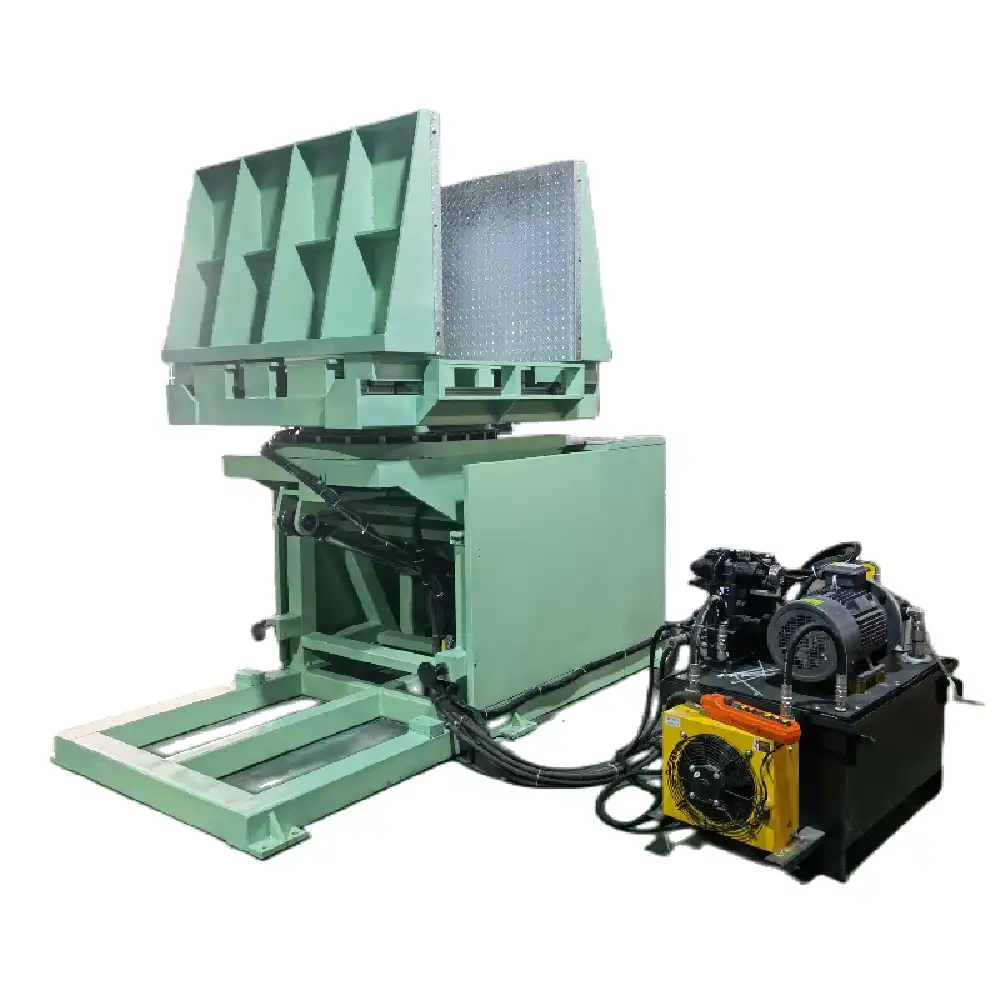
When considering pallet inverters for heavy engine components, focus on robust, industrial-grade systems. These include fixed 180-degree inverters, 90-degree tilt or ‘tippler’ systems, and heavy-duty mobile pallet changers. Each type offers distinct advantages in terms of load capacity, operational speed, and footprint, designed to secure heavy, dense, or unusually shaped parts during the pallet exchange process.
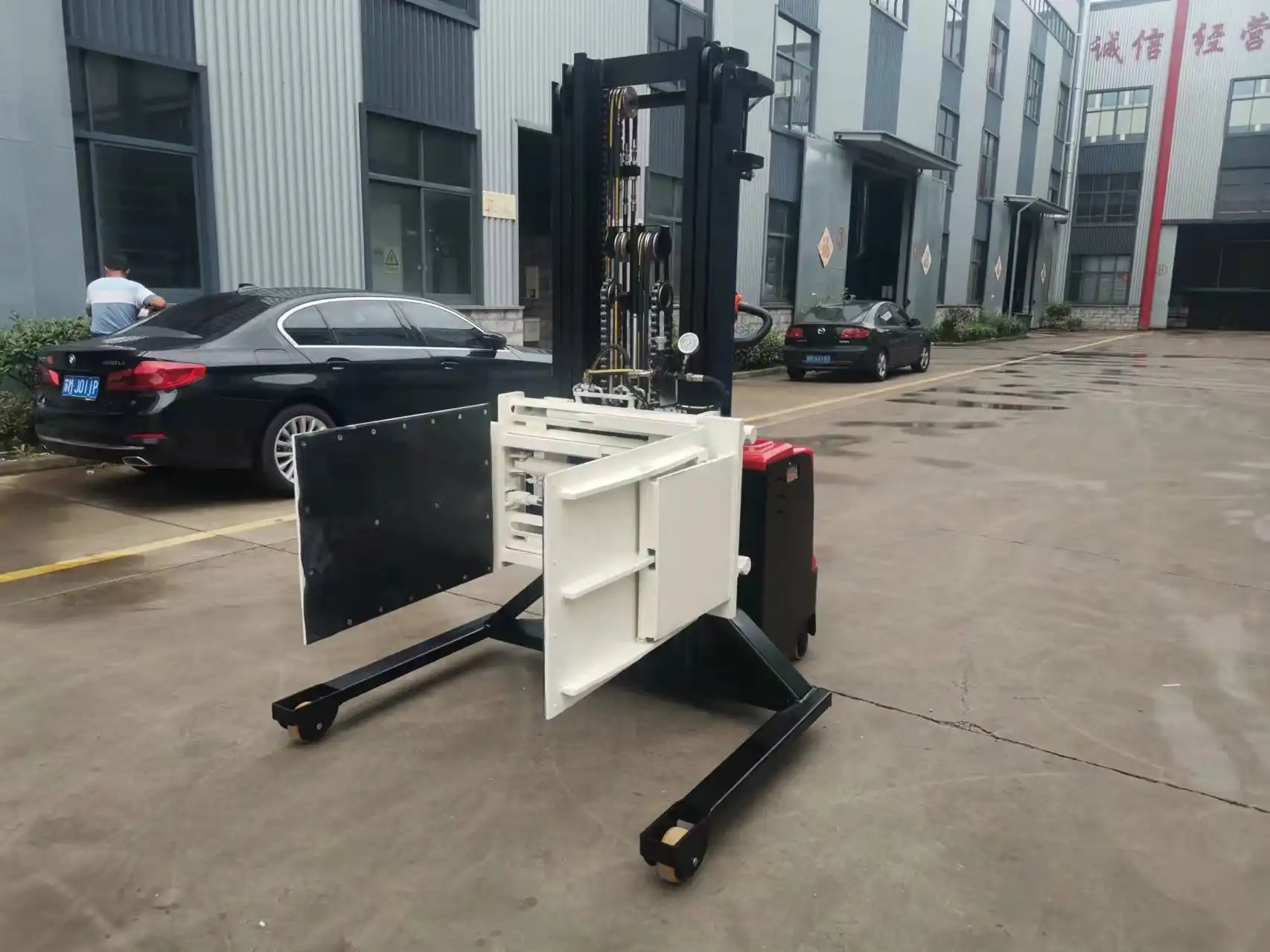

Engine components are often heavy and can be oddly shaped. This means you need a pallet inverter that can handle these challenges without fail. My journey in the packing machine industry taught me that reliability is key.
-
Fixed 180-Degree Pallet Inverters: These machines are strong and dependable. They are best for places with high volumes of pallet changes. They securely clamp your entire load, then rotate it 180 degrees. This lets you swap out the old pallet for a new one easily. Because they are fixed in one spot, they offer great stability. They fit well into automated lines. These inverters are built for continuous use with heavy items, like engine blocks or transmissions. They provide a very secure way to transfer heavy loads consistently.
-
90-Degree Tilt (Tippler) Systems: If your space is tight or you do not need a full 180-degree rotation, a 90-degree tilter can be a good choice. These systems tilt the load on its side. This lets you remove the bottom pallet and slide a new one underneath. They often take up less room than 180-degree models. They are good for changing damaged pallets or when you need to access the underside of a load. They handle heavy engine components by keeping them securely clamped during the tilt.
-
Mobile Pallet Changers: These offer a lot of flexibility. They are not fixed to one spot. You can move them to where the load is. This is helpful if you have different areas where you need to change pallets. They use powerful side clamps to hold your engine components tightly. Then, they lift the load slightly so you can swap pallets. While not as fast as a fixed 180-degree system, they are very useful for lower volumes or varied operations. They significantly improve safety compared to manual handling of heavy engine parts in different locations.
-
Heavy-Duty Reclining Inverters: Some inverters are designed to recline the load slowly. These are often used for very heavy or delicate items. The gradual tilt gives more control. This is important for components that might shift or be easily damaged by sudden movements. They combine the stability of a fixed unit with precise handling. They are very robust and designed for constant, demanding use. This type of design ensures durability, which is exactly what you need for expensive engine components.
The best option for engine components always involves machines built with strong materials and precise control. This prevents damage and keeps your team safe.
How do specific pallet inverter features address the challenges of handling engine parts?
Engine components are not just heavy; they are valuable, sometimes delicate, and often have irregular shapes. Using a generic pallet inverter can lead to inadequate clamping, potential damage, or even catastrophic load shifts. The problem is that many standard machines are not designed for these specific stresses. What features then truly make a difference in keeping your engine parts safe and your operations smooth?
Pallet inverter features crucial for engine components include robust clamping systems with adjustable pressure for secure grip without damage, high load capacity frames, and precise hydraulic or electric control for smooth, controlled movements. Automation options, safety interlocks, and durable construction materials also address the challenges of preventing product damage, ensuring operator safety, and maintaining consistent throughput with heavy, high-value parts.


When I help clients choose equipment, I always stress that features matter more than just a low price. For engine components, specific features directly solve common problems.
-
💪 High Load Capacity and Heavy-Duty Construction: Engine parts like cylinder blocks, crankshafts, or assembled engines are extremely heavy. Your pallet inverter must handle this weight without strain, day after day. Look for machines with reinforced steel frames. They also need powerful hydraulic systems. These systems provide the strength to lift and turn very heavy loads reliably. My factory clients often tell me they need equipment that can work non-stop, and that requires this kind of robust build. This construction prevents wear and tear, meaning fewer breakdowns and lower repair costs for your valuable operations.
-
⚙️ Adjustable Clamping Pressure and Mechanisms: Engine components come in many shapes. Some might be sturdy, others might have precision surfaces or delicate parts. A good inverter has adjustable clamping pressure. This means it holds the load firmly enough so it does not shift, but gently enough so it does not cause damage. Some advanced machines use soft rubber pads or multiple clamping points. This spreads the pressure out. This feature is vital for protecting your high-value engine components from scratches or deformation during the transfer.
-
⚡ Smooth and Controlled Movement: Sudden jolts or jerky motions can be disastrous for heavy or delicate engine parts. They can cause components to shift, fall, or get damaged. High-quality inverters use advanced hydraulic or electric systems. These systems provide smooth, controlled acceleration and deceleration. This prevents any sudden shocks to the load. It protects both your product and the machine itself. Precision control is a key safety feature that also maintains the integrity of your engine components.
-
🛠️ Customizable Pallet Handling: Your engine components might be on standard Euro or US wooden pallets. You might also use specialized metal skids or plastic pallets. The best inverter for you will handle a range of pallet sizes and types. This flexibility is very important for international shipping or if your internal logistics uses non-standard pallets. Some machines offer quick-change tooling. This lets you adapt to different pallet dimensions fast. This means less downtime when you need to switch between different pallet types.
-
🚨 Integrated Safety Features: For operations with heavy loads, safety is always the first priority. Look for systems with features like light curtains, safety interlocks, and large emergency stop buttons. Protective caging around the machine is also important. These features prevent accidents. They protect your workers from injury and your business from legal issues. I have always designed our packing machines with these safety measures built in. They are crucial for a safe and efficient workplace.
What are the safety and efficiency gains from automating engine component pallet changes?
Manual pallet switching for engine components is a triple threat: it is slow, dangerous, and expensive. Your team struggles with heavy lifting, risking injuries daily, while your operations grind to a halt. This directly impacts your bottom line through lost productivity, potential fines, and increased insurance costs. So, how can automation turn this hazardous bottleneck into a strategic advantage?
Automating engine component pallet changes significantly boosts safety by removing workers from hazardous manual handling tasks, reducing the risk of injuries and product damage. It also dramatically improves efficiency by speeding up pallet transfers, ensuring consistent throughput, and allowing seamless integration with other automated warehouse systems. These gains translate into lower operational costs, improved compliance, and higher customer satisfaction.
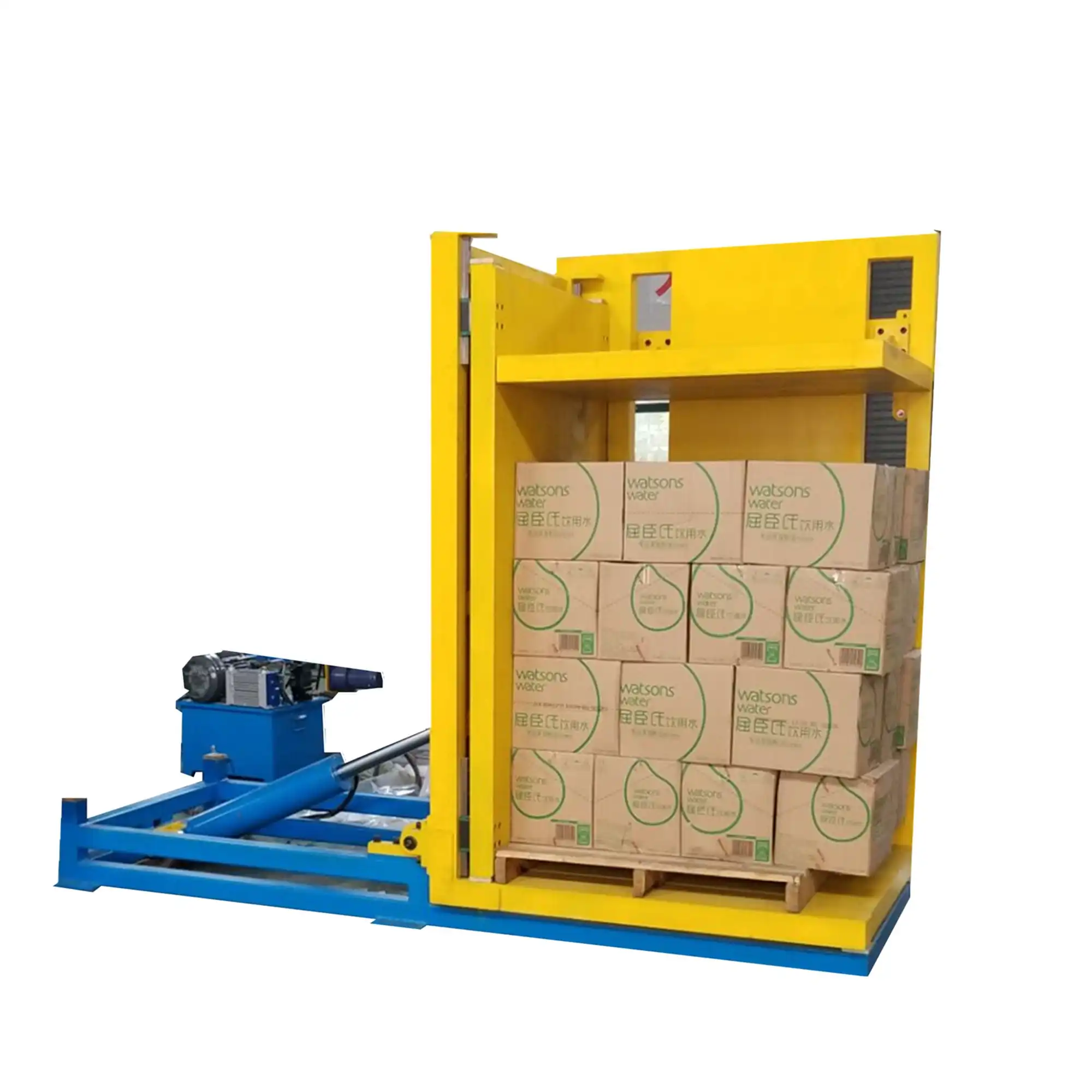

Automating pallet changes, especially for heavy and valuable items like engine components, brings many clear benefits. These benefits affect both your team and your company’s finances.
-
🚫 Elimination of Manual Handling Risks: This is one of the biggest gains. Workers no longer need to manually lift, flip, or move heavy engine parts. This removes the risk of serious back injuries, crushed hands, or other accidents. I have seen too many preventable injuries in warehouses over the years. An automated system means fewer workers are exposed to harm. This leads to fewer insurance claims. It also creates a much safer and more positive work environment for your employees.
-
⬆️ Increased Throughput and Speed: Automated pallet inverters work much faster than manual methods. They are also more consistent. They can complete a full pallet change in just a few minutes, not the tens of minutes it takes by hand. This speed directly reduces bottlenecks in your warehouse operations. Faster processing means you can ship more engine components every day. This helps you meet tight deadlines and customer demands. This efficiency is very important for companies facing pressure for quicker delivery times.
-
📉 Reduced Product Damage: Engine components are expensive. Manual handling always carries a risk of drops, impacts, or incorrect stacking. This can lead to costly damage. Automated systems handle loads with precision and care. Their clamping and rotation mechanisms are designed to secure the product throughout the entire process. This means fewer damaged components. It results in less waste and significant cost savings over time. Protecting your investment is crucial.
-
💲 Lower Labor Costs and Better Resource Allocation: With fewer people needed for physically demanding pallet changes, you can use your workforce in other ways. You can assign them to more skilled or less strenuous tasks. This helps address the challenge of labor shortages. It also helps with rising labor costs. It makes your operations more sustainable for the future. Over time, the money saved from reduced labor alone can easily cover the cost of the automated system.
-
✅ Improved Compliance and Consistency: When you ship internationally, you often need to switch to specific pallet types. This could be Euro, US, or plastic pallets. Automated systems ensure these changes are done quickly and correctly every time. This helps you meet different country regulations. It also ensures consistent quality in your outgoing shipments. This reduces customer complaints and avoids potential penalties. The reliable operation of a machine gives you a level of consistency that manual effort cannot match.
How do I choose the right pallet inverter for my engine component warehouse operations?
You know you need an automated solution, but the market offers many options. Faced with different types, features, and price points, how do you cut through the noise? Choosing the wrong pallet inverter means inefficient operations, continued safety risks, or even an expensive machine that does not meet your specific needs. What are the clear, actionable steps to make the best investment for your engine component logistics?
To choose the right pallet inverter for engine component warehouse operations, first assess your specific needs: load weight, dimensions, fragility, and daily throughput volume. Then, evaluate available space, budget, and desired automation level. Prioritize systems with robust construction, adjustable clamping, and comprehensive safety features. Finally, look for a supplier that offers strong after-sales support and can act as a true long-term partner, understanding your operational challenges.


Picking the right pallet inverter is a very important decision for any warehouse moving engine components. It is not just about buying a machine. It is about finding a solution that fits your entire operation. My experience has shown me a clear path to making the best choice.
-
📊 Assess Your Current and Future Needs: You must start by looking closely at your own operations.
- Weight and Dimensions: What is the heaviest pallet of engine components you handle? What are the biggest and smallest dimensions of your loads? This tells you the minimum load capacity and opening size your inverter needs.
- Volume: How many pallets do you need to change per hour or per day? High volume usually means you need a more automated system, like an inline 180-degree inverter. Lower volume might work with a mobile or semi-automatic unit.
- Pallet Types: Do you use only wooden pallets, or plastic, metal, Euro, or US pallets? Your inverter must be able to handle all of them.
- Fragility: Are your engine components particularly delicate? This will influence the type of clamping and movement control you need.
- Future Growth: Think about how your business might grow. Can the system you choose grow with you? It is often smarter to invest in a machine that can handle more than your current needs.
-
📏 Evaluate Your Physical Space and Layout: The physical layout of your warehouse matters a lot.
- Footprint: Fixed 180-degree inverters need a lot of dedicated space. 90-degree tilters might fit into tighter spots. Mobile units offer the most flexibility because they can move around.
- Integration: How will the new inverter work with your existing conveyors, forklifts, or other equipment? You want a smooth workflow. You do not want to create a new bottleneck in your process. I often help clients redesign their warehouse layouts to make sure new machines fit seamlessly.
-
💰 Consider Your Budget and Return on Investment (ROI): Cost is always a factor, but look beyond just the initial price.
- Initial Cost: Pallet inverters vary widely in price. Understand what features and automation levels drive these costs.
- Operating Costs: Think about energy use, ongoing maintenance, and how much you will save on labor.
- Return on Investment (ROI): Calculate how quickly the machine will pay for itself. This happens through reduced labor costs, fewer damaged products, and improved efficiency. For many of my clients, the ROI is a very strong reason to invest, as the savings become clear very quickly.
-
🤝 Seek a Long-Term Partner, Not Just a Vendor: You mentioned this, and I agree completely. It is important to find a supplier who truly understands your business.
- Expertise: Do they have experience with heavy-duty applications like engine components? Do they understand your specific challenges?
- Customization: Can they adapt a standard machine to your unique needs? Sometimes a slightly modified solution is the perfect fit.
- After-Sales Support: What kind of warranty, spare parts availability, and technical support do they offer? Reliable support is very important to keep your operations running smoothly. A true partner helps you before, during, and long after the sale. My company, FHOPEPACK, prides itself on this kind of relationship with our clients.
Conclusion
Choosing the right pallet inverter for engine components is a vital decision for safety, efficiency, and cost control. By understanding your specific needs and selecting a robust, feature-rich solution from a trusted partner, you can transform your warehouse operations and secure your valuable products for years to come.












