
Which Pallet Inverter Helps Food Exporters Meet EU and US Pallet Standards?
The world of international food export moves fast. One wrong step, or one mismatched pallet, can mean delays, fines, and even lost customers. Businesses often struggle with different pallet standards. This constant challenge impacts both efficiency and profits. It creates a major headache for many logistics managers.
The right pallet inverter is key for food exporters needing to switch between EU and US pallet standards, ensuring smooth operations, compliance, and significant cost savings. Machines like the FHOPEPACK 180-degree or side-press pallet inverters offer the flexibility and reliability needed to handle diverse pallet sizes, materials, and product types quickly and safely.
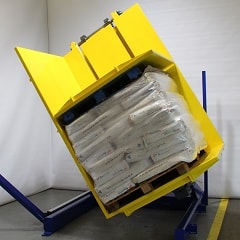
Navigating these complexities can feel overwhelming. Many wonder if there is a truly effective way to manage these changes without slowing down operations or risking worker safety. We understand these concerns. Let’s explore how a smart approach to pallet handling can solve these issues for food exporters.
Why is pallet standardization a constant challenge for food exporters?
Imagine trying to fit a square peg into a round hole, thousands of times a day. That is what international pallet standards can feel like for food exporters. Different countries, especially the EU and US, use different pallet sizes and types. This creates a big logistical problem.
Pallet standardization is a constant challenge for food exporters because international trade involves diverse requirements for pallet dimensions, materials, and hygiene. EU and US markets have distinct standards, forcing companies to frequently transfer goods between incompatible pallets to ensure compliance and prevent shipping delays.
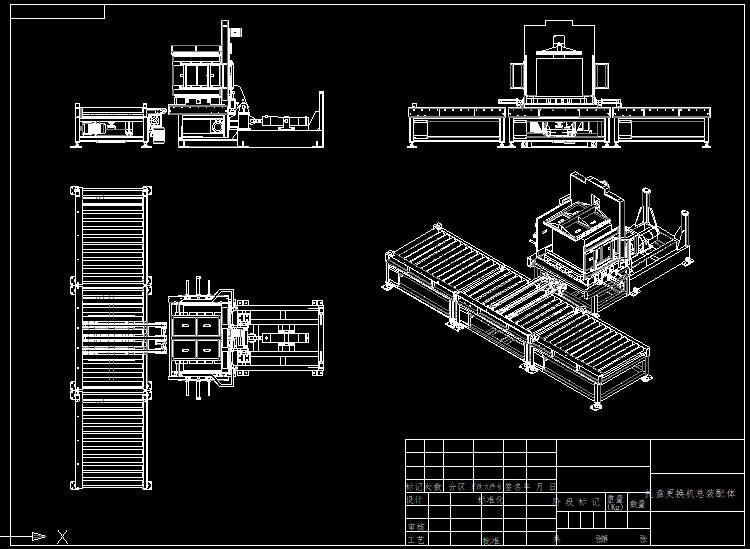
I have seen this firsthand in my years in the packing machine industry. Companies face pressure to ship goods quickly. They also must meet strict regulations. If a shipment arrives on the wrong pallet, it can be rejected. This causes huge costs and delays. The need for flexible and efficient pallet solutions is more important than ever for food exporters.
Understanding the Global Pallet Landscape and Its Impact
The challenge of pallet standardization is not just about size. It involves many factors. Different regions have unique rules for pallet materials, weight capacities, and even how they are treated. For example, the EU favors the 1200x800mm Euro pallet. The US commonly uses the 48×40 inch (1219x1016mm) GMA pallet. These differences might seem small. However, they cause major issues for logistics.
Consider a food exporter shipping dairy products from Spain to the United States. The products leave the factory on Euro pallets. They must then be transferred to GMA pallets for shipping and distribution in the US. This transfer is where many problems occur. Manual transfer is slow and costly. It also puts workers at risk.
My journey in the packing machine industry taught me that true efficiency comes from understanding these specific pain points. When I started FHOPEPACK, I knew we had to focus on practical solutions for real-world problems.
Here is a breakdown of common pallet types and their implications for exporters:
| Pallet Type | Dimensions (mm/inches) | Common Regions | Key Considerations for Food Exporters |
|---|---|---|---|
| Euro Pallet (EUR1) | 1200×800 mm | Europe | Standard for EU distribution, often made of wood. |
| GMA Pallet | 1219×1016 mm (48×40 inches) | North America | Standard for US retail and grocery, typically wood. |
| Plastic Pallets | Various sizes | Global | Hygienic, lightweight, durable, ideal for food industry. |
| Other Regional Pallets | Many variations | Global | Can be specific to certain countries or industries. |
Manual pallet transfer also introduces significant safety risks. Workers might try to lift heavy goods or unstable stacks. This can lead to injuries or damaged products. These issues not only cost money but also hurt worker morale. For food products, hygiene is also critical. Manual handling increases the risk of contamination.
The demand for shorter delivery times further complicates this. E-commerce and retail customers expect faster shipments. Any delay at the pallet changing stage impacts the entire supply chain. This means exporters need a solution that is fast, safe, and reliable. This solution must also adapt to their changing needs.
What features make a pallet inverter ideal for diverse international standards?
Choosing the right pallet inverter is not about buying any machine. It is about investing in a solution that fits your specific needs. Especially for food exporters, the machine must handle various pallet sizes and ensure product integrity. It must also work reliably in a busy warehouse environment.
An ideal pallet inverter for diverse international standards offers adjustable clamping and rotation, handles multiple pallet types (wood, plastic, metal), and has robust construction for heavy loads. Key features include safety sensors, ease of operation, minimal maintenance, and the ability to seamlessly integrate into existing logistics workflows, ensuring quick and safe pallet transfers.
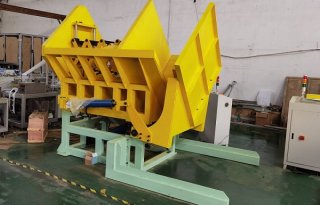
My experience taught me that every customer’s operation is unique. A good pallet inverter should offer flexibility. It should not create more problems than it solves. It needs to be a workhorse, not a source of constant downtime. This is particularly true for food and beverage companies where uptime is critical.
Key Features for Uninterrupted International Pallet Flow
When I talk with clients, I always emphasize specific features. These features truly set a pallet inverter apart. They ensure it can manage the diverse demands of food export.
First, versatility in pallet sizes and types is non-negotiable. A top-tier pallet inverter should handle both EU and US pallet dimensions. It should also work with different pallet materials, such as wood, plastic, or even specialized pallets. This means adjustable clamping plates and a wide operating range. Some products need a 180-degree rotation. Others might require a side-press system for delicate items.
Second, robust construction and reliability are crucial. Warehouses are tough environments. Machines must withstand constant use, heavy loads, and sometimes harsh conditions. This means using high-quality materials and durable components. When I started FHOPEPACK, my goal was to build machines that last. I learned this principle from my own factory experience. Downtime for a food exporter means huge losses. The equipment must simply work, day in and day out.
Third, safety features and ease of use are paramount. Manual pallet transfer is risky. An automated system must eliminate these risks. Look for features like emergency stop buttons, safety guarding, and clear operating instructions. The controls should be intuitive. This means operators can learn them quickly. A machine that is difficult to use will lead to errors and frustration. It can also cause accidents.
Fourth, hygiene and maintenance considerations are vital for food exporters. Machines in food environments must be easy to clean. They must also resist contamination. Look for stainless steel options or food-grade coatings. Easy access for cleaning and maintenance reduces downtime. It also ensures compliance with food safety regulations.
Finally, integration capabilities are important. The pallet inverter should fit seamlessly into your existing warehouse layout. It should connect with conveyors, forklifts, or other automation systems. This creates a smooth workflow. It avoids bottlenecks. This kind of flexibility is what helps my clients grow their businesses. It is not just about selling a machine. It is about providing a solution that truly enhances their entire operation.
How can automated pallet changing transform warehouse safety and efficiency?
Many warehouses still rely on manual labor for pallet changes. This can be a costly and dangerous practice. Workers lift heavy items, risking injury. The process is slow. It creates bottlenecks in the supply chain. This old method holds back many businesses.
Automated pallet changing transforms warehouse safety by eliminating manual lifting and handling, drastically reducing the risk of worker injuries and product damage. It boosts efficiency through faster, consistent pallet transfers, improved throughput, and streamlined operations, leading to significant cost savings and better compliance with delivery schedules.

I have seen the shift in the industry over the years. From my early days as an employee to building my own successful factory, I learned the value of smart automation. It is not just about making things faster. It is about making them safer and more reliable. This is especially true for the physically demanding task of pallet handling.
The Dual Impact: Safety First, Efficiency Always
Implementing automated pallet changers brings two major benefits. These are improved safety and increased efficiency. These two factors are critical for any modern warehouse, particularly for food exporters facing strict deadlines and safety standards.
Improved Safety: This is perhaps the most immediate and impactful change.
- Reduced Physical Strain: Automated systems remove the need for workers to manually lift, tilt, or transfer heavy products. This drastically lowers the risk of back injuries, strains, and other musculoskeletal disorders. I know from talking to many clients that worker safety is a top priority.
- Elimination of Accidents: Manual pallet handling, especially with unstable loads, can lead to goods falling or crushing injuries. Automated pallet inverters secure the load before any movement. This removes these risks. For food products, this also means fewer spills and less contamination risk.
- Compliance with Regulations: Many countries have strict safety regulations for warehouse operations. Automation helps companies meet these standards. It reduces potential fines and legal liabilities. My experience has shown that investing in safety often pays for itself many times over.
Increased Efficiency: Automation directly translates into faster and smoother operations.
- Faster Pallet Transfers: Machines can change pallets in minutes, often seconds. This is much quicker than manual methods. This speed is crucial for meeting tight shipping schedules. For food exporters, rapid turnover prevents product spoilage.
- Consistent Throughput: Automated systems perform tasks with consistent speed and accuracy. This eliminates variations caused by human fatigue or error. It ensures a steady flow of goods. This predictability helps with planning and resource allocation.
- Labor Cost Reduction: While an initial investment is needed, automated systems reduce the reliance on manual labor for high-intensity tasks. This addresses the challenge of labor shortages. It also lowers long-term operational costs. My clients often tell me how much they save on wages and injury compensation.
- Optimized Space Usage: Some pallet inverters can also stack or destack pallets efficiently. This can optimize storage space. It can also improve warehouse layout.
Consider the journey of a pallet. From receiving goods on one type of pallet to shipping them on another, every step adds time and cost. By automating the pallet changing process, warehouses can streamline this critical junction. They can turn a potential bottleneck into a smooth transition point. This holistic approach to efficiency and safety is what I believe truly empowers businesses.
What distinguishes a true partner from a mere pallet inverter vendor?
In business, you often hear the term “partner.” But what does it truly mean, especially when buying equipment like a pallet inverter? Many companies just want to sell you a machine. They do not look at your unique challenges. This approach often leads to dissatisfaction and wasted investment.
A true partner understands your unique warehousing pain points, offers tailored solutions, and provides robust after-sales support and ongoing consultation. They prioritize long-term success over a quick sale, ensuring the pallet inverter not only meets your current needs but also adapts to future challenges, becoming an integral part of your operational improvement.
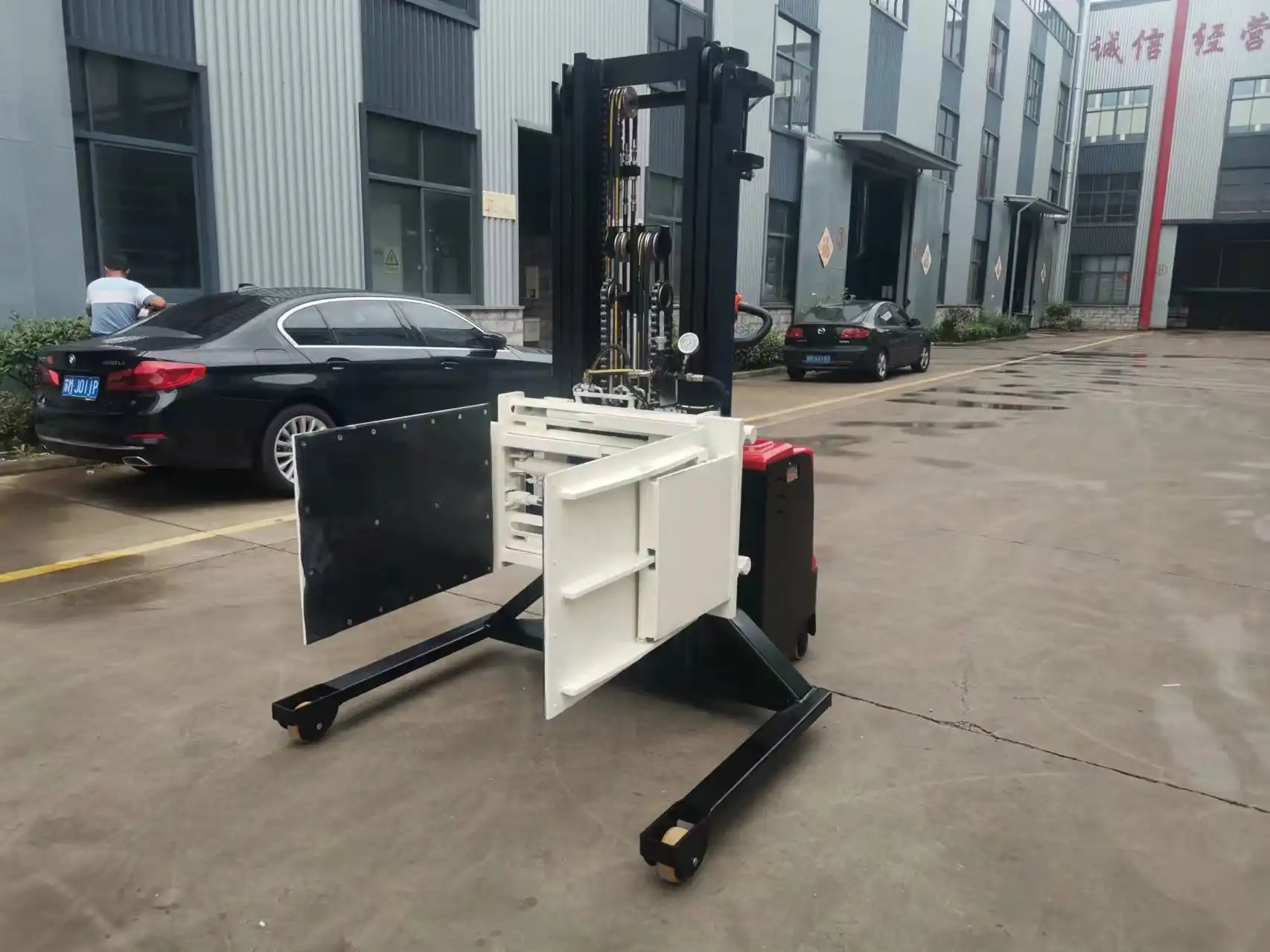
My own journey, from employee to factory owner, taught me this lesson profoundly. I saw many clients struggling. They bought machines that did not quite fit their needs. They lacked proper support. That is why I founded FHOPEPACK. I wanted to be more than just a vendor. I wanted to be a real partner.
Building Relationships Beyond the Sale
Distinguishing a true partner from a simple vendor is critical for long-term success. It is about trust, understanding, and shared goals. Here are the key differences I look for and strive to provide at FHOPEPACK:
- Understanding Your Specific Pain Points: A mere vendor will ask, “Which machine do you want?” A partner will ask, “What are your biggest challenges right now? How do different pallet standards impact your daily operations?” They dig deep. They want to understand your unique problems, such as labor shortages, safety concerns, or specific compliance needs for food exports. My success came from helping clients solve their actual problems, not just selling them equipment.
- Tailored Solutions, Not Just Products: Vendors often have a fixed product catalog. They try to fit your needs into their existing machines. A true partner offers flexible solutions. They might customize a pallet inverter. They might integrate it with your existing conveyor systems. They focus on what truly works for your operation, whether it is a 180-degree inverter or a side-press model. They ensure the solution solves your specific problem, like switching between EU and US pallets for fragile food goods.
- Robust After-Sales Support: The sale is just the beginning. A good partner provides excellent installation, training, and ongoing maintenance. They offer readily available spare parts. They provide quick technical support. If a machine breaks down, you need a responsive team. A vendor might disappear after the invoice is paid. A partner understands that your uptime is their reputation.
- Long-Term Vision and Consultation: A partner wants to see your business grow. They offer advice on future automation plans. They suggest ways to optimize your entire packing and logistics workflow. They stay updated on industry trends. They share insights that can help you adapt and innovate. This is the “knowledge-sharing” aspect of FHOPEPACK’s mission. I believe in giving back the expertise I gained. I help others achieve their own success.
- Proof of Concept and Track Record: A reliable partner has a proven history. They can show successful case studies. They offer references from satisfied clients, especially in your industry (like food and beverage). They are transparent about their capabilities and limitations.
When you choose a partner, you are not just buying a piece of equipment. You are investing in a relationship. You are gaining an expert who is committed to your operational excellence. This commitment goes far beyond the initial purchase. It helps you navigate the complex world of international logistics. It ensures your warehouse remains efficient, safe, and profitable.
Conclusion
Selecting the right pallet inverter is essential for food exporters to meet diverse international standards. By focusing on automation, safety, and a true partnership, businesses can overcome challenges, reduce costs, and ensure compliance for a thriving future.








