
Which pallet inverter design integrates best with conveyors in sorting facilities?
Are you running a busy sorting facility in Europe? Do you constantly face challenges with different pallet sizes, labor shortages, and pressure for faster deliveries? I know these problems well. I have spent years in the packing machine industry. I saw how these issues can slow down your operations. They can also cost you money. I understand the demand for reliable and efficient solutions.
For seamless integration with conveyors in sorting facilities, the inline pallet inverter designs, such as push-pull systems or side-clamp models with 90-degree transfer capabilities, offer the best solution. These designs allow for continuous product flow, minimal manual intervention, and high throughput, which are essential for maintaining efficiency and safety in automated sorting environments.
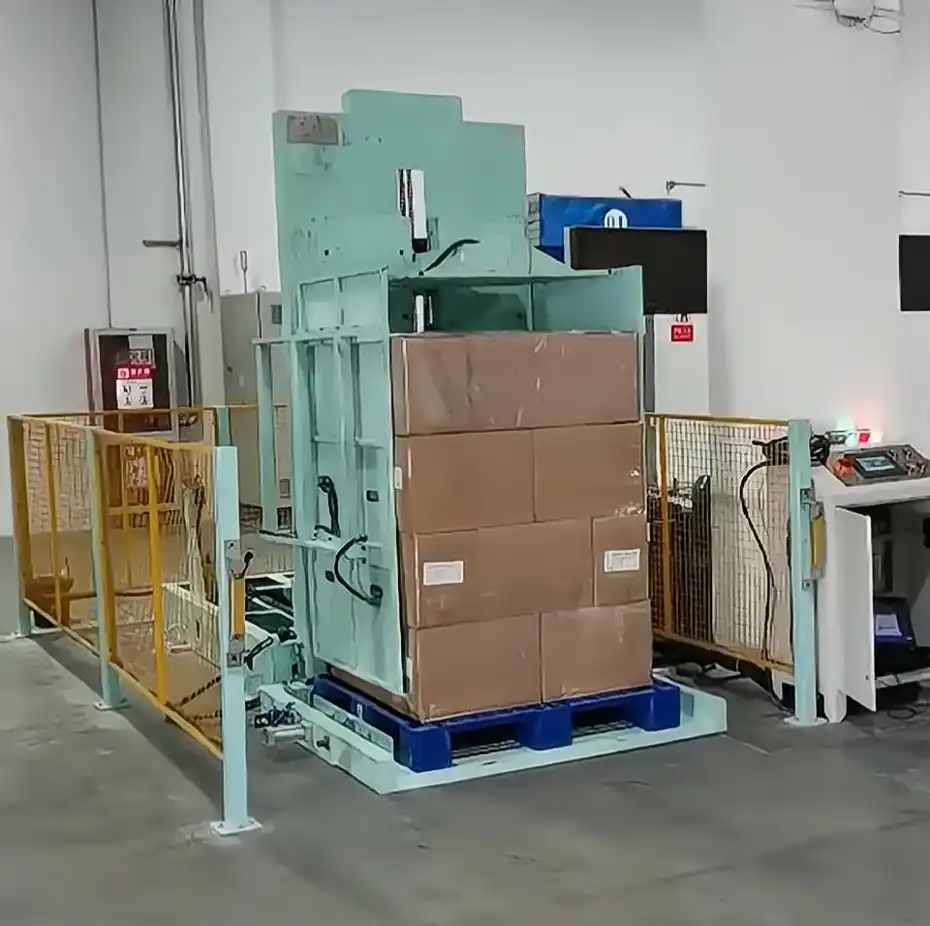
You know efficiency is key in a sorting facility. You also know that getting the right equipment makes a big difference. We will now explore how specific pallet inverter designs can truly become part of your conveyor system. We will see how they improve your entire operation.
Why is seamless integration with conveyors so crucial for sorting facilities?
Imagine your sorting facility as a busy highway. Every pallet is a vehicle. If traffic jams happen, everything slows down. This is what happens when your pallet changing process is not smooth. This creates bottlenecks. These bottlenecks hurt your output and your profits. I have seen this many times.
Seamless integration of pallet inverters with conveyors is crucial for sorting facilities because it ensures continuous material flow, eliminates manual handling bottlenecks, and significantly reduces the risk of errors and accidents. This integration allows for consistent high-volume processing, meeting tight delivery schedules, and maintaining compliance with diverse international pallet standards without interruptions.
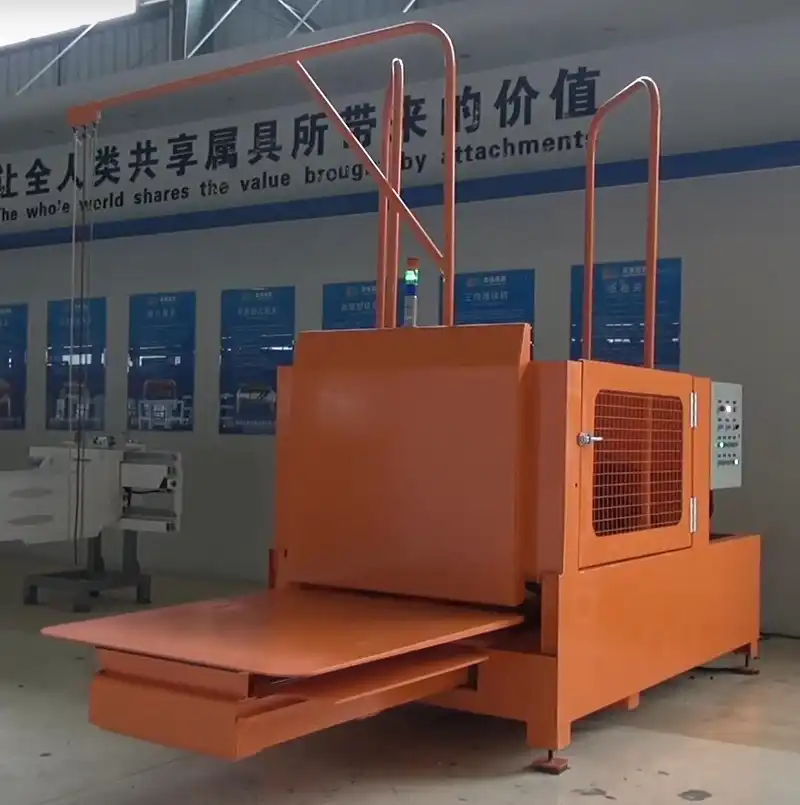
In a modern European sorting facility, speed and accuracy are everything. You handle thousands of pallets daily. Each one moves through a complex system of conveyors. When a pallet needs changing, this creates a potential weak spot. Manual pallet changes stop the flow. They require people to lift heavy loads. This uses up valuable time. It also puts workers at risk. I saw how this impacts businesses. For example, one client in Spain processed food products. They needed to switch from Euro pallets to American pallets for export. Doing this by hand was slow. It caused delays. It also led to frequent worker injuries. This meant higher insurance costs for them. It also caused missed delivery deadlines. The main goal of any sorting facility is to keep things moving. Conveyor systems are designed for this continuous movement. A pallet inverter that does not fit into this flow creates a break. This break is expensive. It costs you money in labor. It costs you money in lost time. It also costs you money in potential fines from customers. Automated integration removes these breaks. It makes the whole process faster. It makes it safer. It also makes it more predictable. This is important for managers like you. You need to meet strict quotas. You also need to keep costs low. You need to keep workers safe. A well-integrated pallet inverter helps achieve all these goals. It becomes a natural part of your workflow. It handles different pallet types without stopping the line. This means your facility runs like a well-oiled machine. It moves goods efficiently from inbound to outbound. It handles specific needs, such as different pallet types required for export to various countries.
- 🚚 Eliminating Bottlenecks:
- Manual pallet changes halt the flow. This stops conveyor lines.
- Integrated systems keep the line moving. This prevents delays.
- Faster throughput means more goods processed per hour. This improves overall efficiency.
- 👷♀️ Improving Safety:
- Manual handling of heavy pallets leads to injuries. This is a common problem.
- Automated pallet inverters remove people from dangerous tasks.
- Fewer accidents mean lower insurance costs. It also means a safer workplace for everyone.
- ⚙️ Boosting Operational Efficiency:
- Automated systems work consistently. They do not get tired. They do not make human errors.
- This leads to predictable cycle times. It allows for better planning.
- Reduced labor needs cut down on operational costs. This helps your bottom line.
- ✅ Ensuring Compliance and Customer Satisfaction:
- Quick and accurate pallet changes ensure goods meet export standards.
- No delays mean happy customers. This means fewer contract penalties.
- It also protects your company’s reputation.
What types of pallet inverters are designed for inline conveyor systems?
When you think about pallet inverters, many designs come to mind. But not all are made for a conveyor line. You need specific types. These types work directly with your existing setup. They keep the flow moving. This is what you need for a sorting facility.
For inline conveyor systems, the most suitable pallet inverter designs include 90-degree transfer pallet changers, push-pull pallet changers, and fully automated side-clamp or top-and-clamp systems. These designs integrate directly into the conveyor line, allowing for continuous, automated pallet transfers without requiring manual handling or disrupting the flow of goods through the sorting facility.
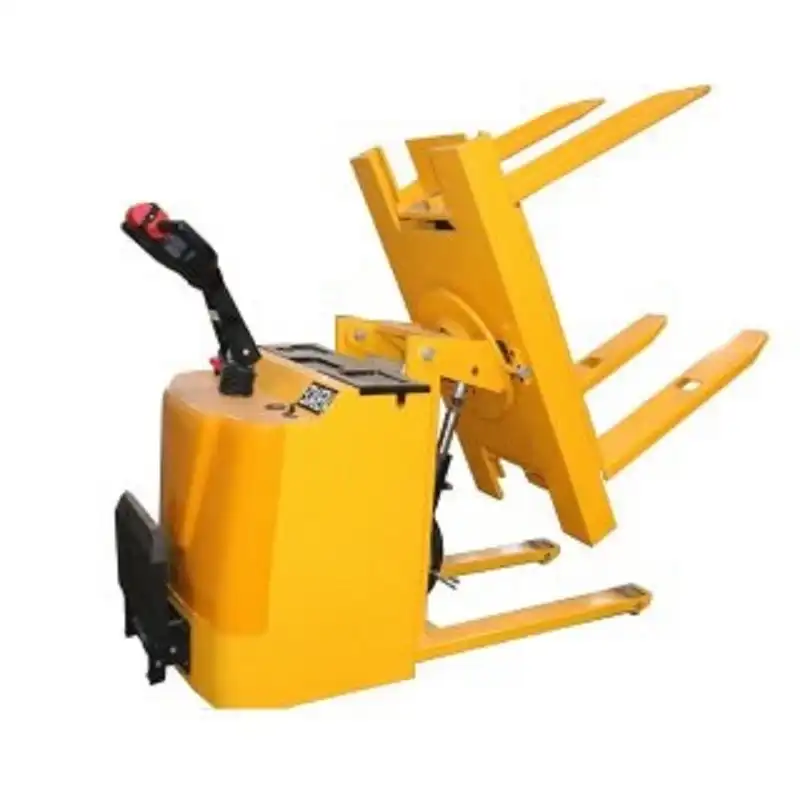
Choosing the right pallet inverter design is critical. It depends on your specific operational needs. For inline conveyor systems, you need a machine that acts like a natural extension of the line. It should not be a separate station where pallets wait. I have helped many clients install systems. I saw what works best. The goal is always to keep the product moving. This means the inverter must accept a pallet from one conveyor. Then it must change the pallet. After that, it must send the pallet to the next conveyor. All of this happens smoothly and quickly. One common type is the 90-degree transfer pallet changer. This machine takes a pallet from a conveyor. It rotates it. Then it transfers it to another conveyor that runs at a right angle. This design is very good for changing product flow direction. It also saves space. Another type is the push-pull pallet changer. This one is often used for frozen goods or fragile items. It slides the load from one pallet to another. This happens without tilting the product. This reduces damage risk. Then there are fully automated side-clamp or top-and-clamp systems. These machines securely hold the load. They invert or transfer it. They do this all automatically. They often come with sensors and controls. These controls ensure perfect alignment with your conveyors. These systems are ideal for high-volume operations. They require very little human input. For example, in a large food distribution center in Germany, we installed an automated side-clamp system. It managed thousands of delicate beverage pallets daily. The system changed pallets from wooden to plastic. It kept the products stable. It also made sure they moved onto the next conveyor without any stops.
- 🔄 90-Degree Transfer Pallet Changers:
- Function: Accepts a pallet from one conveyor. Rotates it 90 degrees. Transfers it to another conveyor.
- Benefits: Space-saving. Good for changing conveyor line direction. High efficiency for continuous flow.
- Ideal for: Facilities with constrained layouts. Those needing to redirect product flow after a pallet change.
- ➡️⬅️ Push-Pull Pallet Changers:
- Function: Uses a push-pull mechanism. Slides the load from an old pallet to a new one. The product stays upright.
- Benefits: Gentle on products. Prevents tilting. Reduces damage.
- Ideal for: Fragile goods. Frozen food. Products that cannot be tilted.
- ⬆️⬇️ Fully Automated Side-Clamp or Top-and-Clamp Systems:
- Function: Clamps the load from the side or top. Inverts it or transfers it. Fully automated.
- Benefits: High speed. High volume. Minimal manual labor. Excellent for diverse pallet types.
- Ideal for: Large distribution centers. Facilities with high throughput requirements. Those needing to switch between Euro, US, or plastic pallets.
- ↔️ Integrated Shuttle Systems:
- Function: The pallet inverter itself moves between different conveyor lines. It picks up and drops off pallets.
- Benefits: Offers flexibility. Can serve multiple lines. Maximizes machine utilization.
- Ideal for: Facilities with varying pallet change demands across different lines.
How do pallet inverters achieve efficient, safe pallet transfer in automated lines?
Efficiency and safety are not just buzzwords. They are critical for your business. In automated lines, every machine must contribute to both. Pallet inverters are no exception. They must perform their job fast. They must also perform it safely. I know how important this balance is.
Pallet inverters achieve efficient and safe transfer in automated lines through precise sensor technology for load detection and positioning, robust mechanical designs for stable handling, and integrated control systems that communicate seamlessly with existing conveyors. They replace hazardous manual lifting, automate the entire change process, and reduce human error, thereby improving both operational speed and workplace safety.
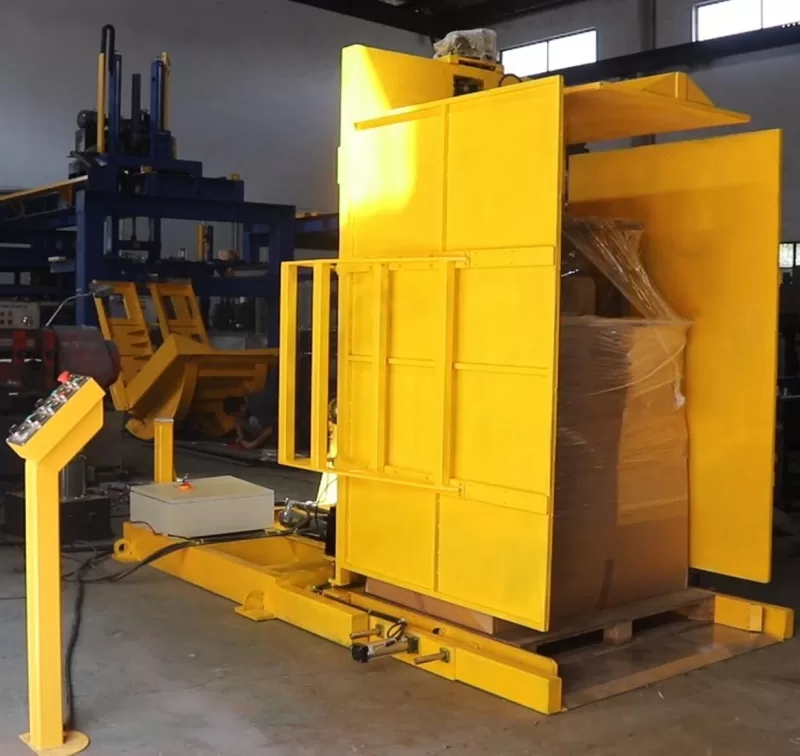
Achieving both efficiency and safety in an automated pallet change process requires smart engineering. It needs careful system design. It is not enough to just buy a machine. You need to understand how it fits into your workflow. As a packing machine engineer, I have focused on these details for years. I have seen how a well-designed system can transform a warehouse. Modern pallet inverters use advanced technology. They have sensors that detect the incoming pallet. These sensors confirm its size and position. This ensures the machine prepares correctly for the load. For example, if a Euro pallet comes in, the machine adjusts its clamps. If a US pallet follows, it adjusts again. This happens automatically. It saves time. It also prevents mistakes. Robust mechanics are also key. The moving parts must be strong. They must be durable. They must handle heavy loads repeatedly. This prevents breakdowns. It ensures long-term reliability. Control systems are the brain of the operation. These systems connect the pallet inverter to your conveyor lines. They talk to each other. When a pallet is ready on the conveyor, the inverter knows it. When the inverter finishes its job, it tells the next conveyor to start. This constant communication keeps the flow smooth. It avoids collisions. It ensures the whole system works as one. This integrated approach replaces risky manual tasks. No more workers flipping heavy pallets. No more back injuries. No more damaged goods from human error. For instance, in a large Spanish logistics hub, we implemented a system. It reduced manual pallet handling by 80%. This cut down on workplace accidents significantly. It also sped up their export packing by 25%. This shows the real impact.
- 👁️ Precision Sensor Technology:
- Function: Uses photo-eyes, proximity sensors, and load cells. Detects pallet presence, size, and load stability.
- Benefits: Ensures correct positioning. Prevents misfeeds. Minimizes damage to goods. Adapts to different pallet types automatically.
- 💪 Robust Mechanical Design:
- Function: Strong frames. Durable clamps. Reliable hydraulics or electric motors. Built for continuous heavy-duty use.
- Benefits: Long operational life. Reduces downtime. Handles high volumes. Ensures stable and secure load transfer.
- 🧠 Integrated Control Systems (PLC & HMI):
- Function: Programmable Logic Controllers (PLCs) manage the sequence of operations. Human-Machine Interfaces (HMIs) allow operators to monitor and control.
- Benefits: Seamless communication with upstream and downstream conveyors. Synchronized operation. Real-time data and diagnostics. Reduces human intervention and error.
- 🛑 Safety Features:
- Function: Light curtains. Emergency stops. Safety interlocks. Guarding. Automatic reset features.
- Benefits: Protects operators from moving parts. Prevents accidents. Complies with safety regulations. Lowers accident rates and associated costs.
- 🤖 Automated Pallet Handling:
- Function: Machines pick up, secure, invert/transfer, and discharge pallets. No manual lifting.
- Benefits: Eliminates ergonomic risks. Reduces labor costs. Increases speed and consistency of operations.
What key features should I look for in a pallet inverter for high-volume sorting operations?
You are looking for a solution, not just a machine. This means you need to know what features truly matter. For high-volume sorting operations, certain aspects are non-negotiable. I have helped many managers choose the right equipment. I know what delivers real value.
For high-volume sorting operations, look for a pallet inverter with robust build quality, high cycle speed, versatile pallet handling capabilities (Euro, US, plastic), advanced safety features, seamless PLC integration with existing conveyor systems, and reliable after-sales support. These features ensure maximum uptime, operational flexibility, and a strong return on investment.
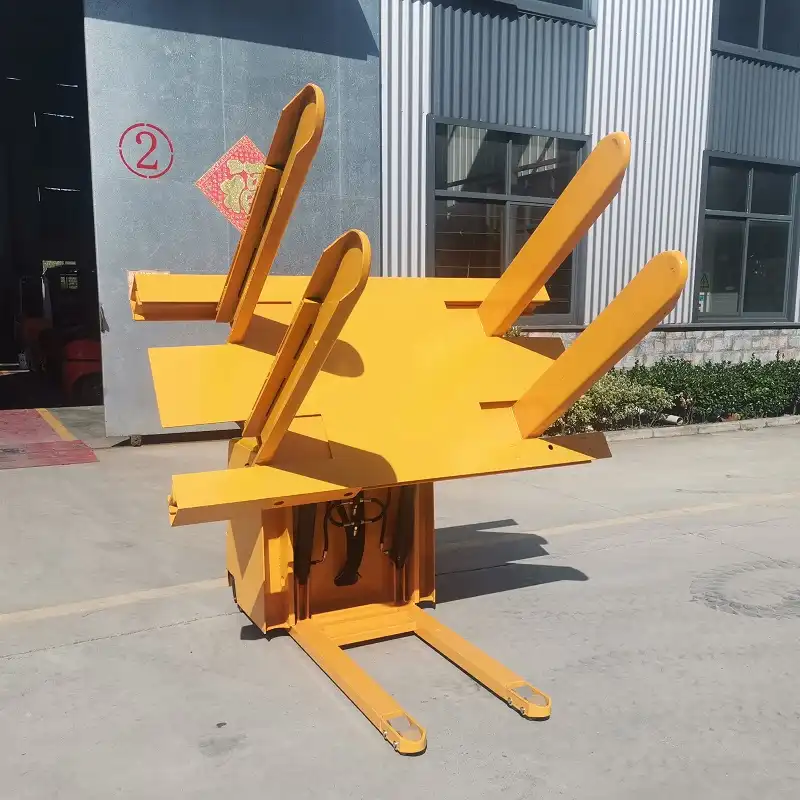
Choosing the right pallet inverter is a big decision. It affects your entire operation. You need to think about more than just the initial price. You need to consider the total cost of ownership. This includes reliability, maintenance, and how well it fits your future needs. I always tell my clients to look for partners, not just vendors. A good partner understands your challenges. They offer solutions that grow with you. First, robustness is key. Your facility runs almost non-stop. The machine must withstand constant use. It must handle heavy loads. Look for strong steel construction. Look for high-quality components. Second, cycle speed and throughput are vital. How many pallet changes can it do per hour? This directly impacts your facility’s overall speed. You need a machine that keeps up with your busiest times. Third, pallet versatility is a must-have. You deal with Euro pallets, US pallets, and plastic pallets. Your inverter must handle all of them without manual adjustments. This saves time and prevents errors. Next, safety features are critical. We discussed this before. It means light curtains, emergency stops, and clear warning signs. It also means proper guarding. This protects your team. It also protects your investment. Fifth, seamless integration capabilities with your existing PLC and conveyor systems are essential. The machine must communicate with your other equipment. It must fit into your automated line without problems. Finally, consider the supplier’s reputation and support. What kind of warranty do they offer? Do they have spare parts readily available? Do they offer quick technical support? I have seen good machines fail because of poor support. This is why FHOPEPACK focuses on being a long-term partner. We provide the expertise you need. We help you make the best choice. This ensures your investment pays off for years.
- 🛠️ High Build Quality and Durability:
- Description: Machine built with heavy-duty materials. Uses reliable components (motors, cylinders, sensors). Designed for 24/7 industrial operation.
- Benefit for Carlos: Reduces breakdowns and unplanned downtime. Ensures long machine life. Lowers maintenance costs over time.
- Impact: Consistent operation, avoids production halts.
- ⚡ High Cycle Speed and Throughput:
- Description: Capability to perform many pallet changes per hour. Optimized for quick load/unload cycles.
- Benefit for Carlos: Meets high volume demands. Speeds up overall sorting process. Reduces backlogs.
- Impact: Increased output, faster customer deliveries.
- 🌍 Versatile Pallet Handling:
- Description: Can handle different pallet sizes (e.g., Euro 1200x800mm, US 48×40 inch). Can also handle various materials (wood, plastic). May have adjustable clamps.
- Benefit for Carlos: Accommodates diverse export requirements. Reduces need for multiple machines. Provides flexibility.
- Impact: Compliance, broader market reach without operational hurdles.
- 🛡️ Advanced Safety Systems:
- Description: Includes safety light curtains, emergency stop buttons, interlocks on access points, and overload protection. Meets European safety standards (CE).
- Benefit for Carlos: Protects employees from injury. Reduces insurance liabilities. Ensures regulatory compliance.
- Impact: Safer workplace, reduced legal and financial risks.
- 🔗 Seamless Integration (PLC & SCADA Compatibility):
- Description: Easily connects with existing warehouse management systems (WMS) and conveyor line PLCs. Offers data feedback.
- Benefit for Carlos: Smooth automation. Centralized control. Real-time performance monitoring.
- Impact: Optimized workflow, data-driven decisions.
- 🤝 Reliable After-Sales Support and Spare Parts:
- Description: Vendor offers quick technical assistance. Has a good supply of spare parts. Provides training and maintenance services.
- Benefit for Carlos: Minimizes downtime if issues arise. Ensures continuous operation. Protects investment.
- Impact: Peace of mind, long-term operational success.
Conclusion
Choosing the right pallet inverter is vital for conveyor-based sorting facilities. Focus on integrated designs, advanced safety, and strong support to boost your efficiency, reduce costs, and keep your operations running smoothly. Make sure you partner with someone who truly understands your needs.








