
Which Orbital Wrapping Machine Option Offers Best ROI in Saudi Building Sector?
The Saudi building sector is booming. Construction projects are everywhere. But many companies face a big problem: their packing processes are slow and dangerous. Manual packing means high labor costs, frequent product damage, and serious safety risks for workers. This slows down production and eats into profits, making it hard to keep up with demand and maintain a competitive edge.
When we talk about the best return on investment (ROI) for an orbital wrapping machine in the Saudi building sector, the most effective option is often a heavy-duty, customized horizontal orbital wrapper designed for long, bulky products like pipes, profiles, and timber. These machines provide superior load securement, significantly reduce labor costs and material waste, and drastically improve workplace safety, leading to a quick and substantial ROI for the sector’s specific needs.

You might be wondering, how do you really identify that “best option” among so many choices? And what does “ROI” truly mean in the context of packing machines? Stick with me. My journey, starting as an employee and then building FHOPEPACK into a successful packing machine factory, taught me a lot about making smart investments. I want to share that knowledge so you can make informed decisions. We will explore the key factors that drive real value.
What Challenges Does the Saudi Building Sector Face in Packing?
Imagine a busy construction site in Saudi Arabia. Raw materials like steel profiles, aluminum extrusions, and timber beams arrive daily. The next step is often to move and pack these long, heavy items. Many factories still use manual methods. This creates a huge bottleneck. It slows down the entire operation, leading to missed deadlines and unhappy clients.
The Saudi building sector, like many heavy industries, grapples with inefficient, labor-intensive packing processes for long and bulky materials, leading to high operational costs, significant safety hazards for workers handling heavy loads, and increased risk of product damage during transit and storage, all of which negatively impact profitability and project timelines.
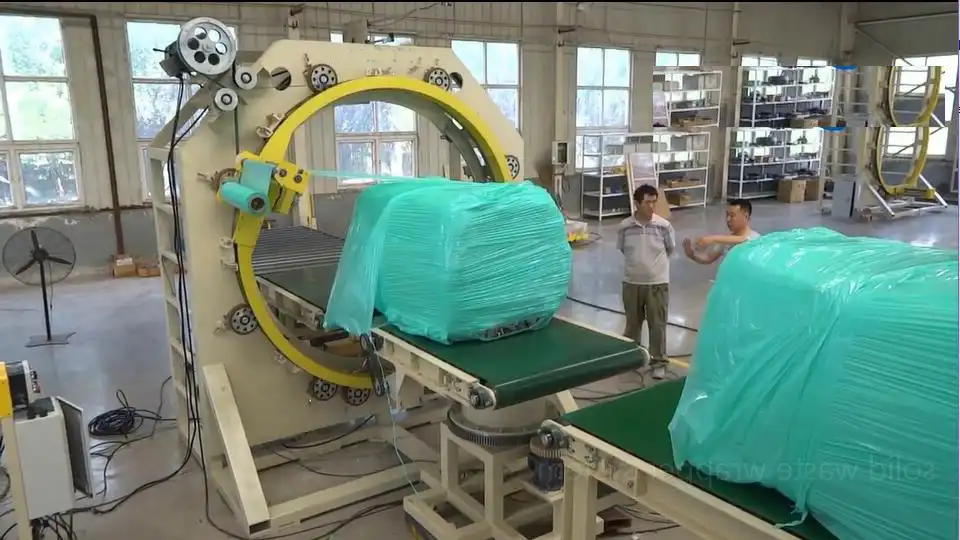
From my early days in the packing machine industry, I saw these challenges firsthand. I remember the struggles of moving and packing large, awkward items. It was not just slow; it was dangerous. Workers often injured their backs or hands trying to secure these heavy products. This meant more sick days, higher insurance costs, and a constant need to train new staff. For the Saudi building sector, the types of materials—long pipes, wide panels, heavy bundles of rebar—exacerbate these issues. They are not just heavy; they are also prone to damage if not handled and packed correctly. Scratched surfaces, bent edges, or loose bundles can lead to rejection by clients, causing costly reworks or total losses. Furthermore, the harsh environment in Saudi Arabia, with its high temperatures and sometimes dusty conditions, demands robust packing solutions that can protect products during transport and storage from corrosion or environmental damage. This also means choosing machines that can withstand such conditions. The problem is not just about moving products; it is about protecting your investment, your workforce, and your reputation. Any solution must address all these interconnected issues.
Key Packing Challenges in the Saudi Building Sector:
- Manual Labor Dependence:
- Problem: High reliance on manual labor for packing long, heavy construction materials.
- Impact: Slow processing speeds, increased operational costs due to wages and benefits, and inconsistency in package quality.
- Randal’s Insight: When I was running my factory, I saw how much time and money we lost on manual tasks. Automating these steps was key to scaling up.
- Significant Safety Risks:
- Problem: Workers are exposed to high risks of injury when handling bulky and heavy items.
- Impact: Frequent workplace accidents, higher insurance premiums, increased worker turnover, and potential legal liabilities.
- Randal’s Insight: Safety was always a top priority for me. No amount of profit is worth a worker’s injury. Automated systems dramatically reduce this risk.
- Product Damage During Handling and Transit:
- Problem: Construction materials like steel coils or pipes get scratched, dented, or bent during internal transfer and packing.
- Impact: Customer complaints, product rejections, costly reworks, and loss of profit and customer trust.
- Randal’s Insight: Damaged goods are wasted money. A good packing machine protects the product, ensuring it reaches the customer in perfect condition.
- Inefficient Use of Packing Materials:
- Problem: Manual packing often leads to excessive or insufficient use of wrapping materials.
- Impact: Higher material costs due to waste, or inadequate protection leading to product damage.
- Randal’s Insight: Optimizing material use is a hidden cost-saver. Automated systems use just the right amount.
- Logistical Bottlenecks:
- Problem: Slow packing processes create bottlenecks at the end of the production line.
- Impact: Delays in product dispatch, reduced overall production capacity, and difficulties in meeting tight project deadlines.
- Randal’s Insight: The packing line should never be the slowest part of your factory. It needs to keep pace with production.








