
Which orbital stretch wrapper ensures export safety for Qatar’s building panels?
For many factory managers, the thought of shipping valuable products overseas brings a specific kind of stress. You put so much effort into making high-quality building panels. Then, the entire journey to a place like Qatar, with its strict import standards and long transport routes, becomes a real test. What happens if your carefully made panels get damaged during transit? What if customs holds them up because of poor packaging? This is a problem many face, leading to lost money, unhappy customers, and a lot of headaches.
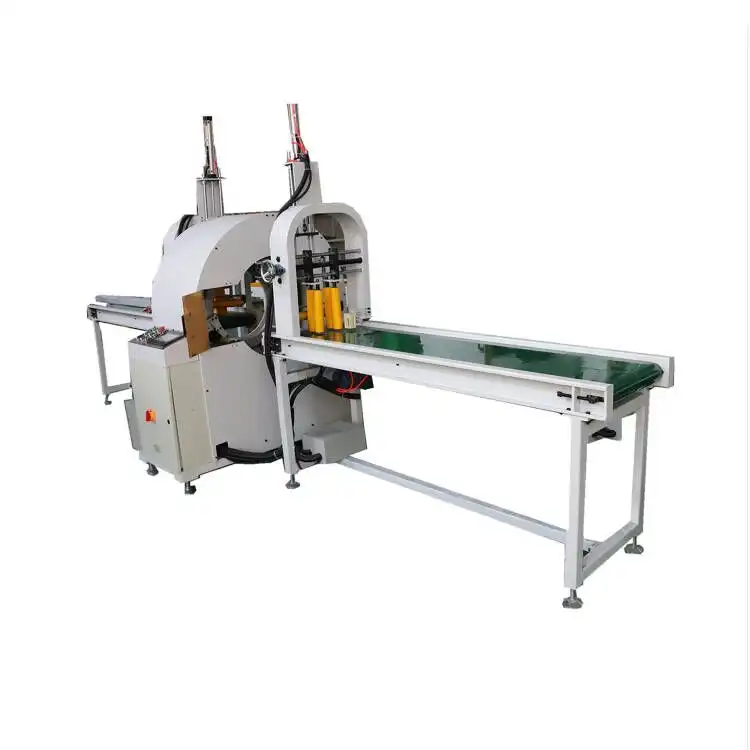
The best orbital stretch wrapper for ensuring export safety for Qatar’s building panels is one that combines robust wrapping tension, excellent waterproofing capabilities, and full perimeter protection, specifically designed for long, flat, or irregular loads. Machines like FHOPEPACK’s advanced horizontal orbital wrappers, featuring automatic film clamping and cutting, variable tension control, and options for enhanced sealing, provide the consistent, durable wrap needed to withstand the rigors of international shipping to demanding markets like Qatar, safeguarding product integrity against moisture, dust, and physical impact.
You are not alone in facing these challenges. I have seen countless factories struggle with the final, critical step of packaging for export. The right equipment makes all the difference. Let’s dive deeper into how we can solve these packing problems together, ensuring your building panels arrive in Qatar just as perfect as they left your factory.
Why is specific protection crucial for building panels exported to Qatar?
Imagine you are shipping thousands of square meters of high-value building panels. They need to travel across oceans, be loaded and unloaded multiple times, and endure different climates. What if they arrive with scuffed edges, water damage, or even structural issues? This is a common problem. For a demanding market like Qatar, quality is not just good to have; it is expected. If your products show up damaged, it hurts your brand. It also costs you money in returns, claims, and lost future business.
Specific protection is crucial for building panels exported to Qatar because these products are often large, heavy, and susceptible to various forms of transit damage, including moisture, dust, and impact, across long shipping routes. Qatar’s market, known for its high construction standards and often warm, humid climate, demands that imported materials arrive in pristine condition, making robust, tailored packaging solutions, such as those provided by a high-quality orbital stretch wrapper, essential for maintaining product integrity and meeting client expectations.
From my years of experience building packing machine factories, I know that overlooking packaging quality for export is a mistake no factory manager can afford. The journey itself is a series of potential dangers. Think about it: a ship sailing through rough seas, containers sitting in humid ports, forklifts moving pallets around. Each step can harm unprotected panels. Michael, I have seen factories lose major clients simply because their products arrived looking less than perfect. Investing in specialized protection is not an expense; it is a shield for your reputation and your profit margins. It stops customer complaints before they even start. It also helps you meet strict international shipping rules, which are critical for smooth customs clearance.
- Environmental Risks:
- Moisture Damage: Panels can warp, delaminate, or suffer aesthetic damage from humidity and rain during transit or storage. Standard wrapping may not be enough. Advanced orbital wrappers can apply multiple layers and use special films that resist water. This is vital for humid climates in transit and in Qatar.
- Dust and Dirt: Open-air storage or dusty ports can leave panels dirty. This requires extra cleaning at the destination, costing time and money. A full, tight wrap from an orbital machine keeps out almost all particles.
- UV Exposure: Long journeys can expose panels to strong sunlight. This can degrade certain materials over time. Using UV-resistant film with an orbital wrapper adds another layer of protection.
- Physical Risks:
- Scratches and Abrasions: Panels rubbing against each other or against the container walls cause surface damage. A thick, multi-layered stretch wrap creates a protective barrier.
- Edge and Corner Impact: These are the most vulnerable parts. Manual wrapping often leaves gaps or uneven protection. Orbital wrappers provide consistent overlap and tension around all sides, including edges. This greatly reduces impact damage.
- Movement within Container: Panels can shift during transport if not properly secured, leading to internal damage. The tight, cohesive wrap from an orbital machine bundles the panels tightly. This stops them from moving, keeping the load stable and intact.
- Logistical Challenges:
- Handling and Loading: Repeated loading and unloading at different points (trucks, ships, warehouses) increases damage risk. Robust wrapping makes the entire package more durable and easier to handle safely.
- Customs and Inspections: Well-packaged goods show professionalism. This can speed up customs processes. Poor packaging can cause delays and further inspections. It might even lead to rejection.








