
How Can Coil Wrapping Machines Reduce Transport Damage for Plastic Coils in Indonesia?
Have you ever opened a shipment, only to find your valuable plastic coils scratched, dented, or warped? For factory managers like myself, or like Michael in Mexico, dealing with damaged goods is more than just a minor inconvenience. It means lost production time, wasted materials, and unhappy customers. In a competitive market like Indonesia, every single coil arriving in perfect condition directly impacts your bottom line and your reputation. The journey from your factory floor to the customer’s site can be rough, and unprotected plastic coils are especially vulnerable to the elements and handling mishaps. This vulnerability costs businesses a lot, not just in repairs or replacements, but also in lost trust.
Coil wrapping machines significantly reduce transport damage for plastic coils in Indonesia by creating a robust, multi-layered protective barrier around each coil, shielding them from moisture, dust, impacts, and abrasion during transit and storage. These automated systems ensure consistent, high-quality wrapping that manual methods simply cannot match, leading to fewer defects and higher customer satisfaction.
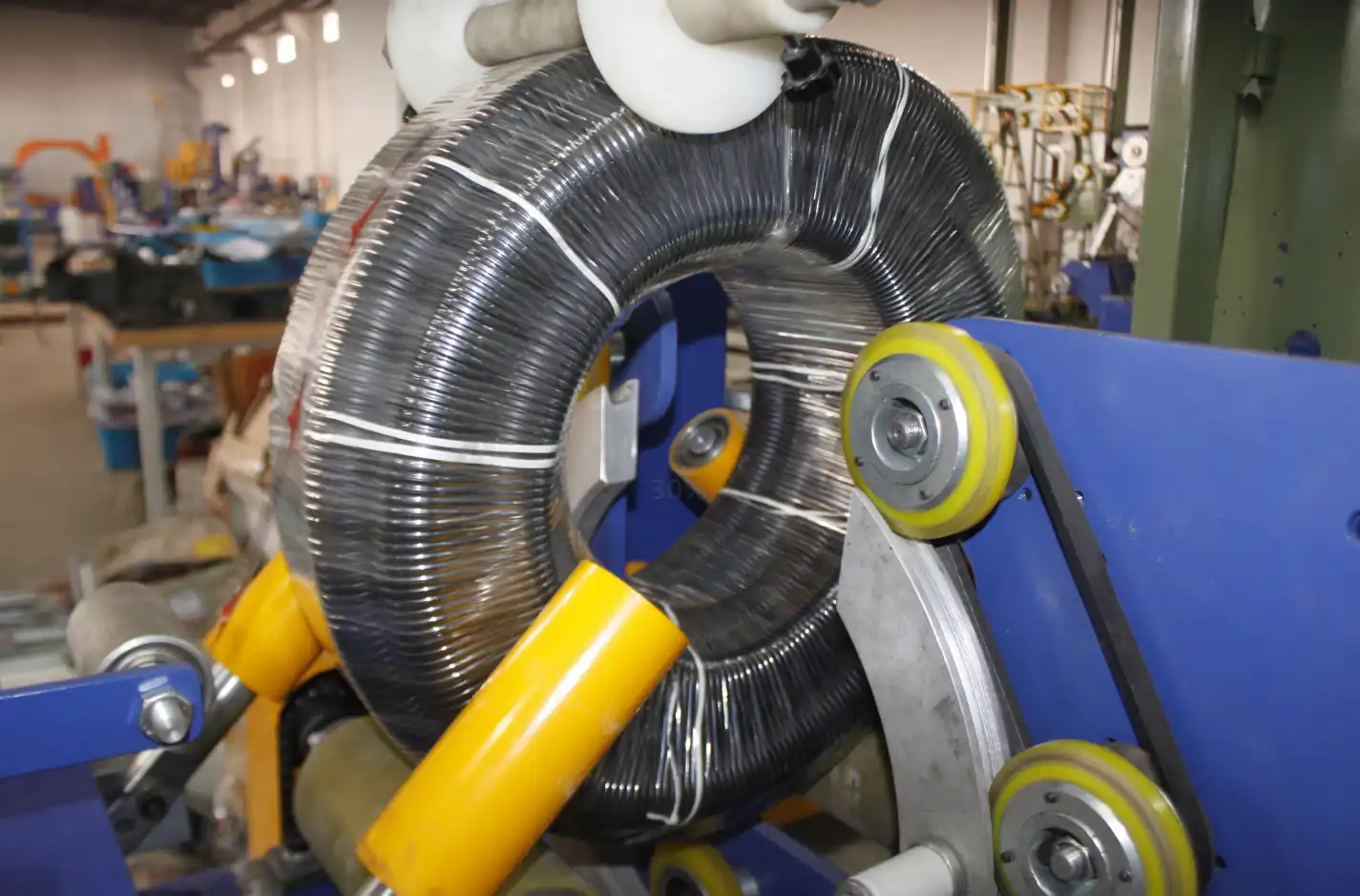
I have seen firsthand the challenges factories face in getting their products to market without damage. From my own journey, starting as an employee and then building my own successful packing machine factory, I learned that the right equipment can make all the difference. It is about more than just buying a machine. It is about finding a solution that truly solves your pain points. Let us dive deeper into how coil wrapping machines can be that game-changing solution for plastic coil manufacturers in Indonesia.
1. Why is transport damage a critical concern for plastic coils in Indonesia?
Do you know the real cost of a single damaged plastic coil? It extends far beyond the material itself, impacting production schedules, customer relationships, and overall profitability. In Indonesia, the challenge of safe transportation is particularly pronounced due to various geographical and logistical factors that often exacerbate the risk of damage. This makes robust packaging not just an option, but a necessity.
Transport damage is a critical concern for plastic coils in Indonesia because the country’s extensive archipelago, varied infrastructure, and humid climate expose coils to significant risks from rough handling, extended transit times, and environmental degradation, directly leading to increased costs, production delays, and customer dissatisfaction.
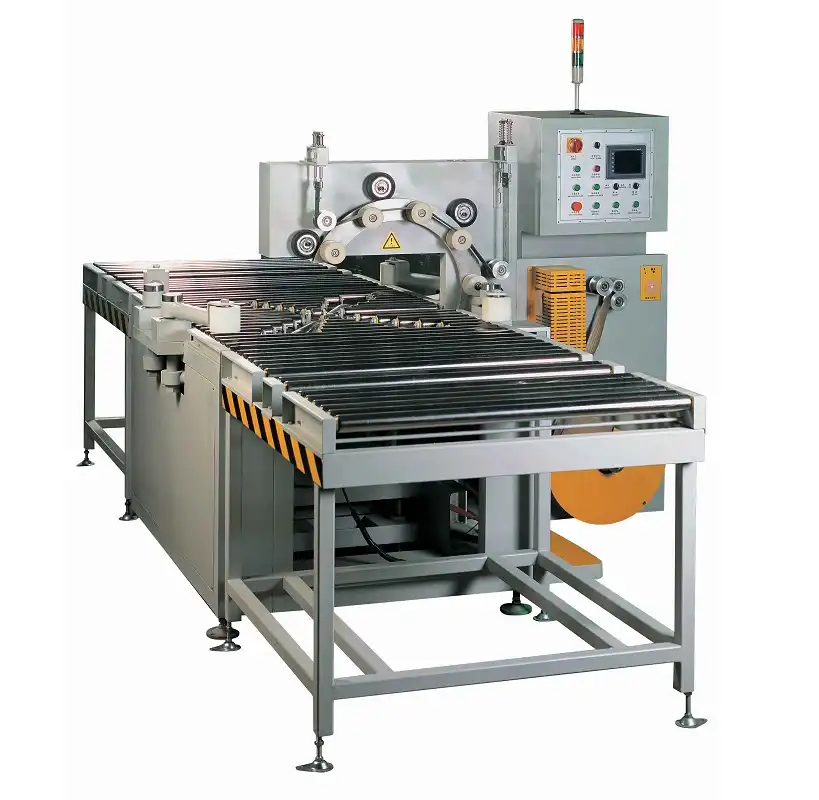
When I was first building my packing machine factory, I quickly realized that many of my clients, especially those dealing with sensitive materials like plastic coils, faced similar headaches. They told me stories of coils arriving at their destinations with scratches, scuffs, or even moisture damage. These issues, while seemingly minor, accumulated into significant losses. Indonesia’s geography, with its thousands of islands, means that coils often undergo multiple transfers, long sea voyages, and truck journeys over diverse road conditions. Each leg of this journey presents a new opportunity for damage. The intense humidity and heat also contribute to material degradation, especially for certain types of plastic. Without proper protection, plastic coils can deform, fade, or absorb moisture, reducing their quality and value. Manufacturers need to consider the entire supply chain, from the moment a coil leaves the production line until it reaches the end-user. Ignoring these transport risks is a direct path to higher operational costs and a tarnished reputation. This is why a proactive approach to packaging, one that understands and mitigates these specific Indonesian challenges, is so crucial. It is about safeguarding your product and your business against foreseeable risks.
The Indonesian Logistics Landscape: Unique Challenges for Coils
Indonesia’s vast geography presents unique hurdles for manufacturers. Coils often travel across islands, meaning they endure multiple loading and unloading cycles between trucks, ferries, and even smaller boats. Each transfer increases the chance of a dropped coil or a collision. Road conditions can be uneven, causing vibrations and shifts during transit. Sea travel exposes cargo to salt spray and high humidity. These factors put immense stress on packaging.
Economic Impact of Damaged Goods: Beyond Repair Costs
The cost of damage goes far beyond simply replacing a coil. It includes the labor for repacking, the time lost in reshipping, and potential penalties for late delivery. More importantly, it erodes customer trust. A client who consistently receives damaged goods will eventually look for another supplier. This loss of reputation and market share can be far more damaging than the initial material cost.
Specific Vulnerabilities of Plastic Coils in Transit
Plastic coils, while durable in some respects, are particularly prone to surface damage. Scratches, scuffs, and impact marks are common. Prolonged exposure to direct sunlight can lead to discoloration or material weakening. Humidity can cause condensation inside packaging, affecting certain plastic types. Without a proper protective layer, these vulnerabilities become critical failure points during transport. I learned early on that understanding the material’s weaknesses is key to designing effective protection.
2. How do coil wrapping machines provide superior protection for plastic coils?
Are you still relying on manual wrapping methods, hoping for the best when your plastic coils leave the factory? Many businesses do, often underestimating the protective power of modern coil wrapping machines. These machines are not just about speed; they are about consistency and creating an impenetrable shield for your products. This shift from manual effort to automated precision is what truly elevates protection.
Coil wrapping machines provide superior protection for plastic coils by applying stretch film with consistent tension and overlap, creating a tightly bound, waterproof, and dustproof barrier that manual methods cannot replicate. This engineered wrap secures the coil’s structure, prevents unraveling, and absorbs minor impacts, effectively safeguarding the plastic surface from scratches, moisture, and debris during its entire journey.
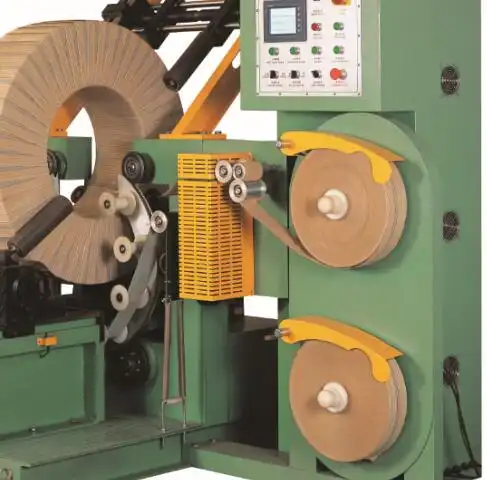
I remember when we first started integrating automated wrapping into our own factory’s processes. The difference was immediate and significant. Before, manual wrapping was inconsistent. One worker might wrap tighter than another. Some areas might have less overlap, leaving gaps. With a machine, that variability vanished. The core principle behind a coil wrapping machine’s effectiveness lies in its ability to apply stretch film under precise, controlled tension. This ensures that each layer adheres tightly to the previous one and to the coil itself, forming a robust, multi-directional barrier. Think of it like a perfectly tailored second skin for your product. The film stretches around the coil, conforming to its shape, and holding it firmly in place. This prevents the individual windings from shifting or unraveling, which is a common cause of damage during transit. Moreover, the overlapping layers create a highly effective seal against environmental factors. Dust, dirt, and moisture are blocked out, protecting the plastic surface from contamination or degradation. This is particularly vital in places like Indonesia, where high humidity and varying weather conditions are standard. The outer layers also provide a degree of shock absorption, reducing the impact of minor bumps and scrapes that are inevitable during handling and transportation. This level of consistent, engineered protection is simply not achievable with manual wrapping, which is often prone to human error and fatigue.
The Science Behind Effective Wrapping: Tension and Overlap
The effectiveness of machine wrapping comes from controlled variables. Machines apply stretch film with consistent tension, which compresses the coil slightly, making it more stable. They also ensure a precise overlap percentage between film layers, typically 50% or more. This overlap creates a strong, continuous barrier. Without proper tension and overlap, the wrap can loosen, allowing the coil to shift or be exposed to contaminants.
Different Wrapping Techniques for Optimal Protection
There are several types of wrapping machines, but for coils, orbital wrapping (also known as horizontal wrapping) is often ideal. This method involves the film dispenser rotating around the coil as the coil passes through. This creates a crisscross pattern that provides comprehensive, 360-degree protection. Other methods like vertical stretch wrapping are also used, but the key is to choose a machine designed for the specific geometry and handling requirements of coils to ensure full coverage.
Automation vs. Manual: A Clear Advantage in Consistency and Quality
| Feature | Manual Coil Wrapping | Automated Coil Wrapping Machine |
|---|---|---|
| Consistency | Highly variable, depends on operator skill and fatigue | Extremely consistent, uniform tension and overlap |
| Protection | Gaps, loose wraps, uneven coverage are common risks | Seamless, multi-layered barrier, excellent dust/moisture seal |
| Speed | Slow, labor-intensive | Fast, high throughput, continuous operation |
| Material Use | Often wasteful due to inconsistencies or over-wrapping | Optimized film usage, less waste |
| Worker Safety | Risk of back strain, repetitive motion injuries | Minimal human interaction with heavy loads, greatly improved |
| Productivity | Limited by human pace | High, predictable output |
| ROI | High hidden costs from damage, labor, and inefficiency | Clear, measurable savings in labor, materials, and damage |
This table clearly illustrates why automated wrapping is a superior solution. The consistency alone eliminates many of the risks associated with manual processes, leading to a much higher quality of protection.
3. What are the key operational and financial advantages for Indonesian businesses?
Are you constantly battling high labor costs, inefficient processes, and the nagging worry of product damage impacting your profitability? For factory managers in Indonesia, these challenges are real and demand practical solutions. Implementing coil wrapping machines goes far beyond merely preventing damage; it unlocks a cascade of operational and financial benefits that can truly transform a business.
For Indonesian businesses, coil wrapping machines offer key operational advantages by dramatically increasing packing speed and consistency, and financial advantages through significant reductions in labor costs, material waste, and product damage, leading to improved overall efficiency, enhanced worker safety, and a stronger competitive position in the market.
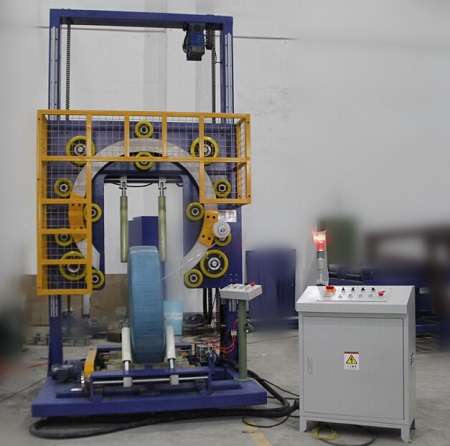
When I started FHOPEPACK, my goal was always to help clients grow their businesses. Many of them, like Michael Chen, were struggling with the same issues: efficiency bottlenecks, safety risks, and product loss. I’ve witnessed firsthand how a well-chosen packing machine can directly address these. For instance, one client in Southeast Asia, dealing with similar logistics challenges as Indonesia, managed to cut their packing labor by 70% and reduce product damage complaints by over 90% within the first year of adopting an automated coil wrapper. This kind of impact is not just about saving money; it is about freeing up resources, improving workflow, and boosting morale. By automating the coil wrapping process, businesses can redirect their skilled labor to more value-added tasks, instead of repetitive, physically demanding packing. The consistency of machine wrapping also means less wasted film due to poor application and fewer rejected shipments due to subpar packaging. This directly translates into a healthier bottom line. Furthermore, reducing manual handling of heavy coils significantly improves workplace safety, cutting down on injury risks and associated insurance costs—a major concern for any factory manager. These combined benefits contribute to a strong return on investment, making coil wrapping machines a strategic asset for growth in the Indonesian market.
Boosting Throughput and Efficiency: Faster Packing, More Output
Manual coil wrapping is slow and labor-intensive. An automated coil wrapping machine can complete a wrap cycle in minutes, sometimes even seconds, depending on the coil size and desired wrap layers. This drastically speeds up the end-of-line packing process, eliminating bottlenecks and allowing for higher overall production throughput. More coils can be packed and shipped in the same amount of time, directly increasing sales potential.
Significant Cost Reductions: Labor, Materials, and Reworks
- Reduced Labor Costs: One machine operator can manage what used to require multiple manual laborers. This leads to substantial savings in wages and benefits.
- Optimized Material Use: Machines apply film with precision, using only the necessary amount. This minimizes stretch film waste, which can be a significant ongoing cost.
- Decreased Product Damage: Fewer damaged coils mean fewer reworks, replacements, and customer complaints. Each reduction in damage directly saves money on materials, labor, and shipping.
- Lower Insurance Premiums: A safer workplace with fewer injuries due to manual handling can lead to reduced insurance costs over time.
Enhancing Worker Safety: A Paramount Concern
One of the most immediate and impactful benefits, especially for heavy industries, is improved worker safety. Manually handling and wrapping large, heavy coils poses significant risks of back injuries, strains, and crush accidents. Coil wrapping machines automate the most dangerous parts of this process, moving the heavy lifting and repetitive wrapping tasks away from human hands. This creates a safer working environment, reduces worker fatigue, and ultimately leads to a happier, healthier workforce.
Elevating Brand Reputation and Customer Satisfaction
When customers consistently receive plastic coils that are perfectly protected and undamaged, their satisfaction increases. This builds trust and strengthens your brand’s reputation as a reliable and quality supplier. In competitive markets like Indonesia, a strong reputation is invaluable and can lead to repeat business and positive referrals. This intangible asset often brings the highest long-term returns.
4. How can you select the ideal coil wrapping machine for your factory needs?
Are you considering investing in a coil wrapping machine but feel overwhelmed by the options available? Choosing the right machine is a critical decision that impacts your factory’s efficiency, safety, and long-term profitability. It is not just about finding the cheapest option; it is about finding the solution that perfectly matches your specific operational needs and provides the best return on your investment.
To select the ideal coil wrapping machine for your factory needs, carefully assess your plastic coil specifications (size, weight, material), production volume, and desired level of automation, then prioritize suppliers who offer robust after-sales support, reliable parts, and deep industry expertise, ensuring the machine integrates seamlessly and performs effectively within your Indonesian operational environment.
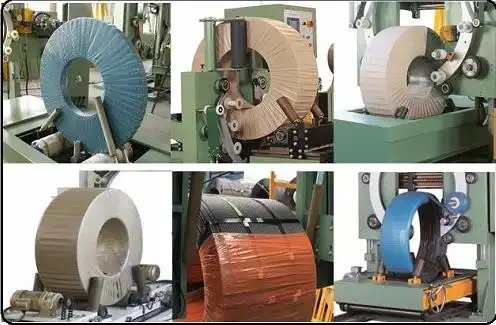
Based on my extensive experience, both as a factory employee and then as an owner, I have learned that the best investments come from thorough planning and choosing the right partner. I helped many clients successfully integrate these machines. You need to consider several key factors to ensure you make an informed decision. First, understand your product. Plastic coils come in various sizes, weights, and material compositions. A machine designed for small, light coils might not handle large, heavy ones, or vice versa. The type of plastic might also influence the film choice. Second, look at your current production volume and your future growth projections. A semi-automatic machine might suffice for lower volumes, but a fully automatic system will be essential for high-throughput operations. This directly impacts your labor allocation and overall efficiency. Third, consider your factory environment. Is it dusty? Humid? These factors affect the durability of the machine and the integrity of the packaging. Finally, and perhaps most critically, evaluate the supplier. Michael Chen had past issues with suppliers who focused only on sales. I built FHOPEPACK on the principle of partnership. You need a supplier who understands your unique challenges, can offer expert guidance during selection, and provides excellent after-sales service and spare parts support. This ensures your investment continues to pay off long after the initial purchase, minimizing downtime and maximizing productivity.
Assessing Your Coil Specifications: Size, Weight, and Material Type
Before looking at any machine, you must know your coils.
- Diameter and Width: Measure the range of outer and inner diameters, as well as the width of your plastic coils. Machines have specific ranges they can handle.
- Weight: Coil weight dictates the machine’s structural requirements and the power of its rotation system. Heavy coils need robust machines.
- Plastic Type: Different plastics might have varying surface characteristics that affect film adhesion or require specific handling to avoid scratches.
Matching Machine Type to Production Volume: Manual, Semi-Auto, Full-Auto
Your production volume is a key driver for machine choice.
- Manual Assist Wrappers: Good for very low volume or specialized coils. Requires significant operator involvement.
- Semi-Automatic Wrappers: Common choice for medium volumes. Operator loads/unloads, machine wraps automatically. Offers a balance of cost and efficiency.
- Fully Automatic Wrappers: Best for high-volume, continuous production lines. Integrates seamlessly, handles loading, wrapping, cutting, and sometimes even conveying without manual intervention. Offers maximum efficiency and consistency.
Considering Environmental Factors and Operational Integration
Think about where the machine will operate.
- Factory Layout: Does your space allow for the machine’s footprint and material flow?
- Power Requirements: Ensure your electrical infrastructure can support the machine.
- Environmental Conditions: If your factory in Indonesia has high humidity, ensure the machine is built with materials and components that can withstand such conditions. This includes the electronic controls and mechanical parts.
The Importance of After-Sales Support and Supplier Expertise
This is where many businesses make mistakes. A machine is an investment, and like any investment, it needs ongoing support. Look for a supplier who offers:
- Comprehensive Warranty: Protects your investment against defects.
- Spare Parts Availability: Crucial for minimizing downtime. Fast access to parts means quick repairs.
- Technical Support: Knowledgeable technicians who can troubleshoot issues and provide guidance.
- Installation and Training: Proper setup and operator training ensure optimal machine performance from day one. A true partner, like FHOPEPACK, will be there to support you through the entire lifecycle of your machine, ensuring it consistently delivers value.
Conclusion
Coil wrapping machines are a vital investment for Indonesian plastic coil manufacturers, drastically reducing transport damage, boosting operational efficiency, and enhancing safety. By selecting the right machine and a reliable partner, businesses can achieve significant cost savings and elevate customer satisfaction, ensuring long-term growth and success.








