
Which Orbital Stretch Wrapper Balances Cost, Speed, and Protection for Russian Exporters?
Many Russian exporters face a tough challenge. They need to pack heavy, oddly shaped products like steel coils, pipes, or wire bundles. Manual packing is slow, expensive, and dangerous. Product damage during transit also causes major headaches. This affects their bottom line and their reputation.
Finding the right orbital stretch wrapper is key for Russian exporters to balance cost, speed, and protection for their heavy goods. These machines offer a robust solution by automating the wrapping process, drastically reducing labor needs, boosting throughput, and providing superior product protection from damage and environmental factors. They deliver a strong return on investment by cutting operational costs and improving product quality for the export market.
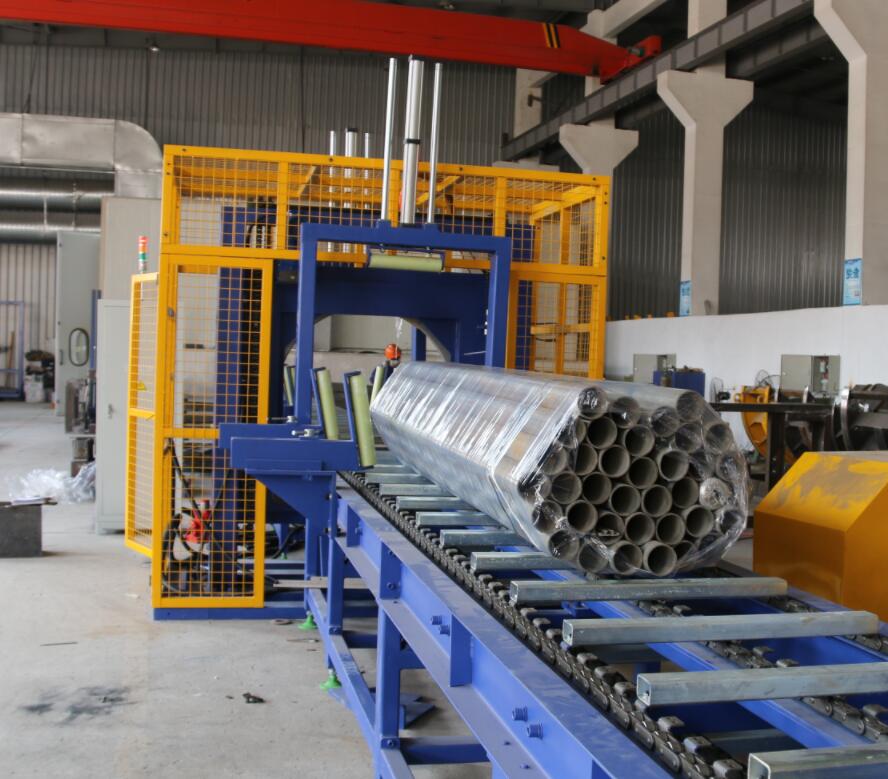
Understanding the right machine for your specific needs can feel like a complex puzzle. But it does not have to be. Let us break down what really matters when you look for packing solutions.
What Challenges Do Russian Exporters Face in Packing Steel and Wire Products?
Many Russian factories, just like others I have seen around the world, struggle with their packing lines. They are often stuck with slow, manual methods. This leads to big problems. It hurts their production speed and makes their workers less safe.
Russian exporters often deal with inefficient manual packing, high labor costs, significant product damage during handling and transit, and safety risks for workers handling heavy items like steel coils or wire bundles. These issues create bottlenecks, drive up insurance costs, and lead to customer complaints, all of which reduce profitability and competitive edge in the global market.

From my early days in the packing machine industry, I saw these exact problems firsthand. When I was just starting as an employee at a packing machine factory, it became clear how much time and money were lost due to old-fashioned packing. Later, when I built my own factory, I made sure to avoid these pitfalls. Many clients I have helped, especially those dealing with heavy metal products, share similar stories. They tell me about the constant pressure to increase output while keeping costs down and ensuring safety. Manual packing of heavy steel coils or bundles of wire, for example, is incredibly labor-intensive. It requires several workers, takes a long time, and exposes people to serious injury risks. Think about the strain of lifting and moving heavy items. This not only slows down production but also leads to high insurance costs and workers leaving the job. I have seen factories where a single product drop or edge dent can mean a rejected shipment. This causes huge losses. In one case, a client was losing almost 5% of their product to damage during internal transfer alone. This added up to thousands of dollars every month. They had to find a better way. This pushed me to focus on solutions that tackle these very real problems head-on. They need equipment that is tough. It must handle heavy loads. It also must perform reliably day after day in harsh factory settings.
| Challenge | Impact on Business |
|---|---|
| Slow Manual Processes | Reduced output, missed deadlines, higher labor costs |
| High Labor Costs & Risks | Increased overheads, worker injuries, high insurance |
| Product Damage | Customer complaints, returns, lost revenue, bad reputation |
| Inconsistent Packaging | Poor presentation, increased transit risks |
| Lack of Supplier Trust | Hesitation to invest, reliance on outdated methods |
How Do Orbital Wrappers Improve Packing Speed and Efficiency for Heavy Goods?
Is your current packing line a bottleneck? Are you struggling to keep up with production demands? Many factories face this exact issue. Slow packing directly impacts your delivery times and overall output.
Orbital stretch wrappers drastically improve packing speed and efficiency for heavy goods by automating the wrapping process, allowing for continuous operation around the product. This method eliminates the slow, labor-intensive steps of manual wrapping, leading to significantly higher throughput, consistent package quality, and better utilization of labor. It transforms packing from a bottleneck into a smooth, integrated part of the production line.

I remember visiting a factory years ago. They were producing steel pipes at an incredible rate. But their packing area was a mess. Workers were running around, manually wrapping each pipe. It was chaotic and incredibly slow. The pipes would pile up, waiting to be wrapped. This caused a huge bottleneck that slowed down their entire operation. This is why orbital wrappers are such a game-changer. An orbital wrapper spins a roll of stretch film around a product as it moves through a horizontal ring. This means it can wrap long items like pipes, profiles, or even large bundles of wire continuously. It does not need to stop and start. The machine works fast. It applies multiple layers of film in seconds. This is much faster than any human can do it. For example, a worker might take several minutes to hand-wrap a single large steel coil. An orbital wrapper can do it in less than a minute. This massive increase in speed means products move off the line faster. They get ready for shipping quicker. It also frees up your workers. They can focus on other important tasks, not just tiring, repetitive wrapping. This improves labor utilization. It also makes your whole factory more productive. When I first started FHOPEPACK, one of our main goals was to help businesses like this factory overcome their packing bottlenecks. We worked on designing machines that were not just fast but also robust and reliable. We wanted them to integrate seamlessly into existing production lines. This allows companies to increase their output without needing more space or more people for packing.
| Feature | Benefit for Speed & Efficiency |
|---|---|
| Continuous Wrapping | Eliminates stops, allows constant product flow, increases throughput |
| Automated Process | Reduces manual labor time, minimizes human error, frees up workers |
| High Speed Operation | Applies film layers rapidly, significantly faster than manual methods |
| Consistent Tension | Ensures uniform wrap, reduces reworks, improves package stability |
| Integrated Systems | Links with conveyors, optimizes overall line flow, reduces handling |
Can Orbital Wrapping Truly Protect Products and Workers from Damage?
Product damage during handling and shipping is a real worry for many businesses. It leads to unhappy customers and financial losses. Beyond that, the safety of your workers should always be a top priority. Manual handling of heavy products poses serious injury risks.
Yes, orbital wrapping truly protects both products and workers from damage. It achieves superior product protection by creating a fully encapsulated, tightly secured package that shields against moisture, dust, and impact during transit. For workers, it drastically reduces the need for manual handling of heavy or awkward items, eliminating bending, lifting, and repetitive strain injuries, thereby creating a much safer work environment.
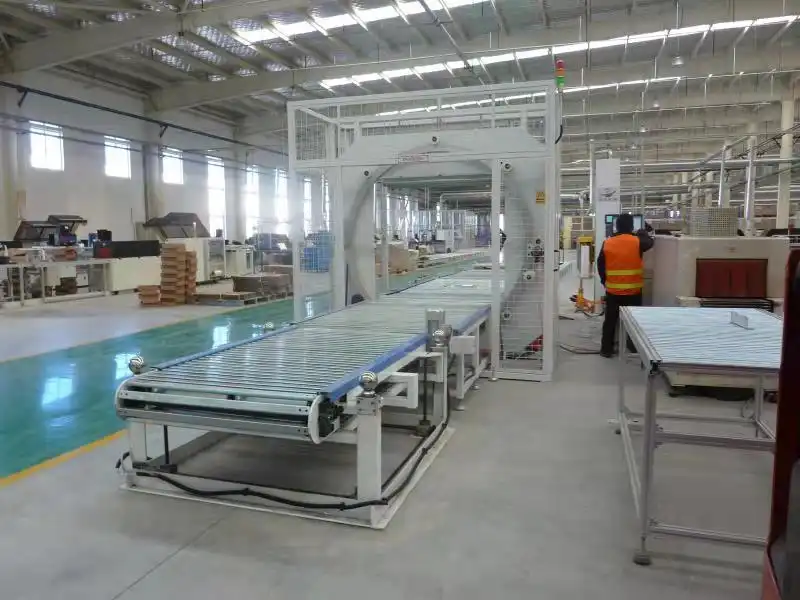
I have seen the pain of product damage. Many years ago, a client called me in distress. They shipped expensive rolled carpets. Almost 10% of their shipments arrived with scuffed edges or tears. This happened because of poor packing. They used simple, loose wraps that did not protect the product. When you use an orbital wrapper, it applies stretch film under consistent tension. This creates a tight, protective layer around the entire product. It covers all surfaces. This uniform tension ensures the film does not shift. It keeps the product stable. This acts like a tough skin. It guards against dust, moisture, and minor impacts during transport. Think about large steel coils. Their edges are very vulnerable to nicks and dents. An orbital wrapper can apply multiple layers of film. This gives extra cushioning where it is most needed. This means fewer damaged goods. This results in happier customers. It also means fewer returns and claims.
Beyond product safety, worker safety is paramount. I have always believed that a good factory protects its people. Manual packing of heavy items is one of the most dangerous jobs. Workers bend, lift, and twist. They handle awkward, heavy objects. This causes back injuries, muscle strains, and even crush injuries. Michael Chen, a factory manager I know, faced huge challenges with worker safety. His teams were manually flipping heavy steel molds and moving large products. This led to high injury rates and rising insurance costs. An orbital wrapper changes this. It uses automation to do the heavy lifting and wrapping. Workers simply load the product onto a conveyor or turntable. The machine does the rest. This drastically reduces the need for manual handling. It removes the most dangerous tasks. This means fewer injuries. It results in a safer workplace. It also reduces your company’s liability and insurance costs. My goal at FHOPEPACK has always been to make factories safer and more productive. Orbital wrappers are a perfect example of how the right machine can achieve both.
| Aspect of Protection | Benefit of Orbital Wrapping |
|---|---|
| Product Integrity | Full encapsulation, shields from dust, moisture, scratches, impacts |
| Stability in Transit | Tight film layers secure load, prevent shifting, reduce damage |
| Edge Protection | Multiple film layers provide cushioning for vulnerable edges |
| Reduced Manual Handling | Automation minimizes worker interaction with heavy items |
| Ergonomic Benefits | Eliminates bending, lifting, and repetitive motions for workers |
| Lower Injury Risk | Drastically decreases strain, sprains, and crush injuries for staff |
What Factors Should Russian Exporters Consider for a Cost-Effective Orbital Wrapper Investment? (My Insights)
Are you worried about the upfront cost of new equipment? Many factory managers are. They have been burned by suppliers who promise a lot but deliver little. They want to make sure their investment actually pays off.
For a cost-effective orbital wrapper investment, Russian exporters must look beyond the initial price and consider the total cost of ownership, including durability, maintenance, and the long-term return on investment (ROI). They should prioritize machines that are robust, highly customizable to their specific product range (like coils or pipes), and crucially, supported by a trustworthy supplier offering excellent after-sales service and expert guidance. This ensures the equipment not only solves immediate problems but also drives sustained business growth.
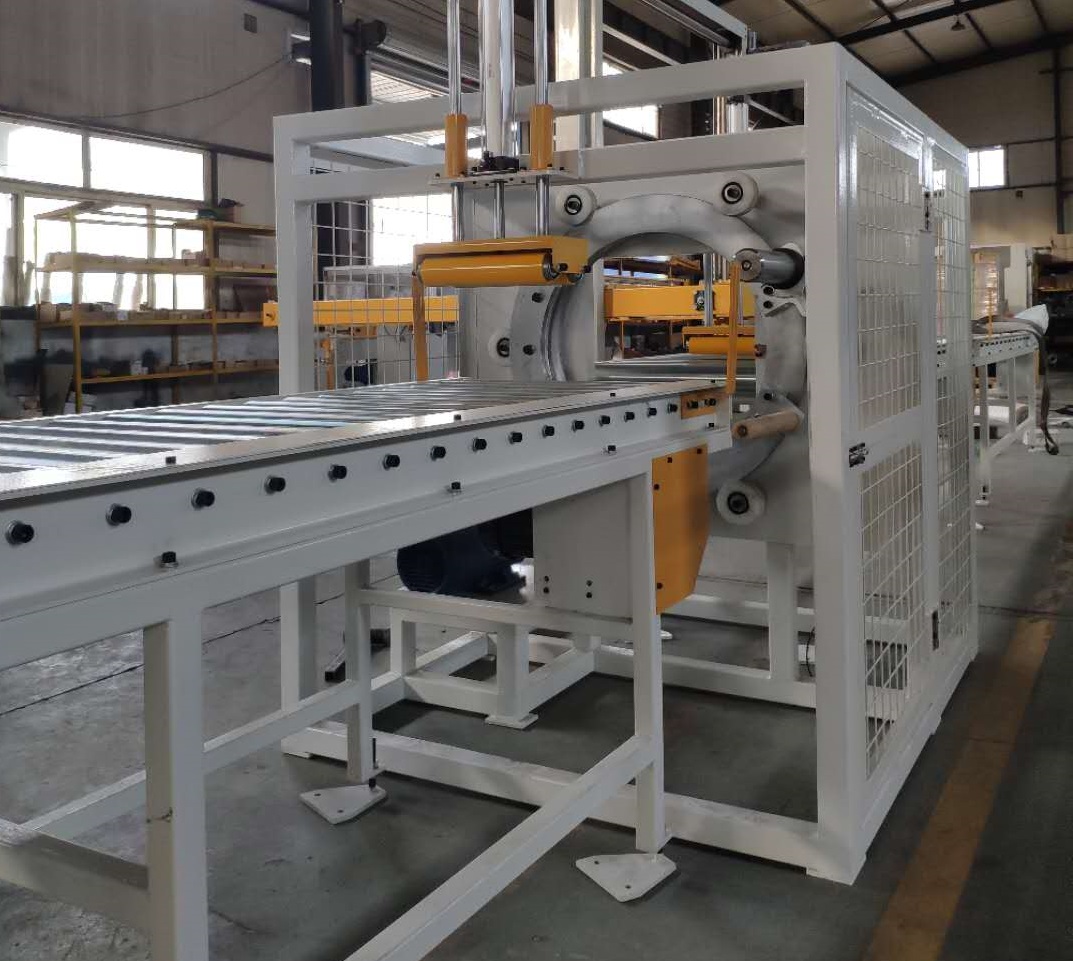
When I started FHOPEPACK, I knew the industry had a problem. Many suppliers only cared about making a sale. They did not care about what happened after the machine left their factory. This led to a lot of unhappy customers. Michael Chen, the factory manager I mentioned, had this exact experience. He trusted a supplier. The supplier sold him equipment that broke down often. Then they disappeared when he needed support. This left Michael feeling very cautious about new investments. My personal journey in the packing machine industry taught me that success is not just about making a good machine. It is about being a true partner. It is about understanding the client’s business, their specific problems, and their long-term goals.
For Russian exporters, or any business, choosing an orbital wrapper is a strategic investment. Do not just look at the price tag. Look at the total cost of ownership. This includes the machine’s durability. How long will it last? Can it handle your specific environment? Your factory might be tough. It might have dust or heavy loads. You need a machine built to withstand that. You also need to consider maintenance. Is it easy to maintain? Are spare parts readily available? A cheap machine that constantly breaks down will cost you far more in lost production and repair bills.
I always tell my clients, “The best machine is one that makes you money for years to come.” This means looking for a high ROI. An orbital wrapper saves on labor costs. It reduces product damage. It also speeds up your operations. You must calculate how quickly these savings will pay back your investment. More importantly, choose a supplier who stands by their product. They must offer excellent after-sales service. They must provide training and technical support. They must be available when you need them. This is where my own experience comes in. I built my factory from the ground up. I know the challenges of production, maintenance, and growth. I believe in sharing that knowledge. I want to help you pick the right solution. I want to ensure it works for you for years. This is the core of FHOPEPACK’s mission. We are not just selling machines. We are building partnerships and helping businesses like yours thrive.
Conclusion
Orbital stretch wrappers boost packing speed, cut costs, and improve safety for Russian exporters. Choose a durable machine and a supportive partner for long-term success.








