
Horizontal Orbital Wrapper Power: Can It Run at 575/600V, 60 Hz on Your Existing MCCs?
Running a factory like Michael’s, you know that production bottlenecks and unexpected downtime are massive headaches. You work hard to keep your lines moving, but manual packing is slow. It creates safety risks. Your current equipment might not be reliable. You might wonder if new, efficient packing machines, like a horizontal orbital wrapper, will even fit into your existing electrical system. Specifically, if your plant uses 575/600V, 60 Hz power, can you integrate a modern machine without a complete electrical overhaul?
Yes, a horizontal orbital wrapper can absolutely run on 575/600V, 60 Hz power. Many modern packing machines are designed with flexibility in mind. They can be manufactured or configured to match various industrial power standards, including the 575/600V, 60 Hz system common in many North American industrial settings. This means you can integrate new, automated packing solutions into your existing Motor Control Centers (MCCs) with proper planning and the right machine specifications.
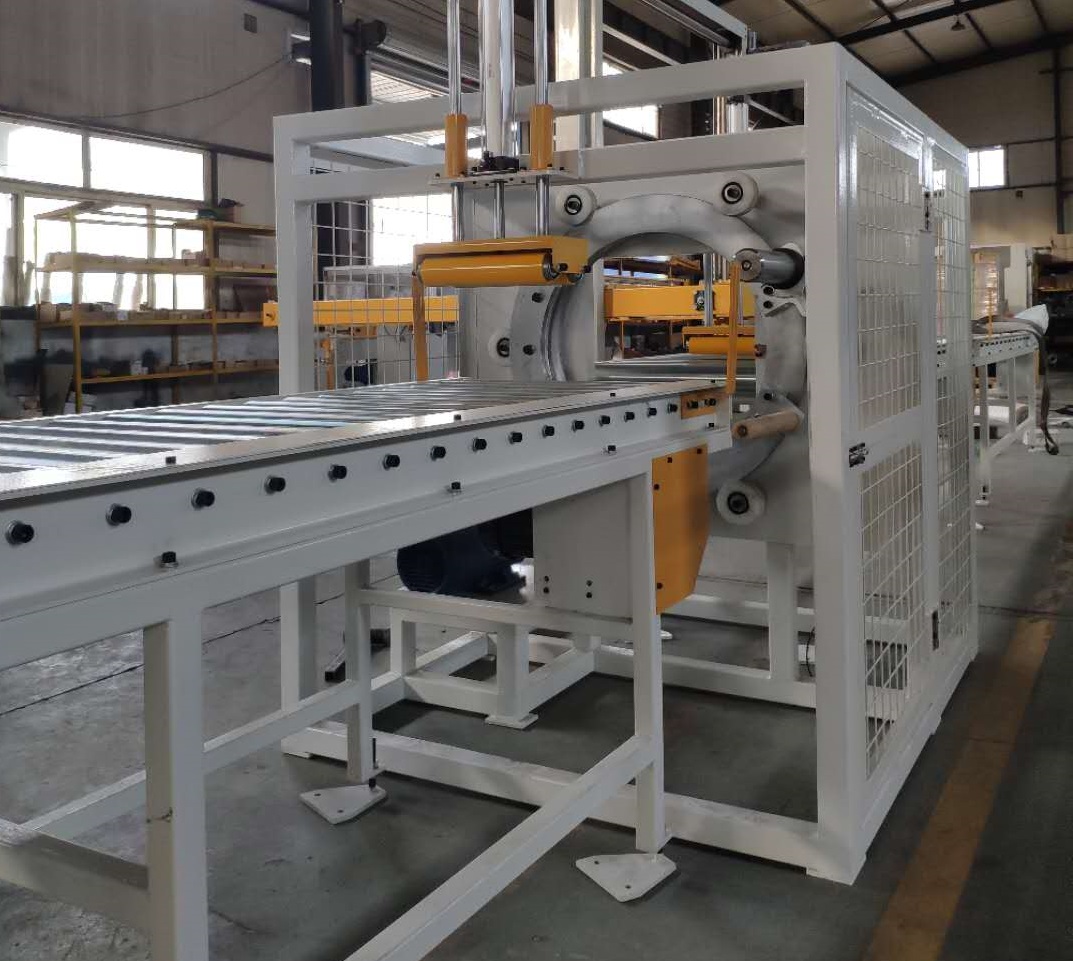
Choosing new equipment is a big decision. It is not just about the machine itself. It is also about how it fits into your entire operation. This includes your electrical setup. Let us dive deeper into power compatibility. We will see why it matters and how you can make sure your next investment powers your growth, not causes more problems.
Why is Power Compatibility Crucial for Your Packing Machine?
Have you ever brought in new equipment only to face unexpected electrical issues? It can mean costly delays. It can mean hiring more electricians. It can stop your production line dead. For managers like Michael, every minute of downtime means lost money and missed deadlines. This kind of problem is frustrating.
Power compatibility is crucial because it directly impacts your machine’s performance, reliability, and lifespan. A mismatch in voltage or frequency can lead to motor damage, frequent electrical trips, and reduced machine efficiency. Making sure your new horizontal orbital wrapper matches your plant’s power supply prevents these costly issues, saves energy, and ensures smooth, continuous operation.

Let us break this down. When you buy a new packing machine, its motor and controls are built for a specific electrical input. If the power supply from your plant does not match, you will have problems. Imagine trying to power a 120V appliance with a 240V outlet. You know it will not work right. The same idea applies to industrial machines, but on a much bigger scale.
Here is why it is so important:
Machine Performance and Efficiency
- Correct Speed and Torque: Motors run at their designed speed and power only when they get the correct voltage and frequency. If the voltage is too low, the motor can lose power. It might overheat. If the voltage is too high, it can burn out. This means your wrapper will not pack at its best speed. It will not wrap coils as tightly as it should. This directly affects your production numbers.
- Reduced Downtime: Machines designed for specific power inputs run more smoothly. They have fewer electrical faults. This means less unexpected downtime. For Michael, less downtime equals more production. It means fewer late shipments. It makes his job easier.
- Energy Consumption: A machine running on the wrong power might use more energy than it needs. This wastes electricity. It adds to your operating costs. In my own factory, I always focused on energy efficiency. It is a small thing. But it adds up over time. It can impact your bottom line.
Safety and Compliance
- Preventing Electrical Hazards: Mismatched power can lead to overheating wires or components. This creates a fire risk. It can also damage the machine’s internal parts. Safety is paramount in any factory. Michael knows this well. Worker safety is not something to compromise on.
- Meeting Regulations: Electrical systems must meet local safety standards. Installing equipment that does not match your power can put you out of compliance. This can lead to fines. It can even shut down your operations. It is a risk you do not want to take.
- Worker Safety: Manual handling of heavy steel coils or wire creates a high risk of injury. An automated wrapper improves safety by reducing this manual work. But if the wrapper itself has electrical issues, it can create new dangers. So, making sure the power is right protects your workers. It also protects your investment.
Cost Implications
- Avoiding Costly Modifications: If your new machine needs special transformers or other power conditioning equipment, it adds to the cost. It adds to installation time. It creates more complexity. You want a machine that is plug-and-play, as much as possible.
- Lower Maintenance Costs: Machines running on proper power experience less wear and tear on electrical components. This means fewer breakdowns. It means lower maintenance costs over the machine’s life. Think about how much you spend on repairs. Proper power can cut those costs significantly.
- Warranty Issues: Many manufacturers will void a warranty if the equipment is not operated under specified power conditions. This leaves you exposed if something goes wrong. Always check the machine’s power requirements. Make sure they match your facility.
When I started my own packing machine factory, I saw many companies make this mistake. They would buy a great machine. But they would forget about the power details. Then they would face expensive fixes. My advice is always to make power compatibility a top priority from the start.
Understanding 575/600V, 60 Hz: Is It Right for Your Mexican Plant?
You might be thinking about upgrading your packing line. You heard about machines that run on 575/600V, 60 Hz. Is this voltage common where you are? Michael’s factory is in Mexico. Power standards can vary. You need to know if this specific power setup will work for you.
Yes, 575/600V, 60 Hz is a standard power configuration common in industrial facilities, especially in North America. This includes parts of Mexico. While 480V, 60 Hz is also widely used in Mexico, larger industrial plants, particularly those with a history of sourcing heavy machinery from the US or Canada, often have 575/600V systems. Always verify your specific plant’s main power supply before buying new equipment.
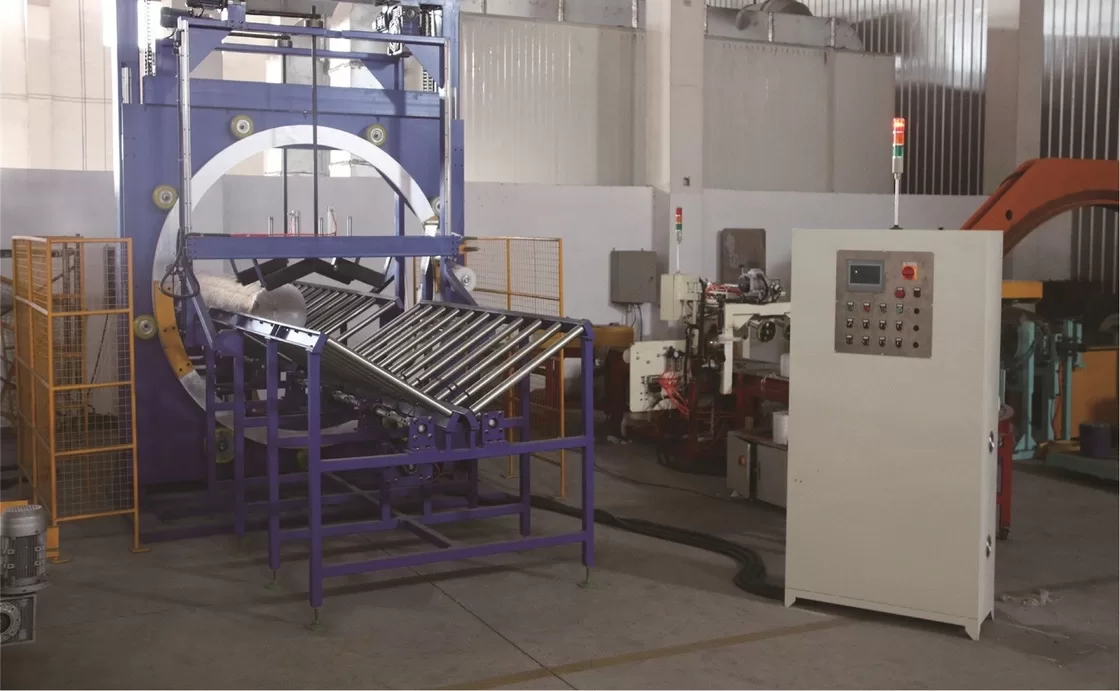
Let us clear up the confusion about industrial power in Mexico.
Common Power Standards in Mexico
- 480V, 60 Hz: This is the most common industrial voltage in Mexico. Many factories use this. It is a very robust and efficient standard for industrial equipment.
- 220V, 60 Hz (Three-Phase): This is also used in some industrial or commercial settings. It is generally for lighter loads than 480V.
- 575/600V, 60 Hz: While less common than 480V in Mexico, it is definitely present. This voltage standard is prevalent in Canada. It is also used in some parts of the United States. Many large industrial facilities, especially those with heavy machinery imported from these regions, might have this setup. This is because it is efficient for very large motors and high-power applications. If your metal processing plant has heavy-duty equipment, there is a good chance you might use 575/600V.
Why the Specific Voltage Matters
The “575/600V” refers to the nominal voltage range. It means the system operates around that level. The “60 Hz” refers to the frequency, or how many cycles per second the alternating current completes. The 60 Hz standard is universal across North America, including Mexico. So, the main question for you is about the voltage.
If your plant uses 575/600V, a horizontal orbital wrapper designed for this voltage will integrate seamlessly. It will run at its optimal performance. If your plant uses 480V, but you buy a 575/600V machine, you will need a step-up transformer. This adds cost. It adds a point of failure. It takes up space. It is better to get a machine that natively supports your voltage.
When I was building my factory, I paid close attention to these details. I always made sure our machines could be adapted. We often built machines to suit different international power standards. It is part of being a reliable supplier.
What to Do Next
- Check Your Plant’s Electrical Drawings: This is the first step. Your facility’s electrical schematics will clearly show the main incoming voltage. Michael, as a factory manager, likely has access to these or can easily get them from his maintenance team.
- Consult Your Electrician: Have a qualified industrial electrician verify your current power supply at the exact location where the new wrapper will be installed. They can also check the capacity of your existing Motor Control Centers (MCCs).
- Talk to Your Supplier: When talking to FHOPEPACK, tell us your exact voltage and frequency. We can then confirm if our horizontal orbital wrappers can be built or configured for 575/600V, 60 Hz. We can discuss any specific requirements.
Michael wants a partner. He wants someone who understands his challenges. Knowing about power compatibility is a big part of that. It shows a supplier cares about your overall operation, not just selling a machine. I have seen many cases where a client thought they had one voltage, but found out later it was different. This small check saves a lot of trouble.
Integrating New Equipment with Your Existing MCCs: What You Need to Know?
You might be ready to automate your packing line. You are looking at a new horizontal orbital wrapper. But a big question looms: How will this new, modern machine connect to your factory’s existing Motor Control Centers (MCCs)? You do not want more complexity. You want a smooth, simple integration.
Integrating a new horizontal orbital wrapper with your existing MCCs is usually straightforward with proper planning and communication. MCCs are designed to manage motor power and control within a factory. A new machine can be connected to a spare slot or a new section within your MCC, provided there is enough power capacity and the electrical specifications match. A detailed electrical assessment is key to a smooth, safe integration.
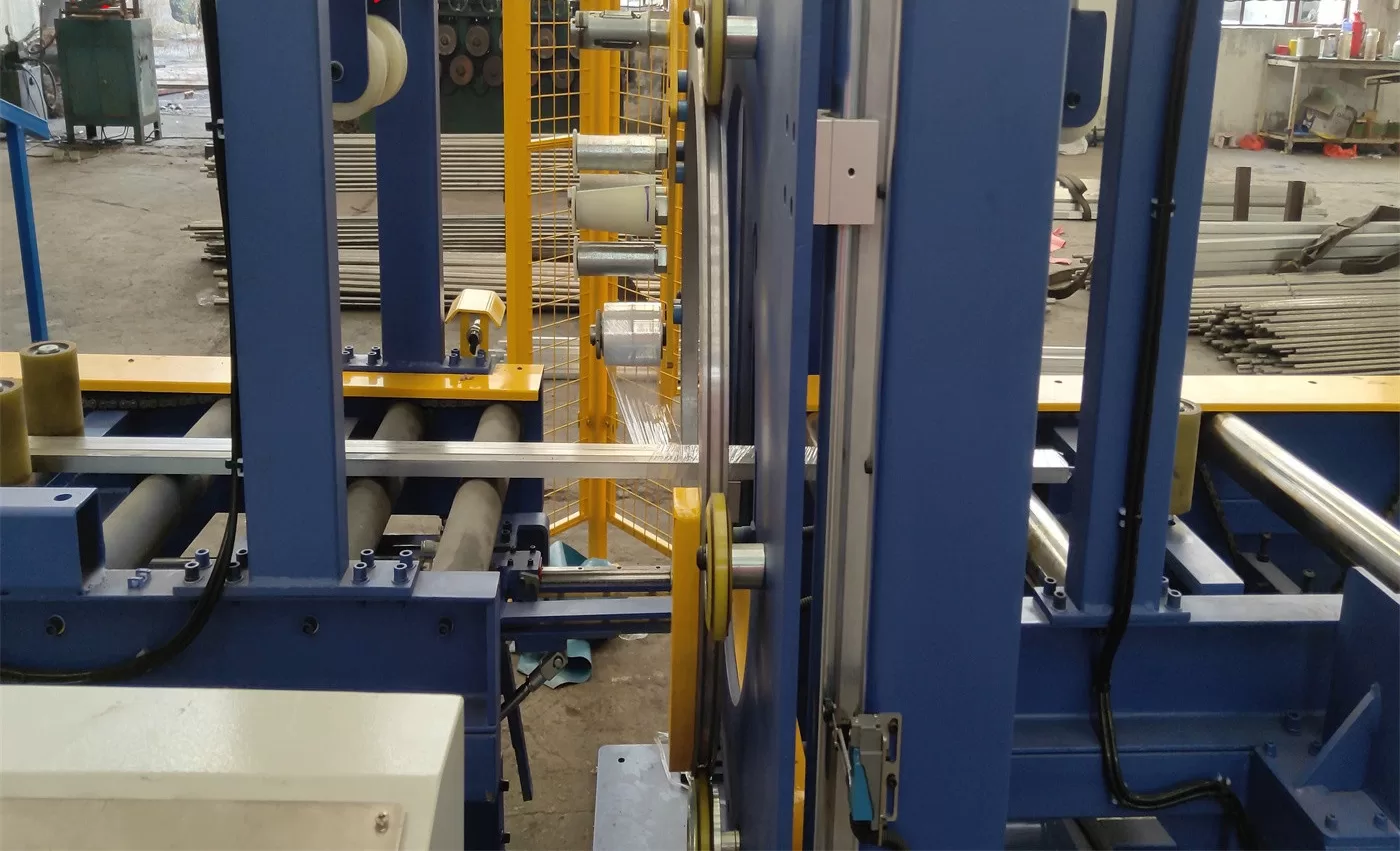
Let us simplify what MCCs are and how this integration works.
What is an MCC?
An MCC is like a central hub for all the motors in a specific area of your factory. It usually consists of multiple sections. Each section has a motor starter. It has circuit breakers. It has other control components. It lets you start, stop, and protect your motors from overloads. They are designed for industrial environments. They are very reliable. They are essential for a controlled and safe electrical system.
Steps for Smooth Integration
-
Electrical Audit and Assessment:
- Capacity Check: The first step is to assess your existing MCC. Does it have spare capacity? Can it handle the additional power draw of the new wrapper? Your factory electrician can tell you this. Michael, you want to know if adding this new machine will overload your current system.
- Available Space: Is there physical space within the MCC for a new motor starter and associated wiring? If not, you might need to add a new section or a small sub-panel.
- Existing Wiring: Understand the current wiring schemes. This helps your supplier and electrician plan the connections.
- My Experience: In my early days as an engineer, I learned that a good audit prevents 90% of installation headaches. It is worth the time and effort upfront.
-
Matching Electrical Specifications:
- Voltage and Frequency: As we discussed, the new wrapper’s operating voltage and frequency must match your MCC’s output. If your MCC delivers 575V, 60 Hz, the machine should be rated for that.
- Current (Amperage): The machine’s power demand (amps) must be within the capacity of the MCC’s circuit breakers and wires. This prevents tripping and overheating.
- Control Wiring: Modern wrappers have PLC (Programmable Logic Controller) systems. These need low-voltage control wiring for start/stop signals, emergency stops, and interlocks with other equipment. This often needs to be integrated into the MCC’s control logic.
-
Installation and Connection:
- Qualified Electrician: Always use a certified industrial electrician for the installation. They understand safety codes. They ensure correct wiring. This is non-negotiable for safety and proper function.
- Wiring Diagrams: Your machine supplier should provide clear wiring diagrams. These show how to connect the wrapper to the MCC. These diagrams are critical for the electrician.
- Safety Interlocks: The new wrapper should integrate with your existing factory safety systems. This includes emergency stop circuits and lockout/tagout procedures. This protects your workers. It meets safety regulations. Michael is very concerned about worker safety. This is a key point.
-
Testing and Commissioning:
- After installation, thorough testing is needed. This includes checking all electrical connections. It means testing the machine’s functions. It means testing safety features. The goal is to ensure everything works perfectly before full production.
- Supplier Support: A good supplier will offer support during commissioning. They might even send a technician. This helps get your machine running fast. It reduces your stress.
Michael wants a partner who understands his production bottlenecks and safety concerns. A supplier who talks about MCC integration, electrical audits, and safety interlocks is showing that they understand these deeper issues. They are not just selling you a machine. They are selling you a solution that fits your entire factory. This is the kind of partnership I always aimed to build with my own clients. It leads to real business growth.
Beyond Voltage: How Reliable Power Improves Your Production and Safety?
You know that getting the right voltage is important for your new horizontal orbital wrapper. But why does power reliability matter so much? How does it actually help your factory? How does it make things safer? For someone like Michael, who has to hit production targets and keep his workers safe, these are the real questions.
Beyond just matching the voltage, reliable and stable power is fundamental to improving your factory’s production and safety. It ensures your horizontal orbital wrapper operates consistently at peak efficiency. This reduces machine breakdowns, prevents product damage, and significantly enhances the safety of your entire operation. Stable power means fewer interruptions, better output, and a safer workplace for everyone.
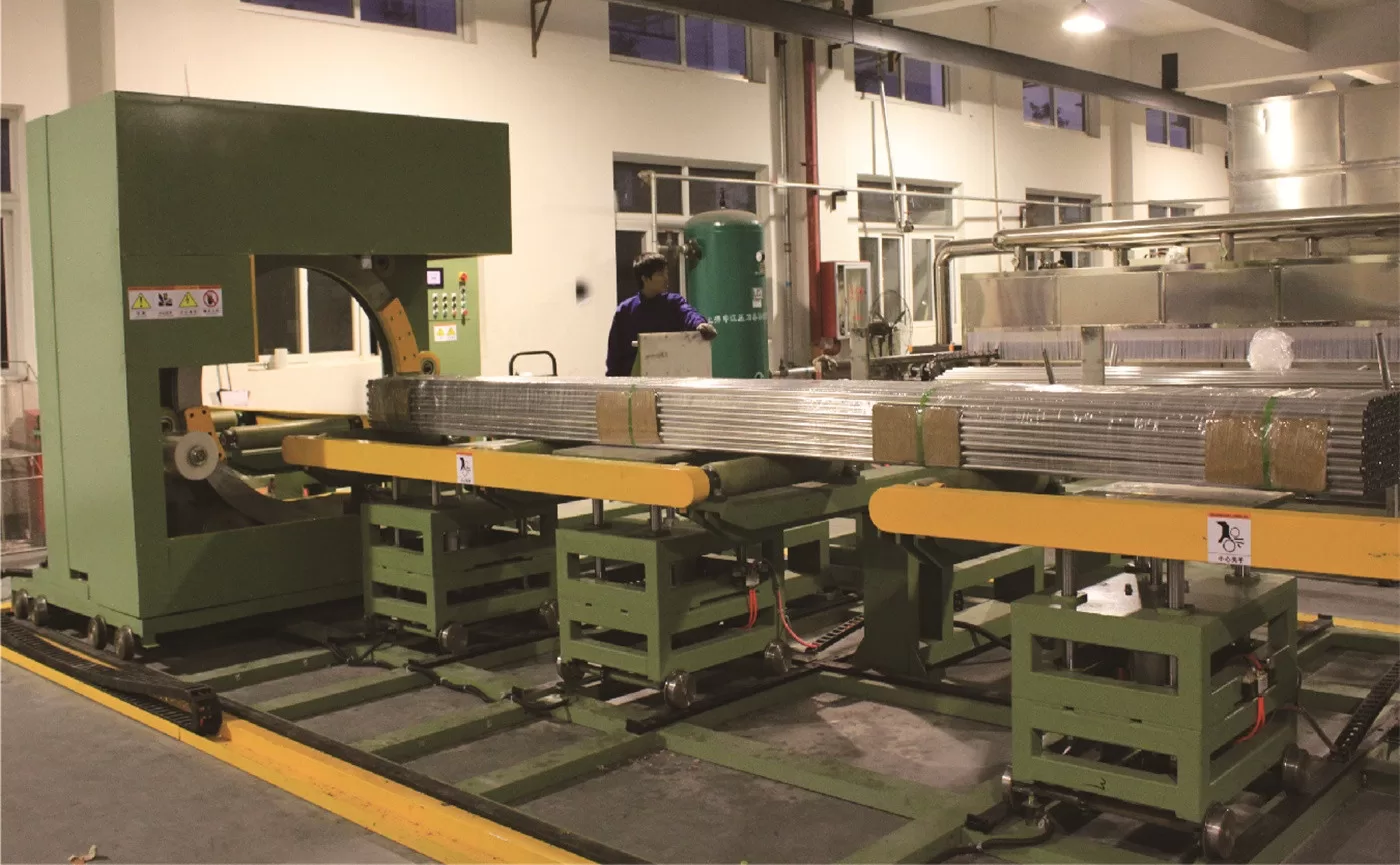
Let us look at the direct impact of reliable power on your core challenges and goals.
Boosting Efficiency and Production
- Consistent Machine Speed: Imagine your wrapper trying to run. If the power fluctuates, the motor speed can vary. This leads to inconsistent wrapping. It slows down the entire packing process. With stable power, your machine runs at its designed speed constantly. This removes a key efficiency bottleneck. Your steel coils and wire products move through the packing line smoothly.
- Reduced Downtime: Unstable power can cause motors to trip. It can cause control systems to reset. This leads to unplanned stops. Each stop means lost production time. It means idle workers. Reliable power minimizes these electrical trips. This keeps your machine running. It keeps your output high. It directly helps Michael meet his production goals.
- Optimal Machine Lifespan: Power surges and sags stress electrical components. They shorten the life of motors, drives, and PLCs. Consistent power means less stress. This extends the life of your expensive packing equipment. It reduces the frequency of costly repairs. This improves your overall ROI. I always taught my factory teams that a well-maintained machine starts with good power.
Enhancing Safety
- Preventing Electrical Hazards: Unreliable power can lead to overloads. It can cause short circuits. This increases the risk of electrical fires. It also increases the risk of electric shock. A stable power supply, properly grounded, significantly reduces these dangers. Your workers are safer around the machinery.
- Predictable Operation: When a machine gets stable power, its movements are predictable. There are no sudden stops or jerks caused by power issues. This makes the machine safer for operators. It reduces the chance of accidents from unexpected movements. Michael’s concern for high injury rates is a serious one. Reliable power is a big part of the solution.
- Integrated Safety Systems: Modern wrappers have safety interlocks and emergency stops. These rely on stable control power. If the power supply is erratic, these critical safety features might not function correctly when needed most. Reliable power ensures all safety systems are always active and responsive.
Reducing Costs and Product Loss
- Lower Maintenance Costs: Fewer electrical issues mean less need for emergency repairs. This means lower repair bills. It means less labor cost for maintenance. This directly contributes to cost control for Michael.
- Minimized Product Damage: When a machine runs smoothly due to stable power, there is less chance of jerky movements. There is less chance of sudden stops. This prevents product damage. For example, steel coil edges getting dinged during transfer. Reducing product loss means fewer customer complaints. It means more profit. I remember a client who drastically cut their scrap rate simply by improving their power quality.
- Better ROI: All these benefits — higher output, less downtime, improved safety, lower costs — add up. They make your investment in an automated packing solution much more valuable. They give you a clear return on investment. This is what Michael is looking for.
Reliable power is not just a technical detail. It is a strategic advantage. It directly helps Michael tackle his factory’s biggest challenges: inefficiency, safety risks, and product damage. When you invest in a machine from FHOPEPACK, you get a partner who understands this. We focus on providing solutions that integrate seamlessly. We want to help you achieve your goals for growth and profitability.
Conclusion
Yes, a horizontal orbital wrapper can run on 575/600V, 60 Hz power. Power compatibility is crucial for efficient, safe operations. It ensures reliable performance, boosts production, and reduces costs. Partner with FHOPEPACK for seamless integration and expert solutions.








