
Which Operator-Friendly Controls Simplify Mold Upender Handling in Argentina?
Is your factory in Argentina struggling with slow, risky mold handling? Do heavy molds give your workers headaches and cause production delays? Many factory managers, just like Michael from Mexico and many I have met in Argentina, face these exact problems every day. They know manual processes cost money and put people at risk.
Operator-friendly controls on mold upenders simplify handling in Argentina by using clear symbols, simple button layouts, and easy-to-reach emergency stops. These features make it easy for workers to learn and operate the machines safely and efficiently, no matter their experience level.
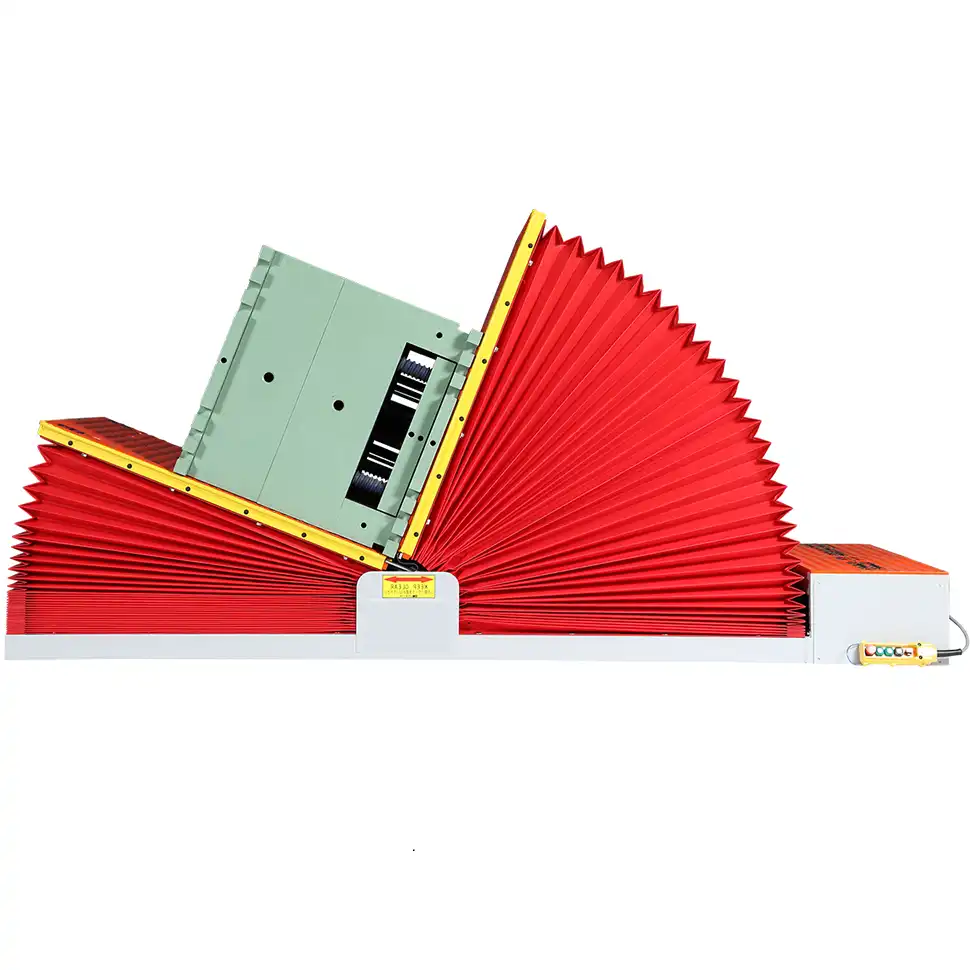
I have seen firsthand how the right equipment can change a factory’s future. Let us look closer at the specific control features that make mold upenders a game changer for operations like yours.
How Do Intuitive Interfaces Boost Safety in Mold Handling Operations?
Are your workers risking injury every time they move a heavy mold? Is the fear of accidents weighing down your team? Manual mold handling is a top cause of workplace injuries, leading to high costs and low morale. I remember when I started my factory; safety was always my first concern.
Intuitive interfaces boost safety in mold handling by reducing operator error. They use clear visual cues, simple, unambiguous button functions, and logical sequences. This design helps operators quickly understand machine actions, minimizing confusion and preventing accidents.
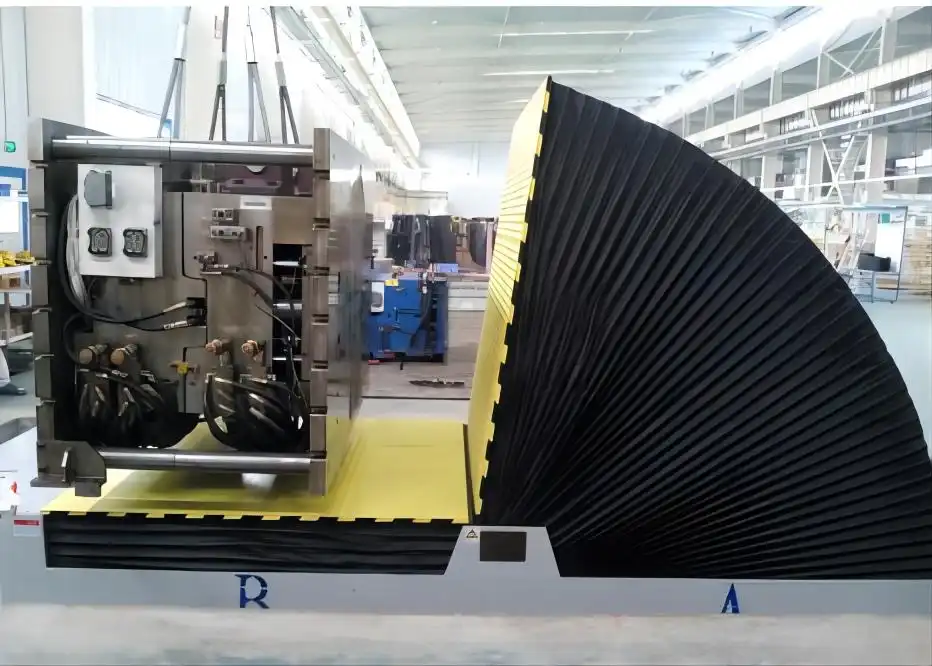
When I was building my packing machine factory, I knew that operator safety had to be a top priority. My goal was to create systems that were not only efficient but also safe. For mold handling, this means designing controls that are almost impossible to misuse. A good mold upender control panel has clear labels for every button. These labels often use universal symbols. For example, an arrow pointing up clearly means “lift” or “tilt up.” This removes any guesswork. There are usually separate buttons for each action, like “lift,” “lower,” “rotate left,” and “rotate right.” This keeps things simple. Operators do not need to remember complex command sequences. They just press the button for the action they want.
Another key feature is the emergency stop button. This button is always big, red, and easy to hit in a hurry. It shuts down the machine instantly. This is crucial in an emergency. Some upenders even have dual-hand controls. This means an operator must use both hands to start a movement. This keeps their hands away from moving parts. It also ensures they are fully focused on the task. Overload protection is built into the system. If the mold is too heavy, the machine will not operate. It gives a warning. This prevents damage to the machine and prevents dangerous situations. These small design choices make a big difference in preventing injuries. They reduce the risk of dropping a heavy mold or getting a hand caught. Investing in these controls shows that a factory cares about its workers. It also saves money on injury claims and lost work time. I have seen how much peace of mind this brings to factory managers like Michael.
Key Safety Benefits from Intuitive Controls
- Reduced Human Error: Simple layouts mean fewer mistakes.
- Fast Emergency Response: Clearly marked stops for quick action.
- Protection from Overload: Machine prevents unsafe lifting.
- Enhanced Awareness: Clear indicators show machine status.
Can Simple Controls Really Increase Production Efficiency and Reduce Downtime?
Are slow, complex operations causing bottlenecks in your production line? Do your mold handling processes feel clunky and inefficient? Every minute of wasted time costs your factory money, directly impacting your bottom line.
Simple controls increase production efficiency and reduce downtime by making operations faster and smoother. Operators can execute tasks with fewer steps and less hesitation, which speeds up cycle times. This also means less time spent troubleshooting or waiting for complex sequences to complete.
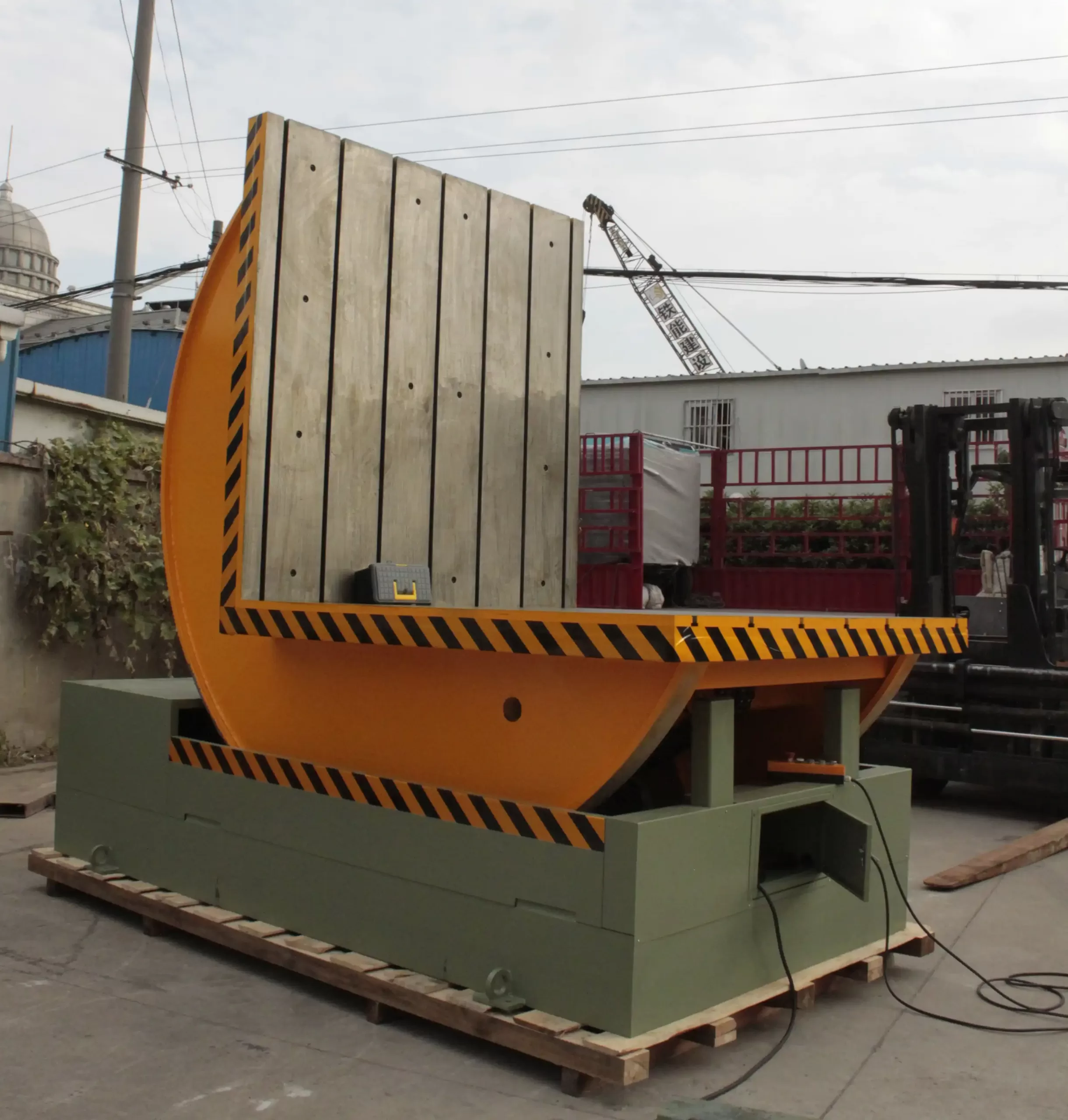
In my own factory, I always looked for ways to make our processes flow better. When operations are complicated, they slow down. Imagine a mold upender with a confusing control panel. An operator might spend extra seconds looking for the right button. They might even press the wrong one. This adds up. With simple controls, an operator can work quickly and confidently. They know exactly what each button does. This speeds up the entire process of loading, tilting, and unloading molds. Each cycle becomes faster. This reduces the time a mold spends waiting. It also frees up floor space faster.
Think about a factory in Argentina handling many heavy steel coils or large molds. If each upending cycle takes even 10 seconds longer due to complex controls, this can mean hours of lost production over a week. Simple controls cut down on these wasted seconds. They allow for consistent, high-speed operation. This directly impacts how many units a factory can produce each day. Downtime also shrinks. When controls are easy to use, operators make fewer errors that could lead to machine jams or minor malfunctions. They do not need to call maintenance as often for simple issues. Also, if a quick adjustment is needed, an operator can often handle it without special training. This keeps the line moving. My experience showed me that even small gains in efficiency add up to big savings. This is true for any heavy manufacturing plant, especially those dealing with products like steel or heavy machinery components.
Efficiency Gains from User-Friendly Controls
| Feature | Benefit for Efficiency | Impact on Downtime |
|---|---|---|
| Intuitive Layout | Faster button selection, reduced hesitation. | Fewer operational errors leading to machine stops. |
| Clear Indicators | Quick status checks, informed decision-making. | Less time troubleshooting unknown issues. |
| Responsive Controls | Smooth and precise movements. | Reduced risk of damage requiring repairs. |
| Reduced Physical Strain | Operators remain productive longer. | Fewer breaks needed, more consistent output. |
What Operator-Friendly Features Lower Training Time for New Staff?
Is training new staff on complex machinery a constant challenge for your factory? Do you spend too much time and resources teaching intricate control systems? This can slow down productivity and delay full operational capacity.
Operator-friendly features lower training time for new staff through clear, standardized layouts, visual aids, and self-explanatory functions. A logical button arrangement and easy-to-understand symbols allow new operators to grasp basic operations quickly, shortening the learning curve significantly.
When I was scaling up my factory, one of the biggest costs was training. Every new employee needed to learn how to operate our machines safely and efficiently. If the controls were difficult, it took days, even weeks, for new workers to become fully productive. This was expensive. Operator-friendly upenders solve this problem. They come with controls that are easy to understand from day one. There is no need for long, complicated manuals. Instead, the design itself guides the operator.
Imagine a new worker looking at a control panel. If it uses industry-standard symbols and colors, they already have a head start. A red button is always an emergency stop. A green button usually means start. Arrows show direction. These universal cues help. Many modern upenders also have visual guides built into the control screen. It might show a simple animation of the upending process as the machine performs it. This kind of visual feedback helps new learners grasp the sequence quickly. Some systems even have a “training mode” where operations can be simulated or performed at a slower speed. This allows new staff to practice without risk. Less training time means new employees become productive faster. It also reduces the need for constant supervision from experienced staff, freeing them up for other important tasks. This leads to direct cost savings for the factory. For a factory manager like Michael, who wants to cut costs and boost efficiency, quick training is a huge benefit.
How Friendly Controls Cut Training Hours
- Standardized Icons: Familiar symbols mean less explanation.
- Intuitive Layout: Logical button placement reduces search time.
- Visual Feedback: On-screen guides help understanding of actions.
- Reduced Complexity: Fewer steps to operate, simpler to remember.
Why Is Durability in Upender Controls Critical for Long-Term Factory Performance?
Are you tired of equipment breaking down, causing unexpected delays and repair costs? Do you worry about investing in machinery that cannot withstand the tough demands of your factory? Cheap controls often fail quickly, turning a supposed saving into a heavy loss.
Durability in upender controls is critical for long-term factory performance because it ensures consistent operation without frequent breakdowns. Robust components, sealed enclosures, and high-quality materials protect against dust, moisture, and impact, which are common in heavy industrial environments like those in Argentina.
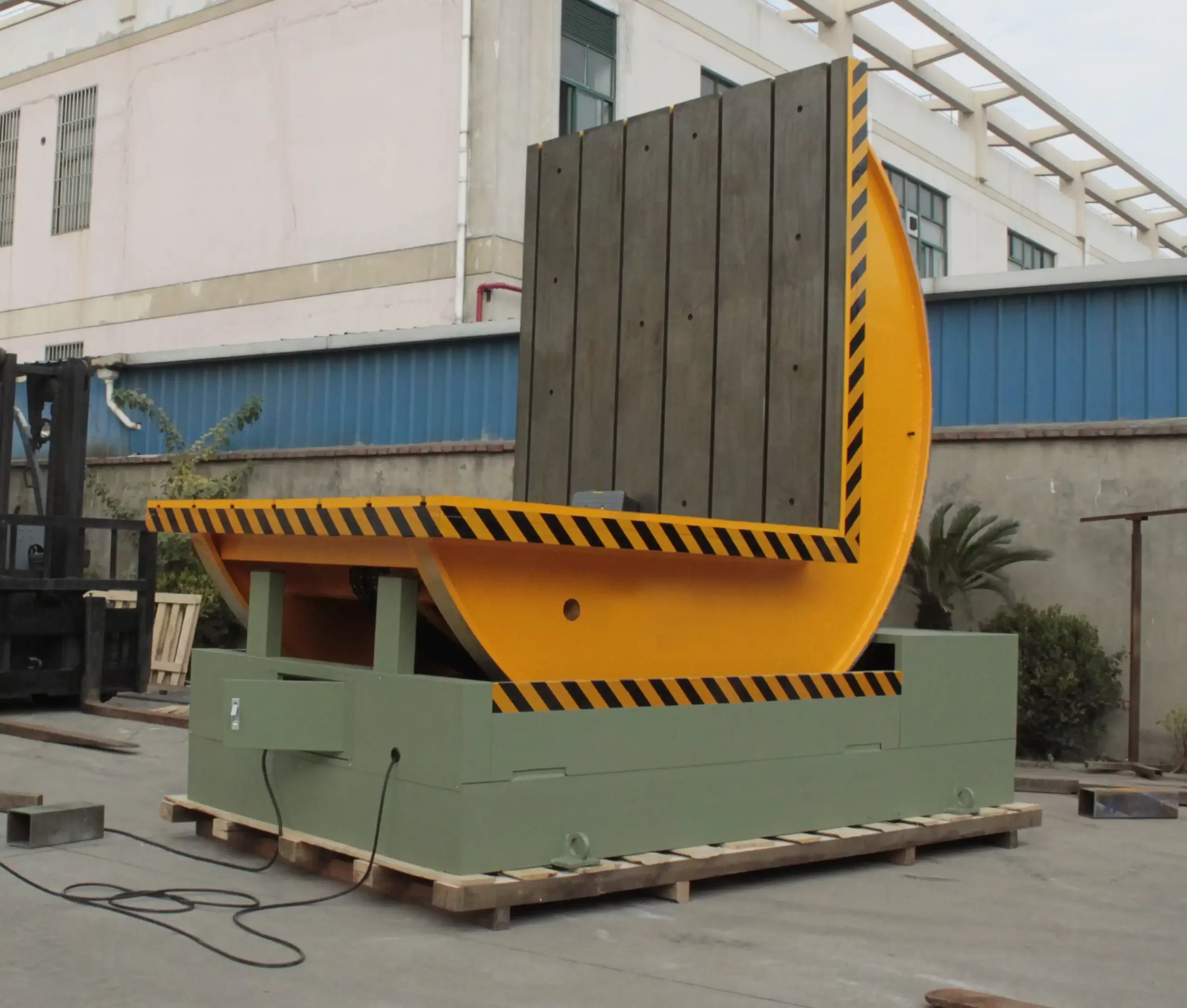
When I started my factory, I learned a hard lesson about cheap equipment. It might save money upfront, but it costs much more in the long run. Controls are the brain of any machine. If they fail, the whole machine stops. In a busy factory, unexpected downtime is a nightmare. It means lost production, missed deadlines, and unhappy customers. This is why durability in upender controls is so important.
A good mold upender control panel should be built to last. This means it has strong, industrial-grade buttons and switches. These are not the plastic buttons you find on a remote control. They are made to withstand thousands of presses and rough handling. The entire control enclosure should have a high IP rating, like IP65 or IP67. This rating means it is sealed against dust and water. Factories often have dust from metal processing or moisture from cleaning. Without proper sealing, these elements can get into the electronics and cause shorts or corrosion. The wiring inside must also be robust and protected. It should be resistant to vibration and wear. Cheap wiring can break easily, leading to complex electrical problems. I made sure that every machine I built for my factory used the best components. This focus on durability meant fewer service calls and happier clients. Michael, like many factory managers, has probably dealt with unreliable suppliers. He needs equipment that works day in and day out, especially when handling heavy, valuable molds. Durable controls mean less maintenance, fewer repairs, and more uptime. This translates directly into consistent production and higher profits. It builds trust in the equipment and the supplier.
Aspects of Durable Controls
- Industrial-Grade Components: Built for heavy use and harsh conditions.
- Sealed Enclosures (IP Rating): Protects against dust, dirt, and moisture.
- Robust Wiring: Resists vibration, wear, and tear.
- Impact Resistance: Designed to withstand accidental bumps.
How Do Smart Control Systems Help Factories Achieve Better ROI?
Are you looking for an investment that truly pays for itself and boosts your factory’s profit? Is the idea of automation exciting, but you need clear proof of its financial benefits? Smart controls offer more than just operation; they offer a path to greater returns.
Smart control systems help factories achieve better ROI by optimizing processes, reducing waste, and providing valuable operational data. Features like cycle counters, energy monitoring, and predictive maintenance alerts allow managers to make informed decisions, directly leading to cost savings and increased output.
When I was running my factory, I always looked for ways to get the most out of every investment. It was not enough for a machine to just do its job. It had to help the business grow. This is where smart control systems come in. They turn an upender from a simple tool into a strategic asset. These systems collect data. This data tells you how often the machine is used. It tells you how fast it operates. Some even track energy consumption. This information is gold for a factory manager like Michael.
For example, a smart control system can have a built-in cycle counter. This tells you exactly how many molds have been processed. This data helps in production planning. It also helps estimate wear and tear. If the system tracks energy use, you can identify peak consumption times. You can find ways to save power. More advanced systems offer diagnostic capabilities. If there is a problem, the control panel might display an error code. This code tells maintenance exactly what is wrong. This means faster repairs and less downtime. Some even offer predictive maintenance alerts. They tell you when a part might need replacing before it breaks down. This prevents unexpected stops. All these features lead to better resource management. They reduce labor costs because fewer people are needed for manual tasks. They reduce material damage because machines are more precise. They extend the life of the machine because maintenance is better managed. For Michael, who needs clear ROI, these are tangible benefits. My own success came from constantly optimizing operations using data and smart systems. I believe every factory can achieve the same.
ROI Drivers from Smart Controls
- Data Collection: Real-time insights into machine performance.
- Process Optimization: Identifies bottlenecks and inefficiencies.
- Reduced Waste: Precise handling minimizes product damage.
- Predictive Maintenance: Prevents costly unexpected breakdowns.
- Lower Labor Costs: Automation reduces reliance on manual tasks.
Conclusion
Operator-friendly controls on mold upenders dramatically improve factory operations in Argentina. They boost safety, increase efficiency, cut training time, ensure durability, and drive higher ROI. Investing in these machines truly transforms production.








