
How Can a Mold Upender Improve Throughput in Brazil’s Injection-Molding Plants?
Are you a factory manager in Brazil, dealing with the daily pressures of boosting output, cutting costs, and keeping your team safe? I know this feeling well. I hear from many professionals, just like you, who are struggling with old ways of doing things. They know manual processes are slow and risky, but they are not sure what the right next step is. You might even feel stuck.
A mold upender can dramatically improve your factory’s production throughput. This specialized equipment turns heavy molds safely and efficiently, greatly reducing the need for manual labor. This directly solves bottlenecks and lowers risks that are common in injection molding plants. This makes mold upenders a key tool for modernizing operations and making them more efficient.
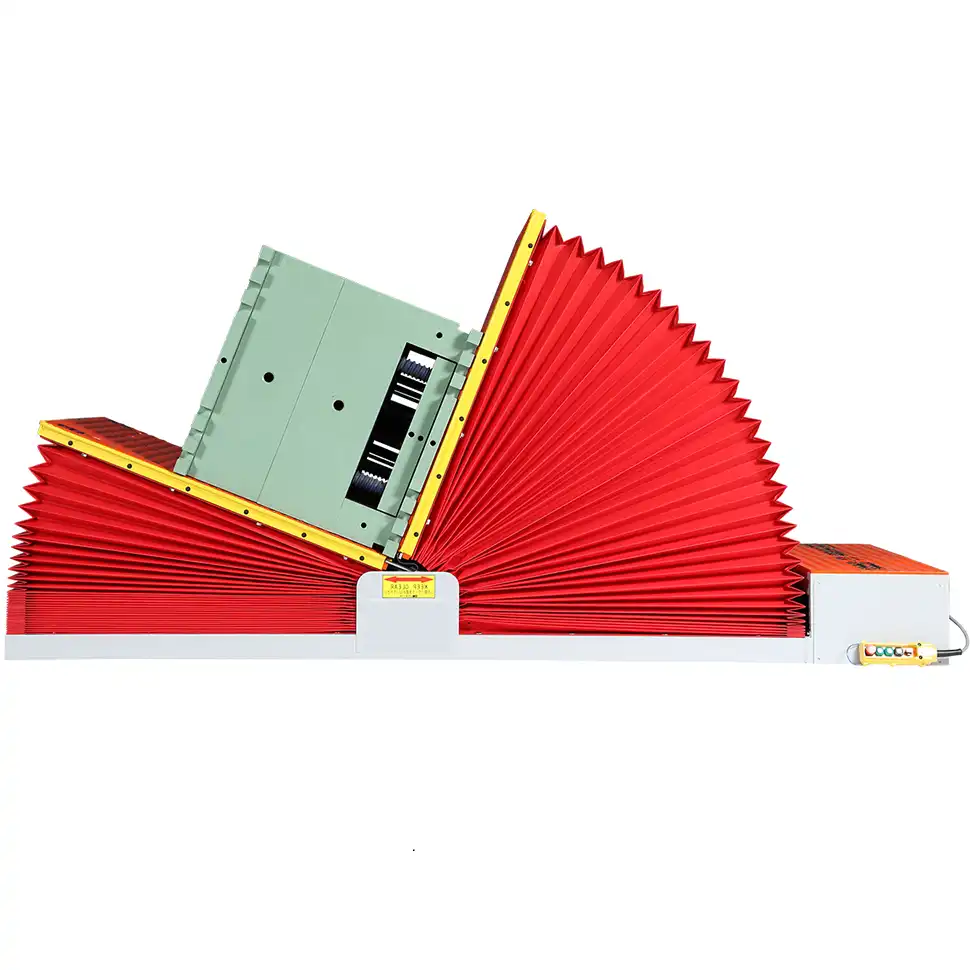
As someone who built a packing machine factory from the ground up, I understand the challenges you face. I have seen firsthand how the right equipment changes everything. It is not just about buying a machine. It is about finding smart solutions that help your business grow and solve real problems. Let us look at how mold upenders can transform your operations.
How Does Manual Mold Handling Hurt Safety and Costs in Brazil’s Factories?
Manual handling of heavy molds is a big problem for many factories. It slows down work and puts your workers at risk. Have you seen close calls or actual injuries because someone was moving a heavy mold by hand? This can lead to higher insurance costs and even losing good employees. It is a cycle that hurts your business in many ways.
Manual mold handling directly increases safety risks and operational costs. Workers lifting or flipping heavy molds can suffer serious injuries. This leads to medical expenses, higher insurance premiums, and lost workdays. These incidents also slow down your production lines, costing you valuable time and money.
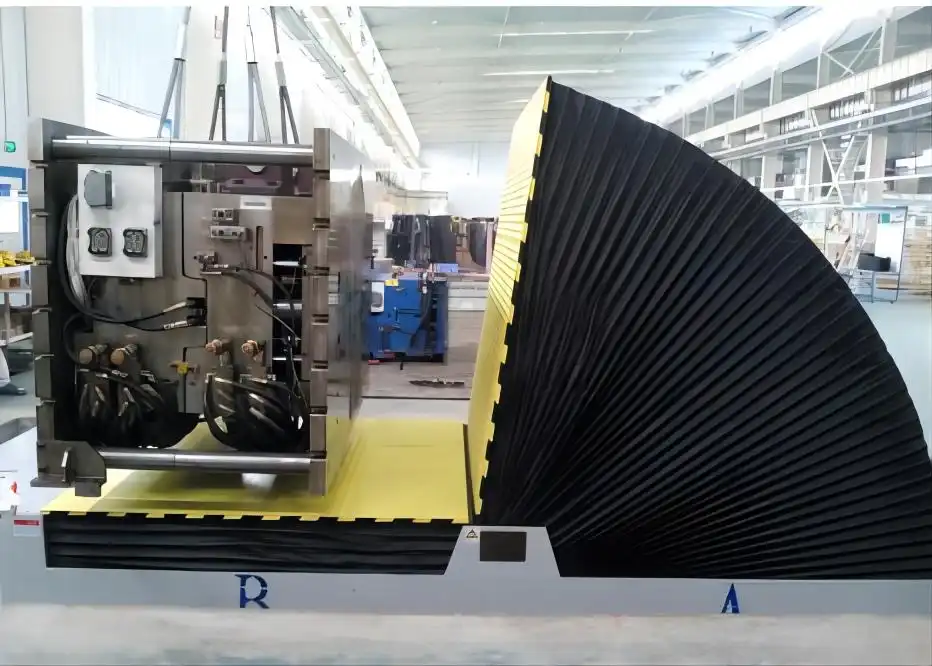
Manual mold handling presents critical safety and financial challenges for injection molding plants, especially in fast-paced environments like Brazil. The main issue is the sheer weight and size of molds. Moving these heavy objects without proper equipment means workers must exert extreme physical effort. This often leads to musculoskeletal injuries, such as strains, sprains, and back problems. These injuries are not just painful for the worker. They also create a ripple effect across the entire operation.
First, there are direct costs. When an employee gets hurt, you face medical bills, workers’ compensation claims, and potentially higher insurance rates. These expenses add up quickly. A single serious injury can cost a company thousands of dollars. Beyond the money, there is the human cost. An injured worker cannot perform their duties, leading to a loss of productivity. You might need to pay overtime to other employees or hire temporary staff. This further inflates labor costs.
Second, there are hidden costs that are often overlooked. Safety incidents hurt employee morale. When workers see colleagues getting injured, they become more fearful and less productive. This can lead to higher employee turnover. Losing experienced workers is expensive because you must spend time and money recruiting and training new ones. New employees are also less efficient at first, which slows down production. Furthermore, a poor safety record can damage your company’s reputation. This makes it harder to attract skilled labor and even new clients.
Consider the time spent on manual mold changes. Workers must use cranes, chains, and bars, and then manually rotate or position the mold. This is a slow, multi-step process. Each step carries a risk of human error or accident. For example, a mold could slip, causing damage to the mold itself or to nearby equipment. This downtime for mold changes directly impacts your plant’s throughput. Every minute spent on a slow, risky mold change is a minute not spent producing parts. This means fewer products leave your factory each day.
Here is how manual handling affects your operations:
| Challenge Area | Impact on Safety | Impact on Costs and Efficiency |
|---|---|---|
| Worker Injuries | High risk of strains, sprains, fractures | Increased medical bills, insurance premiums, lost workdays |
| Operational Delays | Risk of accidents during maneuvers | Longer mold change times, reduced machine uptime |
| Employee Morale | Fear of injury, stress | Higher turnover, recruitment/training costs |
| Equipment Damage | Risk of dropping or hitting molds | Costly repairs or replacement of molds/machinery |
I have seen companies struggle for years with these issues. They thought manual labor was cheaper. But when you add up all the direct and indirect costs, manual handling is often far more expensive than investing in the right equipment. Brazil’s factories are always looking for ways to be more competitive. Eliminating these manual risks is a big step toward that goal.
Can a Mold Upender Truly Speed Up Production in Brazilian Plants?
Many factory managers wonder if a new piece of equipment can really make a difference. You might think, “My current process works, why change it?” But if your current process involves a lot of waiting or slow, manual steps, then it is creating a bottleneck. This bottleneck stops you from making more products and hitting your production targets.
A mold upender can significantly increase production speed by making mold changes faster and more efficient. It removes the need for slow and unsafe manual methods of turning heavy molds. This allows your machines to spend more time molding products and less time waiting for mold setups. As a result, your overall throughput goes up, helping your plant produce more.
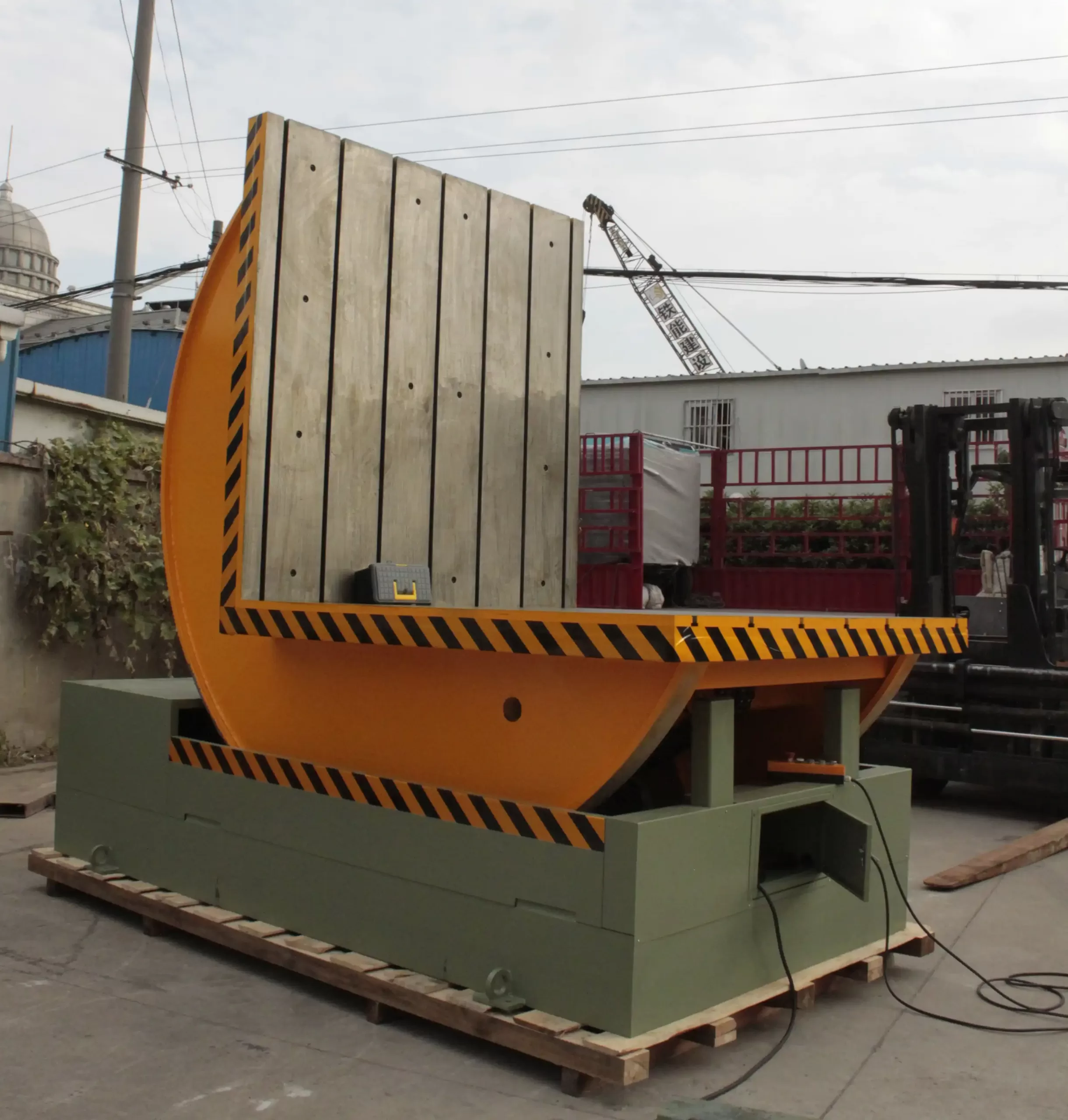
Boosting production speed is a core goal for any factory manager, especially in a competitive market like Brazil’s injection molding industry. A mold upender directly addresses the efficiency bottleneck at the heart of mold changing processes. In traditional settings, moving and reorienting a heavy mold involves multiple steps and often several workers. They use overhead cranes, slings, chains, and pry bars. This is a time-consuming operation. Each time you need to flip a mold from horizontal to vertical, or vice versa, it takes a long time. It can take 30 minutes, an hour, or even more, depending on the mold’s size and complexity.
Think about what happens during this downtime. Your expensive injection molding machines sit idle. They are not producing parts. This means lost revenue. For a factory manager, every minute of idle machine time is a direct hit to profitability. A mold upender simplifies this process greatly. It allows a single operator to safely and quickly rotate a mold with the push of a button. The mold is secured on the upender’s platform, and the machine smoothly tilts it to the desired position. This takes only a few minutes.
This reduction in mold changeover time has a direct and positive impact on your production schedule. If you save 20 minutes on each mold change, and you perform ten mold changes a day, that is 200 minutes, or over three hours, of extra production time. Over a week, a month, or a year, these savings accumulate into significant gains in throughput. You can produce more units using the same machinery and workforce. This means you get a better return on your existing assets.
I have seen businesses grow their output simply by making these kinds of smart investments. It is not about working harder, it is about working smarter. Automating the mold flipping process frees up your skilled workers from dangerous, tedious tasks. They can then focus on other value-added activities. This includes quality control, machine maintenance, or optimizing other parts of the production line. This also reduces the risk of human error during the mold change process, leading to fewer delays and less damage.
Consider this comparison:
| Activity | Manual Mold Flipping (Approx. Time) | Mold Upender (Approx. Time) | Time Saved Per Flip |
|---|---|---|---|
| Securing the mold | 5-10 minutes | 2-3 minutes | 3-7 minutes |
| Flipping/Rotating | 10-20 minutes | 1-2 minutes | 9-18 minutes |
| Final Positioning | 5-10 minutes | 1-2 minutes | 4-8 minutes |
| Total per flip | 20-40 minutes | 4-7 minutes | 16-33 minutes |
These time savings are not theoretical. They are real and translate directly into more operational hours for your primary production machines. For Brazilian injection molding plants aiming for global competitiveness, speeding up these critical, non-productive tasks is a clear path to higher throughput and increased profitability.
Does Automating Mold Flipping Prevent Costly Product Damage?
Have you ever had a customer complain about damaged goods? Perhaps a steel coil with a dented edge or a product that just does not look right. This kind of damage often happens during internal movement or packing. It leads to unhappy customers, returned products, and money lost. It makes you wonder if there is a better way to protect your finished goods and molds.
Automating mold flipping with an upender significantly reduces the risk of product and mold damage. Manual handling methods are prone to accidental drops, bumps, or scrapes that harm expensive molds or finished products. An upender provides a stable, controlled way to handle these heavy items, preventing the kind of mishaps that lead to costly repairs, customer complaints, and lost profits.
Product damage during internal transfer and packing is a common problem that costs factories a lot of money. This is especially true for heavy or delicate items like molds or finished parts from injection molding. When you rely on manual methods, like using forklifts with chains or overhead cranes without precise control, the risk of accidental damage goes up. Molds can be bumped, scratched, or even dropped. This damages the mold itself, which is very expensive to repair or replace. If the mold is damaged, it can also produce defective parts, leading to more waste.
Think about the value of your molds. They are precision tools, often costing tens or hundreds of thousands of dollars. A small dent or scratch during a manual flip can mean the mold needs to be taken out of production for repair. This creates downtime, just like the slow mold changeovers we discussed earlier. But now, you also have the cost of the mold repair itself. This repair can take days or even weeks. During this time, your production stops for that specific part.
Beyond mold damage, there is the risk of damaging the actual products being moved or packed. Michael Chen, a factory manager, specifically mentioned product damage during internal transfer. While a mold upender primarily handles molds, the principle of careful, automated handling applies. By creating a safer, more controlled environment for moving heavy items (like molds that later produce products), you instill a culture of careful handling across the plant. This indirectly reduces the likelihood of damage to finished goods elsewhere in the process.
An automated mold upender minimizes these risks by providing a stable and controlled platform. The mold is securely placed on the upender. The machine then smoothly and precisely tilts or rotates the mold. There is no swaying, no sudden movements, and no reliance on human strength or balance. This greatly reduces the chances of impacts or drops. It means your valuable molds stay in good condition for longer. This extends their lifespan and keeps your production quality high.
I have seen too many instances where a simple mistake during manual handling led to significant financial losses. One small accident can wipe out the profits from many hours of production. Preventing damage is not just about avoiding costs. It is about maintaining your reputation with clients. When customers receive undamaged products, they trust your company more. This leads to repeat business and positive referrals. In a competitive market, a reputation for quality and reliability is priceless.
Here is a quick look at how an upender helps:
| Risk Area | Manual Handling Challenges | Mold Upender Solutions |
|---|---|---|
| Mold Damage | Accidental drops, collisions, scratches | Secure placement, smooth, controlled tilt |
| Product Defects | Molds damaged, leading to flawed parts | Preserves mold integrity, consistent part quality |
| Repair Costs | High expense for mold repair/replacement | Reduces need for costly mold repairs |
| Downtime | Molds out of production for repairs | Maximizes mold uptime, consistent production |
| Client Trust | Returns, complaints due to damaged goods | Consistent quality, boosts customer satisfaction |
Investing in an upender is a proactive step. It protects your most valuable assets – your molds – and helps ensure the quality of your output. This builds a stronger, more profitable business.
Why Is Choosing the Right Mold Handling Partner So Important for Your Brazil Operations?
You have probably worked with suppliers who were great at selling, but terrible at service after the sale. This leaves you feeling unsupported and frustrated, especially when a machine breaks down. For a factory manager in Brazil, trust is a big deal. You need a partner who understands your challenges and will be there for you long after the purchase.
Choosing the right mold handling equipment partner is critical because it ensures you get more than just a machine. You need a supplier who understands your specific operational challenges in Brazil, provides reliable solutions, and offers excellent after-sales support. This partnership avoids future headaches, ensures equipment longevity, and helps you truly achieve your production goals.
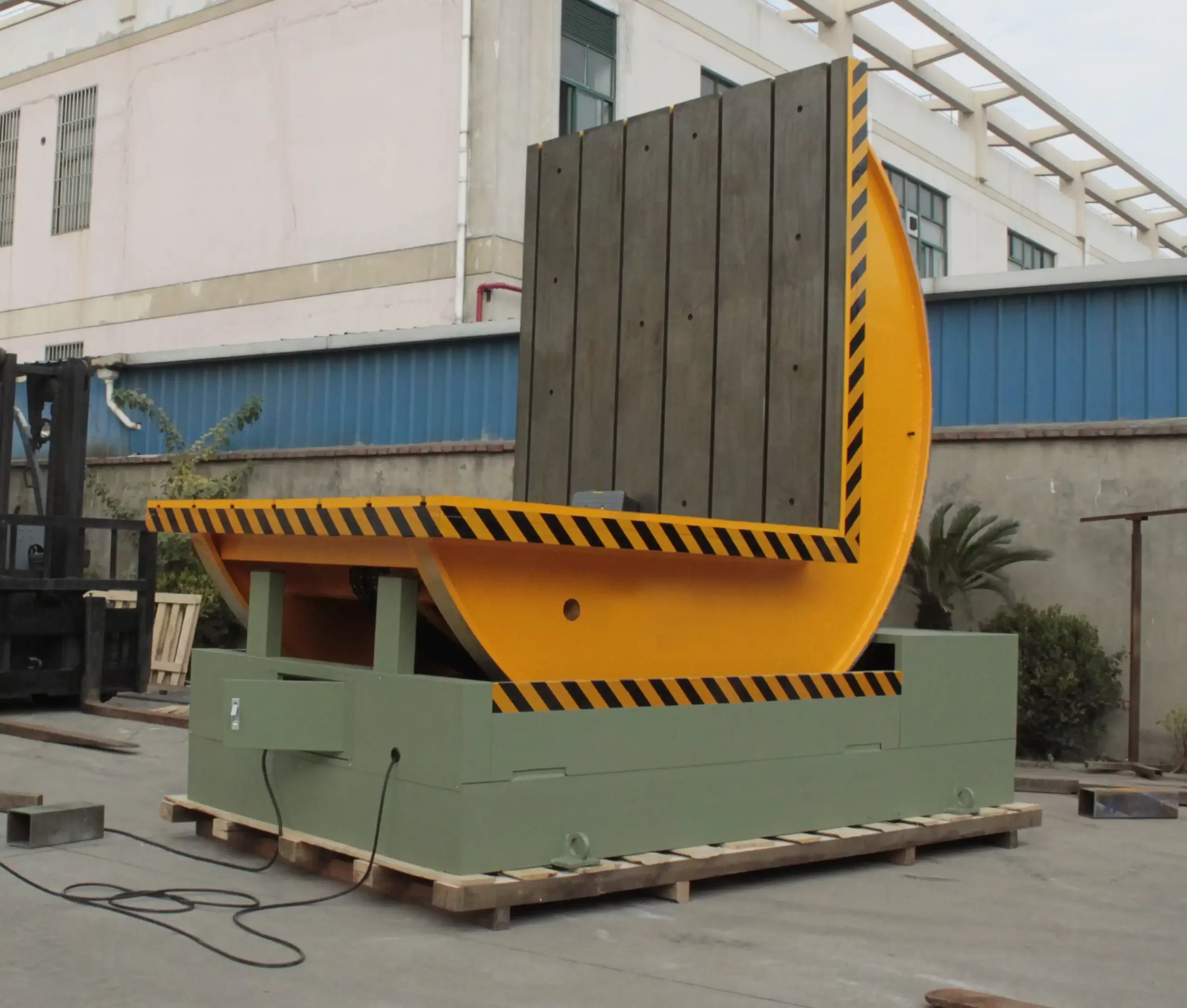
The experience of selecting equipment goes far beyond just getting a piece of hardware. I know this from my own journey building FHOPEPACK. I started as an engineer on the factory floor. I saw what worked and what did not. Then, I built my own factory. This taught me that the machine is only one part of the solution. The expertise and support behind it are just as important. For a factory manager like Michael Chen, who has faced supplier trust crises, this point is even more critical.
You need a partner who genuinely understands your specific needs within the Brazilian industrial landscape. This means they should know about local regulations, typical factory setups, and the common challenges faced by businesses in your region. A good partner will ask about your current production bottlenecks, safety concerns, and efficiency goals. They will not just try to sell you the most expensive model. Instead, they will propose a solution that truly fits your operations and budget.
Reliability of the equipment is non-negotiable. In a heavy manufacturing environment, equipment failure means immediate and costly downtime. Your partner should provide durable machines built to withstand the rigorous demands of an injection molding plant. They should have a track record of building robust equipment. This is where my own background comes in. My goal with FHOPEPACK is to share knowledge and provide solutions that work in the real world, not just on paper. I have personally experienced the pressures of keeping a factory running smoothly.
Beyond the initial sale, after-sales service is paramount. What happens if the machine needs maintenance or a part replaced? A true partner provides quick, responsive support. This includes technical assistance, spare parts availability, and even training for your team. You want a supplier who views their relationship with you as long-term. This means they invest in your success. They help ensure your equipment continues to perform optimally for years to come. This reduces your total cost of ownership. It also gives you peace of mind.
Here are key aspects to look for in a partner:
- Understanding Your Business: Do they listen to your problems? Do they offer solutions tailored to your plant?
- Proven Expertise: Do they have a deep understanding of mold handling and factory operations? (My journey from factory employee to owner helps me see things from your side.)
- Equipment Quality: Is their equipment robust, reliable, and built to last in tough industrial settings?
- After-Sales Support: Do they offer quick technical help, readily available spare parts, and training?
- Long-Term Vision: Are they interested in a lasting partnership, not just a one-time sale?
Choosing the right partner is an investment in your factory’s future. It is about building a relationship based on trust, expertise, and mutual growth. This is the foundation that helps you achieve your goals of higher automation, improved safety, and better profitability. It is what FHOPEPACK is all about.
Conclusion
A mold upender greatly boosts throughput for Brazilian injection-molding plants by enhancing safety, increasing efficiency, and cutting product damage. Choosing the right expert partner is key to unlocking these benefits and growing your business.








