
Which Maintenance Practices Extend the Lifespan of Coil Upenders in Colombia?
Are you a factory manager in Colombia facing constant pressure to increase output, control costs, and keep your workers safe? Do you see your coil upenders as critical machines, but worry about them breaking down at the worst time? Unplanned downtime can cripple production. It can lead to missed deadlines, unhappy customers, and huge financial losses. This issue is a common headache for many factory leaders, especially when dealing with heavy machinery like coil upenders.
The best way to make your coil upenders last longer and work better in Colombia is to use smart, ongoing maintenance. This means doing regular checks, keeping parts well-lubricated, and quickly fixing small problems. It also means training your team and working closely with your equipment supplier. These actions prevent big issues and keep your production lines moving smoothly.
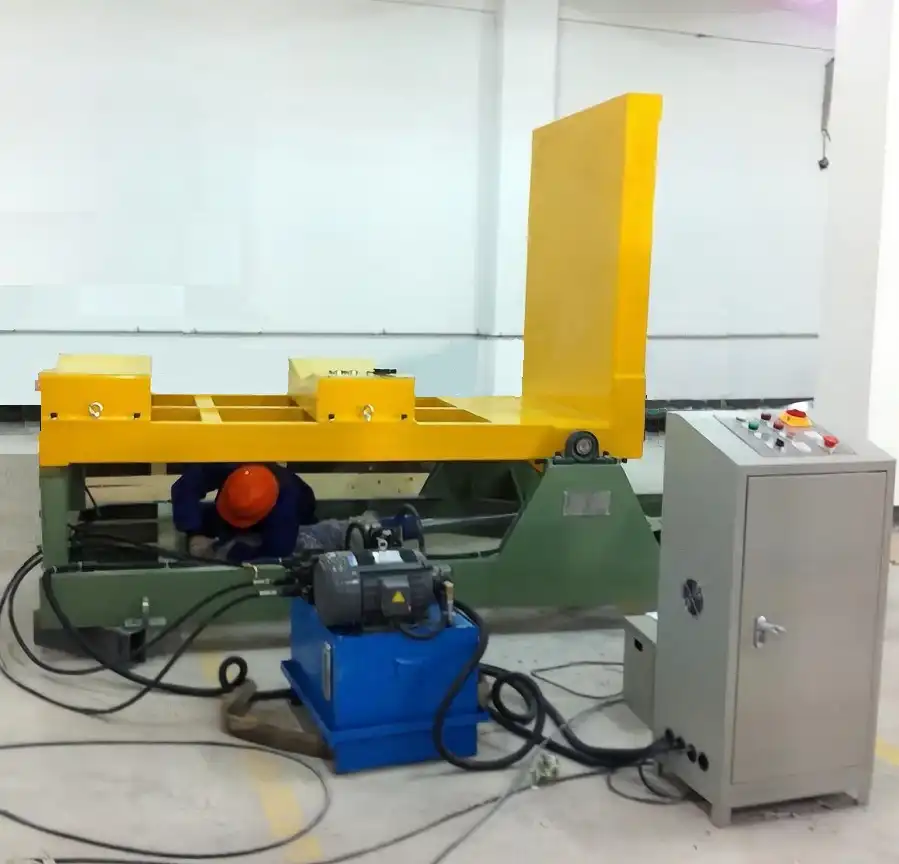
Keeping your upenders in top shape is not just about avoiding repairs. It is about protecting your investment, improving safety, and making sure your factory stays competitive. Let’s look closer at the specific steps and strategies that can help your coil upenders serve you for many years.
Why is Proactive Maintenance Key for Upenders in Colombian Factories?
Do you sometimes feel like you are always putting out fires in your factory? Does equipment only get attention when it stops working? This reactive approach often leads to expensive repairs and long delays. It creates more problems than it solves, especially with critical machines like coil upenders.
Proactive maintenance is a planned approach that stops problems before they start. It keeps your upenders working reliably, lowers overall costs, and makes your factory a safer place. This method is much better than waiting for a breakdown to happen.

Using proactive maintenance for coil upenders in a busy Colombian factory is a smart move. It means you take steps to prevent problems instead of just reacting to them. This approach has many benefits. First, it helps you avoid sudden breakdowns. When an upender stops working, your whole production line can grind to a halt. This means lost output and money. Proactive maintenance involves regular inspections and checks. You look for small signs of wear or issues before they become big, expensive problems. For example, you might check hydraulic fluid levels every day. You might listen for unusual noises. This simple daily routine can catch a leaking hose before it bursts and floods the floor. It can also find a loose bolt before it causes a major component to fail. Second, proactive maintenance saves money in the long run. While it requires time and resources upfront, it prevents costly emergency repairs. Replacing a worn-out part during a scheduled downtime is much cheaper than fixing a completely broken machine under pressure. It also extends the life of the machine itself. An upender that is well-maintained will work for many more years than one that is neglected. This means you do not need to buy new equipment as often. Third, it improves safety. Manual handling of heavy coils is dangerous. An upender reduces this risk. But a faulty upender can still be a safety hazard. Regular checks ensure all safety features, like emergency stops and guarding, work correctly. This protects your workers from injuries. My experience has shown me that factories which invest in proactive maintenance have fewer accidents. They also have lower insurance costs. Finally, proactive maintenance helps you plan your work better. You can schedule maintenance during slow periods or when other parts of the factory are not running. This reduces disruption to your main production schedule. It gives your team control over their operations. It helps factories in Colombia keep up with demand and stay competitive.
What Specific Maintenance Steps Keep Your Coil Upender Running Smoothly?
Do you ever wonder if you are doing enough to keep your coil upender in good shape? Do you worry about missing a small but important step that could lead to a big problem later? Skipping daily checks or simple lubrication can cause real headaches. These small neglects add up over time.
Keeping your coil upender running well comes down to specific, regular actions. You must perform routine inspections, keep all moving parts lubricated, and address any wear or damage right away. These steps are the backbone of a reliable upender operation.
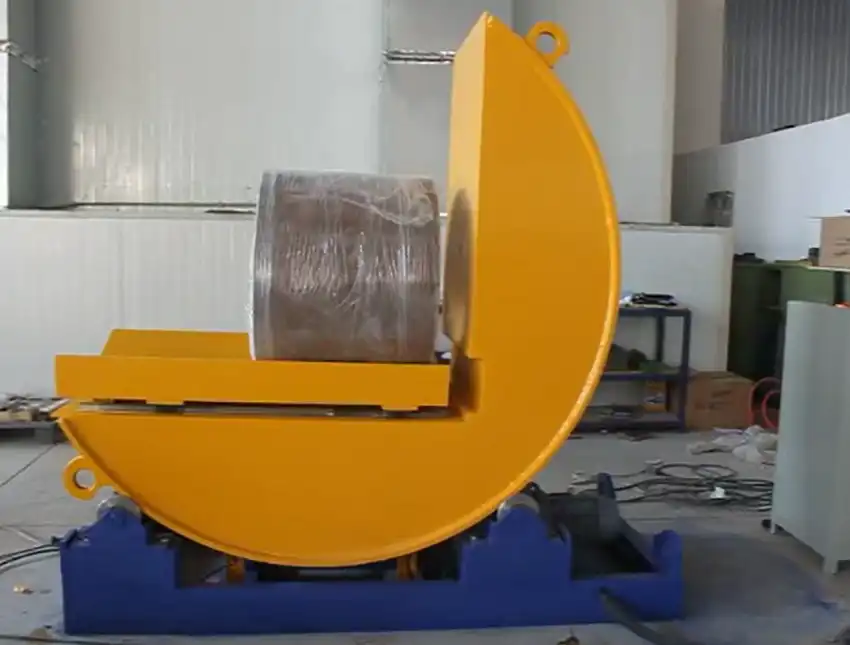
To keep a coil upender working smoothly and extend its life, you need to follow a clear set of maintenance steps. These steps should be part of your factory’s daily, weekly, and monthly routines. I have seen how effective a structured approach can be in a busy packing machine factory.
Daily Checks: Your First Line of Defense
- Visual Inspection: Before starting work, look over the entire upender. Check for loose bolts, damaged cables, or any strange fluid leaks. Make sure all safety guards are in place and not damaged.
- Fluid Levels: Check the hydraulic fluid level. Low fluid can cause the upender to work slowly or incorrectly. Make sure the fluid is clean and free of bubbles.
- Controls and E-Stop: Test the control panel buttons and the emergency stop button. Make sure they respond immediately. This is critical for worker safety.
- Cleanliness: Keep the area around the upender clean. Remove any metal scraps, dust, or dirt. Debris can get into moving parts and cause wear.
Weekly Tasks: Deeper Inspection
- Lubrication: Apply grease to all moving parts, such as bearings, pivot points, and gears. Use the type of lubricant recommended by the upender manufacturer. Proper lubrication reduces friction and wear, making parts last longer.
- Hose and Cable Check: Inspect all hydraulic hoses and electrical cables. Look for cracks, fraying, or wear. A damaged hose can burst, leading to a dangerous situation and machine downtime. Frayed cables can cause electrical shorts.
- Noise and Vibration: Listen for any new or unusual noises during operation. Feel for excessive vibration. These can be early signs of a problem with bearings, motors, or other components.
Monthly or Quarterly Checks: Detailed Maintenance
- Hydraulic System Review: Check the hydraulic pump, valves, and cylinders for leaks or signs of wear. Replace hydraulic filters regularly. Dirty filters can restrict fluid flow and damage the pump.
- Electrical Components: Inspect all electrical connections. Make sure they are tight and clean. Check motor brushes if applicable. Test limit switches and sensors to ensure they are working correctly.
- Structural Integrity: Look for cracks or bending in the upender’s frame or base. Make sure the upender is securely bolted to the floor. Any structural weakness can lead to a dangerous failure.
- Fastener Torque: Check the torque on critical bolts and fasteners. Vibration can loosen them over time. Tightening them ensures parts stay securely connected.
- Wear Parts Inspection: Examine parts that commonly wear out, like rollers, pads, or seals. Replace them before they fail completely. Planning these replacements during scheduled downtime saves you from unexpected stops.
By following these detailed steps, you ensure your coil upender remains reliable and operates safely. This structured approach helps prevent costly surprises and adds many years to the life of your equipment.
How Can Technology Improve Upender Maintenance and Longevity?
Are you still relying only on scheduled maintenance or waiting for things to break before you fix them? Does this old way of working leave you guessing about the true health of your upenders? This traditional approach often leads to unexpected breakdowns and high repair costs. It prevents you from getting the most out of your machines.
Using new technology can greatly improve how you maintain coil upenders. Tools like sensors and data analysis help you know exactly when a part needs attention. This lets you fix problems before they cause the machine to stop. It moves you from reacting to problems to predicting them.

Modern technology offers powerful ways to boost coil upender maintenance and make them last much longer. This goes beyond simple scheduled checks. It involves using data to predict problems. I have seen how these advanced methods transform factory operations. They help avoid costly downtime and extend equipment life significantly.
Predictive Maintenance (PdM): Knowing Before It Happens
- What it is: Predictive maintenance uses data from sensors to monitor the condition of equipment in real-time. It predicts when a component is likely to fail. This lets you schedule maintenance exactly when it is needed, not too early and not too late.
- How it helps upenders:
- Vibration Analysis: Sensors can detect abnormal vibrations in motors, bearings, or gearboxes. A change in vibration pattern often means a part is wearing out. You can replace the part before it breaks completely. This saves the entire component from damage.
- Thermal Imaging (Thermography): Infrared cameras can find hot spots in electrical panels, motors, or hydraulic systems. Unusual heat can mean loose connections, overworked components, or fluid issues. Catching these early prevents electrical fires or motor burnout.
- Oil Analysis: Taking samples of hydraulic oil or gearbox oil and testing them can reveal a lot. You can check for wear particles (like metal flakes), water contamination, or chemical breakdown. This shows if internal components are wearing down or if the fluid itself is losing its protective qualities.
- Acoustic Monitoring: Listening for specific sounds using sensitive microphones can flag problems. Unusual squeals, grinding, or knocking can point to issues with bearings or gears before they become audible to the human ear.








