
How Do Modular Coil Upender Designs Adapt to Varied Coil Sizes in Colombia?
In many factories, especially those dealing with heavy coils, I see the same old problems. Workers struggle with heavy lifting. Production lines slow down because of manual processes. Good products get damaged just moving from one place to another. These issues cause real headaches for managers. They lead to higher costs, unhappy workers, and sometimes even lost customers.
Modular coil upender designs solve these problems by offering high flexibility. They adapt to varied coil sizes through interchangeable components and adjustable settings. This lets factories handle a wide range of products with one system. This design also makes future upgrades easy. This means a coil upender can grow with a factory’s needs. This is very important for places like Colombia, where factories handle many different materials.
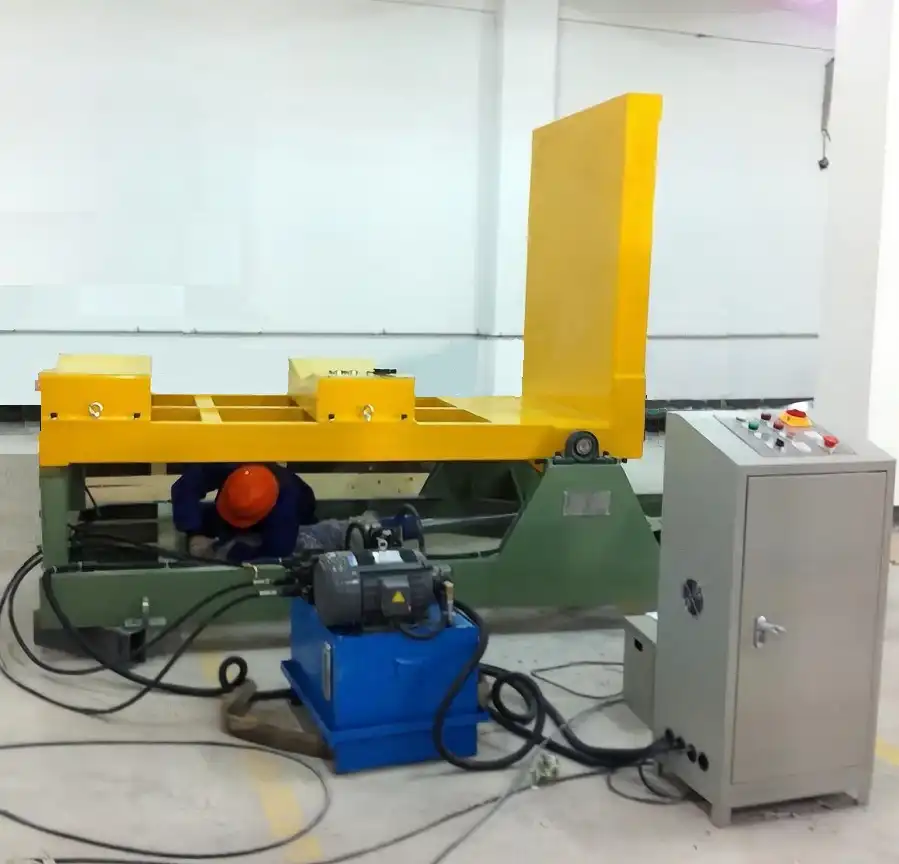
I built my career in the packing machine industry. I know firsthand how important the right equipment is. It is not just about buying a machine. It is about finding a solution that truly solves your problems. Let us look deeper at how modular coil upenders can specifically help factories overcome the challenges I mentioned earlier.
How Can Modular Upenders Improve Production Efficiency in Busy Factories?
Manual coil packing and handling is a big bottleneck. It slows everything down. Workers move slowly when coils are heavy. This means production targets are missed. Deliveries get delayed. The entire factory suffers.
Modular upenders boost efficiency by automating coil reorientation. They replace slow manual methods. This speeds up the transfer process. They reduce idle time on the production line. This helps factories meet high output demands. They are designed for continuous operation.

From my own experience building a packing machine factory, I learned that small bottlenecks can cause big problems. We focused on every step of the production process. We found that manual handling was always a weak point. Modular upenders directly address this. They remove the need for human effort in turning heavy coils. This frees up workers. They can do other tasks. This makes the entire operation more fluid.
Think about a factory in Colombia. It processes steel coils of different widths and weights. Without an upender, workers might use cranes and chains. Or they might use forklifts. These methods are slow. They need careful coordination. They stop the flow of materials. A modular upender, however, can be integrated into the conveyor line. It receives a coil. It turns it safely. It sends it to the next station. This happens in minutes, not tens of minutes.
The key is their adaptability. Different modules can be swapped. This allows the upender to handle different coil sizes. For example, a factory might produce small wire coils one day. The next day, it produces large steel plate coils. A truly modular system can change its setup. It can change the cradle size. Or it can change the clamping mechanism. This means less downtime for retooling. It means more time for actual production. I have seen clients transform their operations. They went from slow, manual processes to smooth, automated flows. This was possible just by adding the right automation. This also includes the use of smart control systems. These systems can manage coil flow. They can track each coil. They can even adjust settings automatically. This makes the whole process faster. It makes it more accurate. It reduces human errors. This leads to a much higher overall output. This is vital for factories under pressure to deliver.
One example: I once helped a client who was manually flipping large bundles of rebar. It took four men and a lot of time. We put in a specialized upender. It cut the process time by 80%. This allowed them to ship twice as much product. This is the power of automation. It helps companies grow. Modular design also means easier maintenance. If one part breaks, you replace just that module. You do not replace the whole machine. This reduces repair time. It keeps the production line running. It saves money on maintenance. This efficiency gain is not just about speed. It is also about consistency. Automated systems perform the task the same way every time. This reduces variations. It leads to more predictable production rates. This helps factories plan better. This means they can promise delivery dates with more confidence. This builds trust with their customers.
| Aspect | Manual Coil Handling | Modular Upender System |
|---|---|---|
| Speed | Slow, dependent on human effort | Fast, automated cycles |
| Consistency | Varies with worker fatigue/skill | High, repeatable precision |
| Downtime | High for retooling/accidents | Low for modular swaps/maintenance |
| Labor | High manual labor needed | Minimal supervision needed |
| Throughput | Limited by manual process | Significantly increased |
Do Modular Designs Truly Enhance Worker Safety During Heavy Coil Handling?
Manual handling of heavy industrial items is dangerous. It puts workers at high risk. Accidents lead to injuries. Injuries mean lost workdays. They also mean higher insurance costs. This creates a stressful work environment for everyone.
Modular upenders greatly enhance worker safety. They remove humans from direct contact with heavy coils. They automate the turning and positioning. This eliminates manual lifting and flipping. This reduces strain injuries and severe accidents. They create a much safer work zone for all employees.
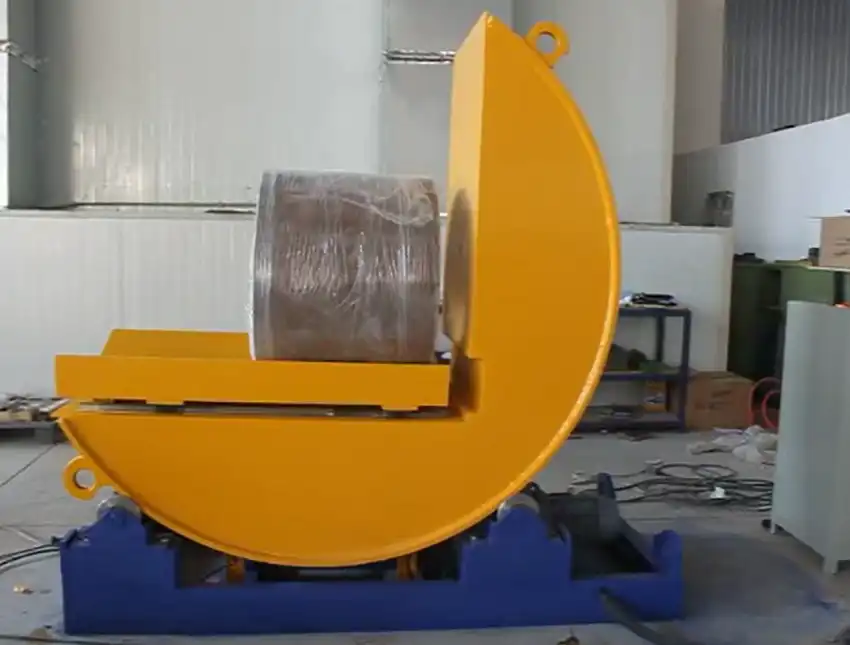
When I started in the packing machine industry, I saw many workers getting hurt. They strained their backs. They pinched their fingers. Some had more serious accidents. This was because they had to move heavy objects by hand. This image stuck with me. It drove my passion for automation. I wanted to create machines that protect people. Modular upenders are a big part of this solution.
They perform the dangerous work. They turn coils weighing many tons. They do this with precision. They do it with stability. Workers no longer need to use pry bars. They do not need to push or pull heavy items. They do not need to risk crushing injuries. This shifts the risk from humans to machines. Machines can handle the load safely.
Think about the process of turning a large steel coil from horizontal to vertical. Or vice versa. Manually, this involves complex rigging. It involves cranes or forklifts working together. There is always a risk of the load slipping. There is a risk of a dropped coil. There is a risk of swinging. Any of these can cause severe injury or death. An automated upender does this in a controlled environment. It has safety interlocks. It has sensors. These prevent operation if a worker is too close. They ensure the coil is secure before movement.
Different modular components offer different safety features. For example, a heavy-duty cradle module can have more robust clamping. This prevents coil slippage. A rotating platform module can offer smoother, more controlled turning. This minimizes sudden movements. These designs reduce the chance of damage to the coil itself. More importantly, they protect the people around it.
I once designed a packing line for steel wire coils. The old way involved workers rolling coils onto pallets. This was a nightmare for safety. We introduced an automated upender. It gently tilted the coils onto the pallet. The workers just guided them. This small change made a huge difference. It made the job safer. It made it faster. It reduced their fear of injury. This also lowered the factory’s insurance costs significantly. It improved employee morale too. When workers feel safe, they are more productive. They stay with the company longer. This reduces turnover. It builds a stronger, more stable workforce. This is a clear win-win situation. The modular design also allows for easier integration of safety guarding. These guards create a physical barrier between the moving parts and the workers. This ensures that even during maintenance, workers are protected. These elements combine to create a much safer work environment. This is good for employees and good for the company’s bottom line.
| Hazard Area | Manual Handling Risks | Modular Upender Safety Solutions |
|---|---|---|
| Lifting/Flipping | Back strains, sprains, crushed limbs | Automated turning, no direct human contact |
| Falling Objects | Coils slipping from chains, forklifts | Secure clamping, controlled movement |
| Pinch Points | Hands caught between coil/equipment | Guarding, safety interlocks |
| Fatigue | Increased risk of error over shifts | Machine performs strenuous work |
| Insurance Cost | Higher premiums due to injury claims | Lower premiums with reduced accidents |
| Worker Morale | Low due to dangerous work | Higher due to safer environment |
Can Customization Prevent Product Damage for Different Coil Dimensions and Boost ROI?
Product damage during internal transfer is a silent killer of profits. Scratched coil edges. Dented surfaces. These problems lead to customer complaints. They lead to returns. They mean less profit for the factory. This issue is common when equipment does not fit the specific product.
Customization in modular upenders directly prevents product damage. They feature adjustable cradles and specific clamping tools. These elements match varied coil diameters and widths. This ensures a secure, gentle hold. This minimizes scratching or denting during turning. This keeps products in perfect condition.

I have seen many times how slight product damage can cost a fortune. A small scratch on a high-value steel coil makes it unsellable. Or it gets sold at a big discount. This hits the bottom line hard. It damages the company’s reputation. This is why I always stress the importance of precision in packing machines. Especially for delicate heavy items. Modular upenders are excellent at this.
Their strength lies in their ability to be tailored. A standard upender might work for one coil size. But what if your factory handles coils from 500mm to 2000mm in diameter? And varying widths? A modular design allows for quick changes. You can swap out cradle inserts. You can adjust the clamping pressure. You can even add specialized padding. This ensures that each coil, regardless of its size, is held snugly. It is held securely. It is not crushed. It is not allowed to shift during the turn.
Consider a factory in Colombia that processes both thin aluminum coils and thick steel coils. These materials have very different properties. Aluminum is softer. It dents easily. Steel is robust but can also be scratched. A modular upender can use different contact surfaces for each material. For aluminum, it might use rubber-lined cradles. For steel, it might use hardened, smooth steel surfaces. This flexibility means the upender handles each product optimally. It prevents damage.
I remember helping a company that made precision wire. Their old method of stacking coils by hand often led to tangled wires and damaged spools. We introduced an upender system with custom-fitted cradles. These cradles perfectly held the spools. The damage dropped to almost zero. This saved them a lot of money. It made their customers much happier. The goal is to ensure the coil is supported evenly across its entire contact surface. This avoids point loading. Point loading happens when weight is on a small area. This causes dents. Modular upenders can distribute the load. This keeps the coil’s shape perfect. This protects its integrity. This is crucial for maintaining product quality. It helps avoid costly rejections from customers. This also means less waste in the factory. Less waste equals more profit.
This prevention of damage directly boosts your ROI. Every coil saved from damage is revenue preserved. It reduces rework costs. It minimizes scrap. It maintains customer satisfaction, which leads to repeat business. Also, by improving product quality, a factory can often command better prices for its goods. This increases overall profitability. When I advise clients on investments, I always highlight how reduced waste can sometimes be even more impactful than increased production. It is money saved directly from the expense column. This makes for a strong financial argument.
| Damage Source | Impact on Product/Profit | Modular Upender Solution | ROI Impact (Direct Savings) |
|---|---|---|---|
| Uneven Support | Dents, deformation, weakened structure | Adjustable cradles, even load distribution | Reduced scrap, higher sale value |
| Slippage | Scratches, abrasions, loss of shape | Secure clamping, specialized gripping surfaces | Fewer returns, improved quality |
| Manual Handling | Edge damage, dropping, rough handling | Automated gentle transfer, no human contact | Reduced rework, fewer complaints |
| Incorrect Fit | Crushing, warping due to poor fit | Swappable modules for precise sizing | Optimal product integrity |
Conclusion
Modular coil upenders tackle factory challenges head-on. They boost efficiency, enhance safety, prevent product damage, and deliver clear ROI. Partnering with an expert ensures these solutions truly transform your operations.








