
Which Local Service & Spare‑Part Networks Support Coil Upenders in Korea?
Many factory managers, just like Michael Chen, face huge pressure. They need their production lines to run smoothly. When a key machine, like a coil upender, breaks down, it stops everything. This means lost money, missed deadlines, and a lot of stress. Finding good, reliable local service and spare parts for these machines is not just helpful; it is critical.
Finding local service and spare part networks for coil upenders in Korea means looking at a few key places. Most big upender manufacturers often have local service partners or authorized distributors there. You can also find specialized industrial equipment repair shops in industrial zones. Sometimes, even major steel mills or heavy industries in Korea will have in-house teams or know reliable external support groups.
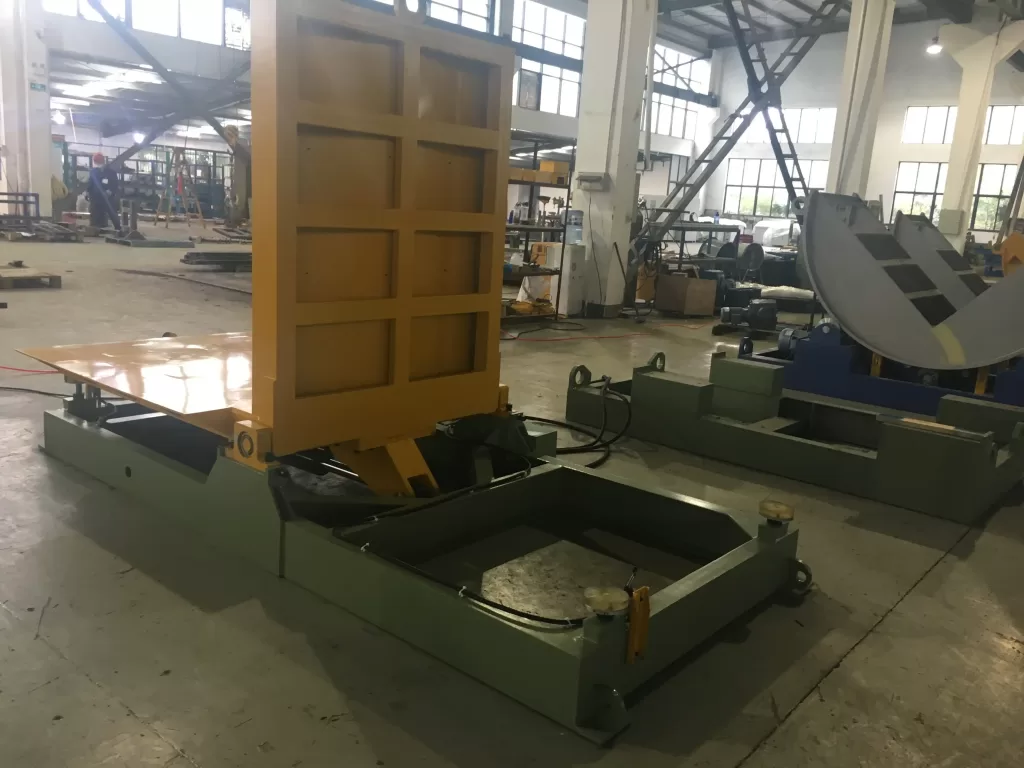
It is one thing to buy a machine. It is another thing entirely to keep it running well for years. Understanding how to get proper support for your upender is key to long-term success. So, let us dig deeper into how you can make sure your investment keeps paying off.
Why is local support crucial for coil upenders in Korea?
Imagine this: your coil upender suddenly stops. You have a factory full of workers, raw materials waiting, and customers expecting delivery. This is a factory manager’s nightmare. This exact problem is why local support is so important.
Local service for coil upenders in Korea means help can arrive fast. If a machine breaks down, quick repairs save production time. This reduces the financial loss from downtime. It also means you get the right parts quickly. Waiting weeks for parts to ship from another country just is not practical for a busy factory.

Local support is more than just speed. It also affects how much money you spend and how safe your workplace is. When I started my packing machine factory, I learned this fast. A machine standing idle means wages are paid for no production. It means orders are delayed. This hits your bottom line hard. Michael Chen, a factory manager, worries about high labor costs and product damage. Good local support helps fix these problems. For example, if your upender is not working right, manual handling of heavy coils becomes necessary. This is slow, dangerous, and can damage your product. A fast, local repair team prevents this. They know the local regulations and safety standards. This helps keep your factory compliant and your workers safe. They can also offer regular maintenance. This stops small issues from becoming big, costly breakdowns. Think of it like this: a small investment in maintenance saves a huge amount in emergency repairs and lost production. For me, early in my career, I saw how much a lack of immediate support could cost. I had to wait for parts. This taught me the value of having someone nearby who understood my machine and my business. This experience helped me later when setting up my own factory. I made sure we had strong local service connections for our own equipment. This is a lesson I want to share. Local support gives peace of mind. It means your factory can keep moving, even when things go wrong.
How do you identify reliable service providers in Korea?
It can feel like a gamble finding new partners, especially after bad experiences. Michael Chen faced a “supplier trust crisis.” He has worked with equipment suppliers who only care about sales and then disappear after the sale. So, how do you find someone reliable for your coil upender in Korea?
Finding a reliable service provider means looking beyond just a sales pitch. You need to check their track record. You need to see if they have the right skills and resources. It is about finding a true partner for your factory.
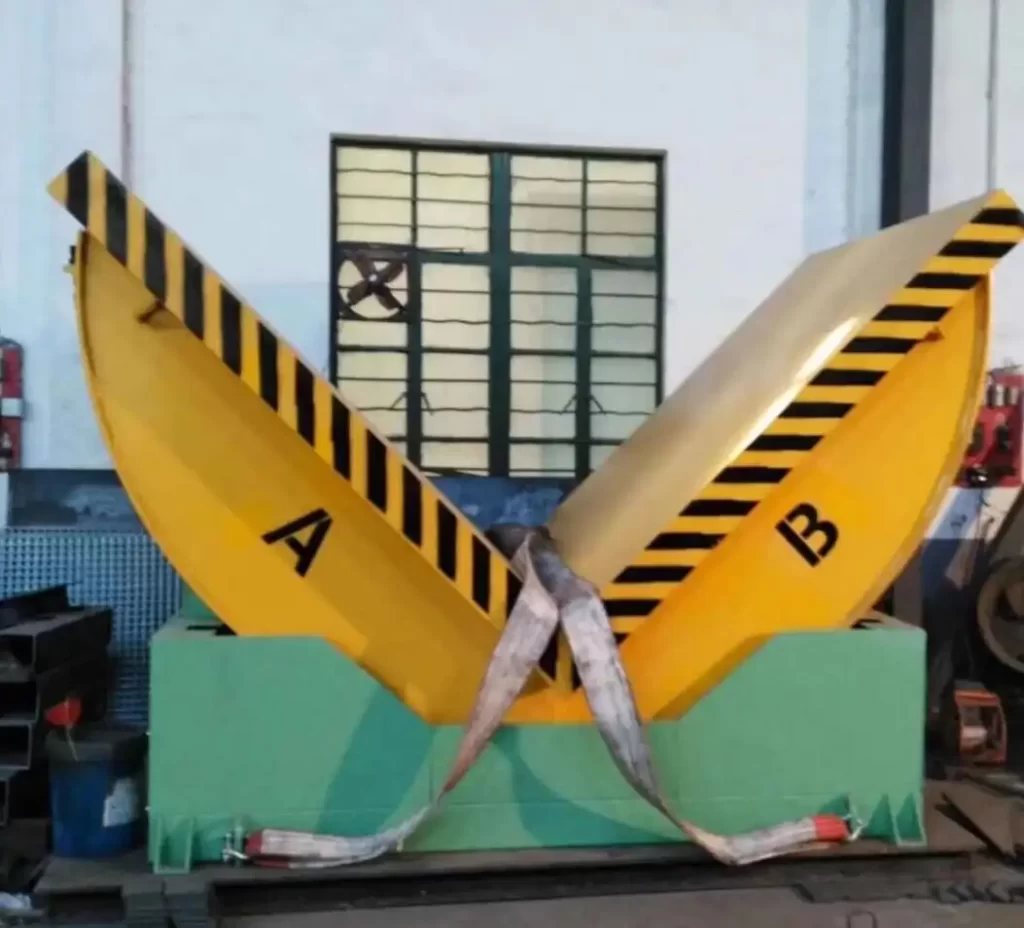
To find good service providers for coil upenders in Korea, start by asking for references. Talk to other factories in Korea that use similar equipment. They can tell you about their experiences. You should also check for certifications. Do the technicians have proper training from the upender manufacturer? Do they understand electrical systems, hydraulics, and mechanical parts? A reputable provider will often have clear certifications. Also, look at their response time. Ask them about their typical response time for emergencies. A good provider knows that quick action is important. They will have a system to dispatch technicians fast. This is crucial for factories like Michael’s, where every minute of downtime costs money. Consider their inventory of spare parts. Do they keep common wear parts in stock in Korea? If not, you might face long waits. This is a big problem. A good service partner will have a local stock of critical parts. This makes repairs much faster. When I was building my own factory, I learned that a supplier’s reputation is built on trust and consistent support. We always looked for partners who were transparent about their capabilities and limitations. We also looked at their experience with specific types of equipment. A company that mainly services packaging lines might not be the best for heavy coil upenders unless they have special expertise. Look for companies that specialize in heavy industrial machinery or material handling. They often have the right tools and deep knowledge. Always get a written service agreement. This should clearly state response times, labor rates, and parts pricing. It protects both sides. A reliable partner will be happy to provide this. They will also be willing to discuss your specific needs. This includes your operating hours, your production targets, and your safety rules.
What challenges might you face with spare parts in Korea, and how to overcome them?
Getting spare parts for any machine can be hard. For specialized equipment like coil upenders, it can be even harder. This is especially true when parts need to come from far away. Factories in Korea face specific challenges with spare parts.
The main challenge is often availability and lead time. Some specialized parts might not be made in Korea. This means they need to be imported. This takes time. It can also cause problems with customs.
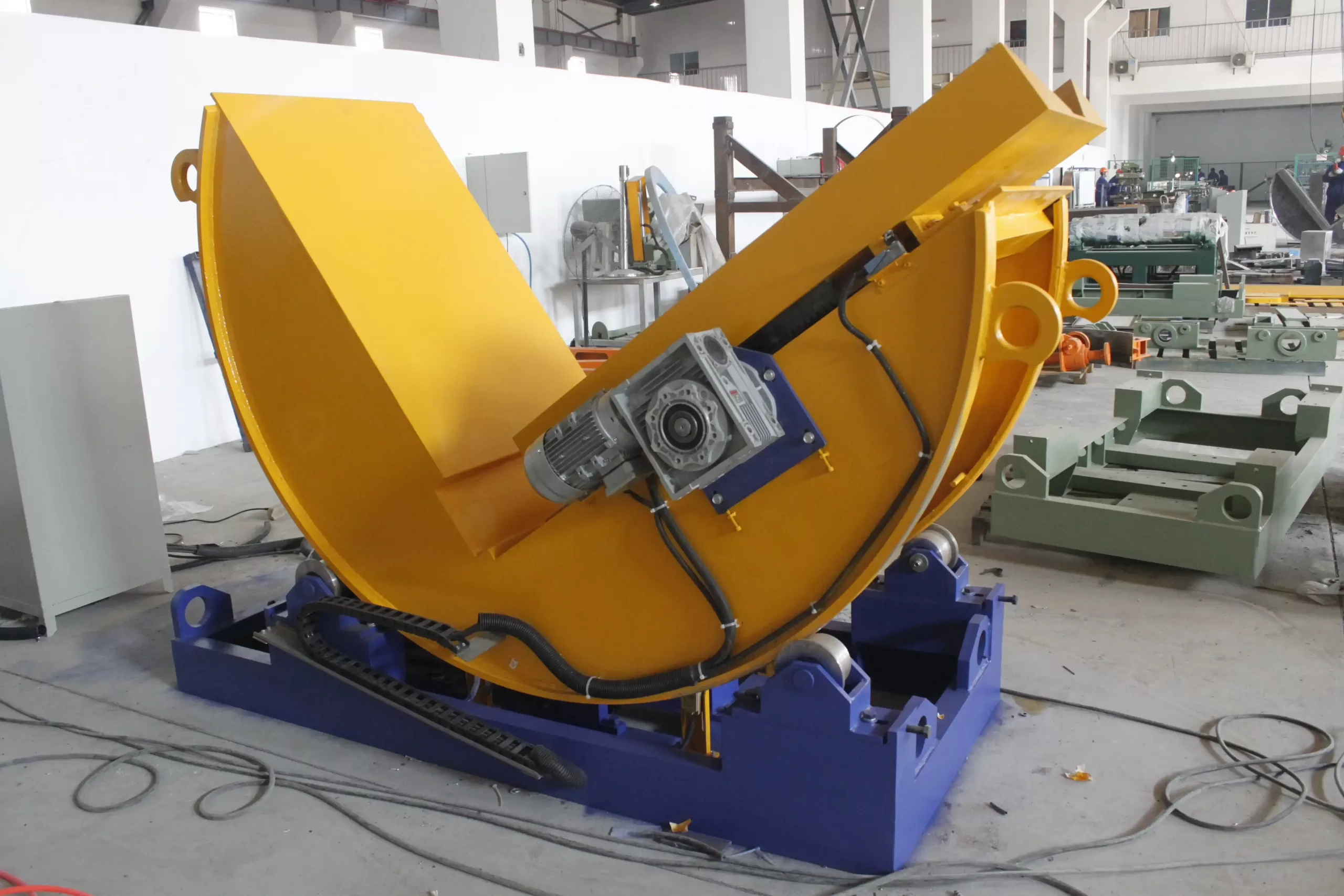
Overcoming spare part challenges in Korea needs a smart approach. First, you should work closely with your upender manufacturer. They often have authorized distributors or agents in Korea. These partners can help with ordering original parts. Original parts are important. They fit right, and they last longer. Using non-original parts can cause more breakdowns and even safety issues. I have seen this happen in many factories. Another strategy is to keep a small stock of critical wear parts yourself. Things like hydraulic filters, seals, certain bearings, and common electrical components. These are parts that fail often or are very important for the machine to run. Your service provider or the manufacturer can advise you on which parts to keep. This upfront investment prevents long downtime. When I ran my factory, we always kept a strategic inventory of common parts. This helped us avoid waiting for shipments. For very specialized or expensive parts, you can explore consignment agreements with your supplier. This means the supplier keeps the part at their local warehouse, and you only pay when you use it. This reduces your upfront cost but ensures availability. Also, understanding the import process into Korea is helpful. Sometimes, working with a customs broker can speed things up for critical parts. Building a strong relationship with a local service company also helps. They often have networks for sourcing parts quickly, even if they do not stock everything themselves. They might know local workshops that can fabricate simple parts in an emergency. This saves time. Finally, always document part numbers and suppliers. Keep good records of all your machine’s components. This makes reordering easier and faster. Being prepared for part needs is part of keeping your production line running smoothly.
My Insights: What Randal Liu has learned about long-term upender support?
After years in the packing machine industry, from employee to factory owner, I have seen a lot. I have learned what truly makes a business succeed. It is not just about buying the best machine. It is about how you support it.
My journey taught me that real success comes from reliable operations. For me, that meant understanding how machines work, how to fix them, and how to keep them running. This is true for coil upenders too.
Long-term support for a coil upender is more than just fixing it when it breaks. It is about a plan. First, proactive maintenance is king. Do not wait for a breakdown. Schedule regular checks and service. This prevents small problems from becoming big, costly ones. I always set up strict maintenance schedules in my factory. This saved us money and kept our production stable. Second, build strong relationships. Work closely with your equipment suppliers and service partners. When they understand your factory’s needs, they can offer better support. They can even suggest upgrades that boost efficiency or safety. I always made sure to talk openly with my suppliers. This helped me get the right solutions for my business. Third, always think about the Return on Investment (ROI). Michael Chen wants clear ROI. When you invest in a machine or its service, think about how it will save you money or make you more money in the long run. Good service might cost money upfront, but it prevents huge losses from downtime, product damage, or worker injury. For example, if a manual process costs X amount in labor and injuries, an automated upender with good support can reduce that significantly. That is clear ROI. Fourth, never stop learning. The packing machine industry changes. New technologies come out. Stay informed about the best practices for upender care. As a knowledge-sharing platform, FHOPEPACK is here to help you do just that. My goal is to give back. The industry helped me achieve financial independence and helped my clients grow. Now I share what I know. This includes the importance of solid, long-term support for your machines. It is the backbone of efficient manufacturing.
Conclusion
Finding good local service for coil upenders in Korea is vital for factory success. It prevents downtime, reduces costs, and keeps workers safe. Invest in proactive support to ensure your operations run smoothly.








