
How Can Operators in Korea Rapidly Diagnose Coil Upender Faults?
Factory operations in places like Korea demand peak efficiency. A coil upender stopping means big problems. Production slows. Deadlines are missed. Costs go up. It causes a lot of stress for managers. But knowing how to quickly find and fix upender issues changes everything. It keeps your lines running. It saves your business money.
Operators in Korea can rapidly diagnose coil upender faults by following a systematic approach. This includes visual inspections, listening for unusual sounds, checking control panel error codes, basic electrical checks with a multimeter, and observing hydraulic system behavior. Quick action and clear steps help pinpoint the exact problem fast.
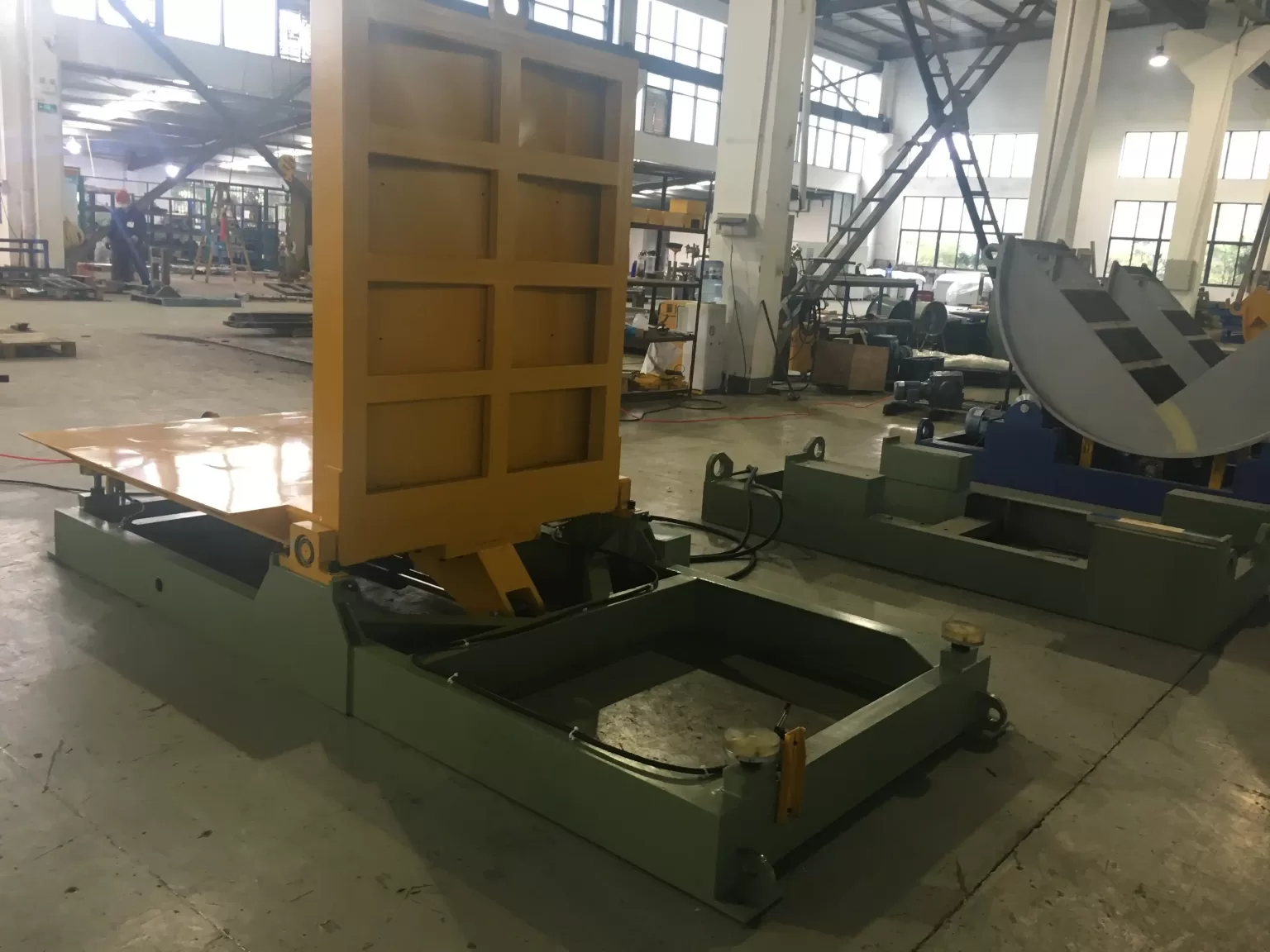
You want your equipment to work. Every minute of downtime costs you. Learning how to diagnose upender faults quickly makes a big difference. It helps you get back to full speed fast. Let us look at common issues and how to find them. This knowledge helps your whole operation.
What Common Mechanical Issues Do Coil Upenders Face?
Imagine your upender starts making strange noises. It moves slowly. Or it just stops. This is a common problem. Mechanical parts wear out. They can break. This stops your work. It leads to big delays. You need to know what to look for fast.
Coil upenders often face mechanical issues like worn bearings, misaligned components, loose fasteners, or damage to the frame. Operators can diagnose these by visually checking for cracks, excessive play, unusual vibrations, or grinding sounds during operation. A quick physical inspection is the first step.

When an upender shows mechanical trouble, a detailed check is vital. It saves you from bigger damage. It helps you avoid longer downtime. I have seen many factories struggle with this. Early in my career, I learned that ignoring small noises often leads to major failures. A small problem today can mean a complete stop tomorrow. You must focus on details.
Common Mechanical Faults and Checks
- Bearings and Rollers:
- Problem: Bearings wear out. Rollers get damaged. This causes grinding noises. It creates rough movement. Sometimes, the upender vibrates.
- Check: Listen for unusual sounds. Feel for vibrations. Look at the rollers. Check for cracks. Check for flat spots. Spin the rollers by hand if safe. They should turn smoothly. Look for rust or corrosion near bearings.
- Hydraulic Cylinder Mounts:
- Problem: The pins or mounts for the hydraulic cylinders loosen. They can break. This causes instability. It leads to jerky motion. The upender might not lift evenly.
- Check: Look at all mounting bolts. Make sure they are tight. Check for cracks around the mounting points. Look for play in the pins that hold the cylinders. Use a wrench to test tightness.
- Frame and Structural Integrity:
- Problem: Heavy use can cause cracks. Welds can break. This makes the upender unsafe. It affects its ability to hold weight.
- Check: Walk around the upender. Look closely at the frame. Check all welded joints. Look for any new cracks. Pay attention to high-stress areas. These are usually near lifting points. Also check the base. Make sure it sits flat and firm.








