
Which Horizontal Orbital Wrapper Offers the Best Balance of Cost and Performance for Aluminum Profiles?
Have you ever felt the pressure of rising production costs? Do you worry about worker safety or damaged products? Many factory managers I talk to face these exact problems. Manual wrapping of long, heavy items like aluminum profiles is slow. It creates huge safety risks. It also leads to damaged goods. This affects your bottom line.
Finding the right horizontal orbital wrapper is crucial. The best machine offers a strong balance of upfront cost and long-term performance. It should boost your efficiency. It must also protect your workers and products. Machines like FHOPEPACK’s E series are designed for this. They provide automated wrapping solutions. These solutions minimize labor and maximize safety for large, challenging items like aluminum profiles.
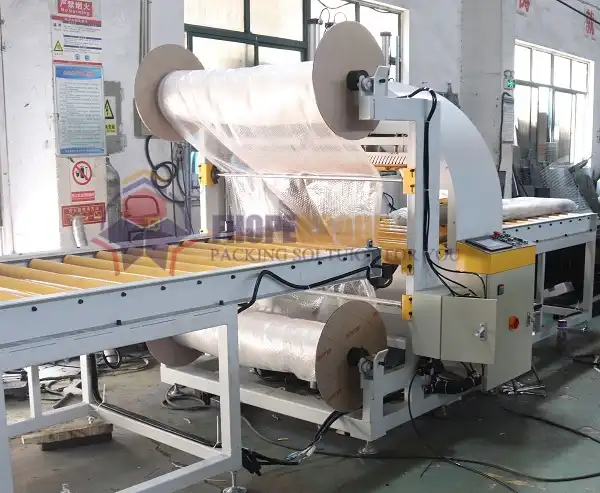
You might be thinking, “Where do I even start?” Choosing the right equipment is a big decision. It impacts your whole operation. I know this from my own journey. I started on the factory floor myself. I later built my own packing machine factory. So, I understand your challenges. Let’s explore how to find the perfect wrapper for your aluminum profiles. We will look at what matters most for your factory.
What Defines “Best Performance” for Wrapping Aluminum Profiles?
Are you tired of slow production lines? Does product damage eat into your profits? For aluminum profiles, “best performance” means more than just wrapping speed. It truly means safeguarding your product and your people. It also means keeping your operations running smoothly. Manual wrapping is a bottleneck. It puts your workers at risk. It also makes your product vulnerable to damage.
For aluminum profiles, the best performance comes from a wrapper that ensures consistent, secure packaging. It needs to handle long, heavy, and often delicate profiles without damage. High performance also means increased throughput and reduced labor. It also means improved safety for your team. This protects the aluminum profile’s surface from scratches. It also prevents bending during transit and storage.

Let’s dig deeper into what “best performance” really means for your specific needs. When I was building my packing machine factory, one of the first things I learned was to listen to the customer. I saw how manual processes created huge headaches. Workers struggled with heavy materials. They often suffered injuries. Products would get scuffed or bent. This led to unhappy customers and financial losses. I quickly understood that a good machine does not just wrap. It solves real problems. For aluminum profiles, performance means:
1. Product Protection and Integrity
Aluminum profiles can be easily scratched or dented. A high-performance wrapper ensures a tight, consistent wrap. This protects the surface. It prevents movement during transport. This means fewer customer complaints. It also means less scrap material. I have seen factories lose thousands of dollars each month due to preventable product damage. A good wrapper is an investment in product quality.
2. Operational Efficiency and Throughput
Manual wrapping is slow. It consumes a lot of labor. A high-performance horizontal orbital wrapper significantly increases your wrapping speed. It frees up your workers for other tasks. This boosts your overall production output. This is especially important if you have high volume. It helps you meet tight delivery schedules. Think about the time saved. Think about the labor costs cut. These savings add up very quickly.
3. Safety for Your Workforce
This is a huge one for me. Moving heavy aluminum profiles by hand is dangerous. Workers can suffer back injuries. They can crush their fingers. An automated wrapper reduces the need for manual handling of the profiles. It creates a safer work environment. This lowers your insurance costs. It also improves employee morale. I have always believed that a safe factory is a productive factory. My own journey showed me how much a good machine can protect people.
4. Adaptability and Customization
Aluminum profiles come in many shapes and sizes. A top-performing wrapper should be flexible. It needs to handle different lengths, widths, and weights. Some machines offer adjustable wrapping parameters. They can handle various film types. They can even integrate with existing conveyor systems. This adaptability ensures your machine can grow with your business. It can handle future product lines.
What is the True “Cost” of a Horizontal Orbital Wrapper?
Are you focused only on the sticker price? That is a common mistake. Many people look at the initial purchase cost. But the true cost of a horizontal orbital wrapper goes far beyond that. A cheap machine might save you money today. It could cost you a lot more tomorrow. Hidden costs can include downtime, repairs, and wasted materials. This truly impacts your factory’s profitability.
The true cost of a horizontal orbital wrapper includes the initial purchase price, operational expenses, maintenance, and potential downtime. A seemingly cheaper machine can quickly become expensive due to high energy use, frequent breakdowns, and increased labor needs. Investing in a reliable, efficient wrapper from FHOPEPACK often leads to a lower total cost of ownership over its lifespan. It reduces labor, minimizes product damage, and ensures continuous operation.
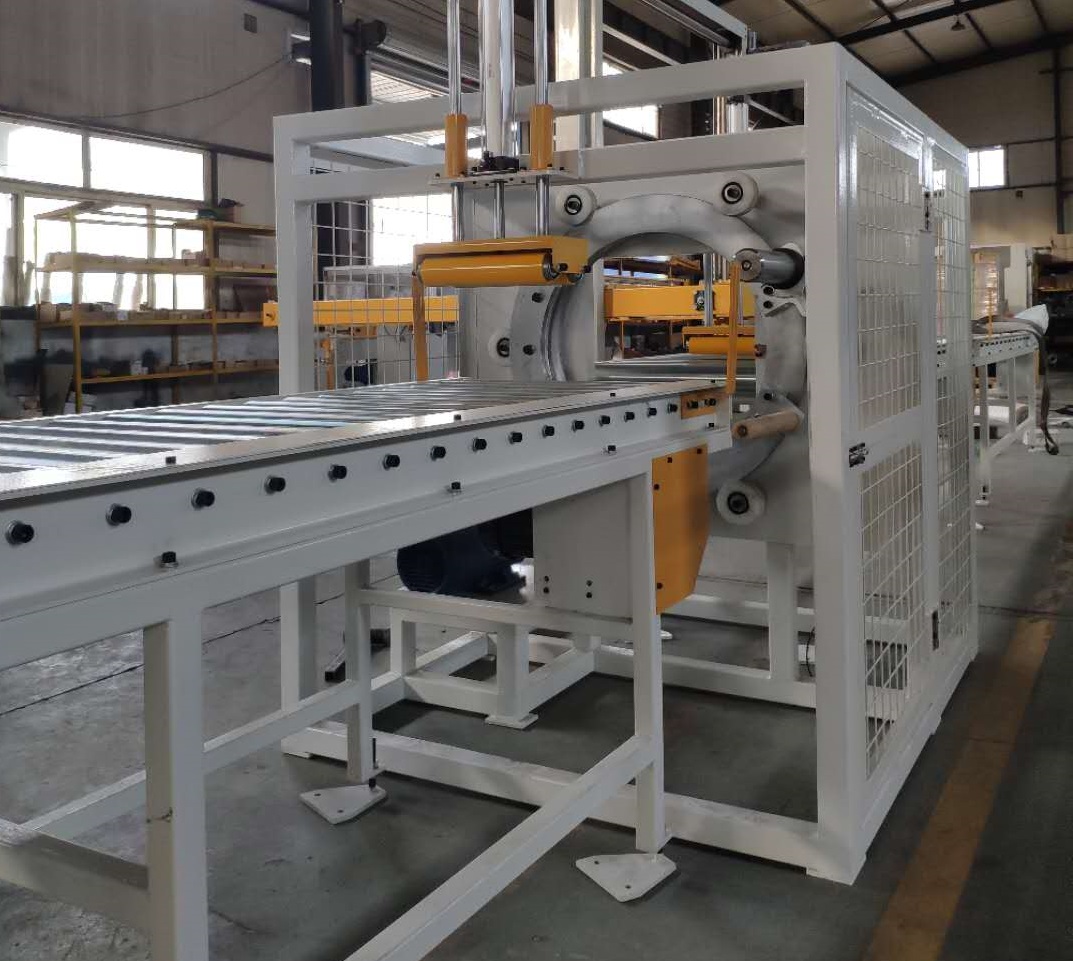
Let’s look at the full financial picture. When I first started my factory, I learned fast about every cost. I learned that cutting corners on equipment often came back to bite me. It cost more in the long run. I saw clients try to save a few dollars upfront. Then they faced massive losses from machine failures. They also had ongoing operational issues. For factory managers like Michael, understanding the full cost is key. This helps you make a smart investment. Here are the key components of the true cost:
1. Initial Investment
This is the price you pay for the machine itself. Prices vary widely. They depend on features, size, and brand. Higher quality machines often have a higher upfront cost. But they offer better durability. They also have more advanced features. This can save you money in the long term. This is a big decision for your budget.
2. Operational Costs
These are the costs to run the machine every day. They include:
- Energy Consumption: Some machines are more energy-efficient than others. This can save you a lot on your electricity bill.
- Film Consumption: Different wrappers use different amounts of stretch film. An efficient machine uses less film. This reduces material costs.
- Labor Costs: An automated wrapper reduces the need for manual labor. This directly impacts your payroll. This is a major saving for many factories.
3. Maintenance and Repair Costs
Machines need maintenance. They can break down. These costs include:
- Parts: The cost and availability of spare parts.
- Service: The cost of technicians for repairs and regular servicing.
- Downtime: This is a hidden cost. When your machine is down, production stops. This means lost revenue. It means missed deadlines. A reliable machine with good support minimizes downtime. This saves you a lot of money. I’ve seen downtime cost factories hundreds of thousands of dollars in lost production. This makes good maintenance support essential.
4. Installation and Training Costs
You also need to consider the cost of setting up the machine. This includes installation. It also includes training your staff to operate it. A good supplier offers support for these areas. This ensures a smooth start. It helps your team use the machine effectively. This reduces early operational problems.
5. Return on Investment (ROI)
Ultimately, the “cost” is measured by the return. A well-chosen wrapper offers a clear ROI. It does this by reducing labor. It cuts product damage. It also increases throughput. This makes your investment worthwhile. It directly impacts your factory’s profitability.
Which Key Features Truly Matter for Aluminum Profile Wrapping?
Are you overwhelmed by all the options? Do you wonder which features are essential and which are just fancy extras? Not all horizontal orbital wrappers are created equal. For aluminum profiles, certain features are critical. They directly impact performance, safety, and your bottom line. Choosing the right features ensures your machine truly meets your factory’s unique demands.
For wrapping aluminum profiles, key features include a robust and heavy-duty design. It needs to handle long and heavy items. It needs an adjustable wrapping tension system for proper product protection. Automatic cut-and-clamp features improve efficiency. Safety sensors are vital for worker protection. Integration with conveyor systems maximizes automation. FHOPEPACK machines often include these features. They are built for the demanding environment of metal processing plants.
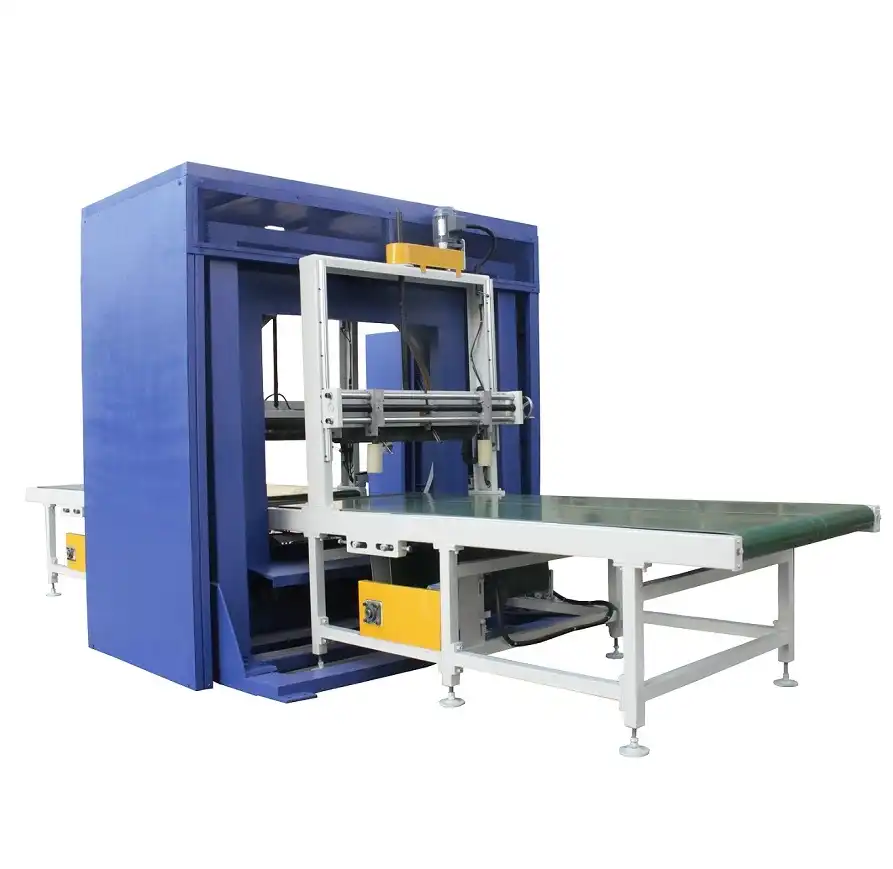
Let’s break down the features that really make a difference. From my time building packing machines, I know that customization is often key. You need a machine that fits your exact profile size. You need it to fit your volume. Michael, as a factory manager, cares about durability and efficiency. He wants equipment that can withstand tough environments. He also wants equipment that improves safety. Here are the features that truly matter:
1. Heavy-Duty Construction
Aluminum profiles are long and can be heavy. The wrapper needs to be built tough. It needs a robust frame. It needs durable components. This ensures it can handle the load. It can also withstand the demands of a busy factory environment. This prevents frequent breakdowns. It ensures a long lifespan for the machine. This is crucial for continuous operation.
2. Adjustable Wrapping Parameters
Different profiles may need different wrapping needs. The machine should allow you to adjust:
- Film Tension: Too loose, and the product is not secure. Too tight, and it could damage the profile.
- Wrap Layers: You can choose how many layers of film to apply. This gives you control over protection.
- Ring Speed: Faster speed means faster wrapping. But it needs to match the product. This flexibility ensures optimal packaging for every product. It also minimizes film waste.
3. Automatic Cut and Clamp System
This feature greatly boosts efficiency. The machine automatically cuts the film. It clamps it for the next wrap cycle. This eliminates manual tasks. It saves time. It makes the process smoother. It means less human interaction. This also improves safety. It reduces the chance of injury from handling sharp film.
4. Safety Features
Safety is always my top priority. A good wrapper has:
- Emergency Stop Buttons: Easily accessible in case of an issue.
- Safety Guards and Light Curtains: These prevent workers from entering dangerous areas when the machine is running.
- Alarm Systems: They alert operators to problems. These features protect your team. They reduce the risk of accidents. For Michael, who faces high injury risks, these features are non-negotiable.
5. Integration with Conveyor Systems
For maximum automation, the wrapper should integrate with your existing conveyors. This allows for a continuous flow of profiles. Products move seamlessly from production to wrapping. This reduces manual handling. It eliminates bottlenecks at the end of the line. It improves overall factory efficiency. This is how you achieve true automation. This is how you significantly cut labor costs.
6. User-Friendly Controls
A machine with an intuitive interface is easier to operate. It reduces training time. It minimizes errors. A clear control panel helps your team run the machine effectively. This leads to higher productivity. It also makes troubleshooting simpler. My goal has always been to make machines that help people, not confuse them.
Why is Choosing the Right Partner More Important Than Just a Machine?
Have you ever bought a machine only to feel abandoned afterward? Many factory managers have. They get great sales pitches. But then they receive poor after-sales service. This leads to frustration and costly delays. Choosing a supplier is not just about buying equipment. It is about building a partnership. It is about finding someone who understands your real problems.
Choosing the right partner for your horizontal orbital wrapper is vital. It ensures you get expert guidance, reliable support, and tailored solutions. A good partner, like FHOPEPACK, understands your production bottlenecks, safety concerns, and efficiency goals. They provide more than just a machine. They offer insights and reliable solutions. They help you grow your business. This builds trust and ensures long-term success.
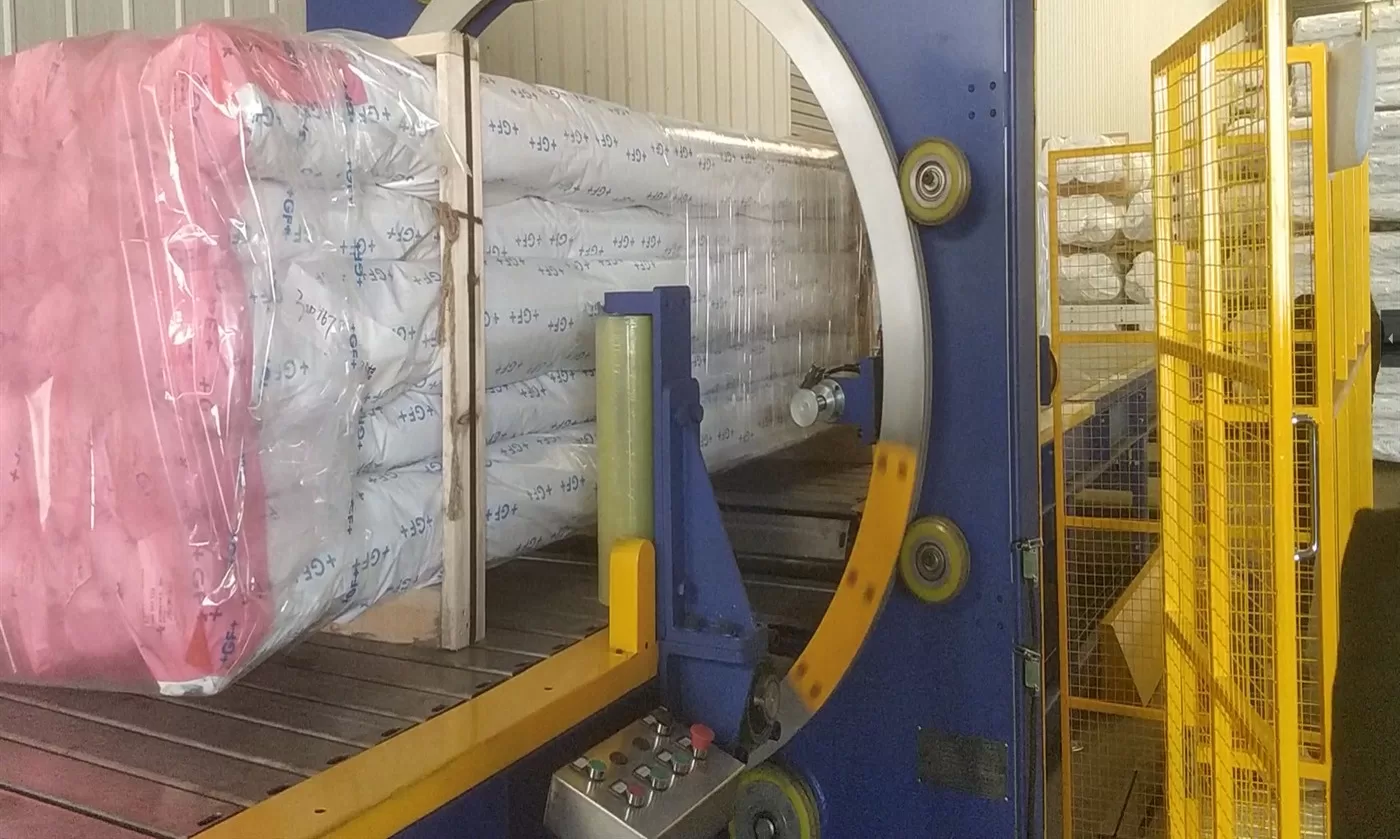
Let me tell you why this matters so much. My own journey in the packing machine industry taught me this. I started as an employee. Then I built my own factory. I saw what worked. I also saw what did not work. I witnessed the struggles of factory managers like Michael. They dealt with suppliers who only cared about the sale. They did not care about ongoing support. I made a promise to myself. I would be different. I would offer real solutions and lasting partnerships. Here is why this is important for you:
1. Deep Industry Understanding
A true partner understands your industry. They know the challenges of wrapping aluminum profiles. They know the safety risks. They know the efficiency bottlenecks. They can offer solutions that truly fit your needs. They are not just selling a machine. They are solving your problems. My own experience in coil packing and steel wire packing taught me these specific pain points.
2. Tailored Solutions, Not Just Products
Every factory is unique. A good partner does not offer a one-size-fits-all solution. They work with you. They analyze your specific situation. They recommend the best machine. They might suggest customizations. This ensures the equipment solves your exact problems. This helps you achieve your specific goals. This includes improving safety and cutting costs.
3. Reliable After-Sales Support
This is where many suppliers fail. A good partner provides:
- Installation Support: Help setting up the machine correctly.
- Training: Proper training for your operators.
- Technical Assistance: Quick help when issues arise.
- Spare Parts Availability: Easy access to parts. This support minimizes downtime. It keeps your operations running smoothly. It gives you peace of mind. I know Michael has faced supplier trust issues. That is why this point is so critical.
4. Long-Term Relationship
You are not just buying a machine. You are investing in your future. A good partner wants to help you succeed long-term. They offer ongoing advice. They share insights. They grow with your business. This is how real financial independence is achieved. It is how businesses truly grow. I saw this in my own journey. I want to help you achieve it too.
5. Proven Track Record
Look for a partner with a history of success. Check their testimonials. Ask for references. A solid track record shows they deliver on their promises. FHOPEPACK has helped many clients grow their businesses. We do this by providing reliable machines and expert support. This builds confidence in your investment.
What’s My Best Advice for Wrapping Aluminum Profiles?
You have seen the features. You have heard about the costs. You understand the importance of a good partner. Now, what is my personal take? Based on my years in this industry, my advice for wrapping aluminum profiles is clear. It combines all these elements. It leads you to the best choice for your factory.
My best advice for wrapping aluminum profiles is to prioritize a heavy-duty, automated horizontal orbital wrapper that focuses on safety and efficiency. Look for a machine that offers adjustable parameters and can integrate with your existing lines. Crucially, choose a supplier who acts as a true partner, offering deep industry knowledge and robust after-sales support. This strategy will provide the best balance of cost and performance.
When I reflect on my journey, from working on the factory floor to owning my own successful packing machine factory, I realize one thing. It is not just about the machine itself. It is about the complete solution. It is about the trust you build. It is about the problems you solve. For aluminum profiles, you need a machine that is built like a tank. It needs to handle the weight. It needs to handle the length. It needs to keep going day after day.
Here is my specific advice for you:
1. Invest in Automation with a Focus on Safety
Manual handling of aluminum profiles is a huge liability. It is slow. It is dangerous. Invest in a horizontal orbital wrapper that automates the entire process. This reduces the need for human interaction. It drastically cuts injury risks. Look for machines with advanced safety features. These include light curtains and emergency stops. They are non-negotiable. I have seen firsthand the impact of injuries on workers and factory budgets. Preventing these is paramount.
2. Seek Customization and Flexibility
Your aluminum profiles might change. Your production needs might grow. Choose a machine that is adaptable. It needs to handle various lengths and cross-sections. It should allow for precise control over film tension and wrap layers. This flexibility means your investment will last. It will adapt to your future needs. Do not buy a rigid machine that limits your growth.
3. Demand Durability and Reliability
The operational environment of a metal processing plant is tough. Dust, heavy loads, continuous operation – your machine must withstand it all. Look for wrappers made with high-quality components. They need a strong frame. Ask about the lifespan of key parts. A reliable machine means less downtime. Less downtime means more production and higher profits. I learned this the hard way with early equipment choices. Reliability saves you massive headaches and money.
4. Partner with an Expert, Not Just a Vendor
This is perhaps the most important point. Find a company like FHOPEPACK. We are founded by engineers who have lived and breathed the packing machine industry. We understand your pain points. We understand your goals. We offer ongoing support. We share knowledge. We are not just selling you a machine. We are offering you a solution. We are building a relationship. We want to see your business thrive. My success came from understanding client needs deeply. I now share that same commitment.
5. Calculate the Total Cost of Ownership (TCO)
Look beyond the purchase price. Consider energy consumption. Think about film waste. Factor in maintenance and potential downtime. A slightly more expensive machine upfront can save you a lot more money in the long run. It does this through efficiency, reduced labor, and less product damage. Do your homework on ROI. Ensure the investment makes financial sense over its entire lifespan.
Conclusion
Choosing the right horizontal orbital wrapper for aluminum profiles means balancing upfront cost with long-term performance, safety, and a trusted partnership. Prioritize automation, durability, and a supplier committed to your success.








