
How Fast Can a Horizontal Stretch Wrapper Package Doors Compared to Other Methods?
The challenges of packaging large, often delicate items like doors can feel overwhelming. I have spent years in the packing machine industry. I know the pressure plant managers like Michael face. You need to boost output, cut costs, and keep your team safe. I have seen many factories struggle with slow, manual processes. These processes lead to high labor costs, product damage, and even serious injuries. Does this sound like your factory floor?
A horizontal stretch wrapper can package doors significantly faster than traditional manual methods. While manual wrapping can take several minutes per door, often involving two or more workers, an automated horizontal stretch wrapper can complete the process in as little as 30 to 60 seconds. This includes wrapping, securing, and often preparing the door for shipment. This speed gain comes from the machine’s ability to apply stretch film quickly and uniformly around the entire product as it passes through a wrapping ring. This automation drastically cuts labor time and boosts overall production flow.

I know these numbers sound good on paper. But what do they mean for your actual operations? How can a piece of equipment change your daily challenges? Let’s dig deeper into how these machines work and how they compare to what you might be doing right now. We will look at speed, safety, and your bottom line.
What Makes Manual Door Wrapping So Slow and Risky?
Have you ever watched your team manually wrap a large door? It is a demanding task. Workers must move around the bulky item, stretching and securing film by hand. This process is not just slow; it is also full of risks. I started my career working in a packing machine factory. I saw firsthand how much time and energy manual work consumed.
Manual door wrapping is slow because it needs human effort for every step. Workers must walk around the door multiple times, applying film layer by layer. This process is labor-intensive, often needing two or more people. It is also risky because workers lift, bend, and stretch, increasing the chance of back injuries or slips. When dealing with heavy or awkward items like doors, the risk of dropping the product or trapping fingers is always present. This leads to slow output, high injury rates, and increased insurance costs.

When I think about the challenges many factory managers face, efficiency and safety are always at the top. Manual wrapping might seem like a low-cost option at first. But the hidden costs quickly add up. Think about the time wasted per door. Consider the potential for worker injury. Each injury means lost productivity, higher insurance premiums, and the need for new training. I have helped many clients grow their businesses. One key step was always to identify and remove these kinds of bottlenecks.
The True Cost of Manual Labor in Packaging
Manual packaging of doors is not just about the direct labor wages. It comes with many hidden costs. These costs can eat away at your profits without you realizing it.
Hidden Costs of Manual Door Wrapping
- Labor Hours: Each door takes minutes. Multiply this by hundreds or thousands of doors. The total labor hours become huge. Two workers might spend five minutes wrapping one door. That is ten minutes of labor cost per door. An automated machine does it in less than one minute. The difference adds up quickly.
- Worker Injuries: Workers are constantly bending, lifting, and stretching. They handle heavy and awkward doors. This puts them at high risk for muscle strains, back injuries, and other work-related accidents. My experience tells me that these injuries lead to high medical costs. They also cause increased workers’ compensation claims. Employee morale and turnover rates can suffer too. This creates a cycle of constant hiring and training.
- Inconsistent Wrap Quality: Human effort means inconsistent tension and overlap. Some parts of the door might be too tight. Other parts might be too loose. This can lead to product damage during transport. It can also cause customer complaints. A poor wrap quality does not protect your product well. It makes your factory look less professional.
- Material Waste: Manual wrapping often leads to excessive film use. Workers might use more layers than needed. Or they might not tension the film correctly. This wastes valuable stretch film. Film is a recurring expense. Wasting it directly impacts your operating costs.
- Production Bottlenecks: Manual packaging is a slow point in the production line. It can slow down the entire manufacturing process. Finished doors pile up, waiting to be wrapped. This prevents smooth flow. It increases lead times for your customers. It can even force other parts of your factory to slow down.
I have seen businesses struggle for years with these issues. They do not realize that the “cheap” manual process is actually bleeding them dry. For instance, one of my clients was dealing with damaged steel coils. The damage happened during internal transfers. Manual strapping was the issue. When they switched to an automated solution, the damage stopped. Their customer complaints dropped significantly. This helped them save money and improve their reputation. The same principles apply to doors. Preventing product damage and worker injuries is a huge gain for any factory. It boosts overall profitability. It creates a safer workplace. This is why investing in the right equipment is not just an expense; it is a strategic move.
How Does a Horizontal Stretch Wrapper Actually Speed Things Up?
Now, let’s look at the solution: the horizontal stretch wrapper. This machine is a game-changer for many factories. It dramatically boosts packaging speed and efficiency. I have always focused on building machines that solve real problems for businesses. A horizontal wrapper does exactly that.
A horizontal stretch wrapper speeds up door packaging by automating the film application. The door moves through a rotating ring. This ring quickly wraps stretch film around the product from all sides. Unlike manual methods, the machine applies film at high speed and consistent tension. This eliminates the need for workers to walk around the item. It also ensures every part of the door gets a secure, uniform wrap. This automatic action cuts wrapping time down to seconds per door, dramatically increasing throughput.
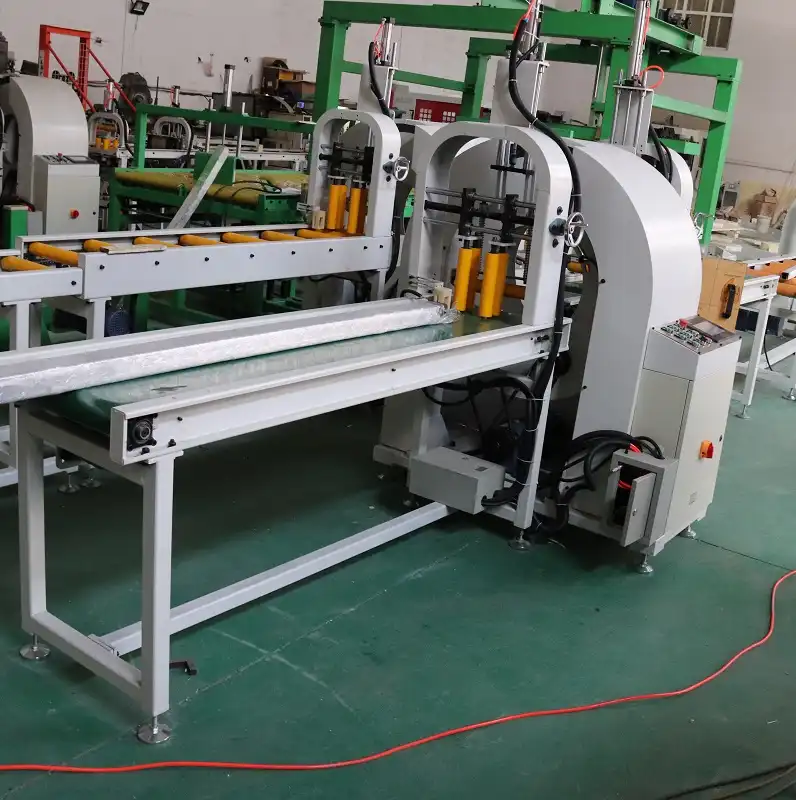
The core idea behind this machine is simple efficiency. You load the door onto a conveyor. The machine does the rest. It moves the door through its wrapping zone. The speed and consistency are something humans cannot match. This means your packaging line moves faster. Your overall production line can then keep up. This smooth flow prevents bottlenecks and piles of finished goods.
The Mechanics of Speed: How Automation Transforms Throughput
A horizontal stretch wrapper’s design is all about maximizing speed and wrap quality. It is a smart investment for factories looking to scale up.
Key Features Boosting Speed and Efficiency
- Continuous Flow: Doors move on a conveyor system. They pass directly through the wrapping ring. There is no stopping and starting. This creates a continuous, uninterrupted packaging process. This constant motion is what truly maximizes throughput.
- Rapid Film Application: The wrapping ring spins at high speeds. It applies multiple layers of stretch film very quickly. Modern machines can apply film at speeds that human hands simply cannot match. This means less time per door.
- Automated Film Cut and Seal: Once the wrapping is done, the machine automatically cuts the film. It then seals the end. This removes another manual step. It ensures a clean, secure finish every time. This automation saves precious seconds per cycle.
- Customizable Settings: You can set the number of film layers. You can adjust the tension. You can change the wrap pattern. This allows for optimal protection with minimal film waste. This means you do not over-wrap or under-wrap. You get the right wrap every time.
- Integration with Production Lines: These wrappers can easily fit into existing production lines. They connect with conveyors and other material handling equipment. This creates a fully automated end-of-line solution. This seamless integration means doors move from assembly to packaging without human touch points.
- Reduced Labor Dependency: A single operator can manage multiple machines. Or they can monitor one machine while doing other tasks. This frees up your valuable labor force. They can then focus on more complex tasks. This reduces your overall labor costs significantly.
From my experience, when a factory manager invests in automation, they see immediate results. I recall working with a client who needed to package large steel bars. They were using manual strapping. It was slow and dangerous. We introduced an orbital wrapper. It worked similarly to a horizontal wrapper. The change was huge. Their packaging speed increased by 300%. The worker injuries related to packaging went to zero. This showed me that the right machine, like a horizontal stretch wrapper from FHOPEPACK, is not just about speed. It is about transforming your entire operation. It is about making it safer and more profitable.
Can Automation Truly Reduce Damage and Boost Profitability?
The answer is a strong yes. Automation goes beyond just speed. It also significantly reduces product damage. This directly impacts your profitability. I have seen many cases where factories accept a certain level of damage as “normal.” But it is not normal. It is a cost that can be avoided.
Automation, specifically with a horizontal stretch wrapper, can truly reduce door damage by providing a consistent, secure, and protective wrap. Manual handling and inconsistent wrapping are major causes of damage. An automated machine applies uniform tension and multiple layers of film. This creates a strong barrier against scratches, scuffs, and impacts during storage and transport. By preventing damage, factories save money on rework, returns, and lost customer trust, directly boosting their profitability.
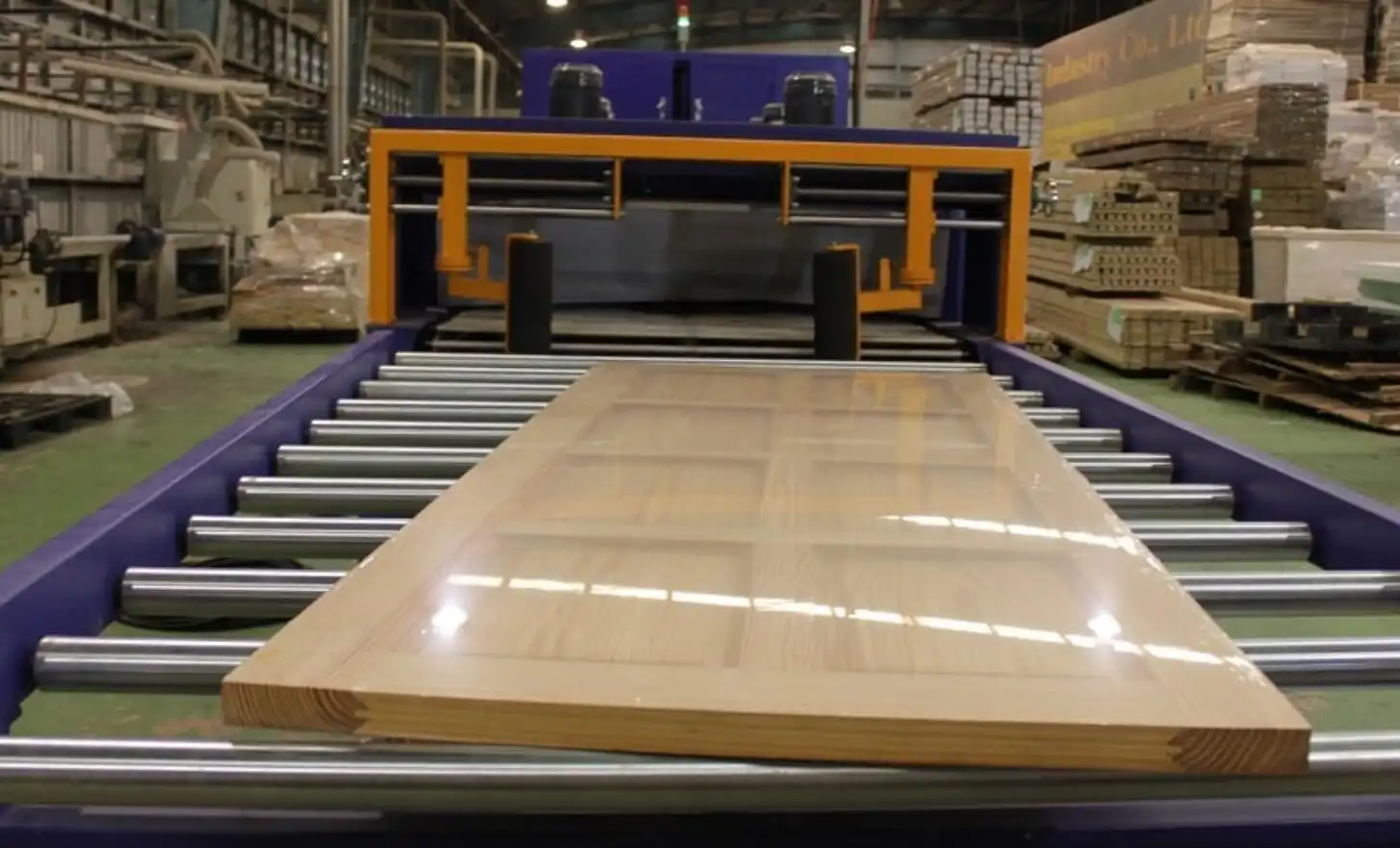
When a door leaves your factory, it needs to arrive at the customer’s site in perfect condition. Every damaged door is a loss. It means replacement costs, shipping fees, and unhappy customers. An automated wrapper provides consistent quality. This protects your product better than any manual method. It helps you keep your promises to customers.
The ROI of Protection: How Damage Reduction Drives Profit
Investing in a horizontal stretch wrapper offers a clear Return on Investment (ROI). This comes from savings in multiple areas. These savings directly contribute to your factory’s profitability.
Financial Benefits of Automated Damage Reduction
- Decreased Product Damage:
- Consistent Wrap Quality: Machines apply film with precise tension and overlap. This means every door is wrapped uniformly. There are no loose spots or over-tight areas. This prevents damage from shifting during transit.
- Edge Protection: Doors are vulnerable at their edges. A horizontal wrapper can be set up to provide extra layers of film where needed. This protects these critical areas. This reduces chips, dings, and scratches.
- Reduced Handling: Once wrapped, the doors are ready for transport. Less manual handling means fewer chances for accidental damage. This makes the entire process smoother and safer.
- Reduced Material Costs:
- Optimized Film Usage: An automated wrapper uses only the amount of film needed. It applies it efficiently. This eliminates the guesswork and waste of manual wrapping. You save money on stretch film purchases over time.
- Less Rework/Returns: When products arrive damaged, you face rework costs. You might have to ship replacements. This means double the production and double the shipping fees. Preventing damage upfront avoids these expensive issues.
- Enhanced Customer Satisfaction:
- Pristine Deliveries: Customers receive products in perfect condition. This builds trust and satisfaction. Happy customers are more likely to place repeat orders. They are also more likely to recommend your business.
- Fewer Complaints: Less damage means fewer customer complaints. This saves your customer service team time. It also prevents negative feedback that can harm your brand reputation.
- Improved Efficiency and Throughput:
- Faster Processing: As discussed, automation significantly increases packaging speed. This means you can process more doors in less time. This allows you to meet higher demand and take on more orders.
- Labor Reallocation: Workers previously assigned to manual wrapping can move to other critical tasks. This optimizes your workforce utilization. It helps you get more done with the same number of employees.








