
Which Horizontal Orbital Wrapper Delivers the Best ROI for Canada’s High-Labor-Cost Manufacturing Sector?
Canadian manufacturers face a tough challenge. Labor costs are high, and the global market demands efficiency. Many factories still rely on manual packing for heavy or awkward products like steel coils and wire bundles. This leads to slow processes, high labor expenses, and constant safety risks. It also means products can get damaged before they even leave your facility, costing you money and reputation.
The right horizontal orbital wrapper can change everything for Canadian manufacturers. It delivers a clear return on investment by cutting down labor costs, improving worker safety, and protecting valuable products from damage. Based on my experience in the packing machine industry, a well-chosen automated system is a smart move for any plant dealing with high volumes of coil or wire packing.

This is not just about buying a machine. It is about solving real problems that impact your bottom line. Let us dive deeper into how this technology can transform your operations, much like it has for many of my clients, including those facing challenges similar to Michael Chen, a factory manager in Mexico.
Why is Manual Packing a Bottleneck for Canadian Manufacturers Like Michael?
You know the feeling. Your production line hums along, making products. But then it hits the end, the packing area, and everything slows down. This is the bottleneck. For Michael, managing a metal processing plant, packing steel coils and wire manually creates a major choke point. Workers have to handle heavy items, wrap them by hand, and then move them for shipping. It is slow, it is hard, and it holds everything back.
Manual packing creates a significant bottleneck because it relies on human speed and endurance, which cannot match the pace of modern production. This leads to slower overall output, higher labor costs, and delayed deliveries. It also ties up valuable employees in repetitive tasks.

From my early days working in a packing machine factory, I saw these bottlenecks first hand. When I started my own packing machine factory, one of the biggest complaints I heard was about slow packing. It does not matter how fast your machines produce if your packing team cannot keep up. For a busy factory like Michael’s, a manual packing setup means:
Time-Consuming Processes
- Slow Wrapping Speeds: Each coil or bundle needs individual attention. Workers must walk around the product, unroll film, and apply it evenly. This takes a lot of time per item.
- Heavy Lifting and Positioning: Moving heavy coils or wire bundles onto and off a wrapping station is difficult. It often requires multiple people or specialized equipment like forklifts, which adds more steps and time to the process.
- Setup and Changeover Delays: If you pack different sizes, workers need to adjust their methods for each one. This can slow things down even more.
High Labor Costs
- Direct Wages: You pay workers for every hour they spend on packing. In Canada, these wages are high. This directly impacts your operating costs.
- Overtime Expenses: When orders pile up, or the packing line falls behind, you often pay overtime to catch up. This further inflates costs.
- Training and Supervision: Training new staff for these physically demanding roles takes time and money. Supervisors also need to manage the packing team, adding another layer of cost.
Inconsistent Quality
- Uneven Wrapping: Human hands cannot apply film as consistently as a machine. This leads to loose spots, over-wrapped areas, or gaps. These inconsistencies can compromise product protection.
- Higher Material Waste: Workers might use more film than needed to ensure coverage, or they might make mistakes that require re-wrapping. This increases your film costs.
I have seen many factories, just like Michael’s, struggle with these issues. They are stuck between getting orders out the door and keeping costs down. An automated horizontal orbital wrapper solves these problems. It wraps products quickly, consistently, and without needing constant human intervention. This frees up your valuable staff to do other, more productive tasks. It also ensures that your entire production line can operate at its full potential, from start to finish. This is how you really boost overall factory output and meet delivery deadlines without stress.
How Can Orbital Wrappers Boost Safety and Reduce Injury Risks?
Safety is a top priority in any factory. For Michael Chen, managing a metal processing plant, manual handling of heavy items like steel coils or wire bundles is a constant source of worry. Workers often strain their backs, injure their hands, or even get crushed by falling objects. These accidents are not just bad for your team; they are also very costly for your business.
Horizontal orbital wrappers significantly boost safety and reduce injury risks by automating the handling and wrapping of heavy, awkward products. This removes workers from hazardous tasks like heavy lifting, bending, and repetitive movements. It also drastically lowers the chances of severe workplace accidents.
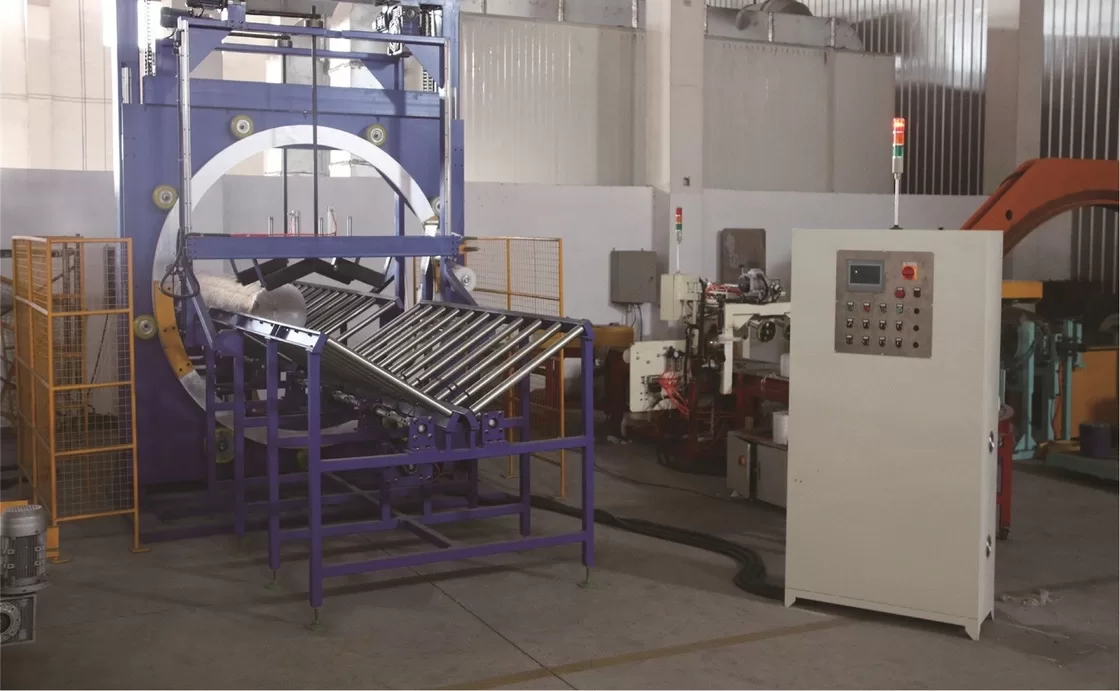
When I was first getting started in the packing machine business, safety was always a big concern for clients. No one wants their employees to get hurt. Michael’s experience with high injury rates and rising insurance costs is a common story. An automated orbital wrapper addresses these issues directly:
Eliminating Manual Handling of Heavy Goods
- Reduced Physical Strain: Workers no longer need to manually lift, carry, or turn heavy coils and bundles. The machine handles the entire wrapping process. This prevents common injuries like sprains, strains, and back pain that come from repetitive lifting.
- No More Dropped Loads: The machine securely holds the product during wrapping. This removes the risk of a heavy item falling and injuring a worker. Manual handling always carries this danger.
- Fewer Pinch Points: Automated systems are designed to keep human hands away from moving parts. This avoids pinch injuries that can happen when workers manually adjust or secure a product during wrapping.
Reducing Exposure to Hazardous Zones
- Automated Movement: Products move through the wrapping process automatically. This means workers do not need to stand close to moving machinery or heavy items.
- Controlled Environment: The wrapping process happens within the machine’s safety guards. This keeps workers out of harm’s way during operation. They only need to load and unload products, or monitor the process from a safe distance.
- Emergency Stop Features: Good orbital wrappers come with clear emergency stop buttons. These allow operators to shut down the machine instantly if any issue arises, preventing accidents.
Impact on Business and Employees
- Lower Insurance Costs: Fewer workplace injuries mean fewer claims. This directly translates to lower workers’ compensation premiums and other insurance costs for your factory.
- Improved Employee Morale: Workers feel safer and more valued when you invest in their well-being. A safer workplace leads to happier, more productive employees. They are less likely to leave, reducing your turnover rate.
- Reduced Downtime from Injuries: When a worker gets hurt, it can disrupt your operations. Automated systems reduce these disruptions, keeping your production running smoothly.
For Michael, who faces high insurance costs and employee turnover due to injuries, investing in an orbital wrapper is a clear path to a safer workplace. It protects his team and his business, showing a strong commitment to employee welfare. This is a win-win for everyone. It is not just about avoiding accidents. It is also about building a more reliable and productive workforce.
Can an Automated Wrapper Really Stop Product Damage and Boost Customer Satisfaction?
Product damage during packing and transit is a silent killer of profits. For Michael, managing a metal processing plant, every dented steel coil edge or scratched wire bundle means a potential customer complaint, a returned product, or a lost sale. Manual packing often leads to inconsistent protection, leaving products vulnerable. The question is, can an automated wrapper truly solve this problem and make customers happier?
Yes, an automated horizontal orbital wrapper can significantly stop product damage and boost customer satisfaction by providing consistent, secure, and professional-looking packaging. It applies film precisely, protecting vulnerable areas like edges and surfaces from impacts, scratches, and environmental factors during storage and transit.

I have helped many clients struggling with product damage, especially those dealing with products like steel coils or pipes. They would often tell me about complaints from customers who received goods that looked less than perfect. This is a common issue with manual wrapping:
Consistent and Secure Wrapping
- Uniform Film Application: Unlike manual wrapping, a machine applies film with consistent tension and overlap around the product. This creates a tight, even protective layer. There are no loose spots or gaps where dirt, moisture, or impacts can get through.
- Edge Protection: For products like steel coils, the edges are very susceptible to damage. An orbital wrapper can specifically focus on wrapping these vulnerable areas securely. It reduces the chance of dings, dents, and scratches that often happen during internal transfer or shipping.
- Full Enclosure: The machine can wrap the entire product, providing complete protection from dust, moisture, and minor abrasions. This ensures the product arrives in the same condition it left the factory.
Reduced Handling Damage
- Less Human Contact: With an automated system, there is less need for human workers to physically handle the product during wrapping. This cuts down on accidental drops, scrapes, or mishandling that can occur with manual processes.
- Integrated Systems: Many orbital wrappers can be integrated directly into a production line. This means the product moves smoothly from manufacturing to packing without extra handling steps, further reducing damage risks.
- Stable During Transit: A tightly wrapped product is more stable. It is less likely to shift or rub against other items during transportation. This prevents internal damage within the shipment.
Impact on Customer Satisfaction and Business
- Professional Appearance: Customers notice good packaging. A neatly wrapped product suggests quality and attention to detail. This makes a strong positive impression.
- Fewer Returns and Claims: When products arrive in perfect condition, customers have no reason to complain or return goods. This saves you time, money, and hassle dealing with claims.
- Stronger Brand Reputation: Delivering undamaged products consistently builds trust and loyalty. Customers are more likely to order from you again and recommend your business to others.
- Cost Savings from Reduced Rework: You avoid the costs associated with repairing damaged goods, re-shipping items, or offering discounts due to imperfections.
From my own experience building FHOPEPACK, I know that product quality extends to how it arrives. Michael’s concern about product loss and customer complaints is valid. An automated orbital wrapper is a direct investment in quality control and customer satisfaction. It ensures that your valuable products reach their destination exactly as intended, strengthening your brand and increasing your profitability. This helps you build long-term relationships with your clients.
What Features Should a Canadian Manufacturer Look for in a High-ROI Orbital Wrapper?
Choosing the right horizontal orbital wrapper is critical for getting a good return on your investment. It is not just about finding any machine. It is about finding the right machine that fits your specific needs, especially in Canada’s demanding manufacturing sector. Michael Chen’s previous bad experiences with unreliable suppliers show how important it is to pick wisely. You need a partner who understands your challenges and offers a robust solution.
A high-ROI horizontal orbital wrapper for Canadian manufacturers should have robust construction for heavy use, intuitive controls, versatile film application capabilities, and reliable after-sales support. It must be built to withstand tough industrial environments and deliver consistent performance day after day, year after year.

From my years in the packing machine industry, from being an employee to running my own factory, I have learned what truly makes a machine reliable and worth the investment. When clients ask me for advice, I always emphasize these key features:
Core Machine Design and Durability
- Heavy-Duty Construction: Look for machines built with strong steel frames and high-quality components. They must handle the weight and intensity of continuous operation in a factory environment. This is especially true for packing heavy items like steel coils.
- Industrial-Grade Components: Check the quality of motors, bearings, and electrical parts. Reputable brands use components that last longer and perform better under stress. This reduces the need for frequent repairs.
- Adjustable Ring Speed and Tension Control: The machine should allow you to change the wrapping speed and film tension. This lets you customize the wrap for different products and film types. It ensures a tight, secure package every time without wasting film.
- Automatic Film Cut and Clamp: This feature makes the process fully automated. The machine cuts the film and holds it ready for the next product. This saves time and reduces manual intervention.
Ease of Use and Maintenance
- Intuitive HMI (Human Machine Interface): The control panel should be easy to understand and operate. A clear touchscreen with simple menus helps operators quickly learn and manage the machine. This reduces training time and potential errors.
- Easy Film Loading: Film changes should be quick and simple. A user-friendly design minimizes downtime between rolls.
- Accessible Maintenance Points: The machine should be designed for easy access to parts that need regular maintenance or cleaning. This makes servicing faster and keeps the machine running smoothly.
Safety and Compliance
- Robust Safety Guards: The machine must have physical barriers and interlocks to protect operators from moving parts.
- Emergency Stop Buttons: Clearly marked and easily accessible emergency stops are a must.
- Compliance with Standards: Ensure the machine meets relevant safety standards for industrial equipment.
Supplier Support and Expertise
- Proven Track Record: Choose a supplier with a history of building reliable machines and providing good service. This is critical for Michael, who faced trust issues before.
- Customization Options: Can the supplier tailor the machine to your specific product sizes and packing needs? This shows they understand your unique challenges.
- Strong After-Sales Support: What kind of warranty, spare parts availability, and technical support do they offer? Reliable support ensures minimal downtime if an issue arises.
- Installation and Training: Do they provide professional installation and comprehensive training for your team? This ensures your staff can operate the machine safely and efficiently from day one.
| Feature Area | Key Features to Look For | Benefit for Canadian Manufacturers |
|---|---|---|
| Durability | Heavy-duty frame, industrial-grade motors | Longer lifespan, fewer breakdowns, consistent performance |
| Performance | Variable speed, adjustable tension, automatic cut & clamp | Versatile for different products, less film waste, high throughput |
| User Experience | Intuitive HMI, quick film loading | Easy to operate, reduced training time, less operator error |
| Safety | Safety guarding, E-stop, standard compliance | Protects workers, reduces liability, ensures safe operation |
| Supplier Support | Customization, spare parts, technical support, training | Tailored solutions, minimal downtime, long-term reliability |
Based on my journey from factory employee to owner, I know that the machine itself is only part of the solution. The expertise and support from the supplier are equally important. You need a partner who understands your operational pressures, just like Michael needs someone who gets his challenges with efficiency and safety. This holistic approach ensures you get a high-ROI machine that truly helps your business grow.
How Do We Calculate the True ROI of an Orbital Wrapper for High-Labor-Cost Regions?
When you consider a significant investment like a horizontal orbital wrapper, the big question is always, “What is the return on investment?” For Canadian manufacturers dealing with high labor costs, this calculation is vital. It is not just about the initial cost of the machine. It is about all the ways it saves you money and boosts your profits over time. Michael Chen’s goal is to see a clear ROI.
Calculating the true ROI of a horizontal orbital wrapper involves more than just direct labor savings. It includes significant cost reductions from improved safety, decreased product damage, increased throughput, and lower material waste. These combined benefits quickly justify the investment in high-labor-cost regions like Canada.
I have guided many clients through this exact calculation. From my own experience building a successful packing machine factory, I learned that every investment needs a solid business case. Here is how I approach the ROI calculation for an orbital wrapper:
1. Direct Labor Cost Savings
- Reduced Headcount: An automated wrapper can do the work of several manual laborers. You can reduce the number of employees dedicated solely to packing.
- Fewer Overtime Hours: With faster packing speeds, you are less likely to need workers to put in overtime to meet deadlines.
- Redeploying Staff: Instead of letting go of employees, you can redeploy them to other areas of the factory where their skills are more valuable. This boosts overall factory productivity without increasing your total payroll.
Calculation Example: If you pay 2 workers $30/hour for 8 hours a day, 5 days a week for manual packing, that is $2,400 per week, or $124,800 per year. An orbital wrapper might require only one operator for part of their shift, or even no dedicated operator if integrated with other machines. The savings are clear.
2. Safety and Insurance Cost Reduction
- Fewer Workplace Injuries: As discussed earlier, automation dramatically reduces the risk of injuries from heavy lifting or repetitive motions.
- Lower Workers’ Compensation Premiums: Fewer claims mean your insurance rates will likely decrease over time.
- Reduced Legal Costs: Less chance of lawsuits from severe workplace accidents.
Calculation Example: Michael noted high insurance costs due to injuries. If just one major injury claim costs your company $50,000 (medical, lost time, legal), preventing even one such incident can provide a massive return.
3. Reduced Product Damage and Material Waste
- Fewer Customer Returns/Claims: Consistent, high-quality wrapping means products arrive in perfect condition. This reduces the cost of processing returns, re-shipping, or offering discounts.
- Less Rework: You spend less time and money fixing or replacing damaged goods before they ship.
- Optimized Film Usage: Automated machines use the precise amount of film needed, reducing waste compared to manual wrapping where excess film is often used for security.
Calculation Example: If 1% of your $1,000,000 annual product output is lost due to damage, that is $10,000 in direct losses, plus the hidden costs of customer dissatisfaction. Cutting this in half saves $5,000, not to mention improved reputation.
4. Increased Throughput and Production Capacity
- Faster Packing Speeds: The machine can wrap products much faster than human hands. This directly increases your packing output.
- Eliminated Bottlenecks: A faster packing process means the rest of your production line can operate at its maximum efficiency. This boosts overall factory capacity.
- Ability to Handle More Orders: With higher packing speeds, you can accept and fulfill more orders without expanding your physical space or adding more shifts.
Calculation Example: If your existing manual packing limits your daily output to 100 units, but your production line can make 150 units, the wrapper can unlock that extra 50 units. If each unit profits $50, that is an extra $2,500 in profit per day.
Putting It Together
The true ROI is the sum of all these savings and increased profits, measured against the initial investment and ongoing operating costs (electricity, film, maintenance). While the initial price of an automated wrapper might seem high, the cumulative savings in labor, safety, waste, and the boost in productivity quickly add up. For factories in Canada facing high labor costs, the payback period for a quality horizontal orbital wrapper can be surprisingly short, often less than 1-2 years. This makes it one of the most impactful investments you can make for your factory’s financial health.
Why is Choosing the Right Partner as Important as Choosing the Right Machine?
Michael Chen’s past experience with suppliers who focused only on sales and provided poor after-sales service is a huge red flag. He understands that a machine is only as good as the company behind it. In the packing machine world, especially for complex systems like orbital wrappers, choosing the right partner is just as important as choosing the right piece of equipment. My own journey, from an employee to a factory owner who achieved financial independence and helped clients grow, taught me this fundamental truth.
Choosing the right partner for your horizontal orbital wrapper is critical because they provide the expertise, support, and long-term relationship needed to maximize your investment. A good supplier offers tailored solutions, reliable after-sales service, and valuable industry insights that a machine alone cannot provide.
When I built my packing machine factory, it was not just about making good machines. It was about solving client problems. I learned that trust and partnership are key. Here is why choosing the right partner truly matters:
Expertise and Understanding
- Industry Knowledge: A good partner understands your industry, whether it is metal processing, logistics, or heavy manufacturing. They know the unique challenges of packing steel coils or wire bundles. They understand your operational pressures, just like Michael needs someone who gets his factory’s specific issues.
- Problem-Solving Approach: They do not just sell you a machine. They ask about your bottlenecks, safety concerns, and product damage issues. They then offer solutions tailored to your specific needs. This is what Michael is looking for: a supplier who truly understands.
- Customization Capabilities: Every factory is different. A strong partner can customize the wrapper to fit your specific product sizes, existing production lines, and space constraints. They do not just offer a one-size-fits-all solution.
Pre-Sale and Post-Sale Support
- Thorough Consultation: Before you even buy, a good partner will spend time understanding your goals, challenges, and current processes. They will help you identify the right type and size of wrapper.
- Installation and Training: They provide professional installation services. They also offer comprehensive training for your operators and maintenance staff. This ensures your team can use the machine safely and efficiently from day one.
- Reliable After-Sales Service: This is where many suppliers fail. A good partner provides quick access to spare parts, technical support, and troubleshooting. When your machine goes down, you need fast help to minimize downtime.
- Preventive Maintenance Advice: They can offer guidance on how to properly maintain your machine. This helps prevent breakdowns and extends the life of your investment.
Long-Term Relationship and Growth
- Building Trust: Michael’s experience taught him to be wary. A transparent and reliable partner builds trust through consistent performance and honest communication.
- Future Planning: As your business grows, your packing needs might change. A good partner can advise you on future upgrades or expansions. They become a long-term resource.
- Sharing Insights: From my own journey, I have realized the value of sharing knowledge. A good partner does not just sell machines; they share insights, helping you optimize your processes and achieve greater efficiency. They invest in your success.
When I started FHOPEPACK, my mission was to share knowledge and help others succeed. My own path, building a successful factory and achieving financial independence from the packing machine industry, has made me grateful. This gratitude drives me to give back by sharing my expertise. For a factory manager like Michael, this kind of partnership is invaluable. It is the difference between buying a piece of equipment and investing in a solution that truly helps your business grow and thrive. Choose a partner who has been in your shoes, understands your challenges, and is committed to your long-term success.
Conclusion
The right horizontal orbital wrapper offers Canadian manufacturers a clear path to higher ROI by cutting labor costs, improving safety, reducing product damage, and boosting overall efficiency. Choosing a machine with robust features and, more importantly, a knowledgeable and supportive partner like FHOPEPACK, ensures long-term success.








