
Which Energy-Saving Designs Matter for Mold Upenders in Colombia’s Power Market?
Operating a metal processing plant in Colombia can be tough. I know this from my years in the packing machine industry. You face constant pressure to increase output, control costs, and keep workers safe. Every minute of downtime means big losses. Imagine dealing with high energy bills because your machines are inefficient. This problem directly impacts your bottom line and your ability to compete.
Energy-saving designs for mold upenders are very important. They matter in a big way. These designs focus on efficient hydraulic systems, smart control systems, and robust build quality. They help reduce power use and lower operating costs. This is key for plants, especially in markets like Colombia’s power sector. They need reliable and cost-effective equipment.
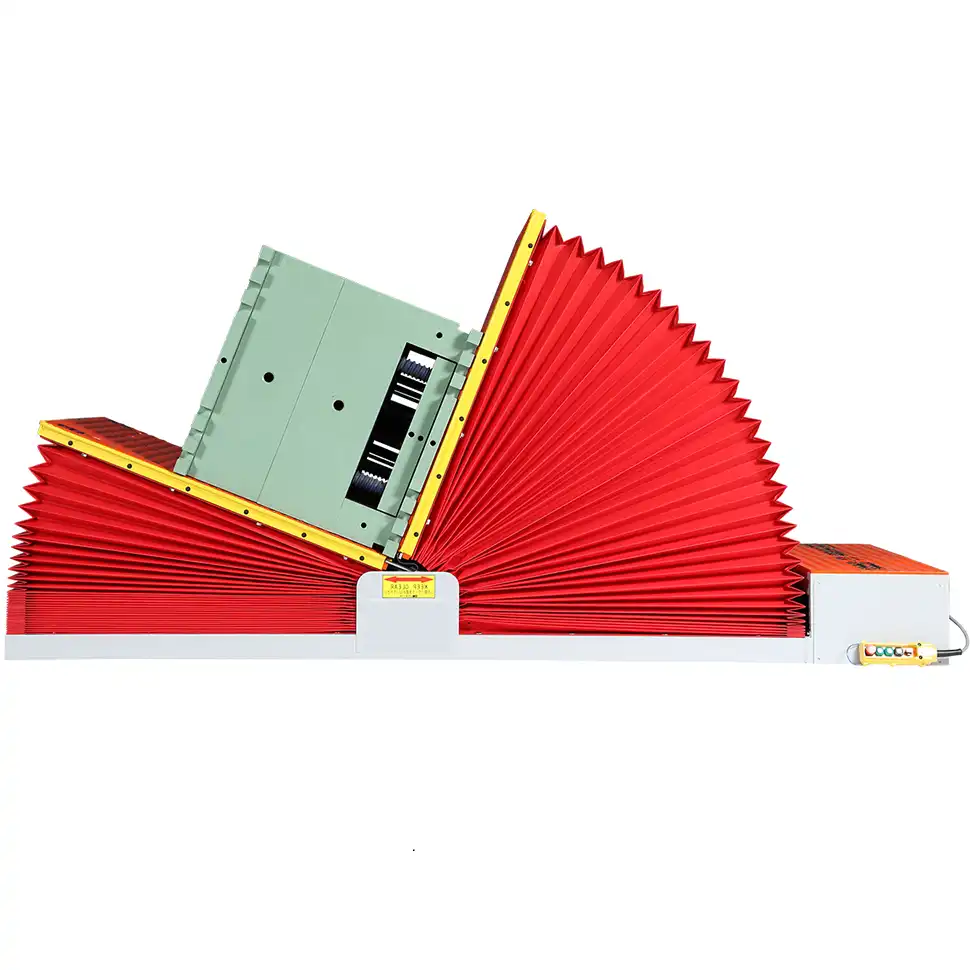
Understanding these designs can help you make smart investments. It can transform your operations. Let’s look closely at what makes a mold upender truly energy efficient. We will see how these features can benefit your factory.
Do Efficient Hydraulic Systems Save Energy?
Older hydraulic systems waste a lot of power. They often run at full capacity even when not needed. This burns money and makes your factory less green. Your energy bills go up, and your profits go down. So, finding a better way is a must.
Yes, efficient hydraulic systems save a lot of energy. They use technologies like variable displacement pumps and accumulator systems. They also use pressure-compensated pumps. These parts make sure the machine only uses power when it needs to. This cuts down on wasted energy.
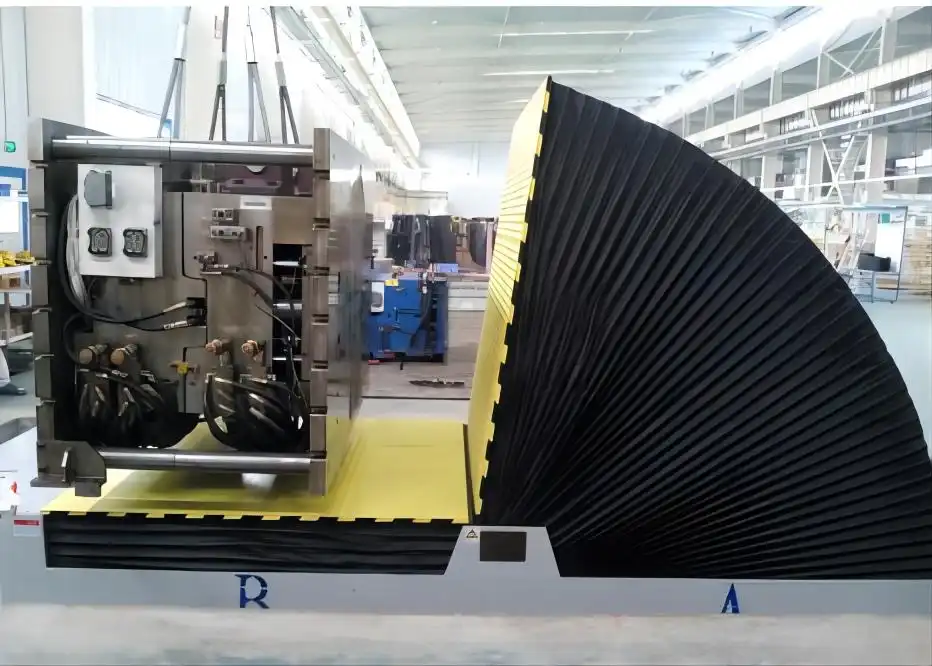
Traditional hydraulic systems have a basic problem. They often use fixed displacement pumps. These pumps push fluid at a constant flow. They do this no matter how much work the machine is doing. This means the pump works hard even when the mold upender is idle or under light load. All that unused power turns into heat. This wastes energy and makes the system less efficient. It also means you need more cooling. This adds to your operating costs. This is a big issue for a factory manager like Michael in Mexico. He needs to control costs and boost output. Any wasted energy directly affects his profit.
Newer, energy-efficient hydraulic systems work differently. They are much smarter.
Variable Displacement Pumps
These pumps change their fluid output based on the machine’s needs. If the mold upender needs less force, the pump sends less fluid. This means the motor uses less power. It is like driving a car that only uses as much gas as you need. This is a big change from old systems. Old systems always use a lot of gas, even when you are just cruising. For a factory in Colombia that handles heavy steel coils or wire, this means less energy used for each flip or lift. Over time, these savings add up to a lot.
Accumulator Systems
Accumulators store hydraulic energy. They are like batteries for a hydraulic system. When the machine has a moment of low demand, the accumulator fills up. Then, when a sudden burst of power is needed, the accumulator releases its stored energy. This prevents the main pump from having to work very hard all at once. It helps smooth out power demand. This also reduces peak energy consumption. It makes the system more stable. It also reduces wear on the pump motor. This extends the machine’s life.
Pressure Compensated Pumps
These pumps adjust their flow to maintain a set pressure. They do this automatically. If the load on the system changes, the pump adjusts its output. It keeps the pressure steady. This means the system does not use more power than it needs to. It does not generate excess pressure that needs to be relieved. This is another way to save energy. It keeps the system running smoothly. It also helps with precise control of the mold.
These advanced hydraulic systems give clear benefits. They lower energy bills. They reduce heat generation. They also extend the life of hydraulic components. This means less maintenance and fewer breakdowns. For a factory like Michael’s, this translates to real savings. It also means more uptime. This helps achieve higher production targets. It makes the business more competitive. Investing in these systems means investing in long-term efficiency and cost control.
| Feature Type | Traditional Hydraulic System | Energy-Efficient Hydraulic System |
|---|---|---|
| Pump Type | Fixed Displacement | Variable Displacement, Pressure Compensated |
| Energy Usage | High (constant power) | Low (power on demand) |
| Heat Generation | High | Low |
| Component Life | Shorter | Longer |
| Operating Costs | Higher | Lower |
Do Smart Control Systems Make Machines Energy Efficient?
Manual processes or basic machine controls often lead to wasted energy. Workers might make mistakes. Machines might run longer than needed. They might use more power than required. This means higher costs and lower output. It also puts workers at risk. So, the question is, can smart controls fix this?
Yes, smart control systems make machines much more energy efficient. They use things like PLC controls and HMI interfaces. They also have real-time monitoring features. These systems optimize how the machine moves. They cut down on idle time. This helps reduce energy waste significantly.
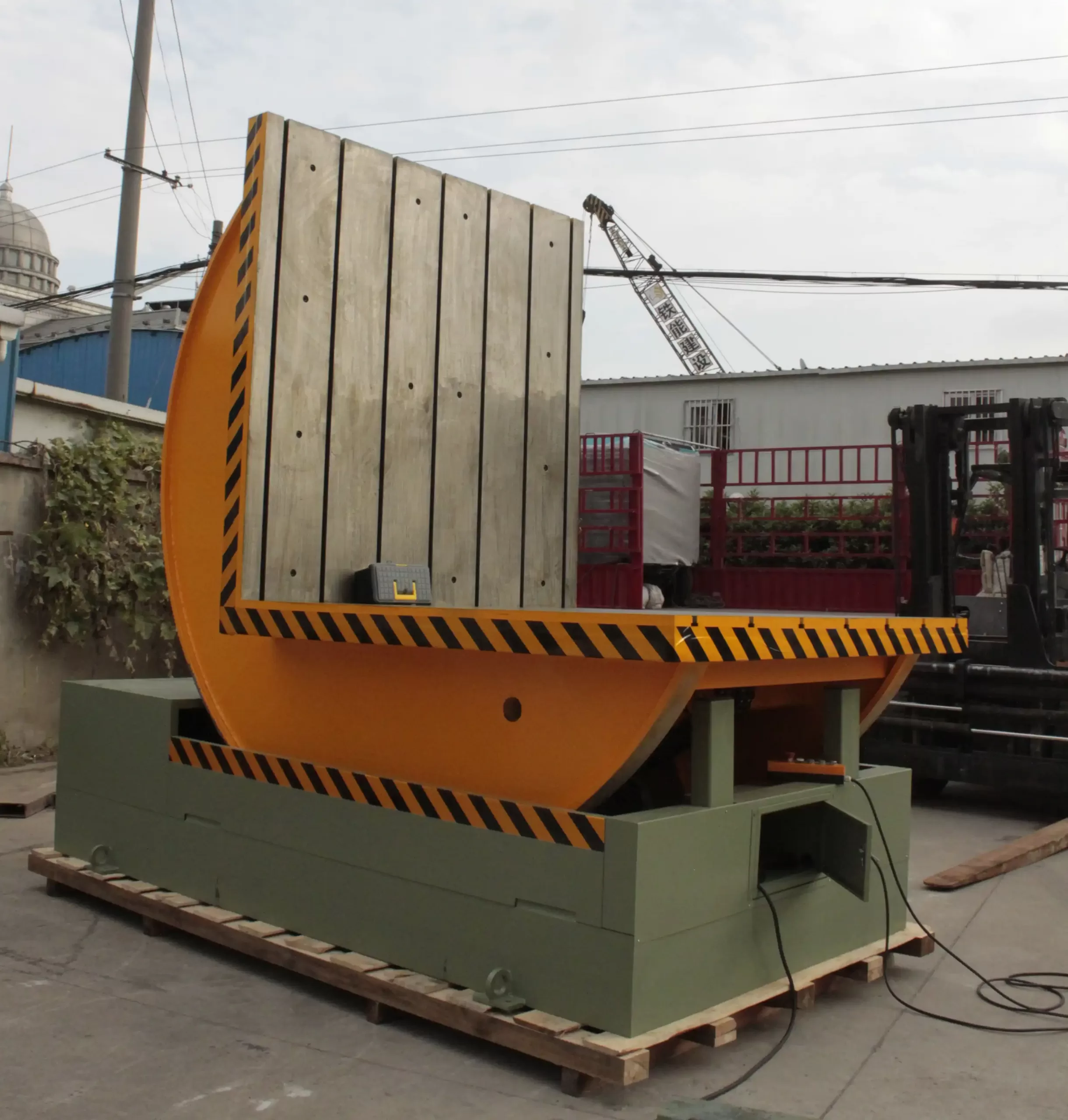
Smart control systems are like the brain of the mold upender. They ensure every movement is precise and efficient. This saves energy. They are a big part of modern machine design.
PLC Control and Sequence Optimization
Programmable Logic Controllers (PLCs) are at the heart of smart systems. They control the entire operation sequence. A skilled engineer can program the PLC to optimize every step. This means the mold upender moves in the most efficient way possible. It minimizes wasted motion. It also reduces the time it takes to complete a task. For example, the PLC can ensure the hydraulic pump only runs when lifting or tilting. It can shut it down during idle periods. This reduces energy use. It also speeds up the overall process. This directly helps Michael’s goal of improving efficiency and automation. It removes bottlenecks at the end of the production line.
HMI Interfaces
Human-Machine Interfaces (HMIs) provide an easy way for operators to interact with the machine. These are touch screens. They show real-time data. They let operators adjust settings. An HMI can display energy consumption metrics. It can also show error codes. This helps operators understand the machine’s performance. It also helps them identify problems quickly. This immediate feedback helps optimize operations. It ensures the machine runs at its best energy efficiency. It also reduces human error.
Real-Time Monitoring and Data Feedback
Smart systems can continuously monitor various parameters. They watch things like motor current, hydraulic pressure, and cycle times. This data is very valuable. It helps identify patterns of inefficiency. It also helps find potential issues before they cause breakdowns. For example, if a motor starts drawing too much current, the system can flag it. This might mean a bearing is failing. Fixing it early saves energy. It also prevents costly downtime. Michael wants clear ROI for his investments. This data helps show that ROI. It proves the energy savings.
Smart control systems also improve safety. They reduce the need for manual handling of heavy molds or coils. This is a big win for Michael. He faces high injury risks with manual processes. Automation removes workers from dangerous situations. This lowers insurance costs. It also reduces employee turnover. This makes the workplace safer. It makes the operations more efficient. It also contributes to the bottom line. Investing in smart controls is not just about saving energy. It is about creating a safer and more productive factory.
| Control System Feature | Benefit for Energy Saving | Benefit for Operation |
|---|---|---|
| PLC Control | Optimized motion, reduced idle power | Faster cycles, less human error |
| HMI Interface | Real-time energy data display | User-friendly, quick adjustments |
| Real-Time Monitoring | Early detection of inefficiencies | Predictive maintenance, reduced downtime |
Does Robust Build Quality Lead to Energy Savings?
Some machines are not built well. They break down often. This wastes time and money. It also means you use more energy for repairs or restarts. Downtime costs a lot. It also makes your business less reliable. So, does a strong machine really save energy?
Yes, robust build quality leads to long-term energy savings. It involves using high-grade materials and precision machining. It also means having effective lubrication systems. These things reduce friction and wear. This helps the machine run smoothly. It uses less power over its long life.
A mold upender is a heavy-duty machine. It handles very heavy loads like steel coils and wire. It also handles molds. These items can weigh many tons. So, the machine must be very strong. It needs to last a long time. If a machine is not built well, parts can wear out fast. This increases friction. Friction wastes energy. It also leads to breakdowns. This stops production. For Michael, who needs durable equipment for a harsh environment, build quality is critical.
Material Selection
The materials used in a mold upender are very important. High-grade steel should be used for the frame and moving parts. This steel is strong and resists wear. Cheaper, weaker metals will bend or break under heavy loads. This creates misalignment. Misalignment causes more friction. More friction means the motors work harder. This uses more energy. Choosing the right materials from the start saves energy later. It also makes the machine last longer. This reduces the need for replacements.
Precision Machining
Precision machining means parts fit together perfectly. When components are made with high accuracy, they move smoothly. There is less friction between them. For example, if bearings are not seated correctly, they will generate heat. They will also waste energy. Precise manufacturing makes sure all parts are aligned. This reduces energy loss from unnecessary friction. It also means the machine operates more quietly. It runs more smoothly. This is important for continuous operation in a busy factory.
Effective Lubrication Systems
Proper lubrication is essential for any moving machinery. It reduces friction between parts. This directly impacts energy consumption. An effective lubrication system ensures that all critical points get enough oil or grease. This keeps the components moving freely. It prevents wear and tear. When parts are well-lubricated, motors do not have to work as hard. This means they use less electricity. A well-designed lubrication system also lowers maintenance needs. It increases the machine’s uptime. This avoids the energy spikes that happen when a machine has to restart after a breakdown.
Reliable equipment also helps prevent product loss. Michael mentioned damage to steel coil edges during transfer. A stable, precisely built upender reduces such damage. This saves materials. It avoids costly re-work. This is an indirect energy saving. It means fewer resources are used for making up for damaged goods. For a factory in Colombia, where high volumes of heavy products are moved, durability translates directly into sustained energy efficiency and operational reliability. It helps a business grow.
| Build Quality Aspect | Energy Saving Contribution | Operational Benefit |
|---|---|---|
| High-Grade Materials | Reduces wear, lowers friction | Longer machine life, fewer breakdowns |
| Precision Machining | Smooth operation, less friction | Higher accuracy, reduced vibration |
| Effective Lubrication | Minimizes energy loss from friction | Reduced maintenance, increased uptime |
My Insights into Partnering for Success?
Many suppliers only want to sell you a machine. They do not truly understand your factory’s real needs. This often leads to buying the wrong equipment. It results in wasted money. This makes you lose trust in suppliers. So, how can you find a real partner?
A true partner offers expert advice. They give customized solutions. They also provide full after-sales support. This shows a real commitment to your long-term success. They help ensure your investment in energy-saving mold upenders truly pays off. They want to help you grow.
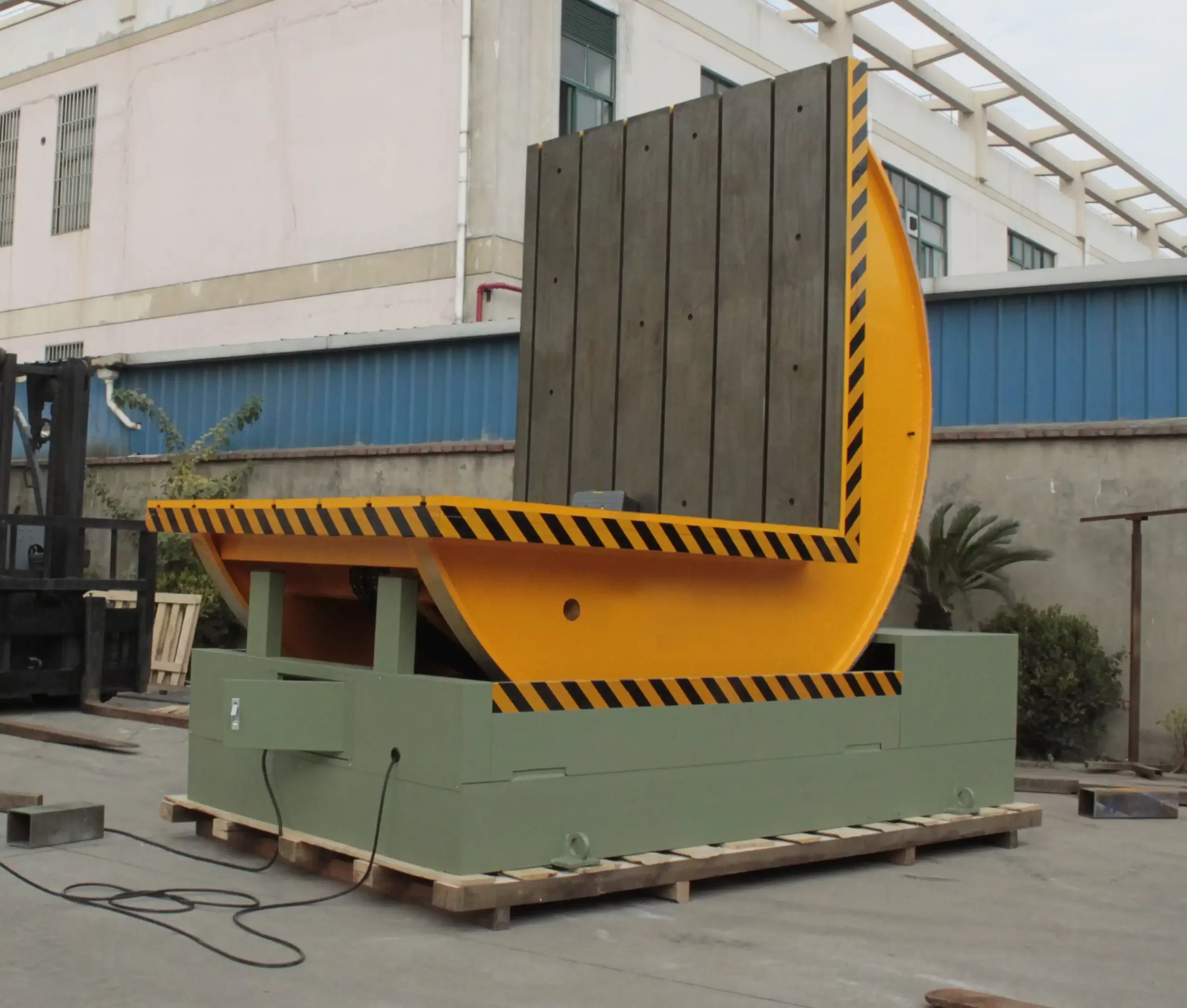
I started FHOPEPACK because I lived the packing machine factory life. I worked as an employee first. Then, I built my own successful factory. This journey taught me a lot. I learned what it takes to run an efficient operation. I know the pressures Michael faces every day. I understand the importance of reliable machines. I know how critical it is to control costs and ensure safety. That is why FHOPEPACK is more than just a company. It is a knowledge-sharing platform. We want to help others succeed.
Michael wants a partner who “truly understands.” This is exactly what I aim to be.
Expert Consultation
We do not just sell machines. We listen to your specific problems. What are your production bottlenecks? Where are your safety risks? What are your efficiency challenges? For example, Michael struggles with manual handling of heavy molds. This causes safety risks and low efficiency. We would look at his entire process. Then, we suggest solutions. This might include a mold upender with specific features. It might also include how to integrate it into his current line. My background helps me see things from the factory floor perspective. I have been there myself.
Customized Solutions
Every factory is different. An off-the-shelf solution might not be the best fit. We work with you to customize equipment. We make sure it fits your exact needs. This means a mold upender might need different dimensions. It might need different safety features. It might need specific control system integration. For Michael, a customized solution means a machine that handles his specific steel coil sizes. It also addresses his unique floor layout. This ensures the investment truly solves his problems. It gives him the best ROI.
Comprehensive After-Sales Support
A sale is not the end of our relationship. It is just the start. We provide training for your team. We offer maintenance guidance. We also provide spare parts and quick support if something goes wrong. Michael had a “supplier trust crisis” before. Some companies only cared about selling. They did not provide good after-sales service. We believe in building long-term relationships. This means we are there for you after the machine is installed. We help you keep it running efficiently for years. This support helps you maximize your uptime. It ensures your energy-saving features keep working as they should.
My experience helped me gain financial independence. I helped many clients grow their businesses. I want to give back now. I share my expertise so others can succeed. For Michael, this means working with an expert. It means someone who can guide him. Someone who can help him choose equipment that truly transforms his business. It is about building a partnership. This partnership helps achieve his goals of automation, safety, and cost reduction. It helps his business grow stronger.
| Partnership Aspect | Benefit to Customer | Addresses Michael’s Challenge/Goal |
|---|---|---|
| Expert Consultation | Deep understanding of factory needs, tailored advice | Addresses seeking professional guidance |
| Customized Solutions | Equipment fits exact operational requirements | Addresses efficiency bottlenecks, safety concerns |
| After-Sales Support | Maximized uptime, long-term performance | Addresses supplier trust crisis, ROI clarity |
Conclusion
Energy-saving mold upenders are vital for factories like Michael’s. They cut costs and boost safety. Look for efficient hydraulics, smart controls, and robust build quality. Partner with experts who understand your needs.








