
How Can a Mold Upender Combat Corrosion in Colombia’s Humid Toolrooms?
Has your factory ever faced unexpected downtime because a critical mold rusted? In places like Colombia, where humidity can be very high, this is a common and costly problem. Molds are expensive tools. When they corrode, it leads to product defects, production delays, and major financial losses. Ignoring this problem will only make it worse, hurting your bottom line and reputation.
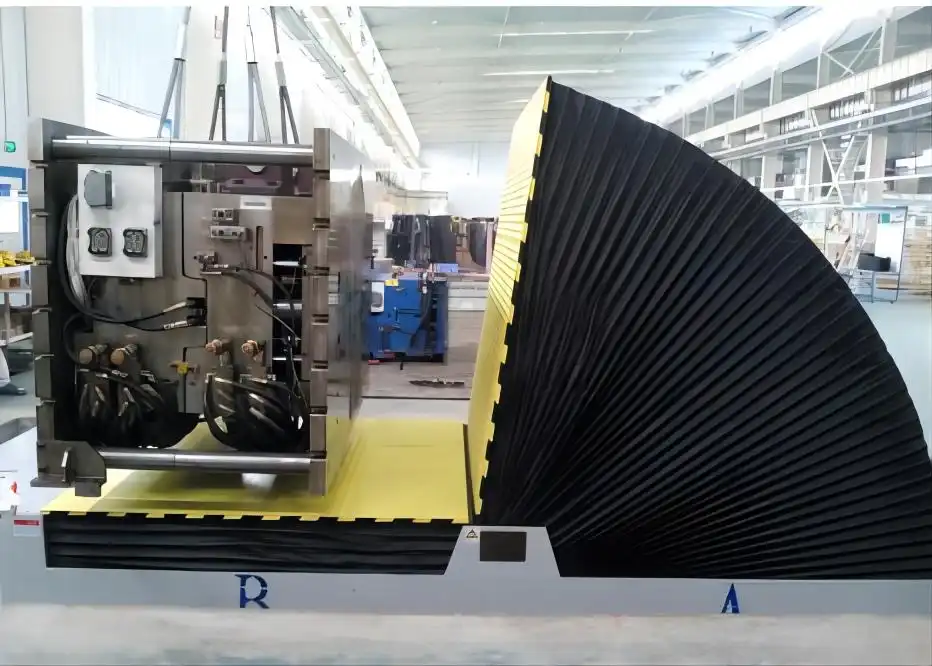
A mold upender directly addresses the challenges of corrosion in humid toolrooms by allowing easier, safer, and more thorough cleaning, inspection, and application of protective coatings. By providing full access to all mold surfaces, these machines ensure every part of the mold can be properly maintained, significantly reducing the risk of rust and extending the life of your valuable assets.
I understand these challenges well. My journey in the packing machine industry, from an employee to owning a successful factory, taught me the real value of reliable equipment and smart maintenance. I built FHOPEPACK to share what I have learned. Keep reading to discover how a simple investment can protect your molds and improve your factory’s performance.
Why Do Humid Toolrooms Pose a Significant Risk to Your Molds?
Are you struggling to keep your valuable molds from corroding in humid conditions? High humidity is a silent threat. It creates an environment where rust can quickly form on metal surfaces. This leads to costly damage, reduced mold lifespan, and constant worry about production quality.
Humid toolrooms pose a significant risk to molds because moisture in the air causes oxidation on metal surfaces, leading to rust and degradation. This risk is especially high in regions like Colombia, where the climate naturally has elevated humidity levels. Molds, often made of various steel alloys, are very susceptible to this kind of damage if not properly managed.
The challenges extend beyond just seeing rust. This corrosion weakens the mold material. It can cause tiny pits and imperfections on the mold surface. These imperfections then transfer to your final products. This means more rejected parts, wasted materials, and unhappy customers. My time building and running a factory showed me that every small detail affects the final output. We always focused on prevention because fixing problems after they happen is much more expensive.
Understanding the Corrosion Process
Corrosion is an electrochemical process. Metal reacts with oxygen and water. In humid air, there is plenty of water vapor. This makes the reaction happen faster.
- Environmental Factors:
- High Humidity: A relative humidity above 50% significantly increases corrosion rates. In Colombia, many areas consistently exceed this.
- Temperature Fluctuations: Changes in temperature can cause condensation. This creates liquid water on mold surfaces, speeding up rust.
- Contaminants: Airborne particles like dust, chemicals, or even fingerprints can act as catalysts. They can accelerate the corrosion process.








